In one line
Peptide drugs are drugs made of short chains of amino acids, the building blocks of protein; they include both approved medicines and unapproved, experimental substances.
What are peptide drugs like BPC-157?
'Peptides' talked about as injury-recovery shots
These days, peptides such as 'BPC-157' are talked about among people who work out as shots that make injuries heal faster. The number of people looking for them is growing quickly. What are peptides, and what has been confirmed in people?
In short
Drugs made of amino acid chains
Peptide drugs are drugs made of 'peptides', short chains of amino acids, the building blocks of protein. Many peptide drugs are approved. But BPC-157, the one talked about at the gym, is an experimental substance that no country has approved as a medicine.
Background
Linked amino acids make peptides; longer ones make proteins
An amino acid is a small building block of protein, like a single LEGO brick. A short chain of a few bricks is a 'peptide'. When the bricks form a very long chain that folds into a complex shape, it is a protein.

Peptides in the body
Many hormones are peptides
A hormone is a substance made in one part of the body that travels in the blood and carries a signal to another part. A hormone made of a peptide, like insulin, which lowers blood sugar, is called a 'peptide hormone'. Insulin is also used as a diabetes medicine.
What BPC-157 is
A chain copying part of a stomach-juice protein
BPC-157 is a peptide made in the lab by copying part of a protein found in human stomach juice. It is a chain of 15 amino acids. Its name comes from the English 'body protection compound'.
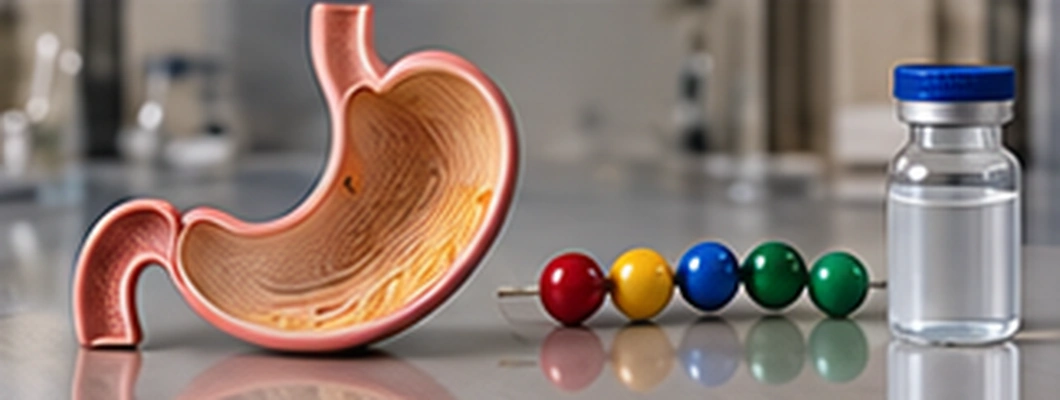
What animal studies showed
Tendon and muscle injuries in rats healed better
Almost all BPC-157 research was done in small animals such as rats. In these experiments, cut tendons and injured muscles, ligaments and bones healed better. This is explained by BPC-157 helping new blood vessels grow around the injury.
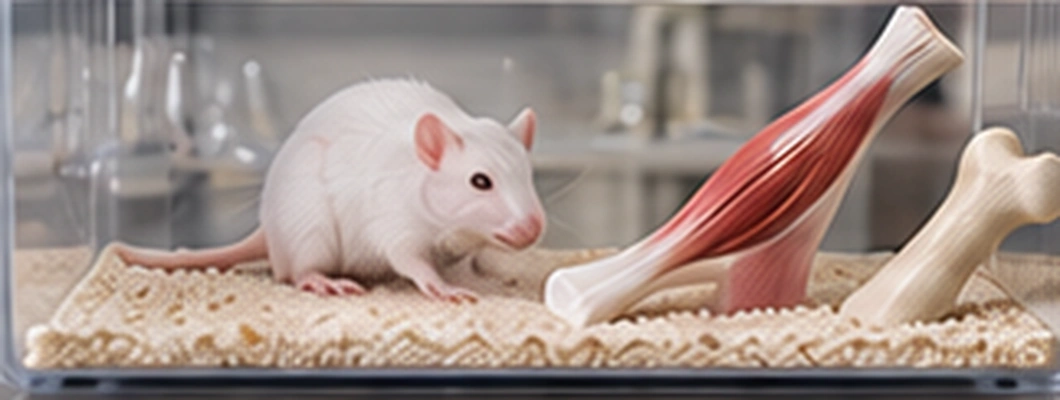
What has been confirmed in people
Only a few very small human studies
Only a few small studies, each with just a few people, have used it in people. The study in people with knee pain did not compare with people who did not get it. No trial has yet properly compared and confirmed its effects and safety in people.

Approval and bans
Not approved as a drug, banned in sport
BPC-157 has not been approved as a medicine by the US Food and Drug Administration (FDA) or any other national health authority. The World Anti-Doping Agency groups BPC-157 with 'non-approved substances' and bans it in sport at all times.
Risks
Little data to judge whether it harms people
The FDA has said there is little or no safety data to judge whether BPC-157 harms people. It also pointed to the risk that, when injected, the body's immune system reacts against it, and to impurities mixed in during manufacturing. Unapproved products are made without quality control.

A common misconception
Are peptides low-risk substances?
Peptides are often seen as low-risk substances. But neither the effects nor the safety of new peptides such as BPC-157 have been confirmed in people. Whether results in animals hold true in people is checked separately through human trials.

Summary
Amino-acid-chain drugs; BPC-157 is experimental
Peptide drugs are drugs made of short chains of amino acids. BPC-157 is an unapproved, experimental substance whose effects and safety have not been confirmed in people. Related terms: amino acids, peptide hormones, growth hormone drugs.
The more you know, the more you grow.PHYSIQUE NEWS