In one line
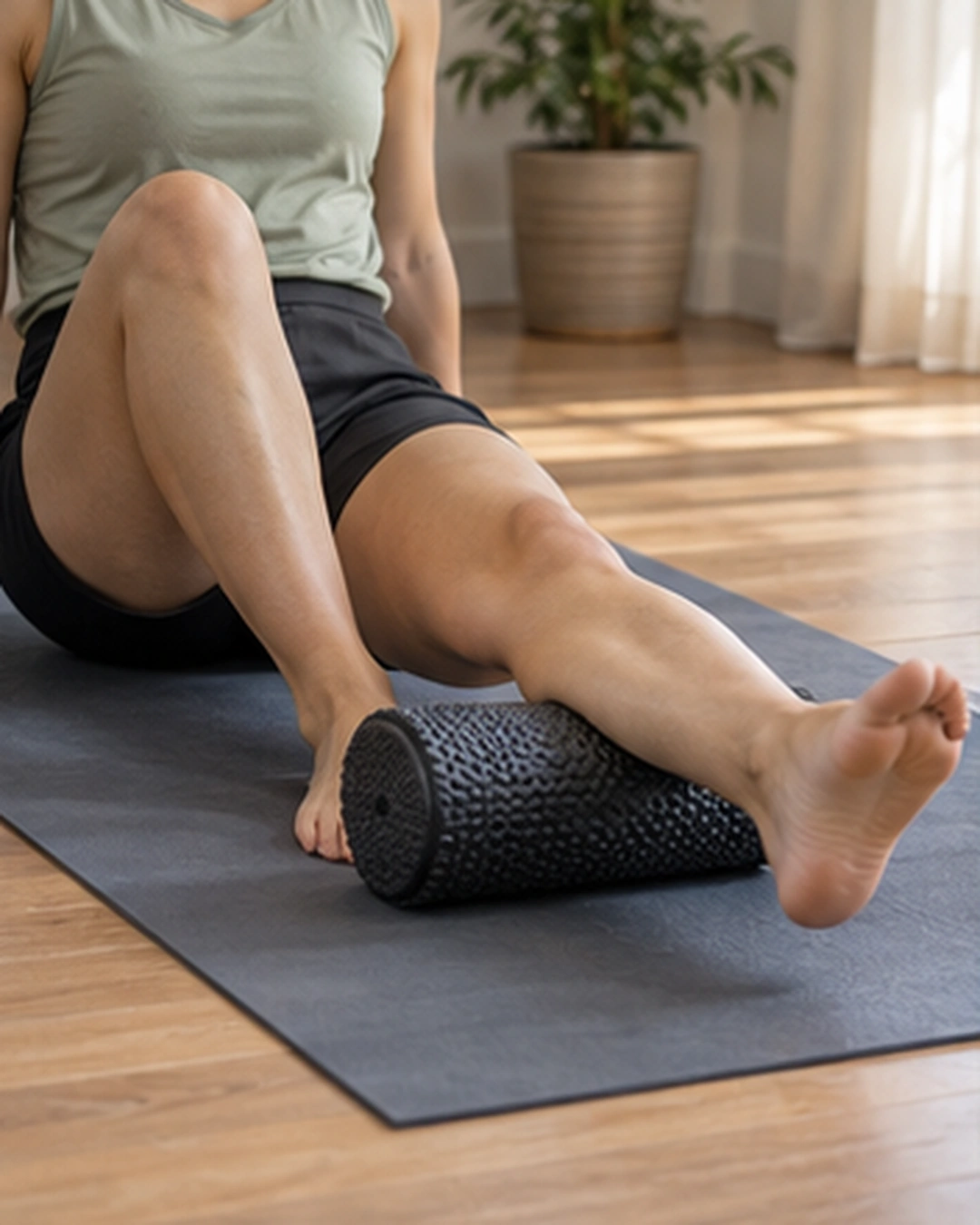
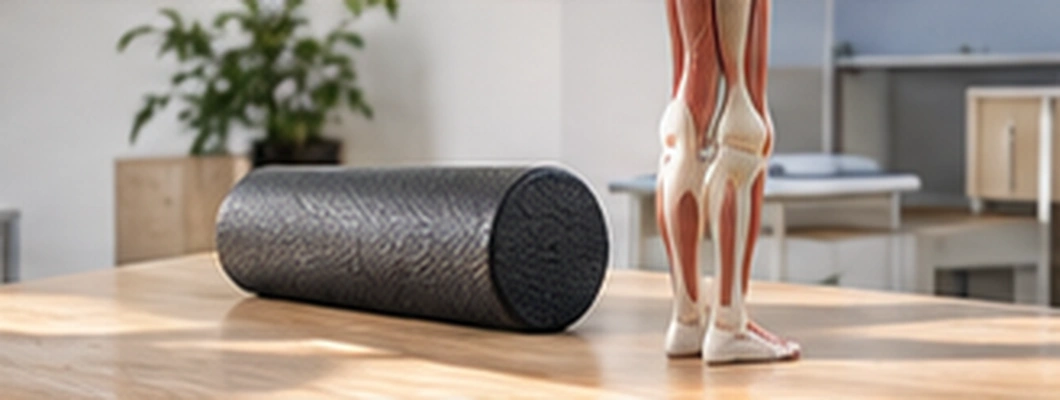
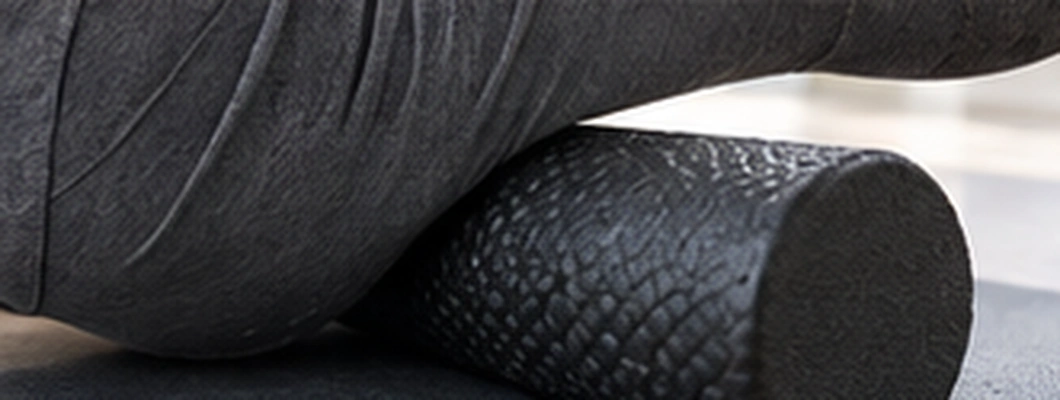
A foam roller is a tube made of firm foam that you lie on and roll over, pressing your muscles with your body weight to massage yourself.
What is a foam roller?
The thick foam tube in the corner of the gym
In a corner of the gym you often see people lying with a thigh or their back on a thick tube and rolling back and forth. That tube is a foam roller. This post explains what a foam roller is, what it is for, and what changes in the body after rolling.
In one line
A tube you roll on, pressing muscles with your body weight
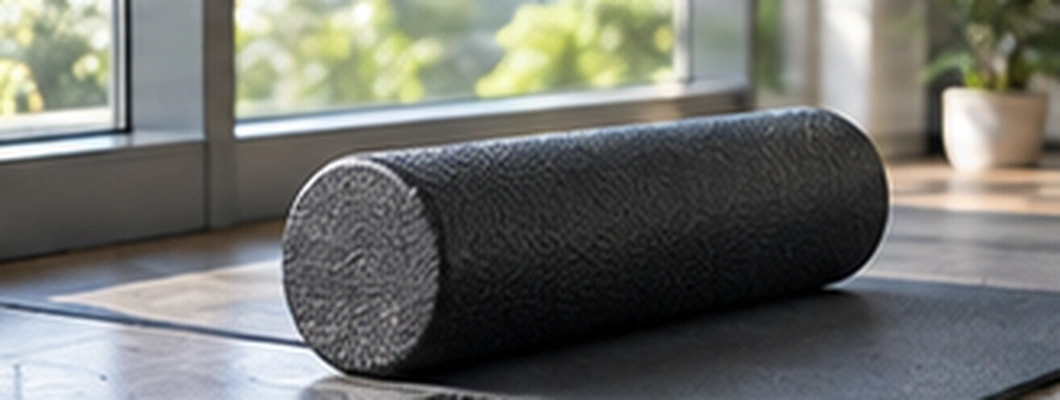
A foam roller is a tube made of firm, sponge-like material (foam). You lie on it, press a muscle with your body weight, and roll back and forth. Rolling like this is called 'foam rolling'.
Massage you give yourself
Body weight instead of hands
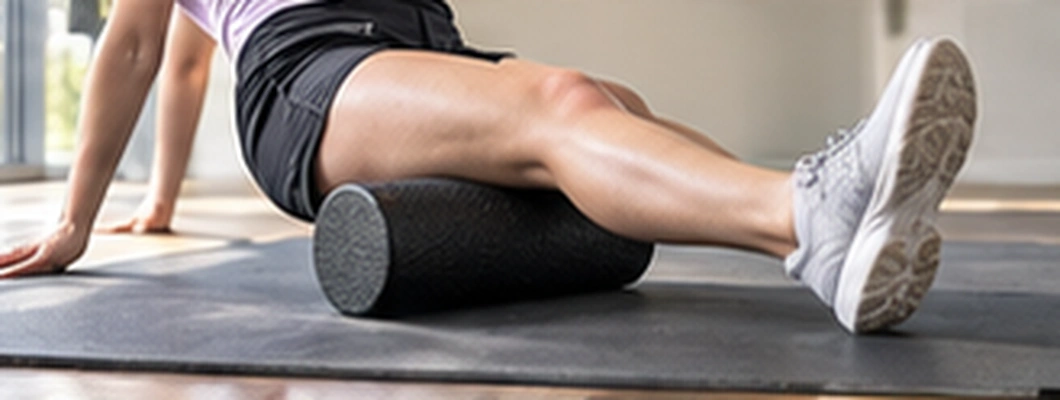
Massage means pressing and kneading the body with the hands. Foam rolling is one way to do this massage yourself, without someone else's hands. Instead of kneading with hands, you rest your body on the tool and press with its weight.
The word 'fascia'
A thin layer that wraps muscles
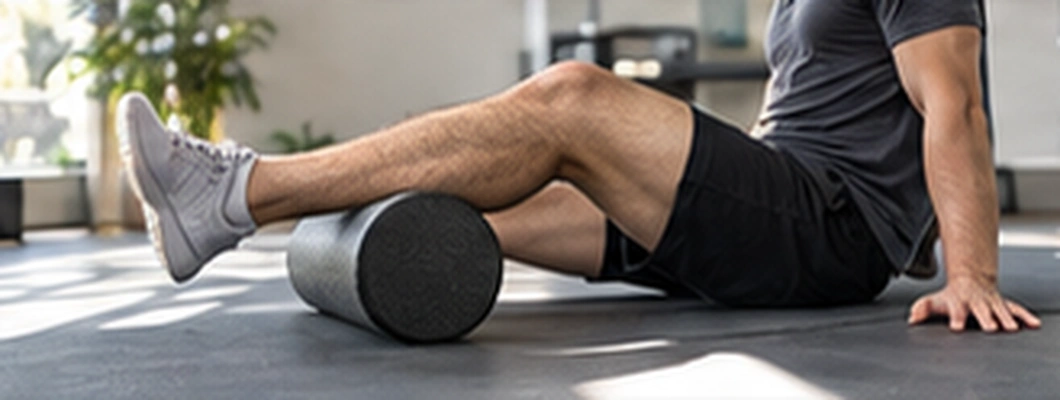
Muscles are wrapped in a thin layer called 'fascia'. Fascia is a layer of tough tissue that wraps the area just under the skin, the muscles, and the organs inside the body. Because people believed rolling loosens this fascia, it is also called 'self-myofascial release' in English.
When it is used
Before a workout to warm up, after it to recover
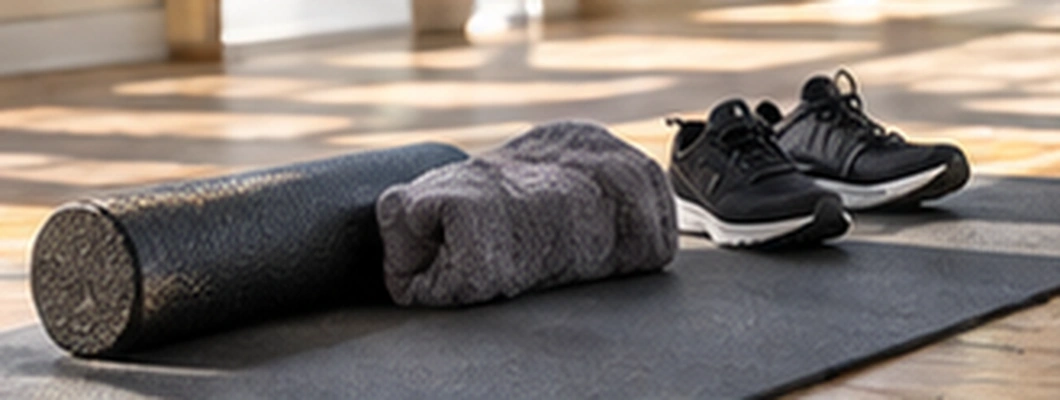
A foam roller is mostly used at two times. One is before a workout, as part of the warm-up that heats up and prepares the body. The other is after a workout, to help recovery. Research also looked at these two uses separately.
Right after rolling
Joints move through a wider range
The range a joint moves from one end to the other is called the 'range of motion'. Right after foam rolling, range of motion was wider than after doing nothing. Compared with stretching, there was no difference.

Performance and pain
The changes were small
Rolling before exercise widened range of motion by about 4% and made short all-out sprints only a little faster. Jumping and strength hardly changed. Rolling after exercise made people feel slightly less muscle pain.
Rolling regularly for weeks
Thighs loosened, calves did not
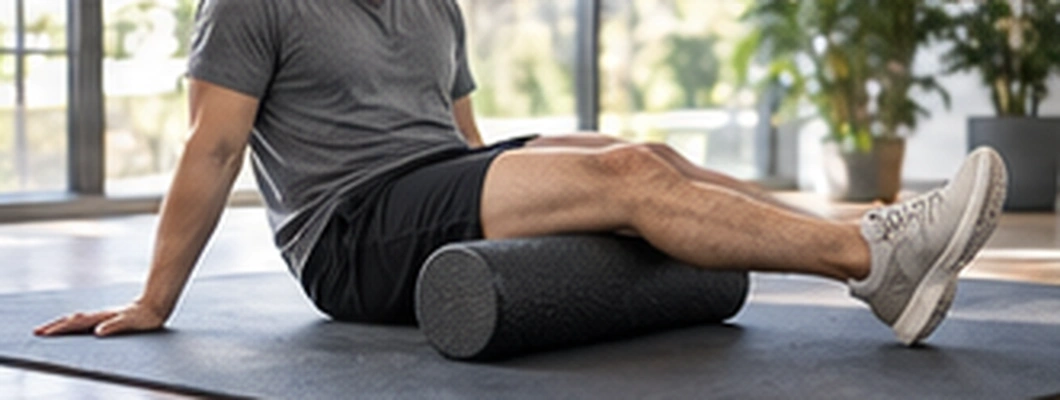
When studies of rolling regularly for several weeks were pooled, range of motion widened, and more so when it lasted longer than 4 weeks. Rolling the front and back of the thigh widened it, but rolling the calves did not change the ankle's range. Over short periods of 4 weeks or less, stretching that holds a muscle in a lengthened position widened it more.
Common myth
Does a foam roller loosen knotted fascia?
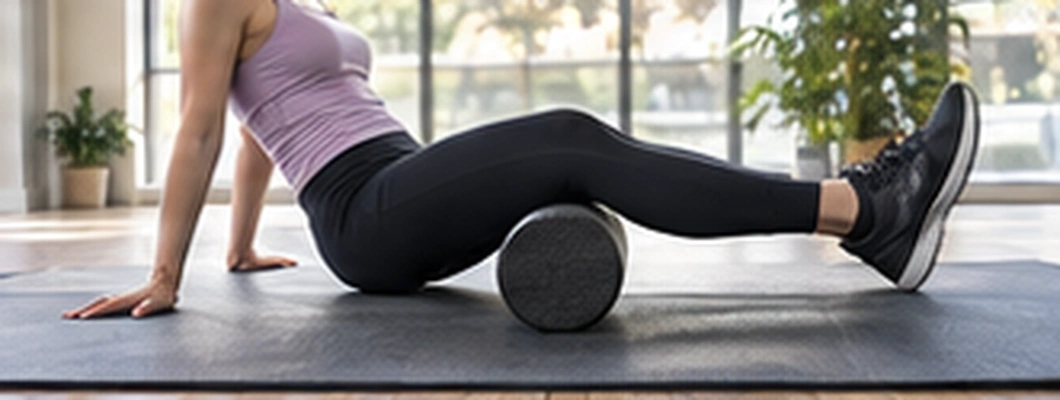
It is often said that a foam roller smooths out knotted or stuck fascia. But a calculation for hands-on massage showed that the firm fascia of the thigh needs force far beyond what the body normally handles to be squeezed even 1%. Researchers explain the effect not as fascia being released but as nerves reacting to the pressure, which reduces pain and muscle tension.
Summary
A self-massage tool that presses muscles with body weight
A foam roller is a tube you roll on to press your muscles with your body weight, a way to massage yourself. Rolling widens range of motion, and this is explained by the nerves reacting to the pressure rather than by fascia being released. Related terms: range of motion, static and dynamic stretching, warm-up.
The more you know, the more you grow.PHYSIQUE NEWS