In one line
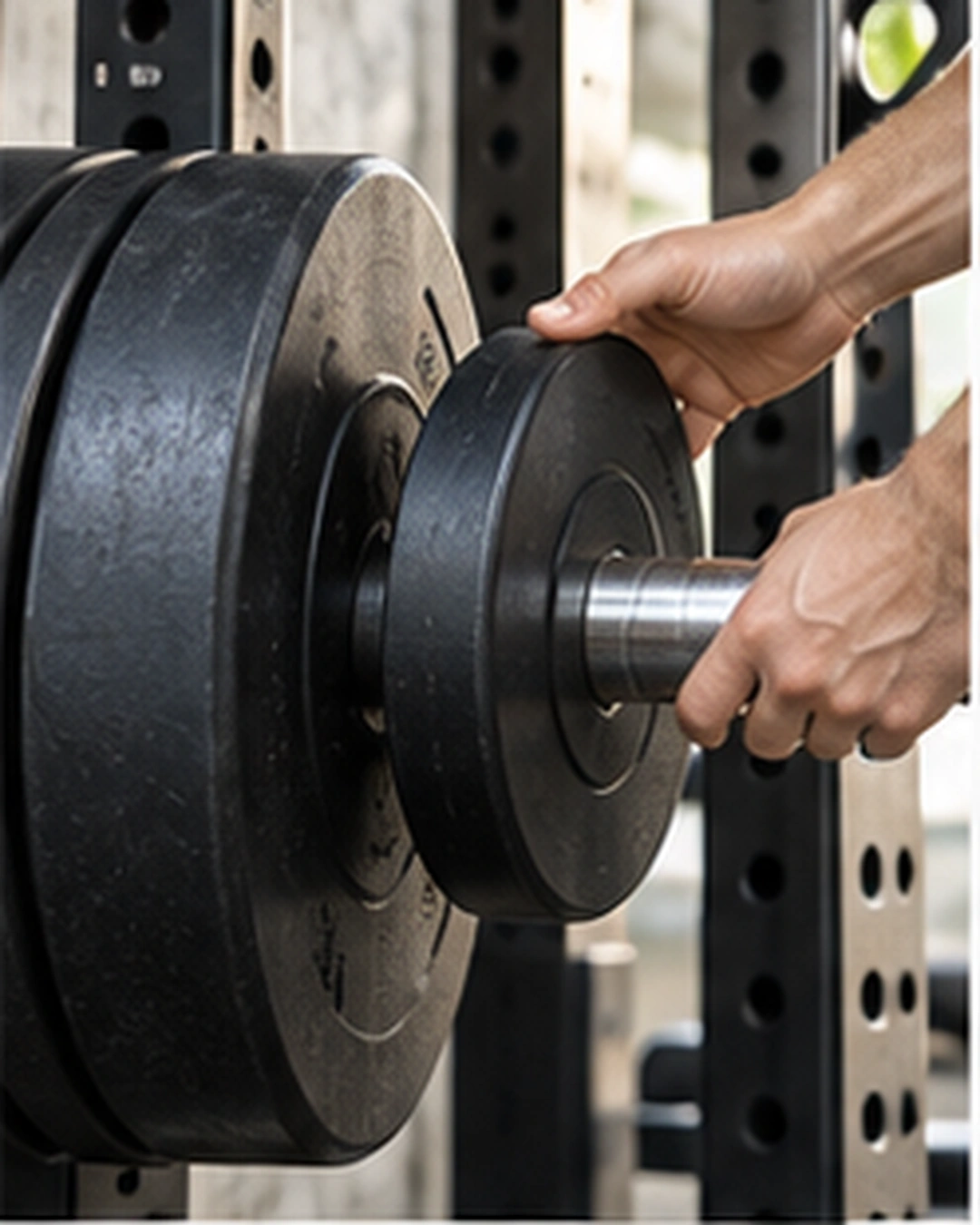
Progressive overload is the basic training principle of gradually increasing the demand on your muscles as your body gets used to it, so it keeps getting stronger.
What is progressive overload?
The 'basic principle' in every training plan
When you start learning strength training, you will hear that 'progressive overload is the basis'. The term sounds hard, but the idea is simple. This post explains what overload is, why it must be 'progressive', and how to increase it.

In short
Doing a little more as you get used to it
Progressive overload means gradually increasing the demand on your muscles as your body gets used to the training. 'Overload' means making the body do more work than usual, and 'progressive' means little by little.

What is overload?
Making muscles do more work than usual
Strength training makes your muscles do more work than daily life does. Putting this larger-than-usual demand on the body is called 'overload'. The body changes to meet this demand, which is called 'adaptation'. As muscles adapt, they get stronger.

Why 'progressive'?
Once you adapt, the same workout is no longer overload
Once your body adapts, a workout that was hard at first is no longer a big demand. So to keep getting stronger, you need to raise the demand a little again. Repeating this cycle of adapting, increasing and adapting again is progressive overload.

Why 'little by little'?
Small increases lower the risk of injury
How much you raise the demand at one time also matters. Small, step-by-step increases make it easier for the body to adapt to the new demand and lower the risk of injury. That is why 'overload' comes with 'progressive'.
What can you increase?
Not just the weight
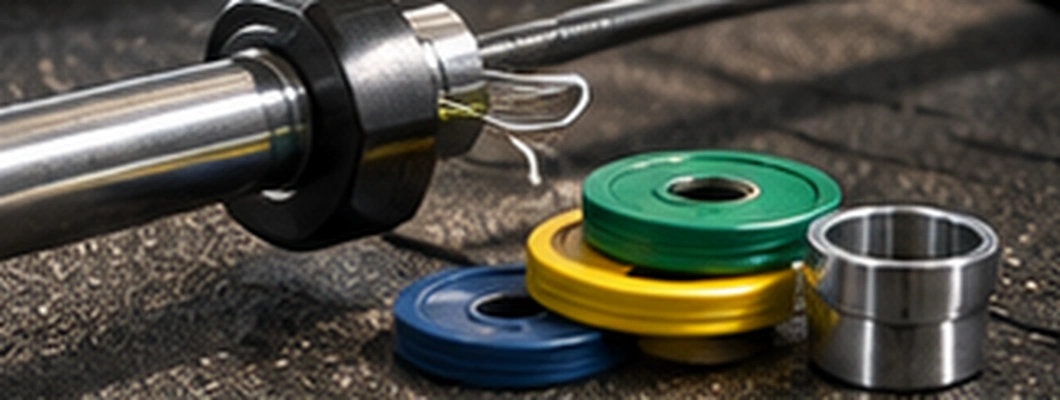
There are many ways to raise the demand. You can add weight, do more lifts (reps) in each set (a group of reps done without rest), do more sets, or train more days a week. Changing the exercises or training for longer are also ways to do it.

Must you increase every time?
It works even without increases
Strength training improves strength and muscle even without constantly raising the demand. Raising the demand is needed when you want to keep improving for a long time after your body has already adapted. Progressive overload is a principle for continued progress.

A common misconception
Does progressive overload mean adding weight every time?
No. When people who added reps with the same weight were compared with people who kept the reps the same and added weight, there was no clear difference in how much muscle and strength they gained. Adding weight is only one of several ways to raise the demand.

Summary
Raise the demand a little as you adapt
Progressive overload is the principle of gradually increasing the demand on your muscles as your body adapts. You can raise the demand not only with weight but also with reps, sets or training days, and adding reps with the same weight gave results similar to adding weight. Related terms: training volume, RPE and RIR, 1-repetition maximum.

The more you know, the more you grow.PHYSIQUE NEWS