
Short answer
Heart-related recovery markers improved. After 12 days of sleeping at set times, resting heart rate fell from 65 to 62 beats and heart rate variability rose from 34 to 42. We found no trial showing better muscle recovery or exercise performance.
Does going to bed and waking up at the same time every day help recovery?
'Same time → body rhythm → recovery': is it true?
Some say going to bed and waking up at the same time every day matters as much as how many hours you sleep. We checked an experiment that fixed sleep times, sleep records of people who train, and large groups followed for years, in that order.

Sleeping at set times for 12 days
The heart was more at ease during rest
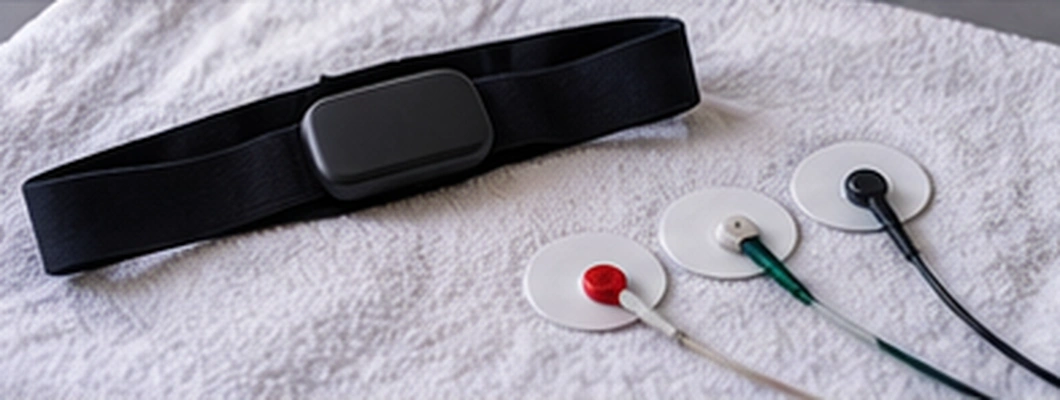
16 people slept at set times for 12 days and as usual for another 12 days. Night-to-night swings in sleep length were 57 minutes as usual and 31 minutes at set times, with no difference in average sleep length. After the set-time period, resting heart rate fell from 65 to 62 beats, and heart rate variability, used as a recovery marker, rose from 34 to 42.
But blood vessels and blood pressure stayed the same
It did not prevent the cost of an all-nighter
In the same 16-person experiment, the ability of blood vessels to widen and blood pressure did not change after 12 days. After one night without sleep, the ability of blood vessels to widen fell from 28 to 25, and sleeping regularly beforehand made no difference to the drop. Blood pressure fell only when 11 people with high blood pressure fixed their bedtime for 2 weeks (a 4-point drop in 24-hour average).

What about the sleep of people who train?
Not related to sleep quality; longer sleep only in a 23-person study
In a study that recorded the sleep of 172 people for at least 5 days, how regular their sleep was had no relation to sleep length or quality. Over 3 weeks in 23 people, regular sleepers slept 24 minutes longer a night, with no difference in sleep quality. 21 people who started training at 6:30 to 7 a.m. slept 1.8 hours less the night before training than the night before a day off. Irregular sleep came from early training schedules.

So what about performance and muscle recovery?
We found no trial showing improvement
A 2026 review that gathered 10 studies on sleep regularity in people who train found only 3 that looked at performance. We found no trial that measured muscle recovery or strength after making people sleep regularly. Among 42 people training for 14 weeks, those who got injured had a 2 hour 40 minute gap in sleep timing between weekends and weekdays, larger than the 1 hour 32 minutes in those who did not.

Over the long term, a difference appeared
Even with enough sleep, irregular sleep kept the risk
In a study that followed 72,269 people for 8 years, irregular sleepers had a 26% higher risk of heart attack, heart failure and stroke than regular sleepers. Even when they got the recommended amount of sleep, the risk was 19% higher. In a study that followed 73,630 people for 8 years, the risk of diabetes was 38% higher.

Summary: sleeping at set times improved heart recovery markers
Get enough sleep and keep the swings around 30 minutes
After 12 days of fixed sleep times, resting heart rate fell and heart rate variability rose. Blood vessel function did not change, and we found no trial showing better muscle recovery or performance. Getting enough sleep while keeping the day-to-day swing in sleep length to around 30 minutes is enough.

A better body starts with a better question.PHYSIQUE NEWS