In one line
TEF is the extra energy the body uses after a meal to digest, move and store the food it has just eaten.
What is TEF (the thermic effect of food)?
Eating itself uses calories
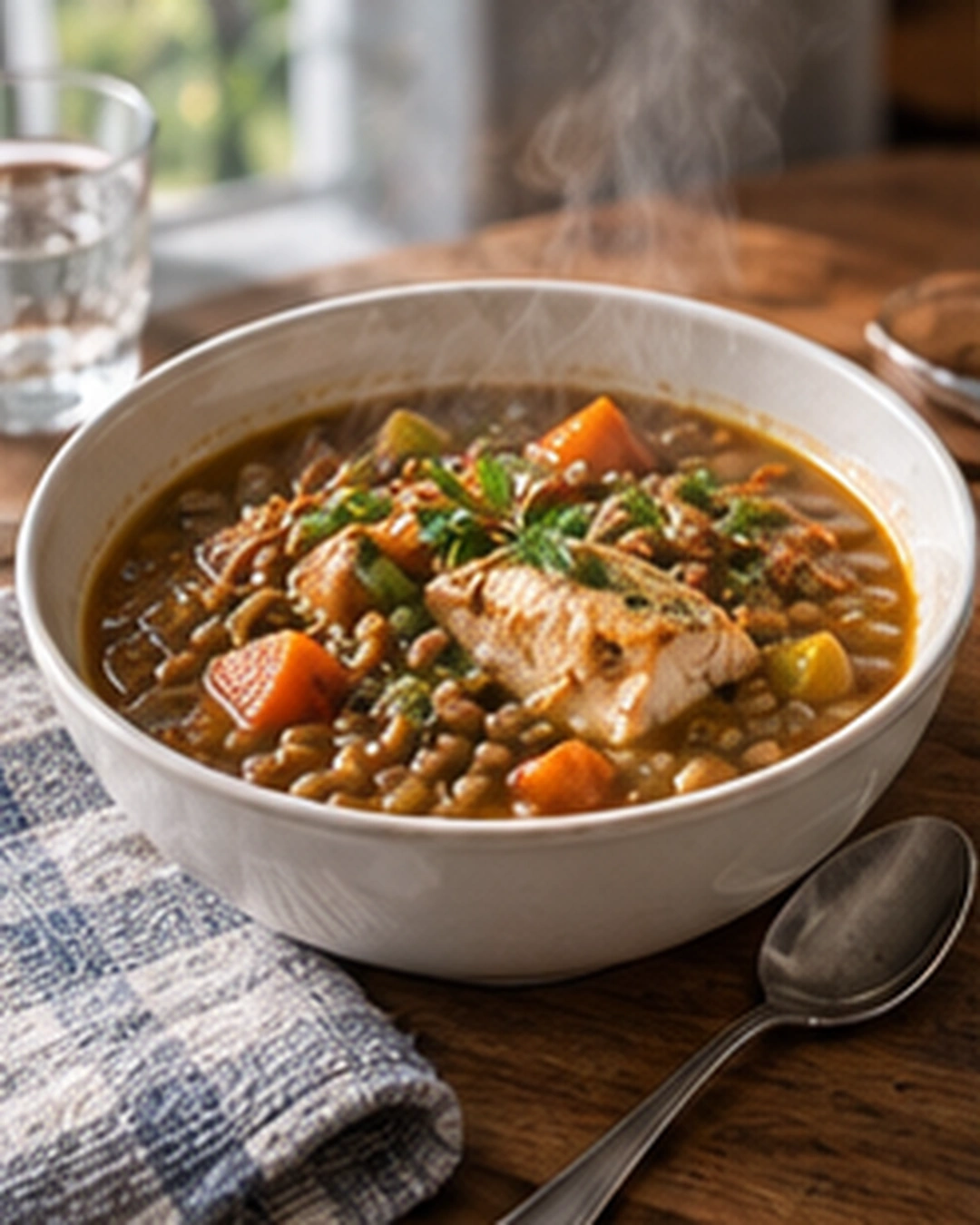
You may have heard that 'protein takes a lot of calories to digest.' In fact, after a meal the body uses more energy for a while, even when you sit still. That extra share has a name: TEF.

In one line
Extra energy used to handle the food you ate
TEF is the extra energy the body uses to handle the food you have just eaten. After a meal, the energy you use while resting rises above the level before the meal. That rise is TEF.

What the name means
'The heat effect of food'
TEF stands for 'Thermic Effect of Food', meaning 'the heat effect of food'. It gets this name because the body gives off more heat while it handles food. The same thing is also called 'diet-induced thermogenesis'.

What the energy is for
Digesting, carrying and storing
After you eat, the body breaks the food into small pieces, takes the nutrients into the body and carries them in the blood. Nutrients that are not needed right away are stored for later. Each of these jobs costs energy, and the total is TEF.
Its place in a day's energy use
The smallest of three parts
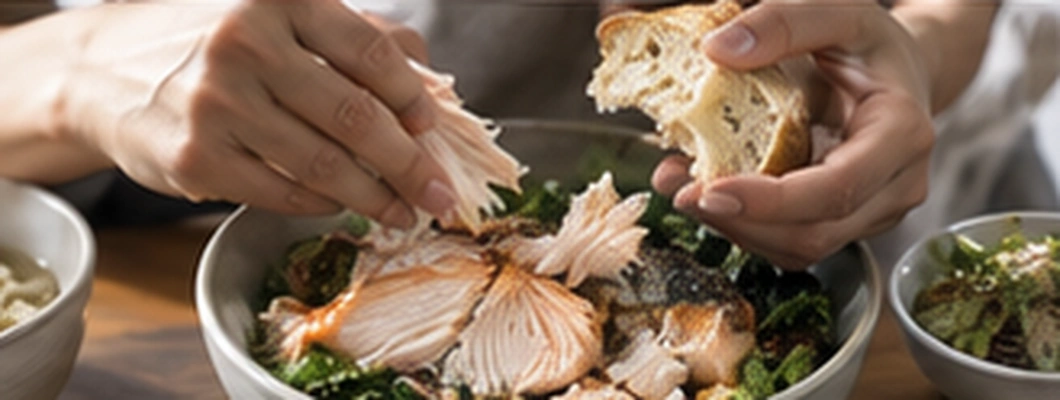
All the energy the body uses in a day (TDEE) splits into three parts: the basal metabolic rate you burn even at rest, TEF for handling food, and the energy used to move. TEF is the smallest of the three.

How big is it
About 10% of the calories you eat
With a normal mixed diet, TEF is about 10% of the calories eaten. If you eat 2,000 kcal a day, about 200 kcal go into handling that food. The more you eat, the larger TEF becomes.
How long it lasts
Several hours after a meal
TEF does not stop as soon as you finish eating; it lasts for several hours. In an experiment with three meals a day, energy use did not fall back to the pre-meal level before the next meal. After dinner it took about 8 hours to return.

How it is measured
Comparing breath before and after a meal
The energy the body uses is calculated from the oxygen breathed in and the carbon dioxide breathed out. After an overnight fast, breath is measured while lying down in the morning, then measured again for several hours after a set meal. The rise after the meal is TEF.
A common myth
Is TEF 10% for every food?
No. The 10% figure is an average for a mix of nutrients. Measured one nutrient at a time, protein uses 20-30% of the calories eaten as protein for TEF, carbohydrate uses far less, and fat uses almost none.
Summary
Energy spent handling food
TEF is the extra energy the body uses after a meal to digest, carry and store the food. Its size depends on the nutrient: largest for protein and smallest for fat. Related terms: TDEE, basal metabolic rate, NEAT (non-exercise activity thermogenesis).
The more you know, the more you grow.PHYSIQUE NEWS