In one line
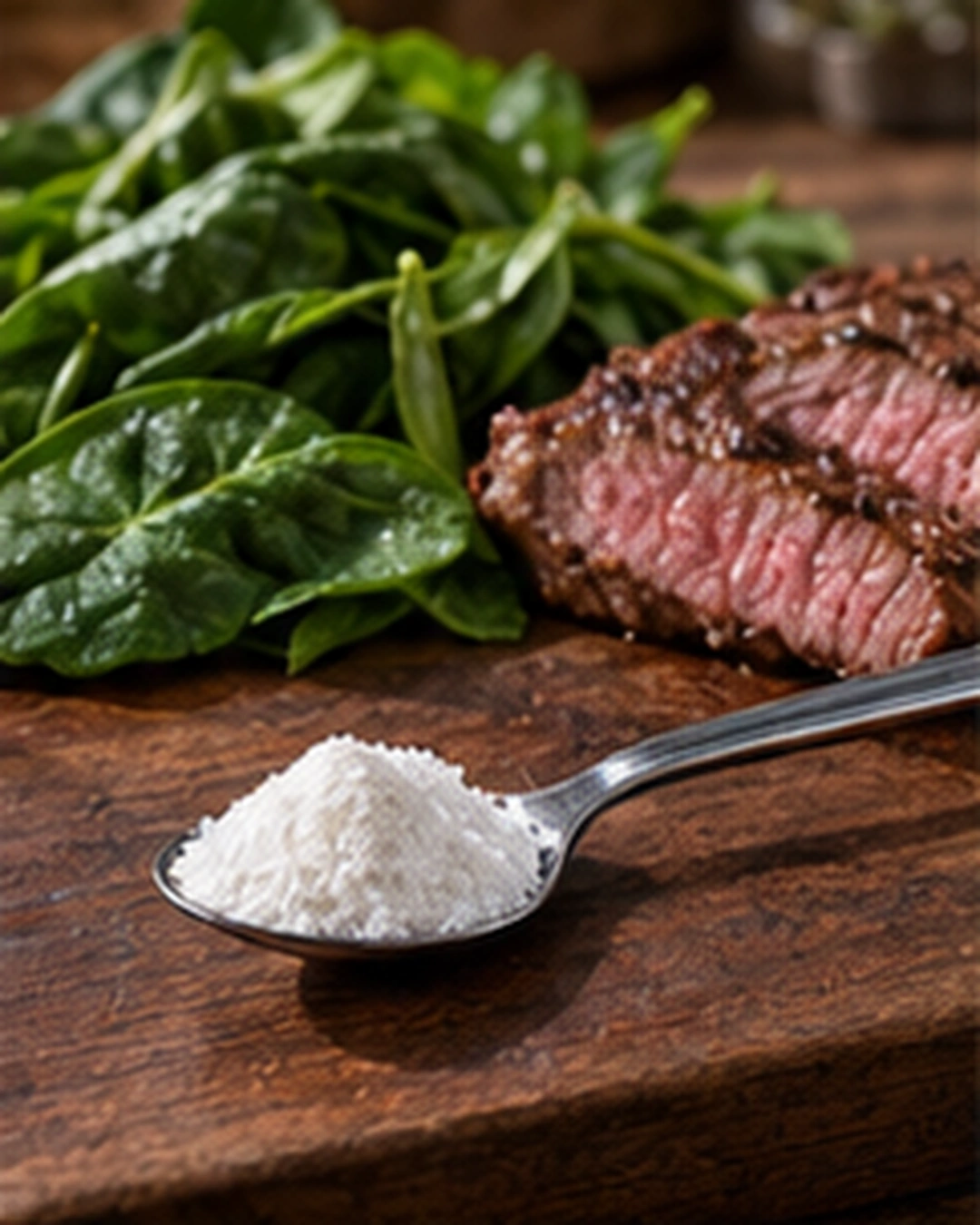
Glutamine is an amino acid the body makes on its own; it is stored mostly in muscle and used as fuel by gut and immune cells.
What is glutamine?
A name seen in supplement aisles and on labels
You often see the name glutamine in the supplement aisle or on protein powder labels. Glutamine is one of the building blocks of protein. Let's go step by step through what it does in the body and what changes when you take it.
In one line
The body's most plentiful amino acid, made by the body itself
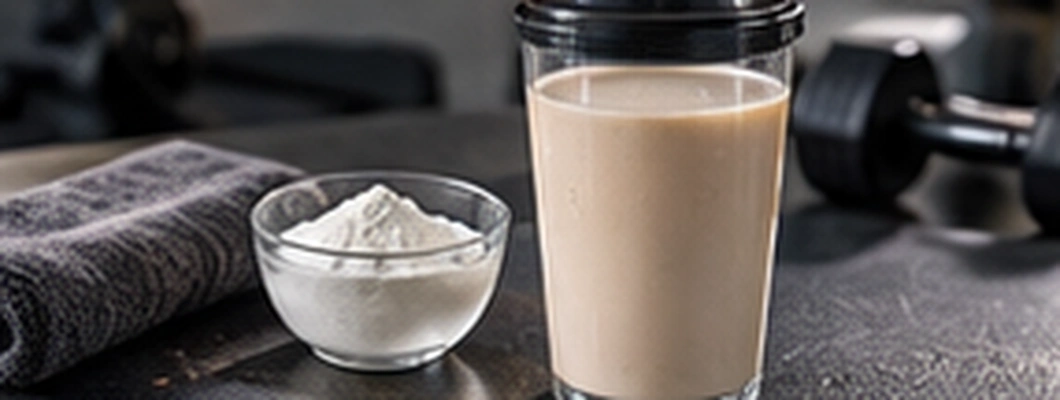
Glutamine is one of the 'amino acids', the building blocks of protein. Your body can make it on its own, and it is the most plentiful of the amino acids floating loose in the body. Most of it is stored in muscle.

First, what are amino acids?
The 20 kinds of beads that make up protein
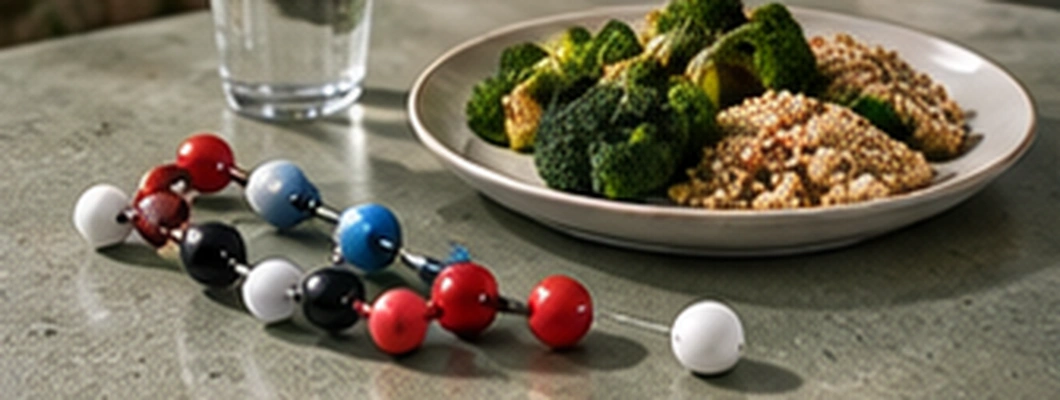
A protein is a long chain of tiny beads called amino acids, and there are 20 kinds of amino acids. Your body cannot make 9 of them, so they must come from food; these are called 'essential amino acids'. Your body can make glutamine, so it is not an essential amino acid.
It is in food too
Found in protein-rich foods
Glutamine is one of the amino acids that make up protein, so it comes along in protein-rich foods. Meat, fish, beans and dairy are examples. That is why people who eat a lot of protein also get a lot of glutamine from food.

Muscle is the glutamine warehouse
About 80% of the body's glutamine is in muscle
About 80% of the glutamine in your body is in muscle. More than half of the amino acids floating loose in muscle are glutamine. Muscle makes and stores glutamine, then releases it into the blood so other organs can use it.

What it does in the body
Fuel for gut and immune cells
Glutamine is used as an energy source by many cells. The cells lining the inside of the gut use a lot of it; for them it is an even more important fuel than glucose. Immune cells, which protect the body from germs, also use a lot of glutamine.

Short supply during serious illness
Hence a 'conditionally essential amino acid'
During major surgery, burns or severe infection, when the body is badly hurt or ill, it uses more glutamine than it can make. It is not essential normally, but at such times it has to be topped up from food or other sources, so it is called a 'conditionally essential amino acid'.

Exercise and glutamine
Blood glutamine drops after hard exercise
During long, hard exercise or periods of heavy training, blood glutamine drops. So people thought taking glutamine would keep immunity from dipping after exercise. But even when taking glutamine kept blood levels steady, it did not stop the changes in immune cells after exercise.

Amounts and safety
No problems even with 20 to 30 g at once
Healthy adults had no problems after taking 20 to 30 g of glutamine at once. In a study where athletes took close to 30 g every day for 2 weeks, no harm was reported either.

Common misconception
It is plentiful in muscle, so does it build muscle?
Because it is the amino acid stored most in muscle, it is easy to think taking it makes muscles grow more. But people who took glutamine during strength training and people who took a fake powder did not differ in how much their strength and muscle grew. The various reasons for healthy people to take glutamine found little support in well-designed studies.
Summary
A fuel amino acid stored in muscle
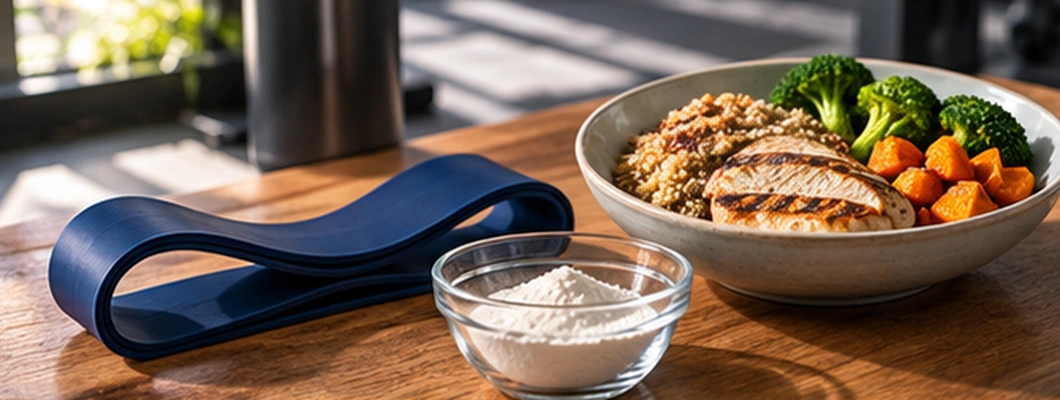
Glutamine is an amino acid the body makes on its own; it is stored mostly in muscle and used as fuel by gut and immune cells. Taken with strength training, it did not change how much strength and muscle grew compared with a fake powder. Related terms: amino acids, EAAs (essential amino acids), BCAAs

The more you know, the more you grow.PHYSIQUE NEWS