In one line
Casein is the part of milk protein that becomes cheese; it clumps in the stomach, so it is digested slowly and absorbed over a long time.
What is casein?
The truth about the 'slow-digesting protein'
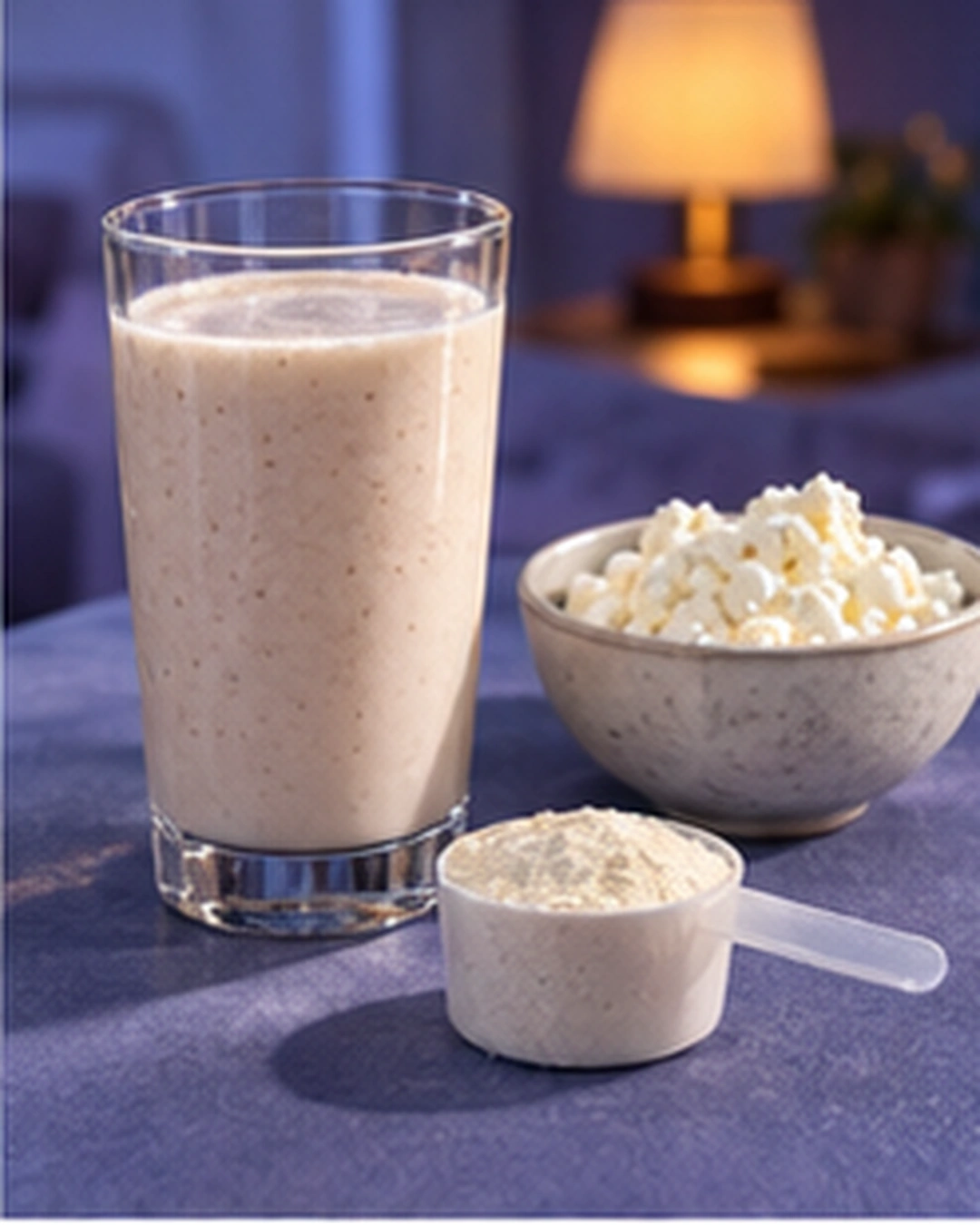
You often see the name casein on protein powder tubs or hear it as 'the protein to take before bed'. Casein is a protein that comes from milk. Let's go step by step, starting from milk, to see why it is called a 'slow-digesting protein'.

In one line
The part of milk protein that becomes cheese
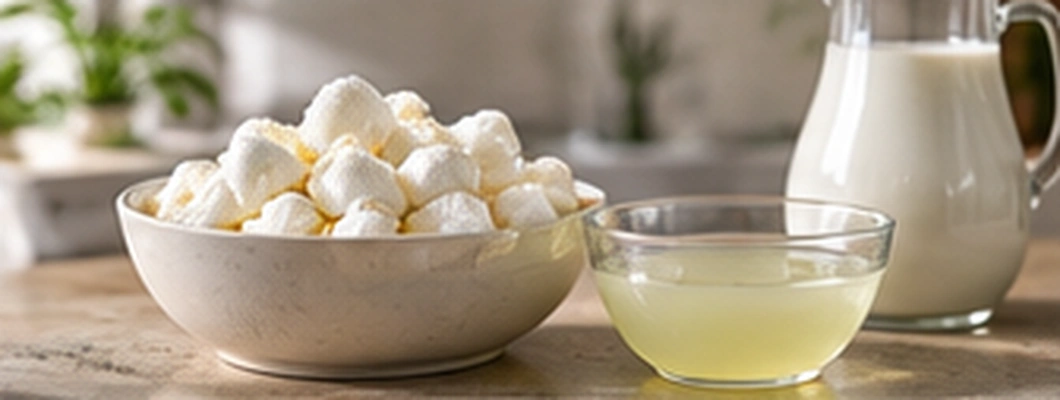
Milk contains two groups of proteins that behave differently. The one that clumps together into lumps when cheese is made is casein. Casein also clumps inside the human stomach, so it is digested slowly.

First, what is protein?
A chain of tiny 'amino acid' beads
A protein is a long chain of hundreds to thousands of tiny beads called 'amino acids'. When you digest protein, it is cut into amino acids, and your body links these amino acids again to build its own proteins. Building new protein this way is called 'synthesis'.

Most of milk protein
About 8 g out of every 10 g is casein
Out of every 10 g of milk protein, about 8 g is casein. The other 2 g or so is 'whey' protein. Whey is the liquid left after the lumps are taken out during cheese making, and the clear liquid that collects on top of yogurt is whey too.
It clumps when it meets acid
Why yogurt sets
The bacteria that make yogurt feed on the sugar in milk and make acid, the sour-tasting part. As the acid builds up, casein sets into lumps. Whey protein does not set and comes out with the liquid.

It clumps in the stomach too
So it leaves the stomach slowly
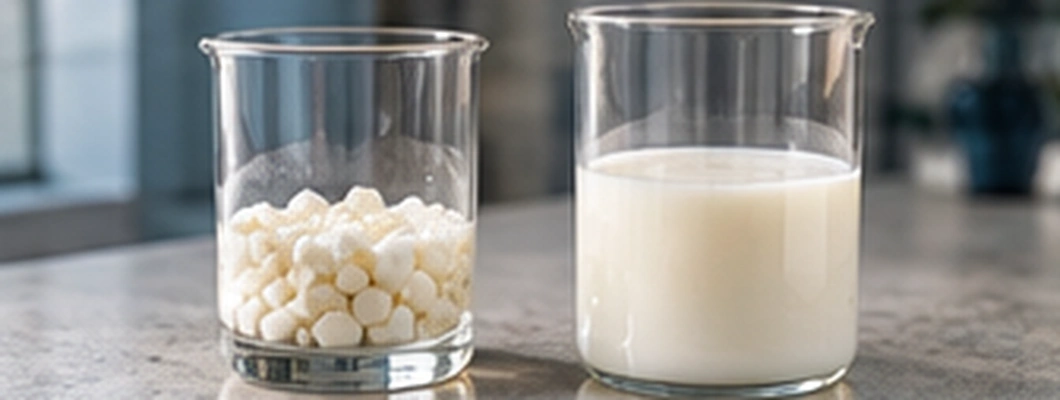
In the stomach, stomach acid and digestive juices start to digest protein. Casein does not mix well with water and clumps into lumps in the stomach, so it leaves the stomach slowly. Whey protein mixes easily with water, does not clump, and is digested much faster.
Absorption lasts longer too
Blood amino acids stayed up past 5 hours
'Absorption' means digested nutrients moving from the gut into the blood. After whey, amino acids in the blood rose sharply within less than 2 hours and were back to normal by 5 hours. After casein, they rose slowly and only a little, and were still above normal after 5 hours.

Hence 'protein before bed'
It was digested and absorbed during sleep
Because it is absorbed over a long time, casein has been studied a lot as a protein to take before bed. When people took casein right before sleep, it was digested and absorbed well while they slept, and blood amino acids stayed high all night. Studies used 30 to 40 g before bed.

Casein on supplement labels
'Micellar casein' and 'caseinates'
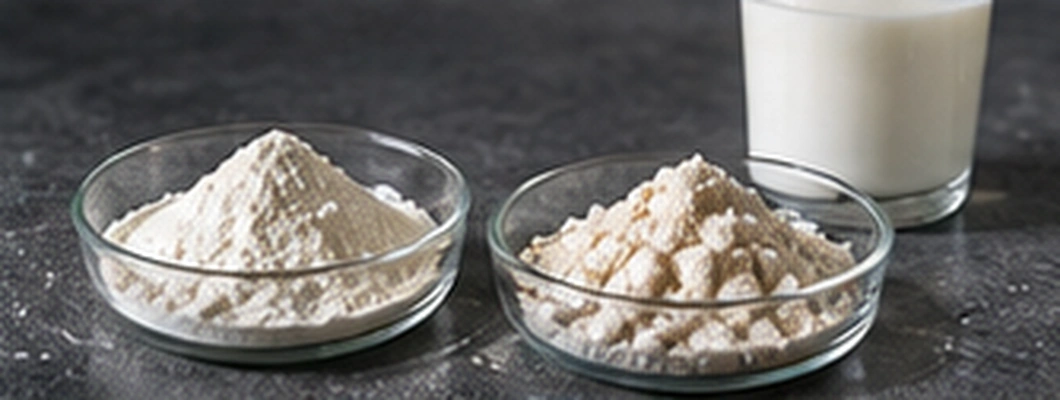
Micellar casein is casein collected from milk in its natural shape. 'Caseinates' such as sodium caseinate and calcium caseinate are processed so their shape changes. The shape changes how much casein clumps in the stomach: sodium caseinate raised blood amino acids higher than micellar casein.
Common misconception
Does casein before bed turn into fat?
This worry comes from the saying that eating late at night makes you gain fat. When men with obesity took casein before bed, how much fat the body pulled out to use overnight did not differ from a night with a no-calorie fake drink. People who kept up their training did not gain body fat, whether they took casein before bed or in the morning.
Summary
The slow-digesting milk protein
Casein makes up most of milk protein; it clumps in the stomach, is digested slowly and is absorbed over a long time. People who kept training did not gain body fat when they took it before bed. Related terms: whey protein, EAAs (essential amino acids), amino acids
The more you know, the more you grow.PHYSIQUE NEWS