In one line
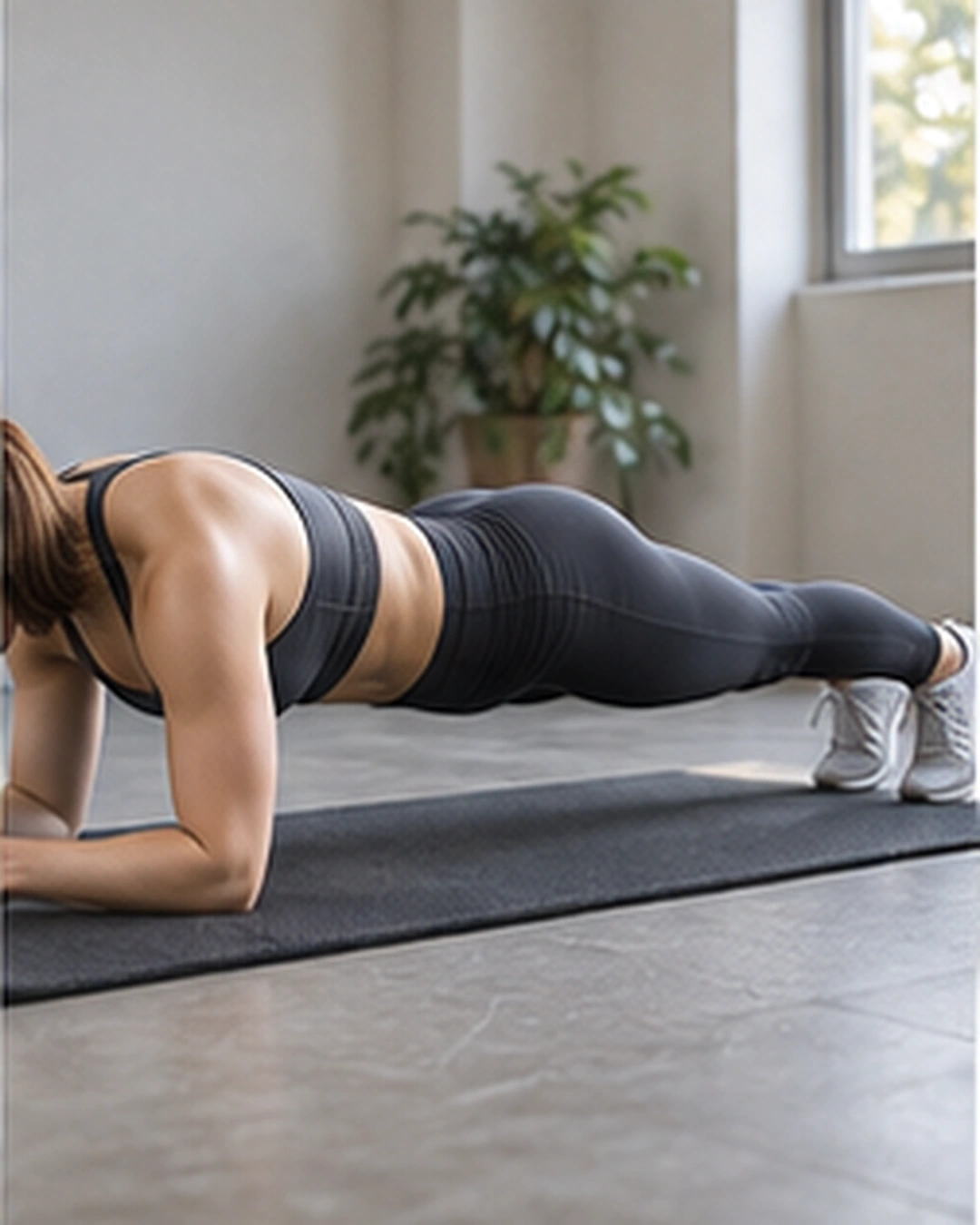
A plank is an exercise where you lie face down, hold your body up on your forearms and toes in a straight line, and mainly work the abdominal muscles.
What is a plank?
The exercise of holding your body straight, face down
On gym mats you often see people lying face down, lifting their body off the floor in a straight line and holding it. You also often hear the phrase 'hold a plank'. This post explains what the plank is and which muscles it uses.
In one line
A straight body on forearms and toes
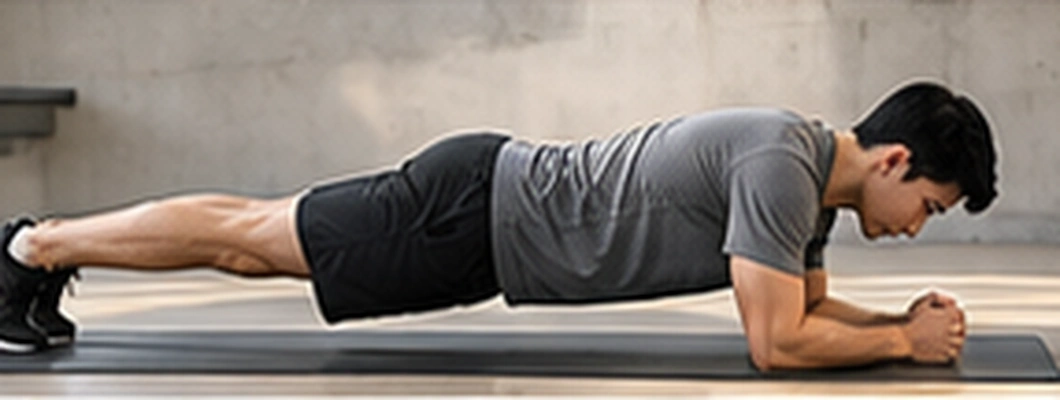
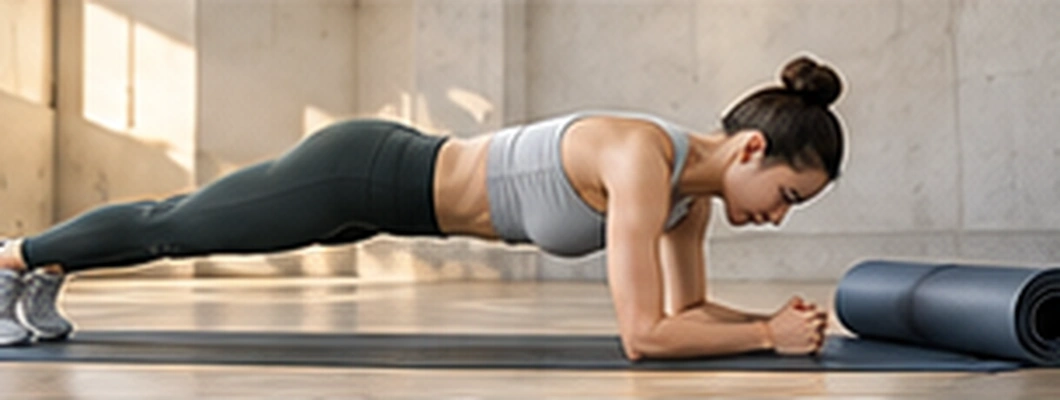
A plank is an exercise where you lie face down, hold your body up on your forearms (elbow to hand) and toes, and keep a straight line from shoulders to ankles. There is also a version with the arms straight and the palms on the floor. The Korean dictionary describes the plank as the most basic of the core exercises.
Holding, not moving
Measured in seconds, not reps
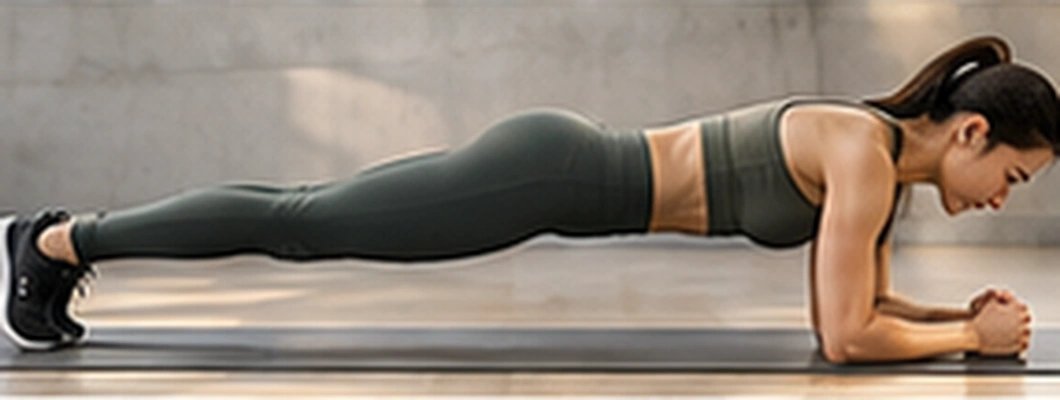
Most strength exercises lift and lower a weight, but the plank holds one position without moving the joints. The muscles produce force without changing the angle of the joints. That is why the plank is measured by how many seconds you hold it, not how many times you do it.
What 'core' means
Muscles that support the center of the body
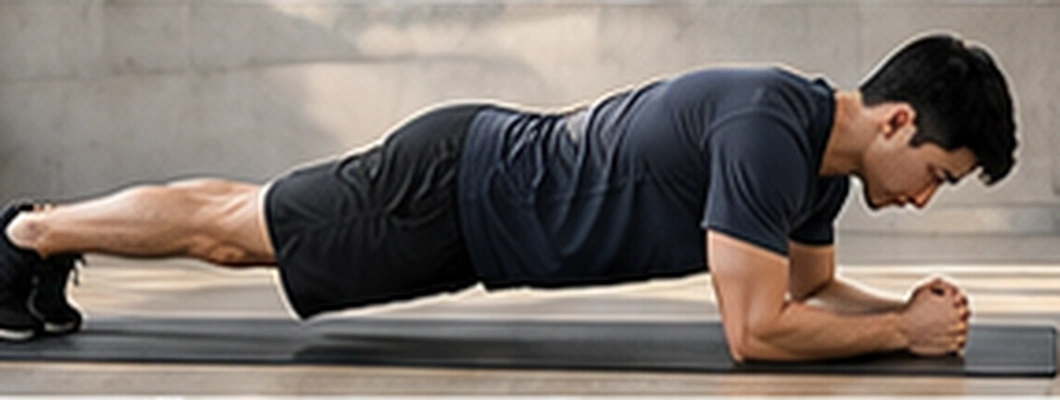
The plank is a typical 'core exercise'. Core muscles are the muscles that support the center of the body: the spine, the pelvis and the belly. They include the muscles over the front and sides of the belly, and the lower back muscles running along the spine.
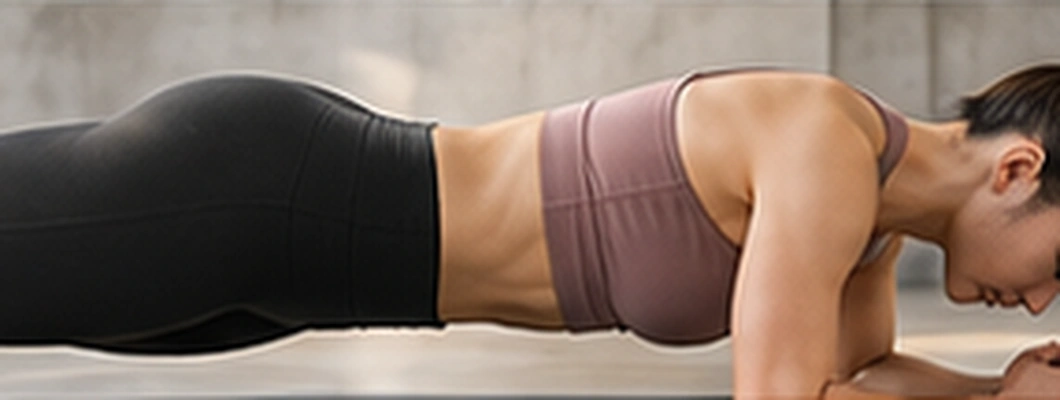
Main muscle 1
The rectus abdominis, down the middle of the belly
The rectus abdominis is the long muscle running up and down the middle of the belly. It bends the spine forward. When the small electrical signal that muscles give off (EMG) was measured, the front plank used the rectus abdominis more than two kinds of barbell squats.
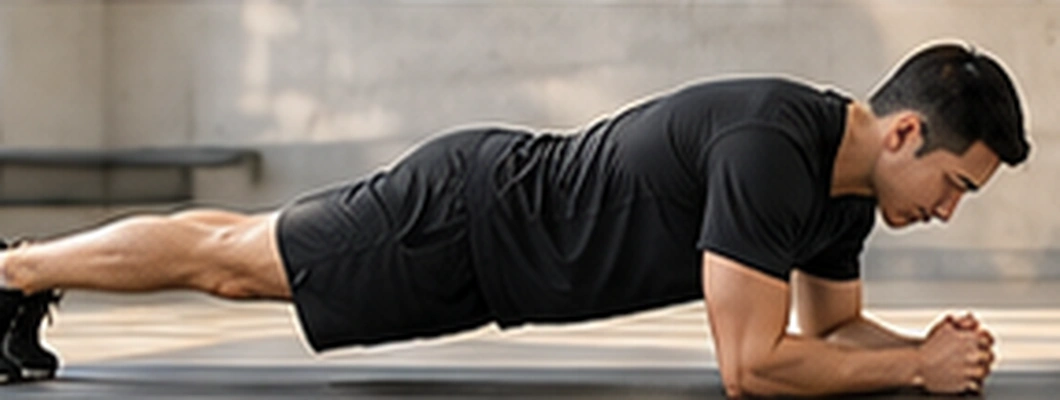
Main muscle 2
The external and internal obliques at the sides
The sides of the belly have three layers of muscle wrapping around it. The outermost layer is the external oblique and the next layer in is the internal oblique; they twist the trunk and bend it to the side. The front plank worked the external oblique hard, more than barbell squats did.

Position changes it
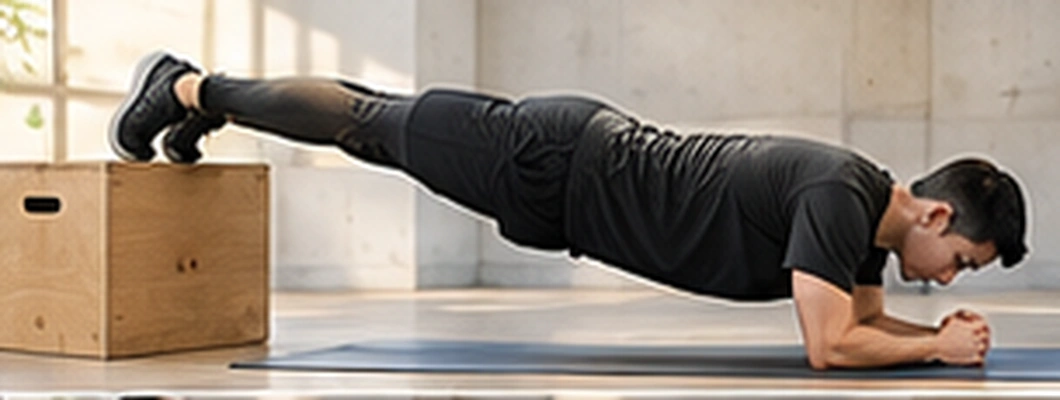
The same plank can work the abs harder
Even in the same plank, small changes in position changed how hard the abdominal muscles worked. Tilting the pelvis back, as if tucking the buttocks under slightly, or putting the feet up on something high made the abdominal muscles work harder than in a regular plank.
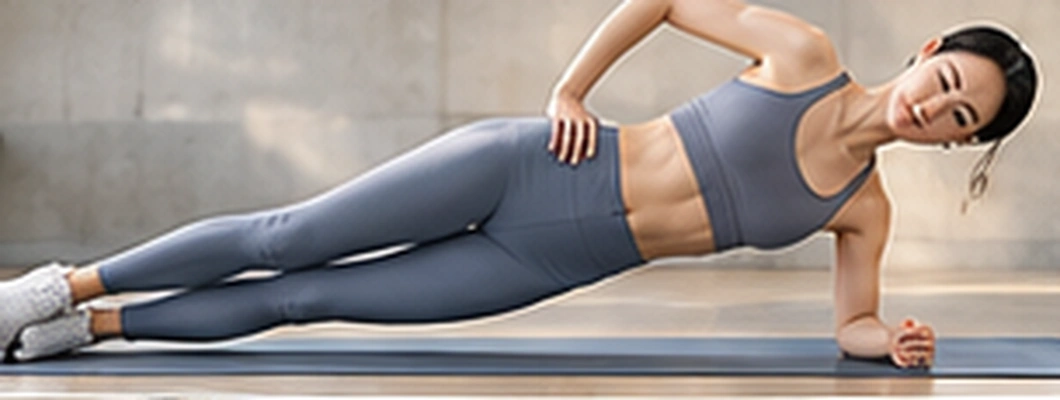
Holding on your side
The side plank
If you lie on your side, hold up your upper body on one elbow and forearm, and lift your hips so your body is straight from ankles to shoulders, it is a 'side plank'. In this position, the external oblique at the side of the belly and the gluteus medius, which moves the leg out to the side from the side of the hip, worked hard.
A common misconception
Does the plank work the lower back hard?
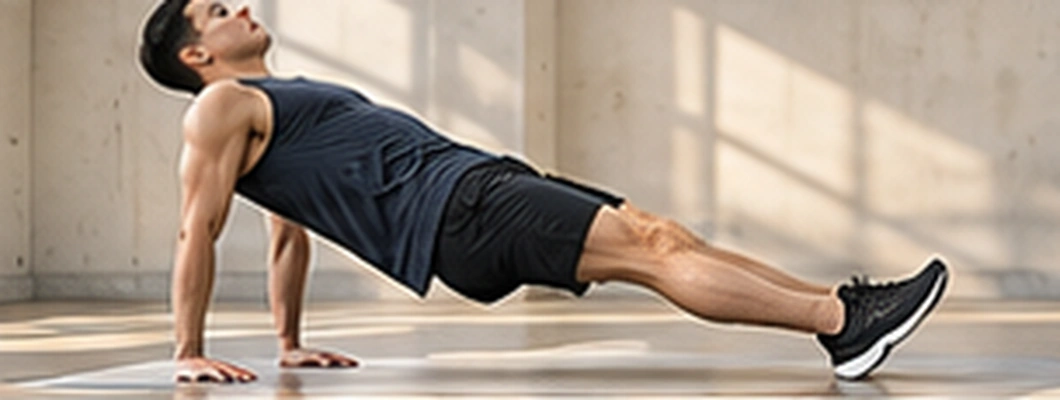
It is often said that the plank works the lower back muscles hard. But in a study of regularly active people holding a front plank for 30 seconds, the lower back muscles' signal was under 10% of that when arching the back as hard as possible. The lower back muscles worked much harder in a 'reverse plank', lying face up with the body lifted. However, people who had never trained used their lower back muscles more than people who had.
Summary
Hold a straight line and use the abs
A plank is an exercise where you lie face down, hold your body up on your forearms and toes, and keep a straight line; it mainly works the muscles at the front and sides of the belly. When regularly active people held a front plank for 30 seconds, the lower back muscles worked little. Related terms: core muscles, side plank, Valsalva breathing.
The more you know, the more you grow.PHYSIQUE NEWS