In one line
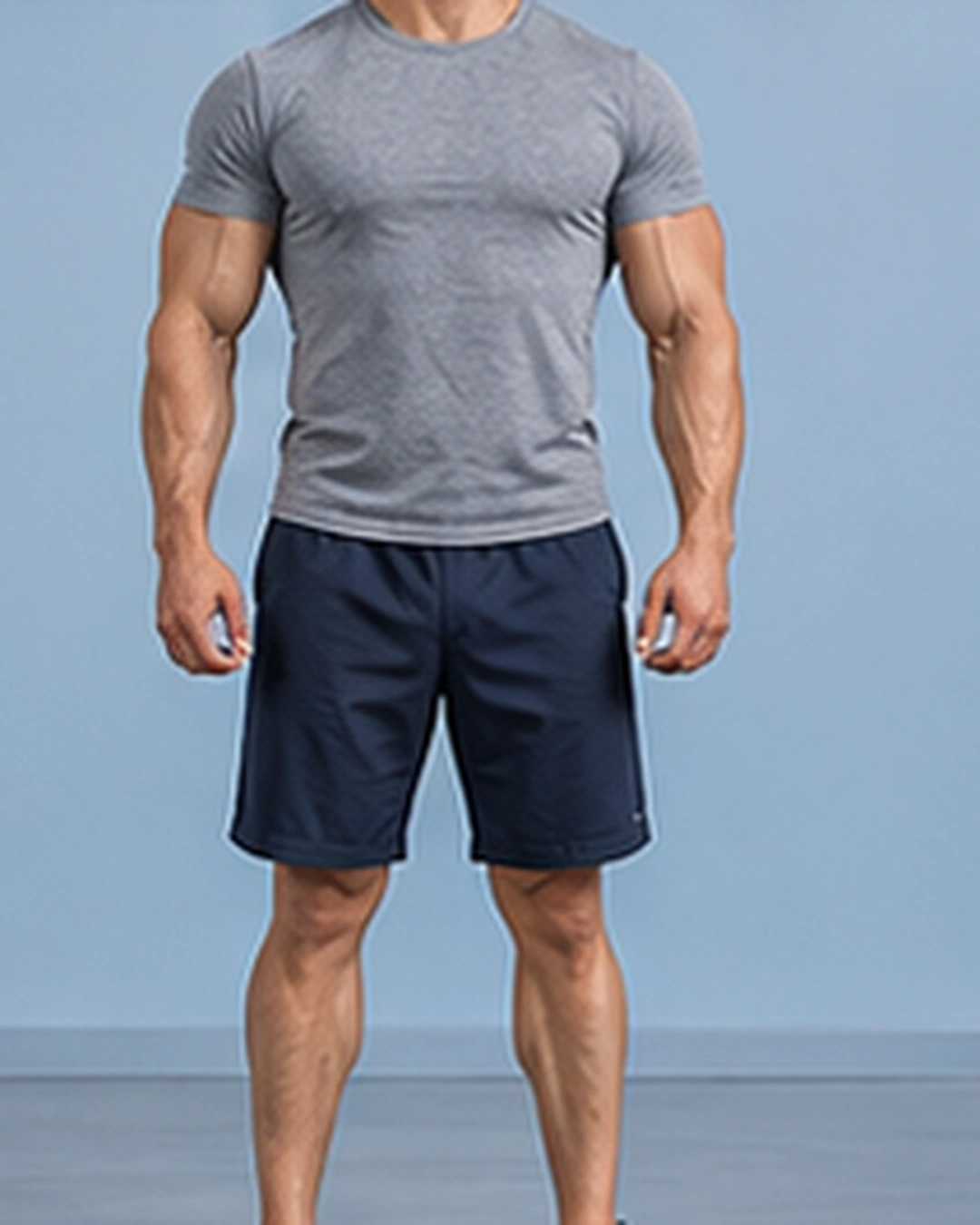
Symmetry is how evenly the left and right sides of the body are developed, and proportion is how well the lengths and widths of body parts fit each other.
What are symmetry and proportion?
What judges look at besides size
Bodybuilding contest rules say that judges look at 'symmetry' and 'proportion' along with muscle size. Here is what each of these two words looks at on the body.

In one line
Are the sides even, and do the parts fit?
Symmetry is how evenly the left and right sides of the body are developed. Proportion is how well body parts fit each other in length and width, such as the legs and upper body, or the shoulders and waist.
Background: symmetry
The same shape on both sides of a center line
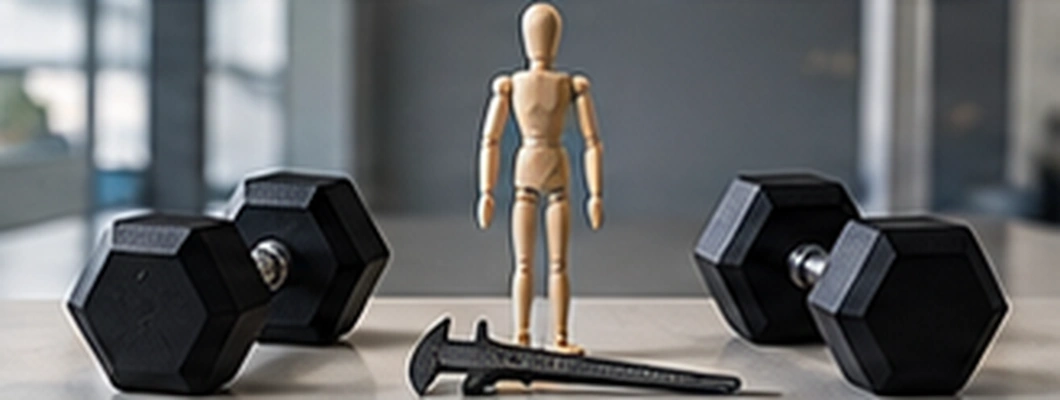
In the Korean dictionary, symmetry means placing things the same above and below, or left and right, of a center line for balance. On the body, it means checking whether the left and right arms and the left and right legs match on either side of a vertical center line. The International Fitness and Bodybuilding Federation (IFBB) rules list a 'symmetrically developed' body as a judging standard.
Background: proportion
How the whole and its parts relate
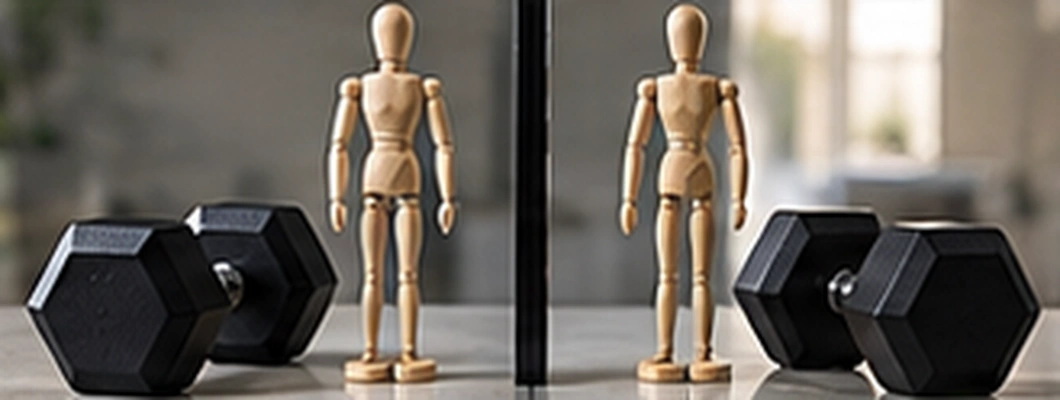
The Korean word 'peuroposyeon' is the English 'proportion' written in Korean letters. In the Korean dictionary it means the ratio between the whole body and its parts, or between parts. How long the legs are compared with the upper body, or how narrow the waist is compared with the shoulders, are both proportion.
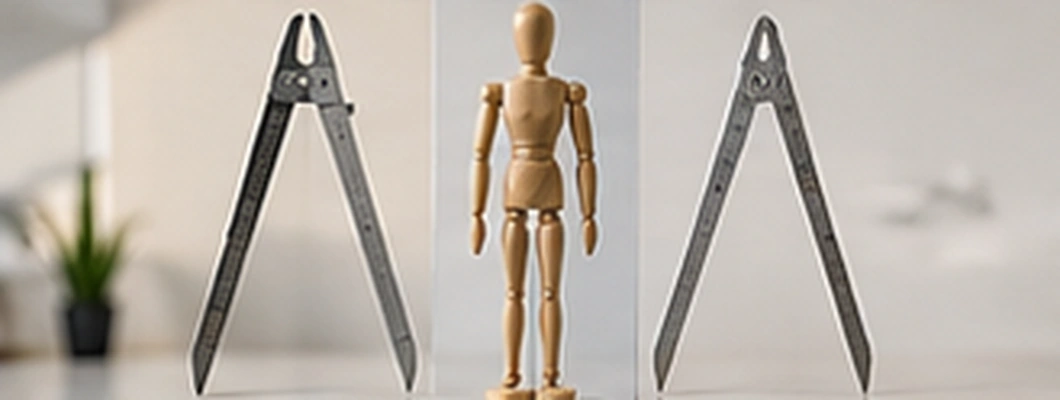
Vertical proportion
Leg length and upper body length
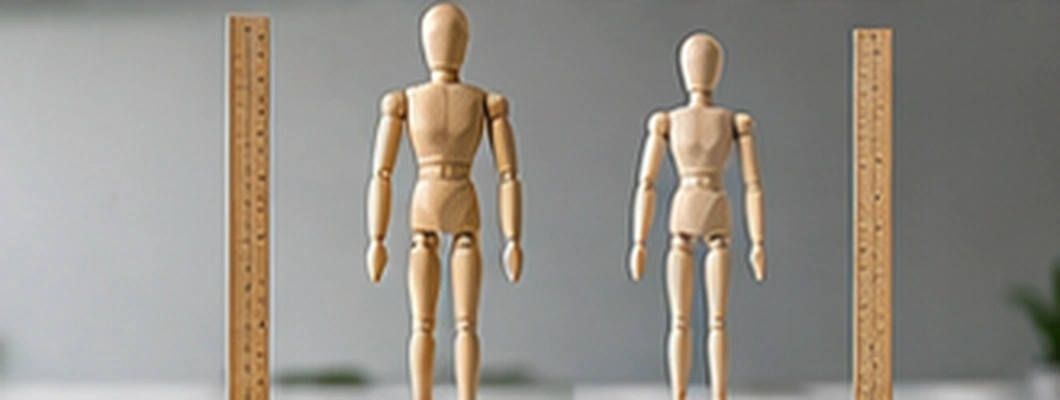
The IFBB men's physique and bikini rules split proportion into vertical and horizontal. Vertical proportion is the relation between leg length and upper body length. Both sets of rules call it one of the key factors in judging.
Horizontal proportion
Shoulder width versus waist and hip width
Horizontal proportion looks at how wide the waist and hips are compared with the shoulders. The IFBB men's bodybuilding rules list broad shoulders as part of a good physique. Judges also look for a V-shaped upper body that narrows from the shoulders to the waist when the back is spread wide.
Each division wants different proportions
Wellness favors bigger hips and thighs
The IFBB wellness rules say that, for horizontal proportion, a body with slightly bigger hips and thighs is favored. So what counts as 'good proportion' differs from division to division.
When is it judged?
The whole body from the first round
The IFBB bodybuilding, men's physique, bikini and wellness rules all say that judges assess proportion and symmetry of the whole body from the first, elimination round. When competitors with similar muscles are hard to separate, judges also look at differences such as posture and the proportion of the limbs and trunk.

What training can change
Muscle size and fat
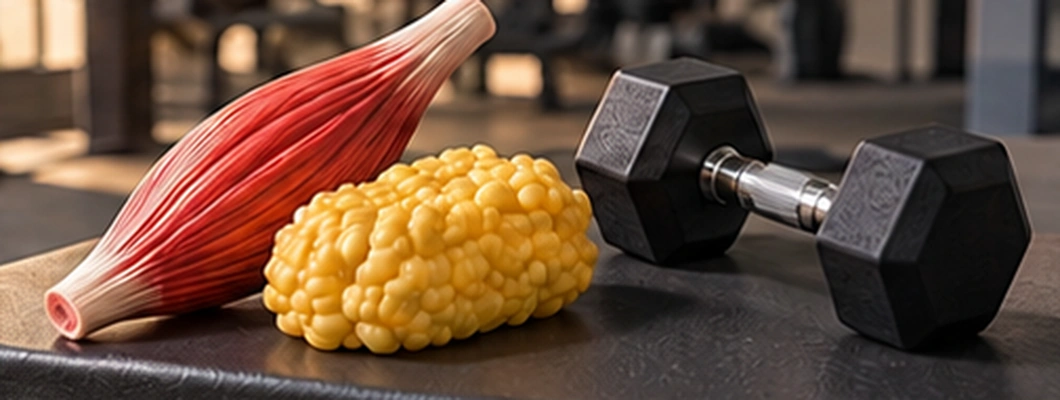
Muscles are made of long, thin cells called 'muscle fibers'. Weight training makes these fibers thicker, so muscles get bigger. During contest preparation, competitors also lose a lot of body fat. So building the shoulder muscles and losing fat at the waist changes the relation between shoulder and waist width, that is, horizontal proportion.
A common misunderstanding
Can training change all of your proportions?
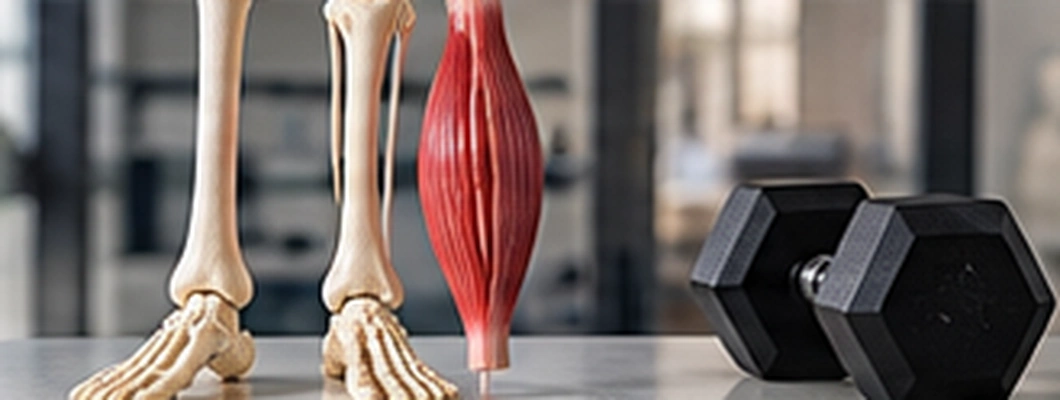
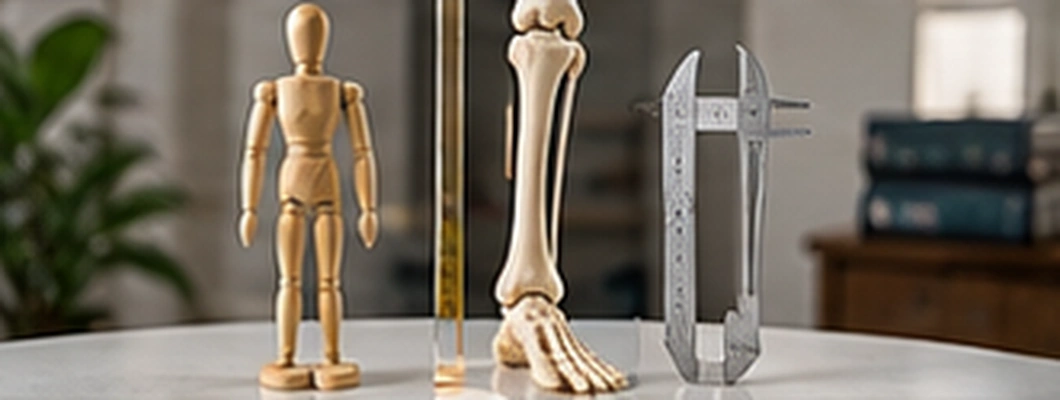
No. The length of the legs and upper body is set by bone length. Bones stop getting longer once the 'growth plates', the parts near the ends of bones that make them grow in length, close at the end of the growing years. What training changes is the muscle and fat on top of that frame.
Summary
Are the sides even, and do the parts fit?
Symmetry is how evenly the left and right sides of the body are developed, and proportion is how well body parts fit each other in length and width. After the growing years end, the parts of proportion set by bone length cannot be changed by training. Related terms: mandatory poses, conditioning, wellness division.
The more you know, the more you grow.PHYSIQUE NEWS