In one line
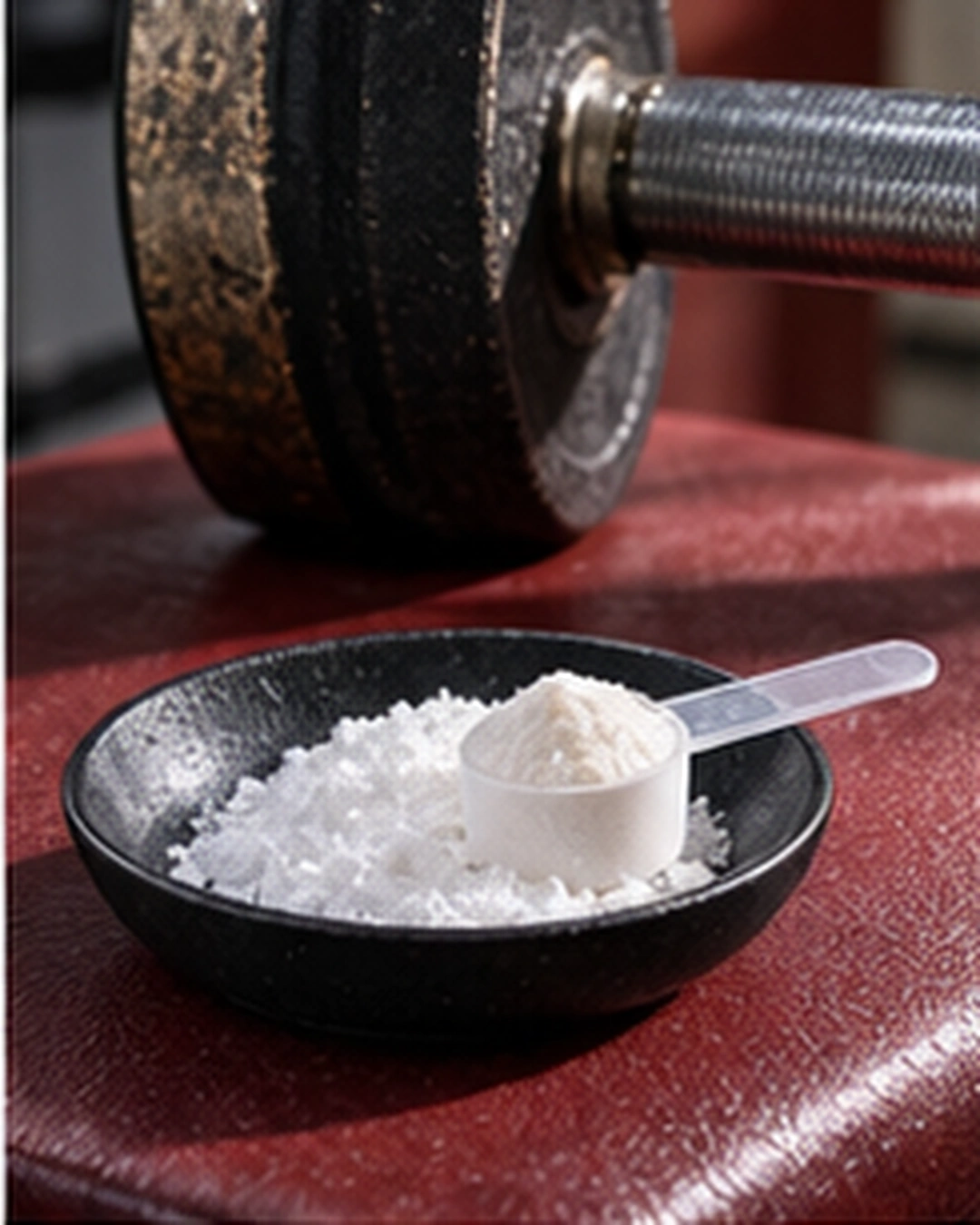
Creatine is a substance that helps muscles quickly refill the energy they use during short, hard efforts.
What is creatine?
A name you often see on supplement tubs
At the gym you often hear "Are you taking creatine?" Stores sell it as a tub of white powder. But creatine is something your body already has, mostly inside your muscles.
In short
A substance that quickly refills muscle energy
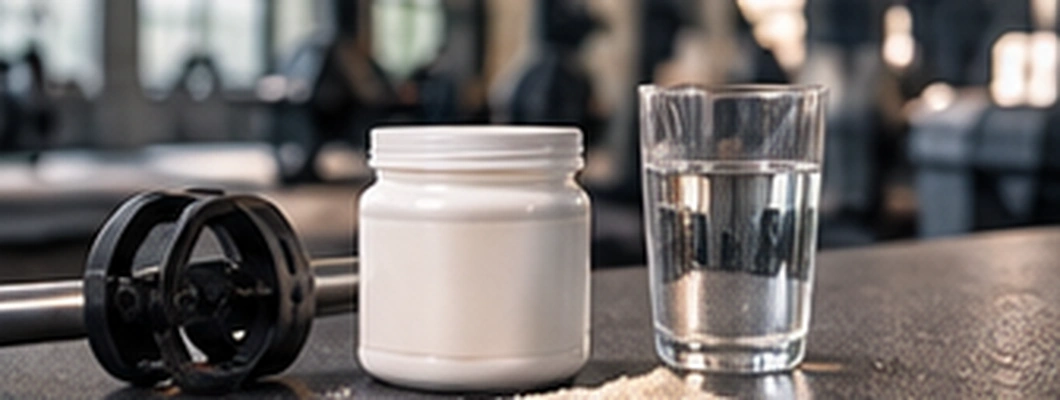
Creatine is a substance the body makes on its own, and it is also found in meat and fish. About 95% of the body's creatine is in muscle. Its job is to refill energy very fast when a muscle works hard for a short time.

First, what is ATP?
The 'charged battery' muscles use directly
Muscles move by taking energy from a tiny molecule called ATP. ATP has 3 phosphates (small pieces that contain the element phosphorus) lined up, and energy comes out when the last one breaks off. What is left, with 2 pieces, is called ADP: a used-up battery. Muscle holds only a few seconds' worth of ATP, so it has to be refilled all the time.

What is phosphocreatine?
Creatine with a phosphate attached: the 'backup battery'
Creatine with one phosphate piece attached is called phosphocreatine. About 2 in 3 parts (two-thirds) of muscle creatine is stored in this form. While resting, muscle takes phosphate pieces from spare ATP and attaches them to creatine, building up phosphocreatine ahead of time.

What it does in the body
It recharges the used battery right away
When a muscle starts working hard, phosphocreatine hands its phosphate piece to ADP. ADP turns back into ATP right away, and phosphocreatine turns back into creatine. Muscle has three ways to refill ATP, and this one is the fastest.

Used for short, hard efforts
Phosphocreatine runs low fast and refills with rest
The shorter and harder the effort, lasting just seconds, the bigger the share phosphocreatine supplies. After about 30 seconds of all-out cycling, most of the phosphocreatine is used up. When exercise stops, muscle uses oxygen to make ATP, and uses that ATP to refill phosphocreatine.

The body makes it
The liver and kidneys build it from 3 amino acids
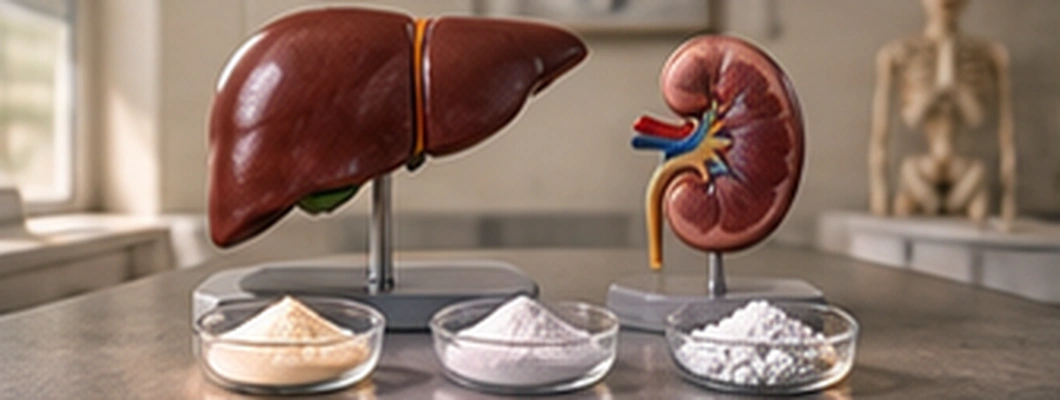
Each day the body replaces about 1-3 g of creatine, and makes about half of that itself. The raw material is amino acids. Amino acids are small pieces that link together in chains to form protein. The liver and kidneys use three amino acids, arginine, glycine and methionine, to make creatine.
It also comes from food
Found in meat and fish, almost none in vegetarian diets
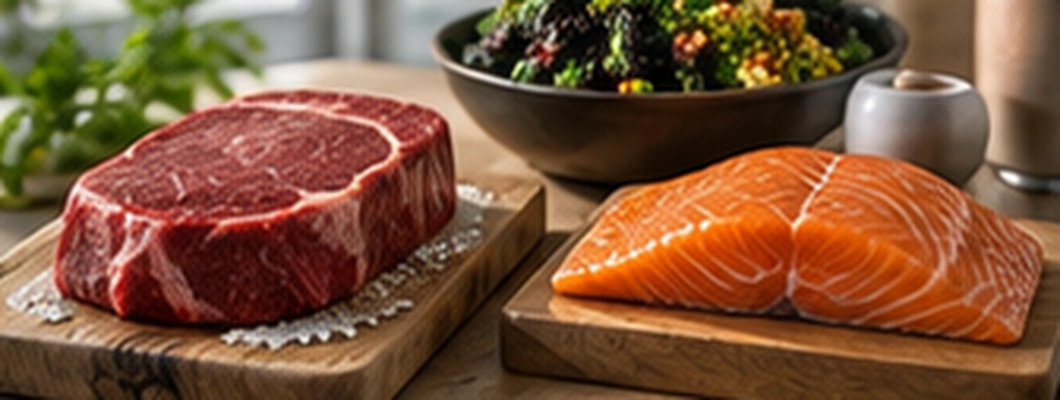
The other half comes from food. About 450 g of raw beef or salmon holds 1-2 g of creatine. Vegetarian diets contain almost no creatine, so vegetarians have less creatine in their muscles.
Creatine supplements
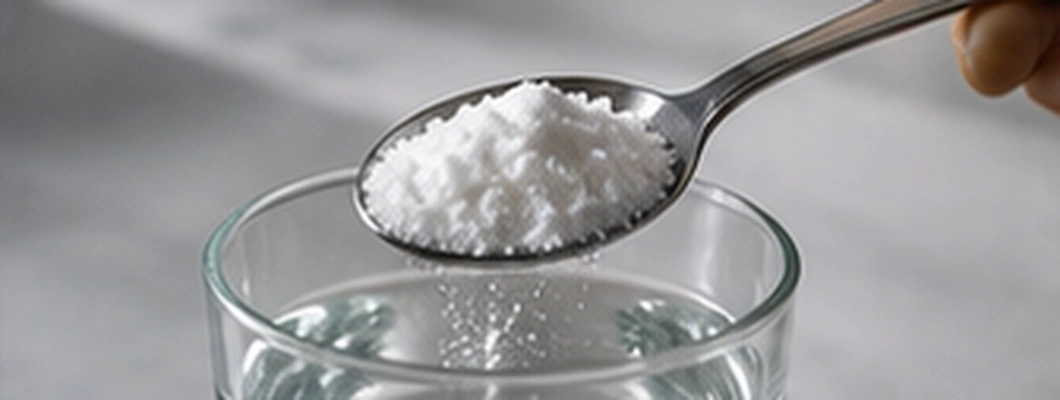
The white powder is creatine with water attached
The most used and most studied supplement form is creatine monohydrate. The name means creatine with one water molecule attached. Taking a small amount every day raises muscle creatine and phosphocreatine by 20-40% over a few weeks, but muscle can only hold so much, so it does not keep rising.
A word that gets mixed up: creatinine
Waste formed when creatine changes on its own
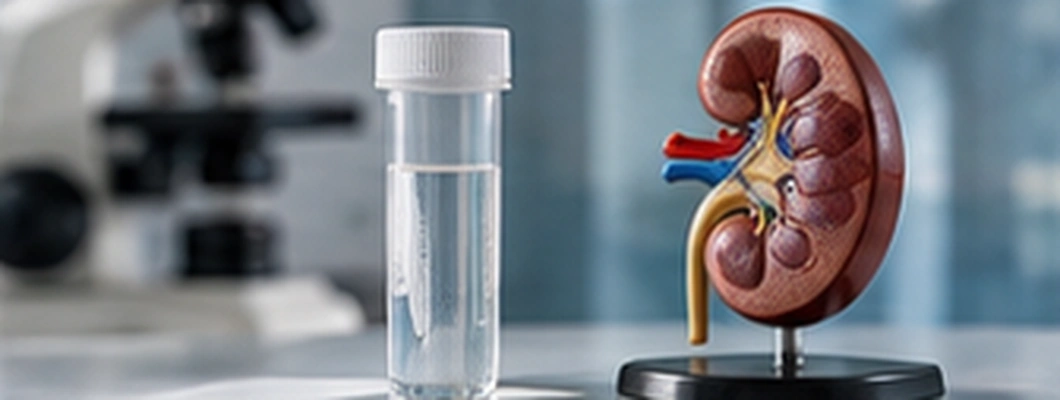
Each day about 1-2% of muscle creatine changes shape on its own and becomes creatinine. Creatinine is waste the body does not use, so the kidneys filter it out of the blood and send it out in urine. This daily loss is why the body has to replace creatine every day.
A common mix-up
If creatinine goes up, are the kidneys getting worse?
When kidneys are weak, creatinine cannot leave and builds up in the blood, so doctors use this number to check the kidneys. But eating meat or taking creatine supplements raises creatinine by itself. So a rise while taking creatine is not, on its own, read as a sign that the kidneys are getting worse.

Summary
A substance that quickly refills muscle energy
Creatine is stored in muscle as phosphocreatine and turns used-up ADP back into ATP right away during short, hard efforts. Taking creatine raises creatinine levels too, but that alone does not mean the kidneys are getting worse. Related terms: ATP, creatinine, amino acids.

The more you know, the more you grow.PHYSIQUE NEWS