In one line
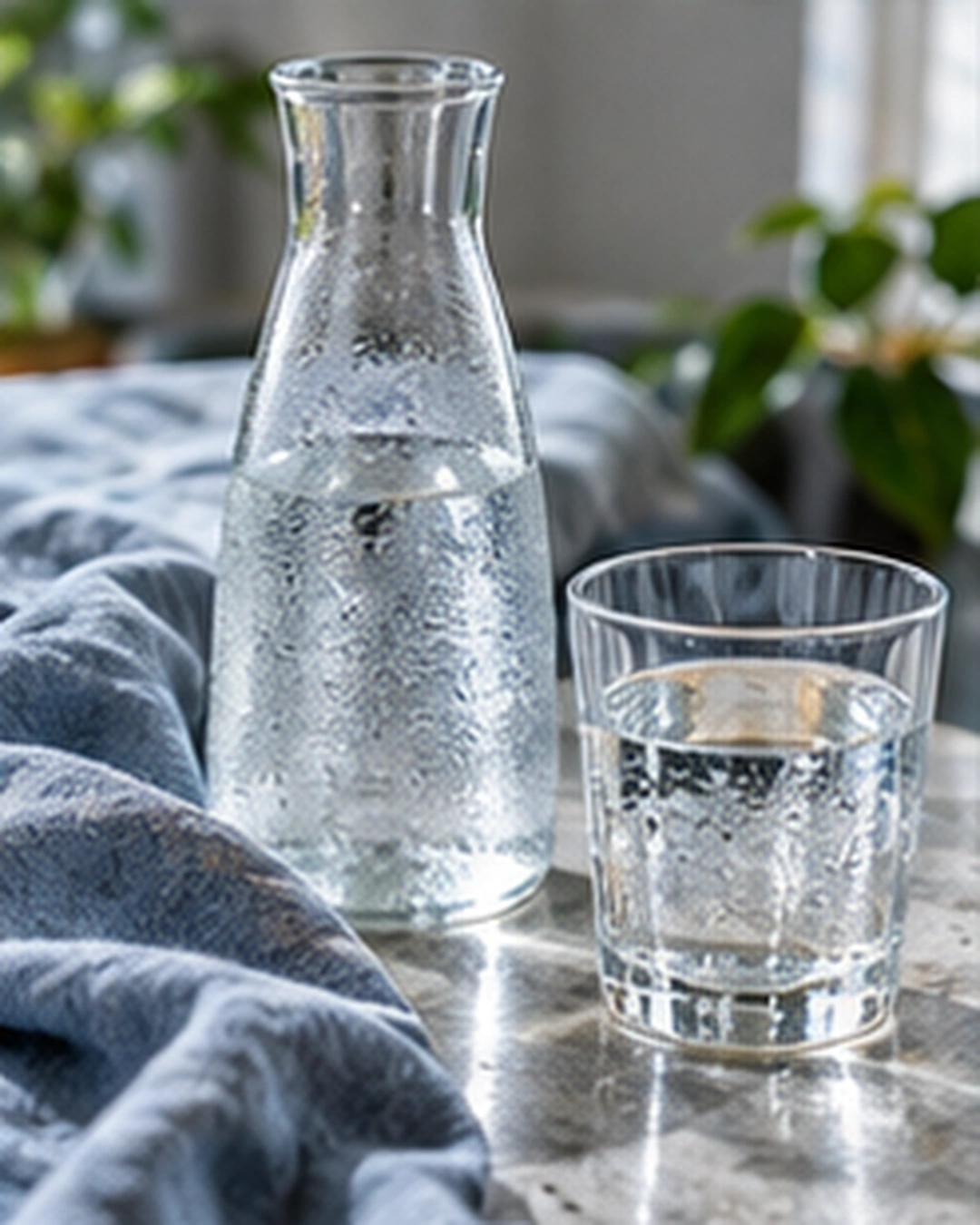
Water intake is how the body refills the water it loses each day, from plain water, other drinks, and the water in food.
What is water intake?
Why people keep counting glasses of water
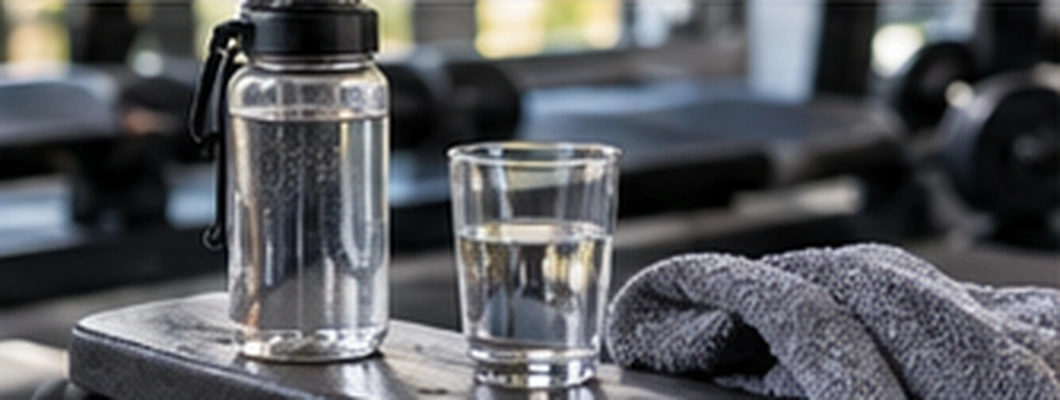
At the gym, many people carry a water bottle, and you often hear "drink 8 glasses of water a day." Why does the body need water every day? And what counts as "water intake"?
In short
Refilling the water the body loses
Water intake is how water gets into the body: plain water, drinks like milk, coffee and tea, and the water inside food. The body loses water all day long. When water in and water out match, the amount of water in the body stays steady.

More than half of you is water
About 50-60% of an adult's weight
About 50-60% of an adult's body weight is water, more than half. Newborn babies have a higher share, and it drops in old age. Most of the weight of muscle is water, too.

What water does
Keeps body temperature steady and cushions the body
The body cools itself by sweating, which keeps body temperature steady. Water helps joints move smoothly and cushions sensitive tissue such as the spinal cord. It also helps food move along the gut, which prevents constipation.

How water leaves
Urine, sweat, breath and stool
An adult usually takes in about 2.5 L of water a day and loses about the same amount. The biggest share leaves as urine, about 1.5 L a day on average. The rest leaves through sweat, quiet evaporation from the skin, breath, and stool.

Where it comes from
About 80% from drinks, about 20% from food
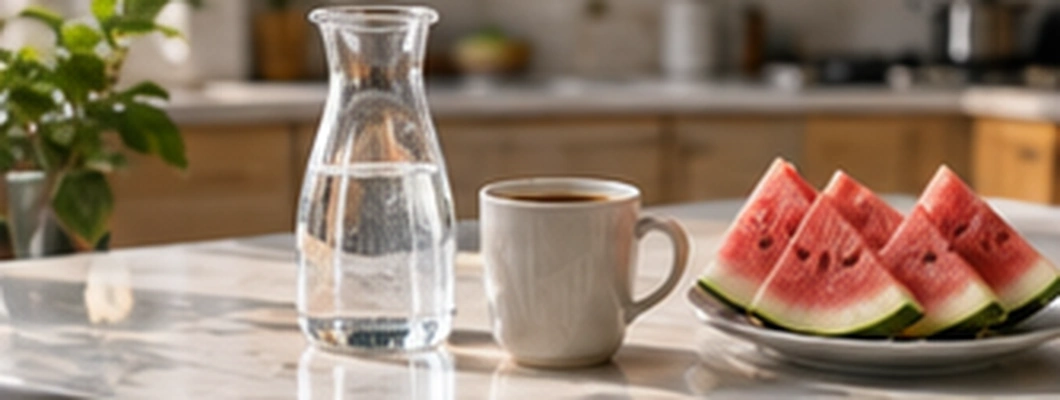
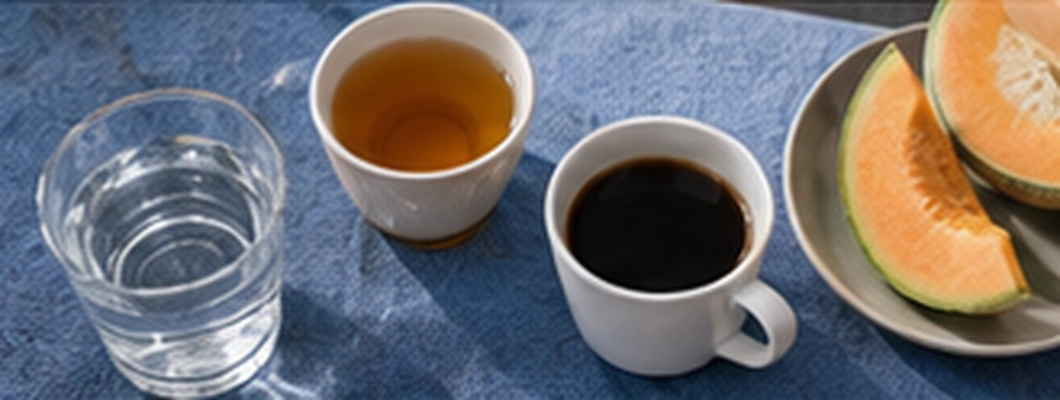
About 80% of the water we take in comes from water and other drinks, and about 20% from food. Water-rich foods such as fruit and vegetables count too. Drinks with caffeine, like coffee and tea, add water just as well as drinks without caffeine.
The body balances itself
Thirst and the kidneys
When the body is short of water and the blood gets more concentrated, a part of the brain notices and makes you feel thirsty. That is thirst. At the same time, the brain signals the kidneys to hold back water from the urine. If you drink too much, the kidneys make more urine to get rid of the extra.
How much
An official figure that includes food
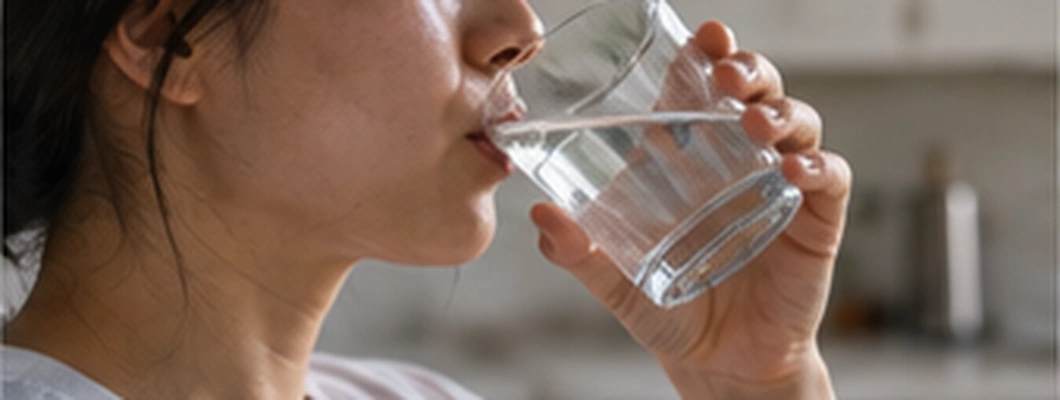
The US "adequate intake" for total water, from food and drinks combined, is about 2.7 L a day for women and about 3.7 L for men. It is not a minimum you must reach; it is what healthy, well-hydrated people usually take in. The same body says most people meet their needs by drinking when thirsty.

Too little
Dehydration
Dehydration means the body has lost too much water. You feel very thirsty, urine turns dark and there is less of it, and you feel dizzy or tired. Hot weather, a lot of activity, fever, diarrhea or vomiting all raise the need for water.

Too much
Blood sodium gets diluted
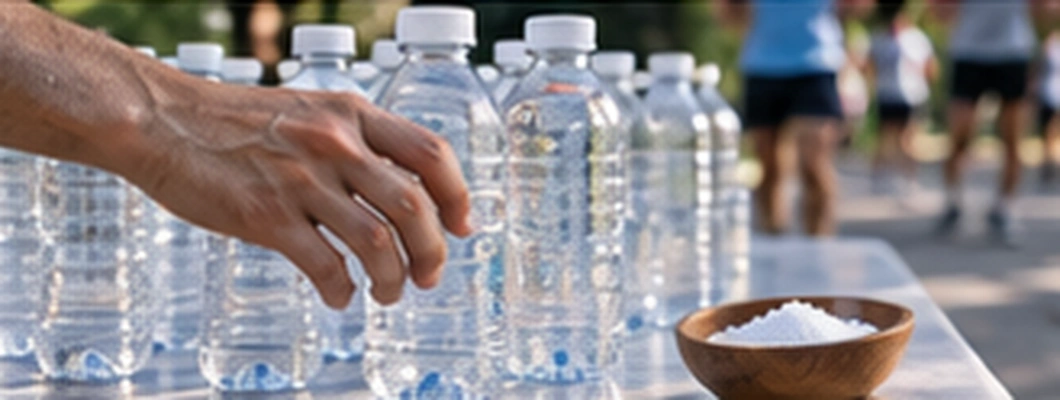
Drinking far more than you lose dilutes the sodium (the part of salt) in the blood until it is too low. This is called hyponatremia. In a study of marathon runners, more than one in ten had it at the finish, and it was more common in those who drank so much that they gained weight during the race.
Common myth
Do you need 8 separate glasses of water a day?
A physiologist looked for the evidence behind "8 glasses of water a day" (about 2 L) and found no scientific studies supporting it. Drinks like coffee and tea, and the water in food, count toward the day's water. This applies to healthy adults in mild weather who are not very active; heat, hard work or exercise call for more.
Summary
Water, drinks and food all add up
Water intake is refilling the water the body loses, from water, other drinks and food. It is not only plain water, and "8 glasses a day" did not come from scientific studies. Related terms: dehydration, hyponatremia, sodium.

The more you know, the more you grow.PHYSIQUE NEWS