In one line
IIFYM is a way of dieting where you set daily amounts of carbohydrate, protein and fat, then freely choose foods that fit those amounts.
What is IIFYM (If It Fits Your Macros)?
A diet where 'if it fits, you can eat it'
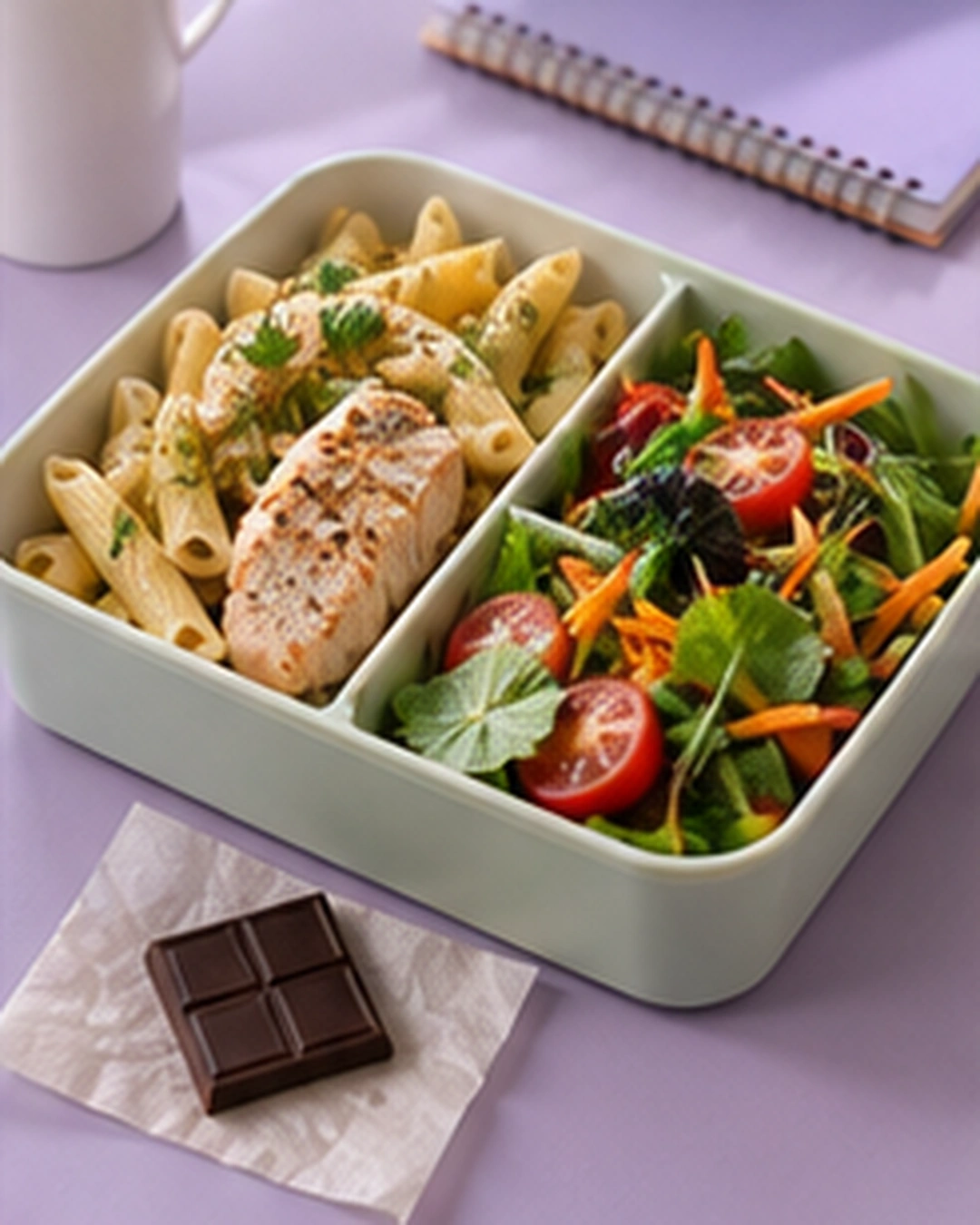
In gym communities you often see 'hit my macros today' or 'cutting with IIFYM'. Unlike a diet of only chicken breast and sweet potato, it is a diet where you can even eat pizza if it fits the numbers. What exactly are people fitting, and how?

In one line
Hitting gram targets instead of following a food list
IIFYM is a way of dieting where you set daily amounts of carbohydrate, protein and fat in grams, and choose any food as long as it fits those numbers. It is about how much you eat more than what you eat.
What the name means
'If it fits your macros'
IIFYM stands for 'If It Fits Your Macros', meaning '(you can eat it) if it fits your macros'. 'Macros' is short for macronutrients: carbohydrate, protein and fat. It is also called 'flexible dieting' or 'macro-based dieting'.

Background: macronutrients
The three nutrients that supply calories
Carbohydrate, protein and fat are called 'macronutrients' because the body needs them in large amounts and they supply calories. Each 1 g of carbohydrate or protein gives about 4 kcal, and fat about 9 kcal. So setting the three numbers also sets your daily calories.

What it is compared with
Following a fixed meal plan
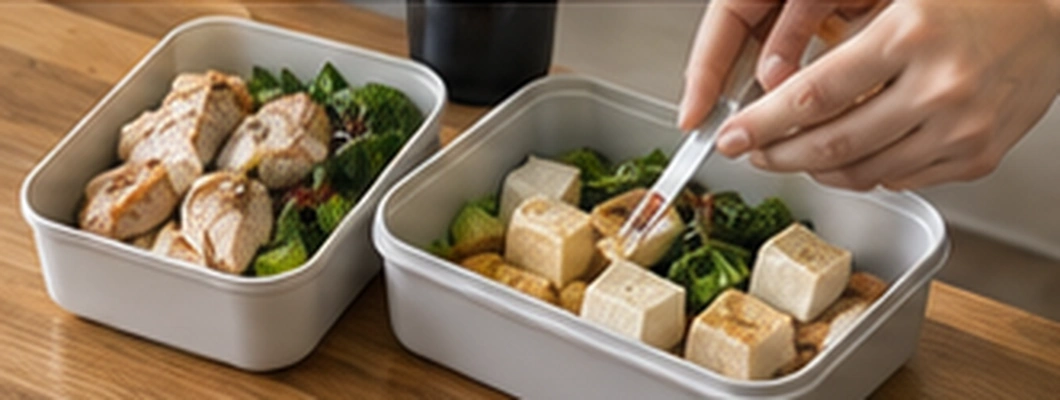
IIFYM is often compared with following a fixed meal plan. In that approach, the foods for each meal are set and you do not swap them for others. IIFYM sets only the numbers and leaves the food choices to the person eating.
How the numbers are set
Calories, then protein, then the rest
Here is the order used in a study that tested IIFYM. First, daily calories were set about 20% below 'maintenance calories', the amount that keeps body weight the same. Next, protein was set, and the remaining calories were split roughly in half between carbohydrate and fat.

Worked example
2,000 kcal a day with 150 g of protein
With these numbers, protein supplies 600 kcal. Splitting the remaining calories in half between carbohydrate and fat gives about 175 g of carbohydrate and about 78 g of fat. These three numbers become that person's 'macros'.
Why people use it
To include foods they like and stick with it
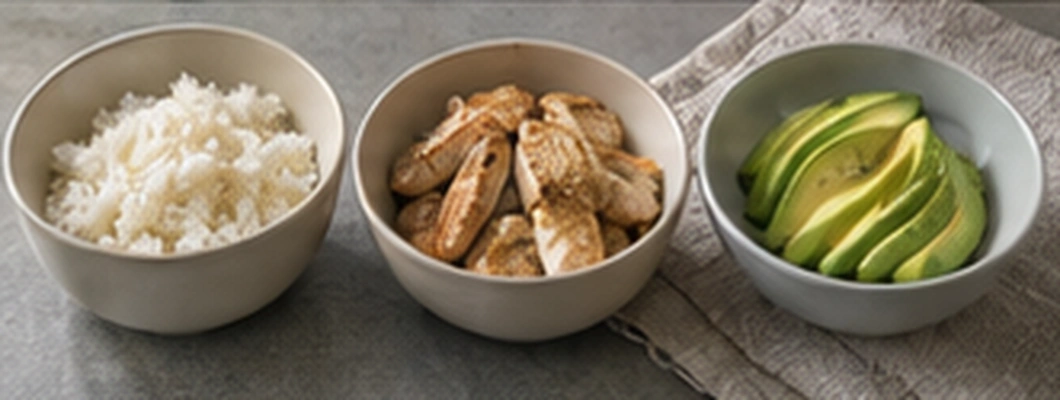
IIFYM widens the range of foods compared with a fixed meal plan, so people can build a diet around their tastes and daily life. The goal is to help them keep the diet going for longer. In a survey of people who compete in powerlifting, it was the most followed approach among those on a specific diet.

What a study found
No difference in weight loss versus a meal plan
In an experiment where people who do strength training cut calories, a group that only hit numbers was compared with a group on a fixed meal plan. Both groups had the same calorie and protein targets. Weight and body fat lost showed no difference between the two groups.
It comes with record-keeping
Weighing and counting what you eat
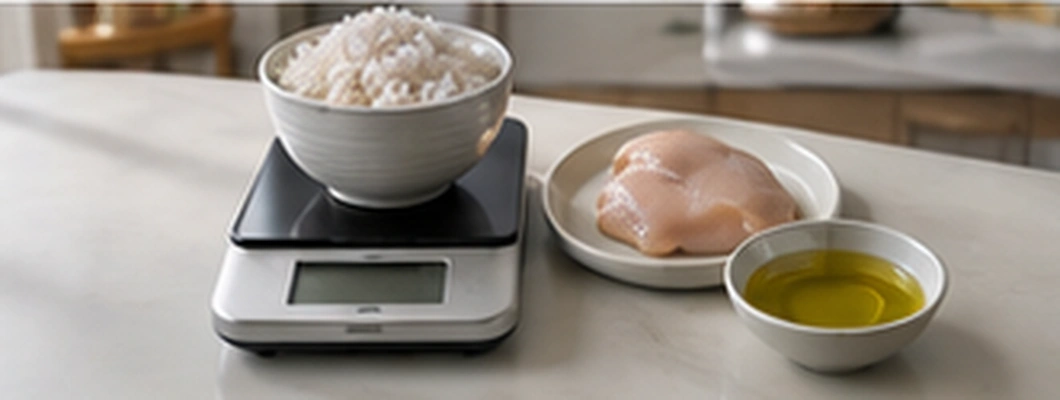
IIFYM does not set which foods to eat; instead you count the carbohydrate, protein and fat in grams for each food and add up the day. So weighing and logging food comes with it. Intake estimated from such logs can be off by a fair amount.

A common myth
If you hit your macros, is your nutrition covered?
No. Macros count only three things: carbohydrate, protein and fat. Vitamins and minerals do not show up in those numbers. In a survey of competitive bodybuilders, more than half of both macro counters and fixed-plan dieters ate less than the recommended amounts of several vitamins and minerals.

Summary
A diet about 'how much' more than 'what'
IIFYM is a way of dieting where you set daily amounts of carbohydrate, protein and fat and freely choose foods within them. Macros tell you only about those three nutrients; vitamins and minerals are not in the numbers. Related terms: macronutrients, calorie deficit and surplus, micronutrients.

The more you know, the more you grow.PHYSIQUE NEWS