In one line
Probiotics are live microorganisms that give a health benefit when taken in adequate amounts.
What are probiotics?
The word on the label of a gut-health supplement
You often see the word 'probiotics' on supplement bottles and yogurt packs. This post explains what probiotics are, which microbes they contain, and what research has found about their benefits and risks.

In one line
Live microbes that do the body good
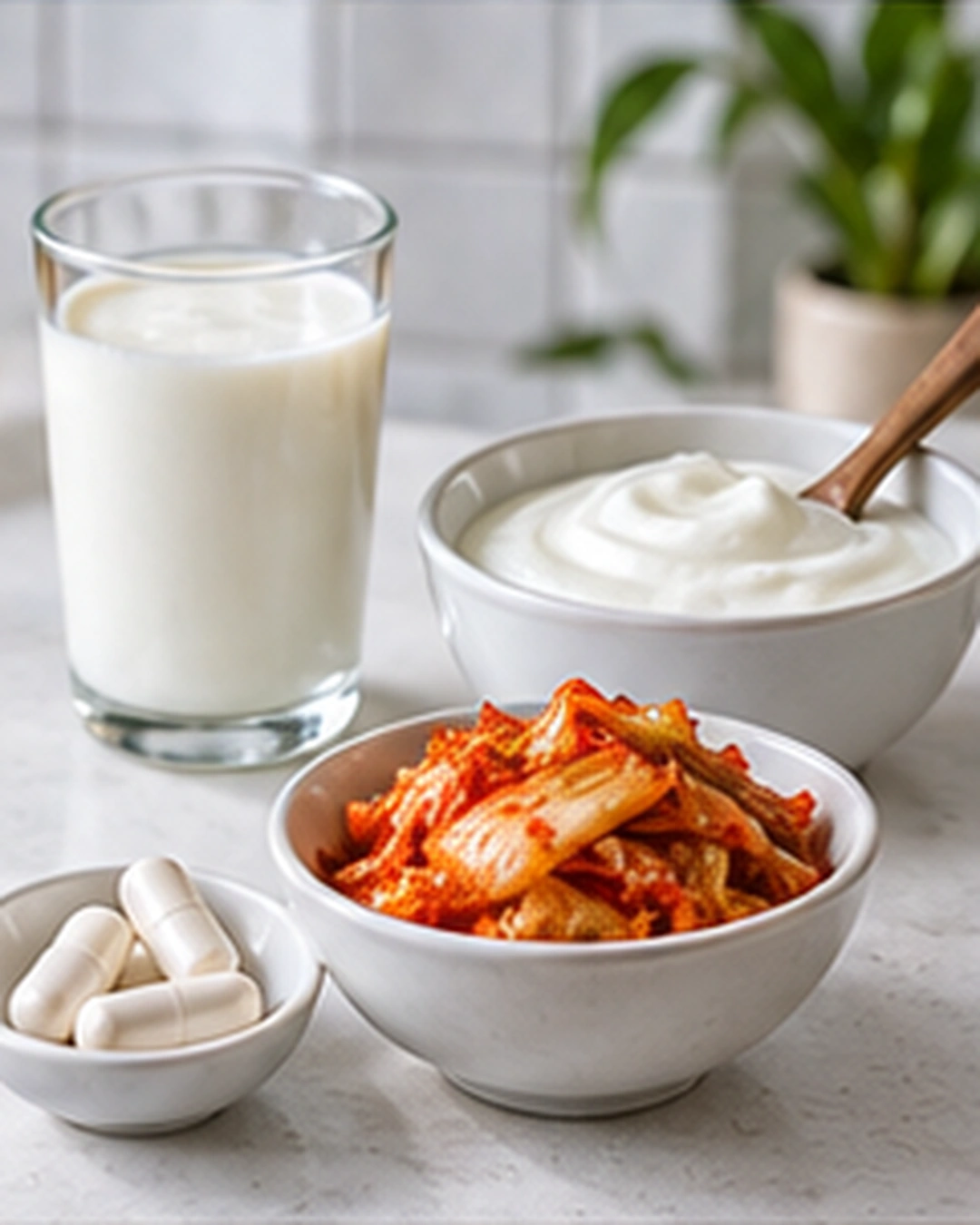
Living things too small to see, such as bacteria, are called 'microorganisms' or microbes. Probiotics are live microbes that give a health benefit when taken in adequate amounts. They are found in 'fermented foods' such as yogurt, which microbes make by changing food, and in supplements.
Are all microbes germs?
Many microbes help people
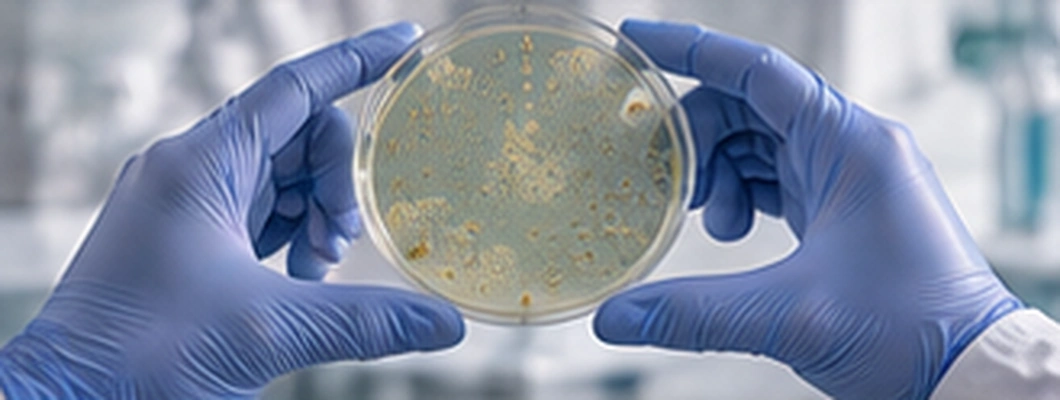
People often think of microbes as germs, but many of them actually help us. Some bacteria help digest food, some destroy disease-causing cells, and some make vitamins.

Gut microbes
The microbes that live together in the gut
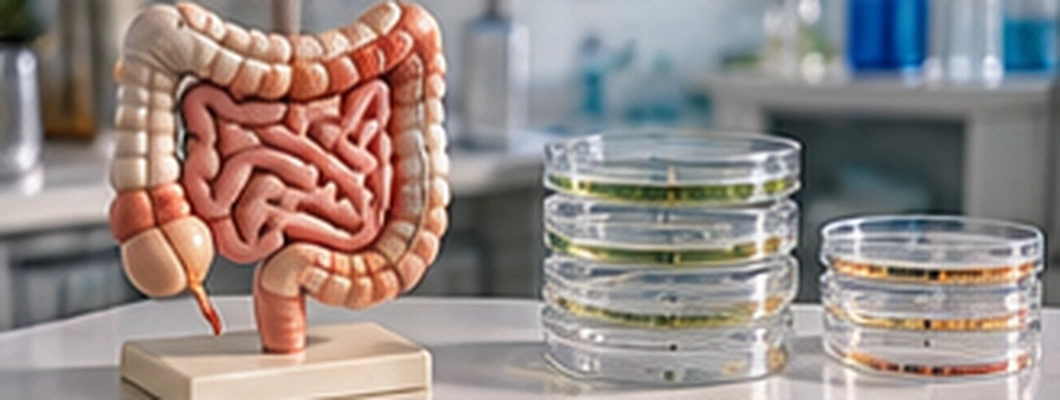
A huge number of microbes live together inside the human gut. This community is called the 'gut microbiome'. Many of the microbes in probiotic products are the same as, or similar to, the ones that already live in our bodies.
Which microbes are in them?
Lactobacillus and Bifidobacterium lead
The most common probiotics belong to two groups of bacteria called 'Lactobacillus' and 'Bifidobacterium'. Some probiotics use a yeast instead of bacteria, and 'Saccharomyces boulardii' is the best-known one.
Each microbe works differently
Same group, different jobs
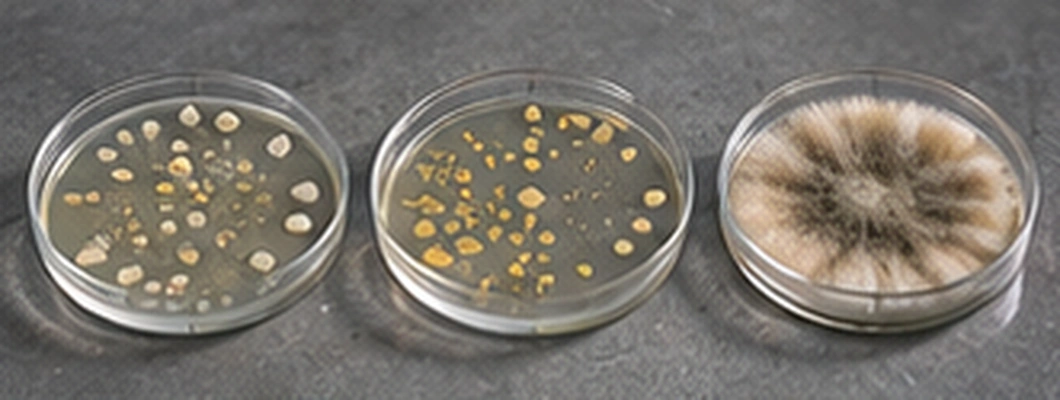
Different probiotics have different effects. If one kind of Lactobacillus helps prevent an illness, that does not mean another Lactobacillus or a Bifidobacterium will do the same. So a study's result applies only to the microbe used in that study.
Not the same as prebiotics
Food for microbes, not microbes
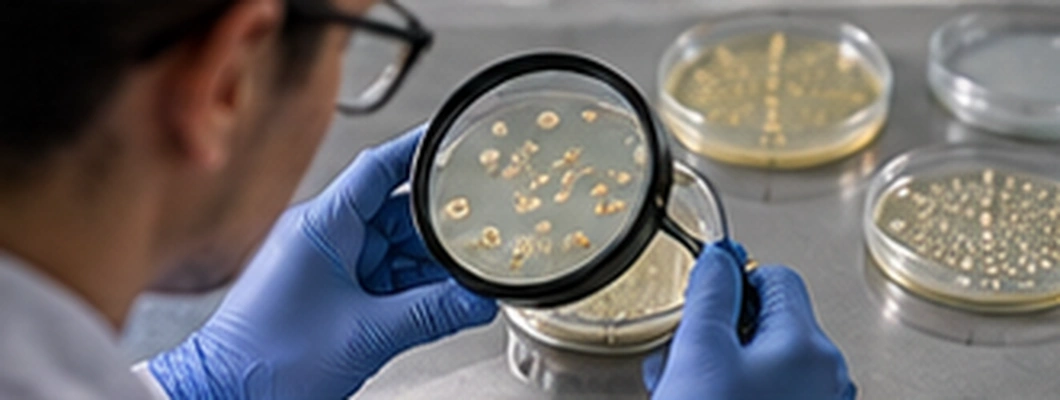
'Prebiotics' sound similar but are not microbes. They are food parts that people cannot digest but that helpful gut bacteria pick out, eat and grow on, and most are carbohydrates. A product that holds both is called a 'synbiotic'.

How do they work?
Caring for gut microbes and signaling the immune system
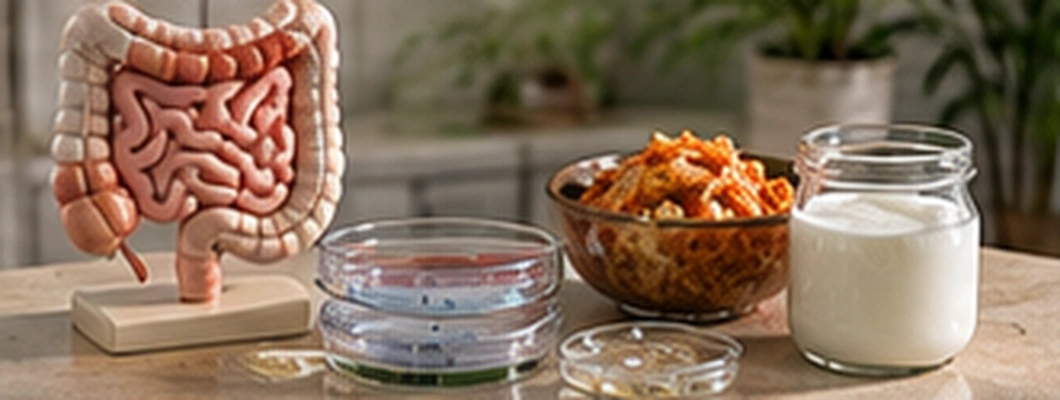
The body's power to protect itself from germs is called 'immunity'. Three ways probiotics work are usually named: they help a disturbed gut microbiome return to a healthy state, they make helpful substances, and they affect immunity.
What research found
Less diarrhea caused by antibiotics
Medicines that kill bacteria are called 'antibiotics', and they often upset the balance of gut microbes and cause diarrhea. When children taking antibiotics also took probiotics, the share who got diarrhea fell by more than half. Side effects were no more common than in children who did not take them.

Risks
Infection risk for premature babies and people with weak immunity
Healthy people have used probiotics for a long time without major trouble. But babies born too early have become severely ill or died from infections caused by the microbes in probiotic products, and the U.S. Food and Drug Administration (FDA) has warned about this. People who are seriously ill or have very weak immunity also face a higher risk of harm.

A common myth
Is every fermented food a probiotic?
No. Bread is baked, and most beers and wines are filtered or treated, so the microbes die or are removed and no live ones are left when you eat them. Even a fermented food with live microbes, like yogurt, is not called a probiotic unless research shows those microbes benefit health.

Summary
Live microbes with a proven benefit
Probiotics are live microbes that give a health benefit when taken in adequate amounts, and their effects differ from one kind of microbe to another. Not every fermented food is a probiotic. Words worth knowing too: gut microbiome, prebiotics, antibiotics.
The more you know, the more you grow.PHYSIQUE NEWS