In one line
Coenzyme Q10 is a fat-soluble substance the body makes itself, which cells need to turn the energy in food into a form they can use.
What is coenzyme Q10 (CoQ10)?
The 'CoQ10' you see on supplement labels
On supplement labels you often see the name 'coenzyme Q10', or 'CoQ10' for short. This post explains what CoQ10 is, what it does in the body, and how much of it is in food and supplements.
In short
A substance cells use to make energy
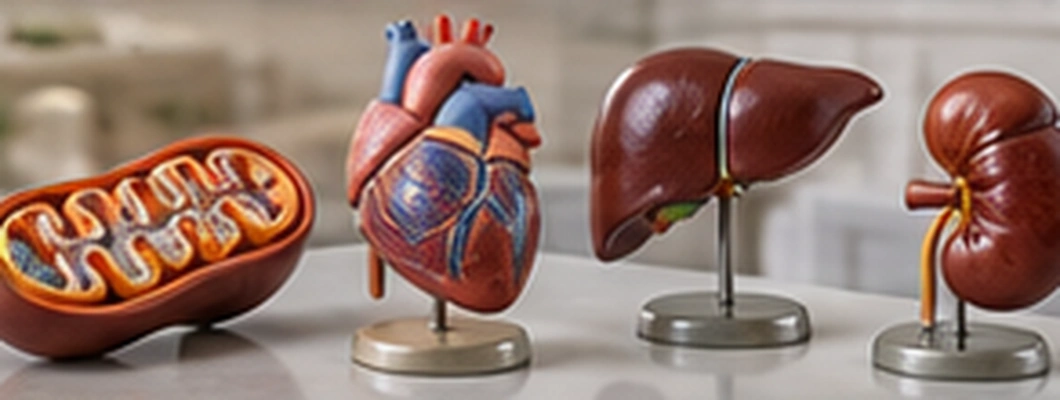
Coenzyme Q10 (CoQ10) is a fat-soluble substance found in almost every cell of the body. Cells need it to turn the energy they get from food into a form they can use. In the body, it is especially plentiful in the heart, liver and kidneys.
What the name means
'A substance that helps enzymes'
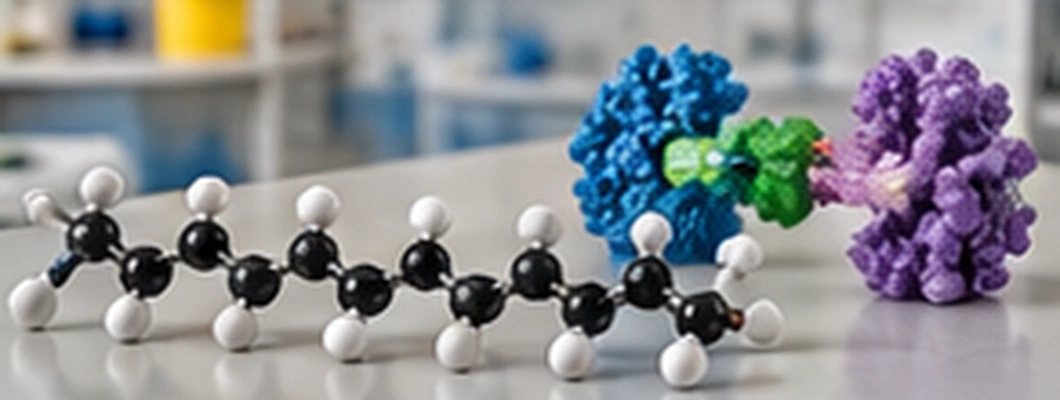
Proteins that speed up chemical reactions in the body are called 'enzymes'. 'Coenzyme' means a small substance that must be present beside an enzyme for it to work. The '10' means that the long tail of this substance is made of 10 identical pieces linked together.
Mitochondria and ATP
The cell's power plant and energy substance
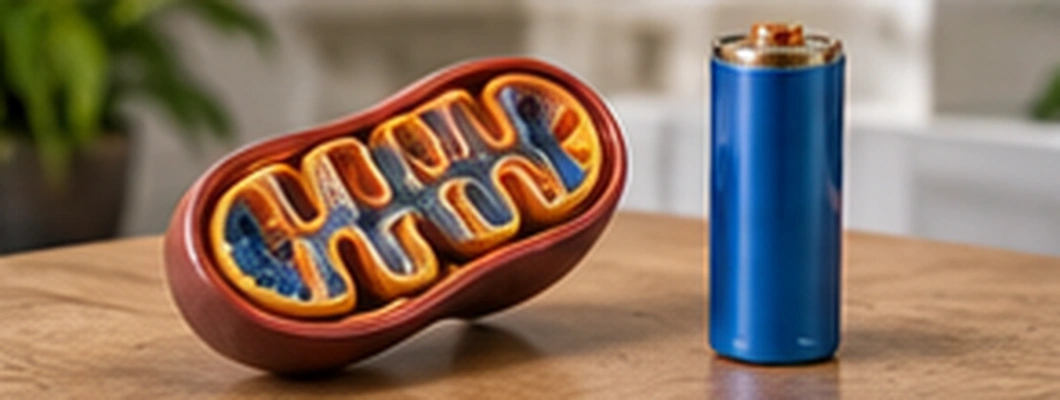
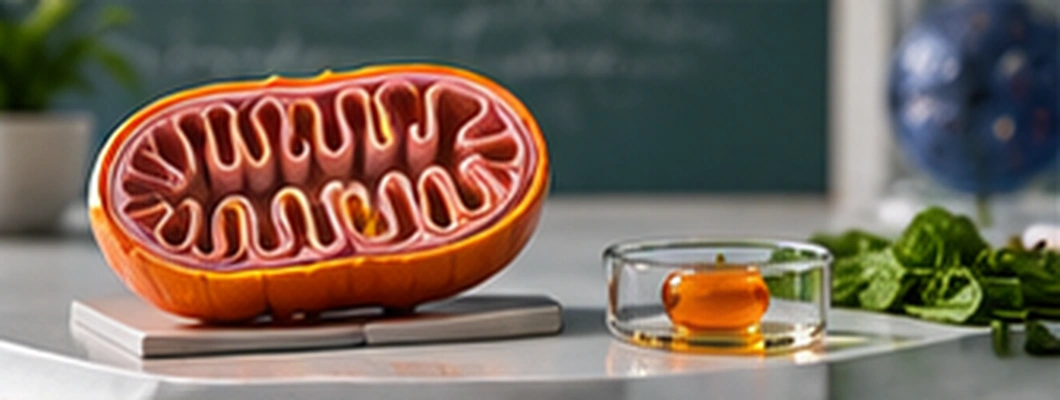
Inside cells are tiny structures called 'mitochondria' that turn the energy from food into a form cells can use. The energy substance made this way is called 'ATP'. Cells draw on ATP whenever they do work.
What it does (1)
A relay runner in the power plant
To make ATP in mitochondria, tiny particles of electricity called 'electrons', which come from carbohydrates and fats, must be passed along through several steps in order. CoQ10 is the relay runner that takes these electrons and hands them to the next step. Without CoQ10, the energy in carbohydrates and fats cannot be turned into ATP.

What it does (2)
An 'antioxidant' that guards cell membranes
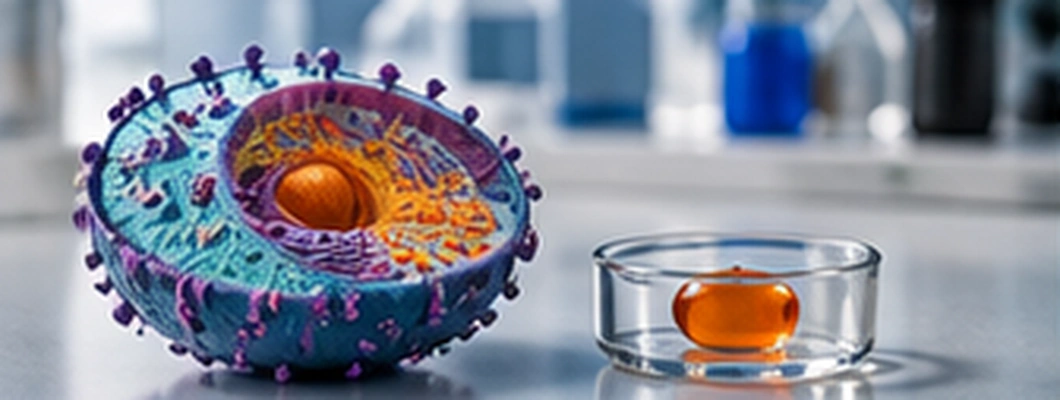
Making energy also produces unstable oxygen molecules that damage cells. Substances that prevent this damage are called 'antioxidants'. CoQ10 does this job in the membranes around cells, and it is the only fat-soluble antioxidant the body makes itself.
CoQ10 in food
Rich in meat and fish, a few mg a day
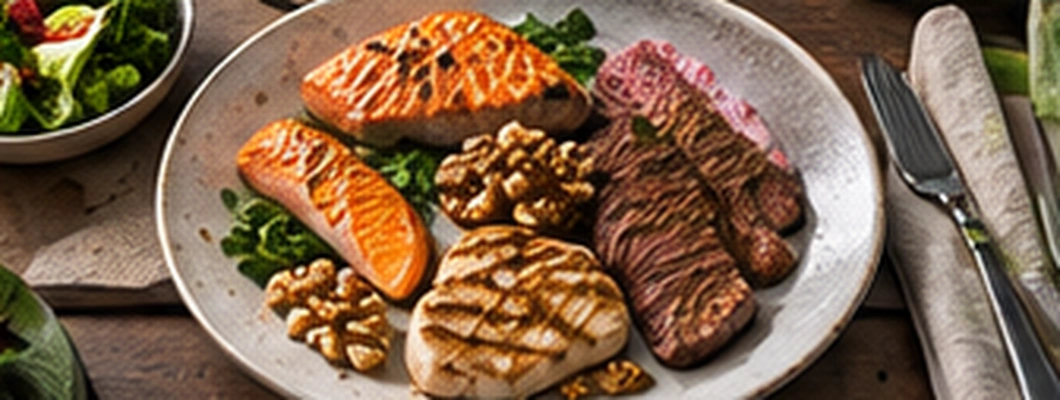
CoQ10 is especially rich in meat, poultry and fish, and is also found in oils like soybean oil and in nuts. Fruit, vegetables, eggs and milk have less. The amount people get from food averages about 3 to 6 mg a day.
Supplements
Far more than food provides
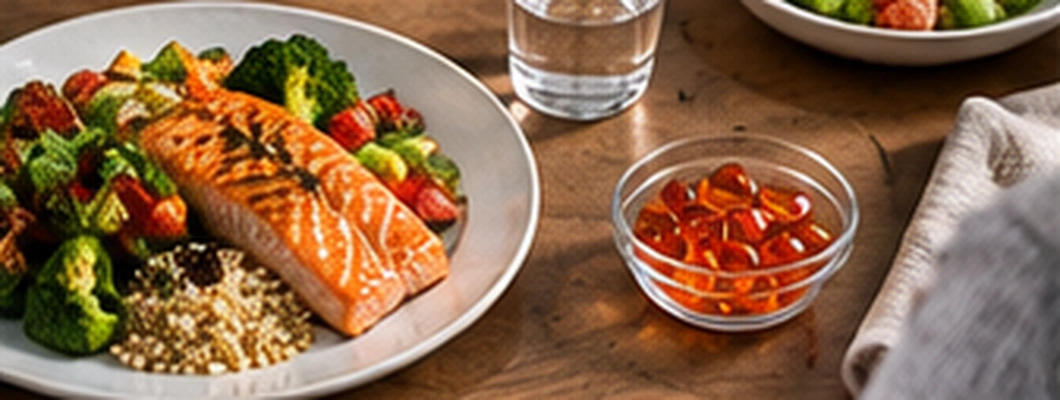
CoQ10 supplements are sold without a prescription. Adult supplements contain 30 to 100 mg a day, far more than people get from food. Because it dissolves in fat, it gets into the body better when taken with a meal that contains some fat.
Safety
No serious side effects have been reported
There have been no reports of serious side effects from CoQ10 supplements. Some people had stomach trouble such as nausea, diarrhea or heartburn, or trouble sleeping. The US National Institutes of Health lists it as something to be careful with for people on the blood thinner 'warfarin' or the diabetes drug 'insulin'. In a few cases, CoQ10 has been reported to weaken the effect of warfarin.

Statins and CoQ10
A cholesterol drug also lowers blood CoQ10
'Statins' are drugs that lower cholesterol, a fatty substance that travels in the blood. The body uses the same enzyme to make both cholesterol and CoQ10, and statins block exactly this enzyme. So people taking statins had less CoQ10 in their blood than people taking a placebo. But it has not been shown that this drop harms the body.
A common misconception
Is CoQ10 a vitamin you must get from pills?
No. Most tissues in the body make CoQ10 themselves, which is why it is not counted as a vitamin. In healthy people, what the body makes plus what comes from food keeps CoQ10 from running short. CoQ10 deficiency has not been described in the general population; it shows up in very rare diseases caused by inherited gene changes.

Summary
A power-plant worker the body makes itself
Coenzyme Q10 is a substance the body makes itself; it is essential for making ATP in mitochondria and it guards cell membranes. It is not a vitamin, and in healthy people what the body makes plus food keeps it from running short. Related terms: mitochondria, ATP, antioxidant.
The more you know, the more you grow.PHYSIQUE NEWS