
In one line
Sarcopenia is a condition, mostly linked to aging, in which both muscle strength and muscle mass have dropped a lot, and it is classified as a muscle disease.
What is sarcopenia?
Is it the same as losing muscle with age?
The word 'sarcopenia' often comes up in the news and in health checkups. Muscle slowly shrinks as we age, but is all of that called sarcopenia? Here is what the word actually means.
In one line
Both muscle strength and mass have dropped a lot
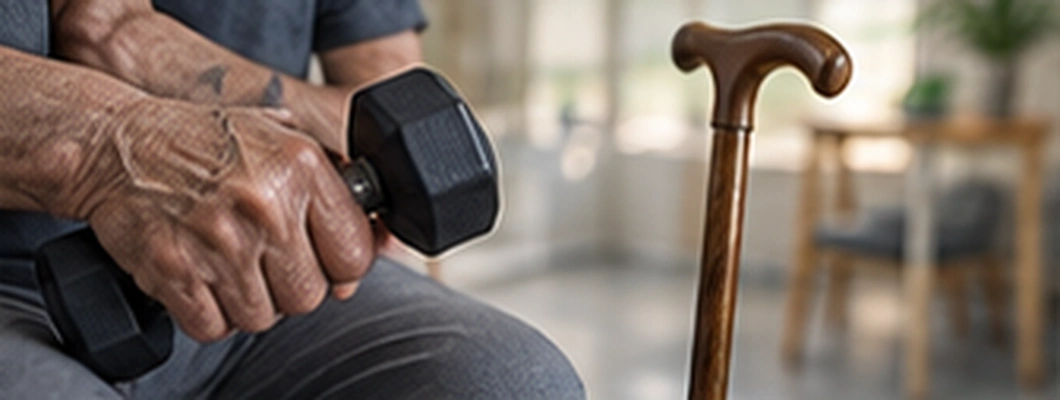
Sarcopenia is a condition in which both muscle strength and muscle mass have dropped a lot. It mostly comes with aging, and it is now classified as a muscle disease. In the United States, sarcopenia also has its own official disease code, the kind of number given to each disease.

Aging and muscle
Strength drops faster than muscle mass
As people age, muscle shrinks a little every year. In studies that measured muscle mass and strength in the same people, strength dropped 2 to 5 times faster than muscle mass. That is why sarcopenia looks at strength as seriously as muscle mass.
Causes
More than just age
Sarcopenia mostly develops with aging. It also develops with too little movement from long hours of sitting or being bedridden by illness, with not eating enough calories or protein, and with diseases that affect the whole body. So it can appear even in people who are not old.

Why it matters
Falls and broken bones become more likely
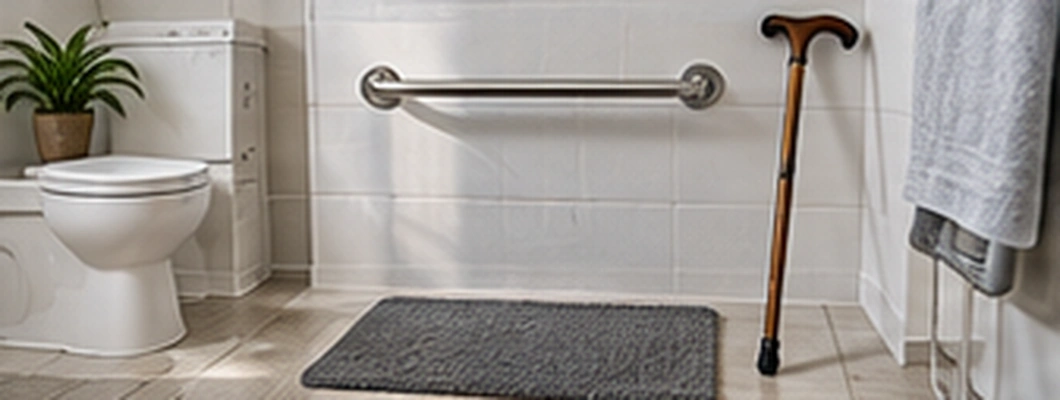
Sarcopenia raises the risk of falling and breaking bones. Daily tasks like bathing and dressing become hard, and the risk of death goes up. That is why finding and managing it early is considered important.
Diagnosis 1: strength
Grip strength comes first
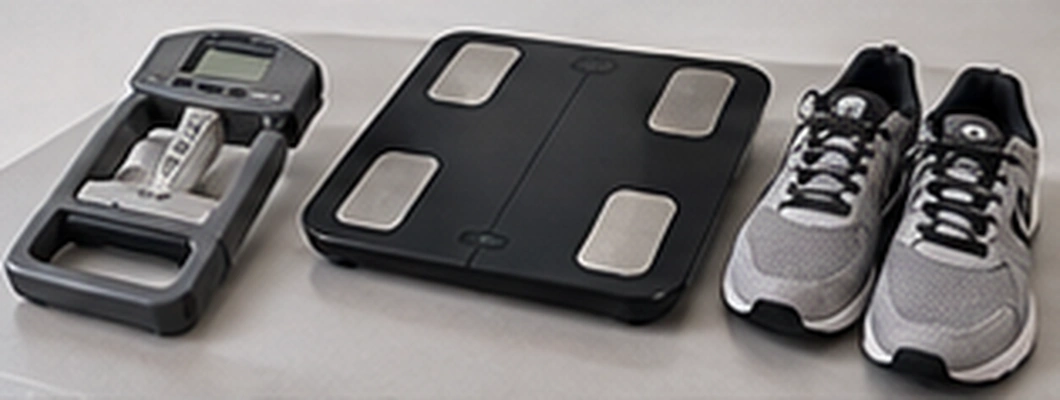
Diagnosis starts by measuring muscle strength. Grip strength, the force of squeezing with the hand, is measured; under the Asian standard, below 28 kg for men or 18 kg for women counts as low strength. The time it takes to stand up from a chair five times without using the arms is also used.

Diagnosis 2: muscle mass
Confirming with muscle mass
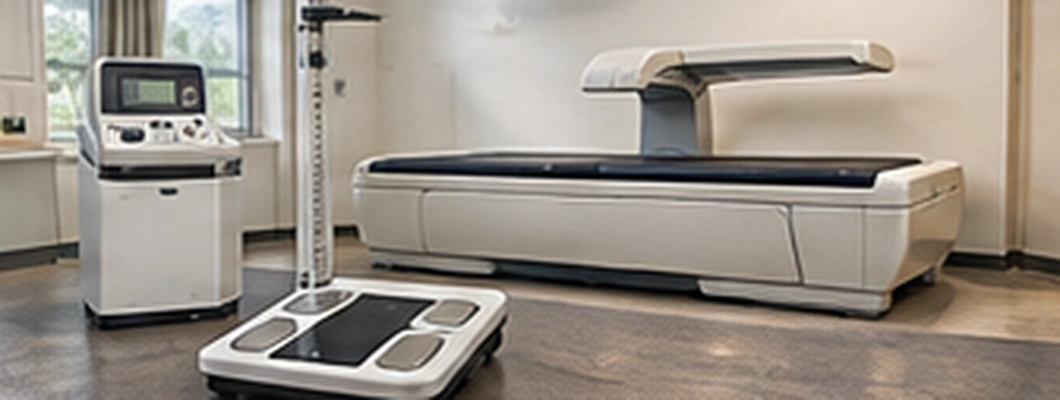
If strength is low, muscle mass is measured to confirm. Arm and leg muscle mass is measured with a low-dose X-ray scan or a body composition test that sends a weak electric current through the body. If both strength and muscle mass are low, sarcopenia is diagnosed.
How severe
Walking speed shows the severity
If, on top of strength and muscle mass, the ability to move, such as walking speed, has also dropped, it is called 'severe sarcopenia.' Walking speed is measured by having the person walk a set distance at a normal pace. Under the Asian standard, slower than 1 m per second counts as low.

How common
1 to 3 in 10 people over 60
Among people over 60, 1 to 3 in 10 had sarcopenia, depending on which diagnostic standard was used. Everyone loses some muscle with age, but only some of them go on to have sarcopenia.

How it is handled
Strength training comes first
International clinical guidelines most strongly recommend strength training for managing sarcopenia. Eating plenty of protein is recommended one step less strongly. Medicines were not among the treatments the guidelines recommend.

Common misconception
Is low muscle mass alone sarcopenia?
No. Even with low muscle mass, sarcopenia is not diagnosed if strength and the ability to move are both normal. Both the European and Asian standards require low strength or low ability to move along with low muscle mass. A single muscle mass number from a body composition test is not enough to decide.
Summary
A muscle disease where strength and muscle drop together
Sarcopenia is a condition, mostly linked to aging, in which both muscle strength and mass have dropped a lot, and it is classified as a muscle disease. Low muscle mass alone, with normal strength and ability to move, is not counted as sarcopenia. Related terms: skeletal muscle mass, InBody (body composition analysis), muscle memory.

The more you know, the more you grow.PHYSIQUE NEWS