In one line
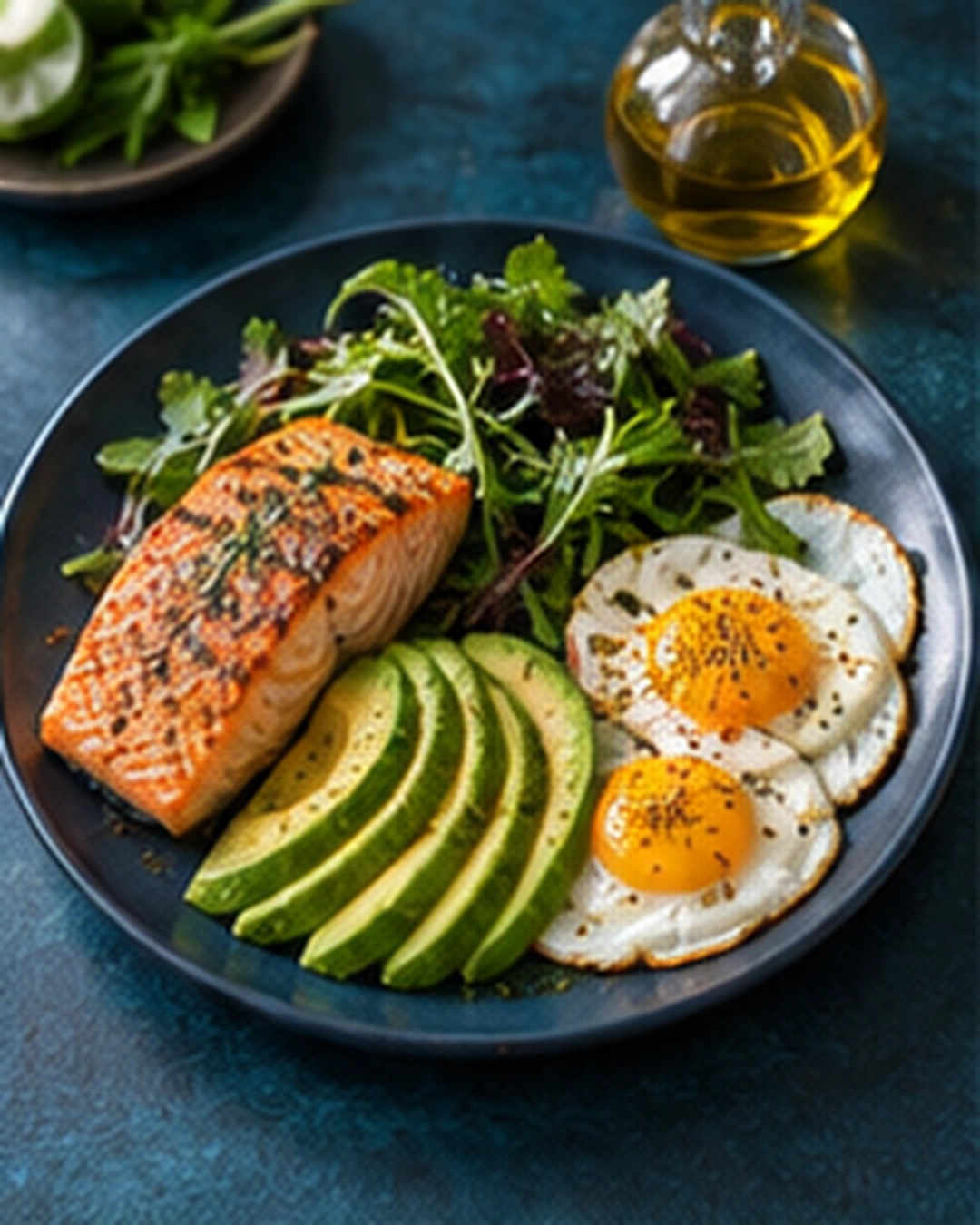
A ketogenic diet is a way of eating that cuts carbohydrate very low and gets most calories from fat, so the body runs on ketones.
What is a ketogenic (very low-carb, high-fat) diet?
The diet better known as 'keto'
In diet talk you often hear 'keto' or 'low-carb, high-fat'. It is the diet where people nearly stop eating rice and bread and eat butter, oil and meat instead. What exactly is cut, by how much, and what happens in the body?
In one line
Very little carbohydrate, a lot of fat
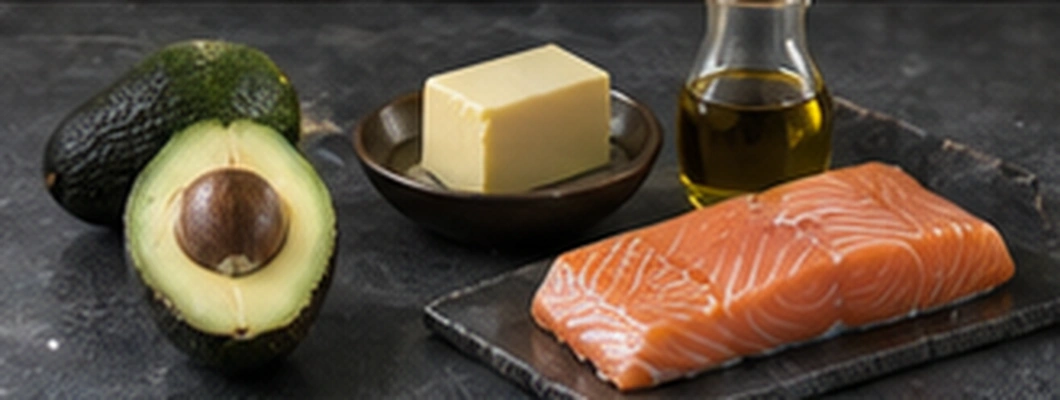
A ketogenic diet is a way of eating with very little carbohydrate, where most calories come from fat. Protein is eaten in moderate amounts. It is called 'keto' for short, and in Korean 'jeotan-goji', short for 'low carb, high fat'.
Background: glucose
The body's everyday main fuel
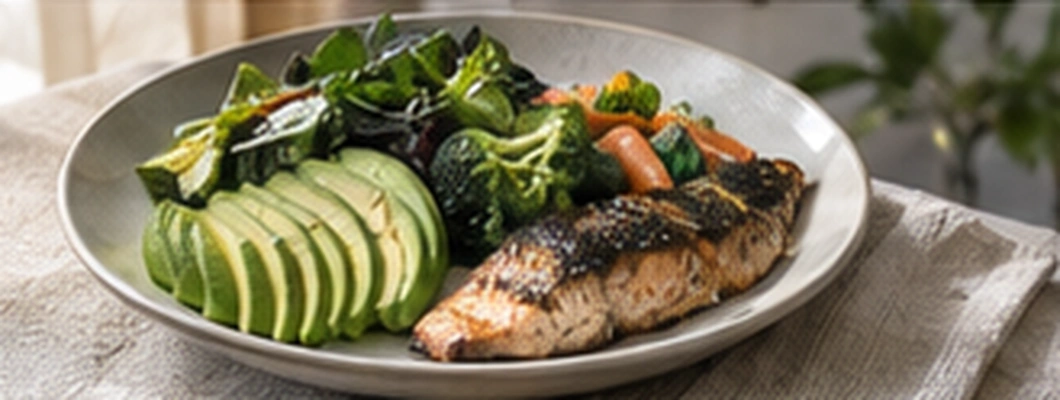
Carbohydrates such as rice, bread and fruit become 'glucose' in the body. Glucose is the main energy source for the body's cells. The brain in particular uses a lot of glucose but cannot store it, so it needs a steady supply through the blood.

Background: ketones
A fuel the liver makes from fat when glucose runs short
When you eat almost no carbohydrate, the liver uses fat to make substances called 'ketones'. Ketones travel in the blood and are used as fuel in place of glucose; the brain and muscles can run on them too. 'Ketogenic' means 'ketone-making'.
Ketosis
A state with ketones built up in the blood
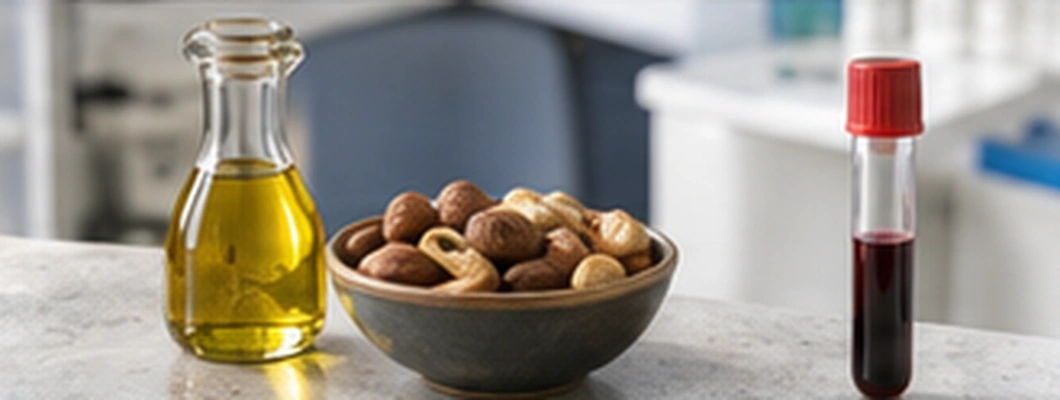
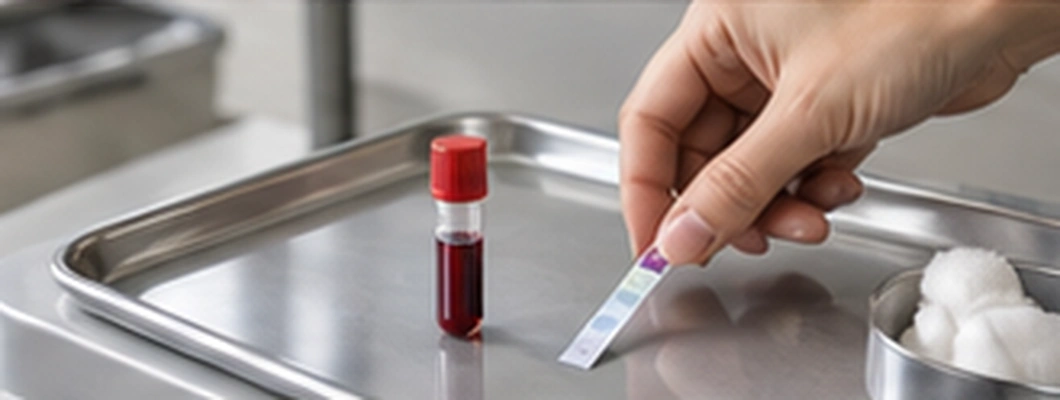
With very little carbohydrate, the body first uses the glucose stored in the liver. When this goes on for 3-4 days and the store runs out, fat becomes the main fuel and the liver makes ketones. This state, with ketones built up in the blood, is called 'ketosis'.
How little carbohydrate
Under 50 g a day
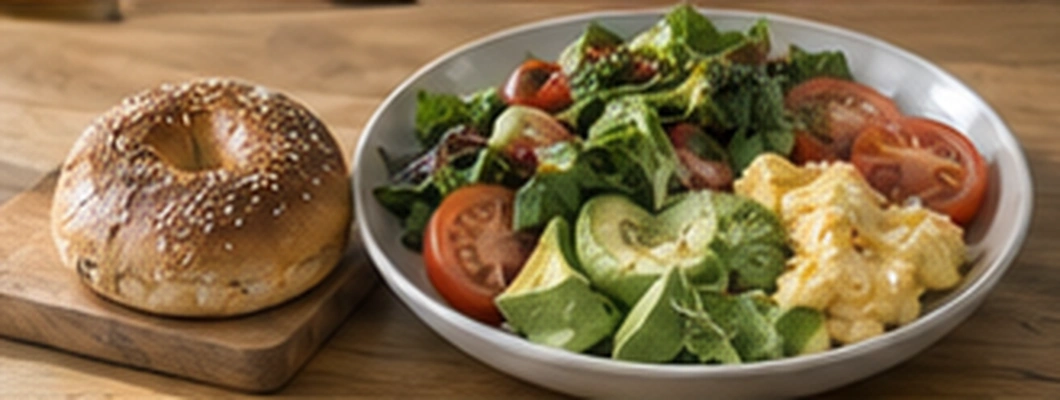
A ketogenic diet usually cuts carbohydrate to under 50 g a day, and sometimes as low as 20 g. That is less carbohydrate than one medium bagel. So rice, bread, noodles, potatoes and fruit juice are out, along with beans and most fruit.
What is eaten instead
70-80% of calories from fat
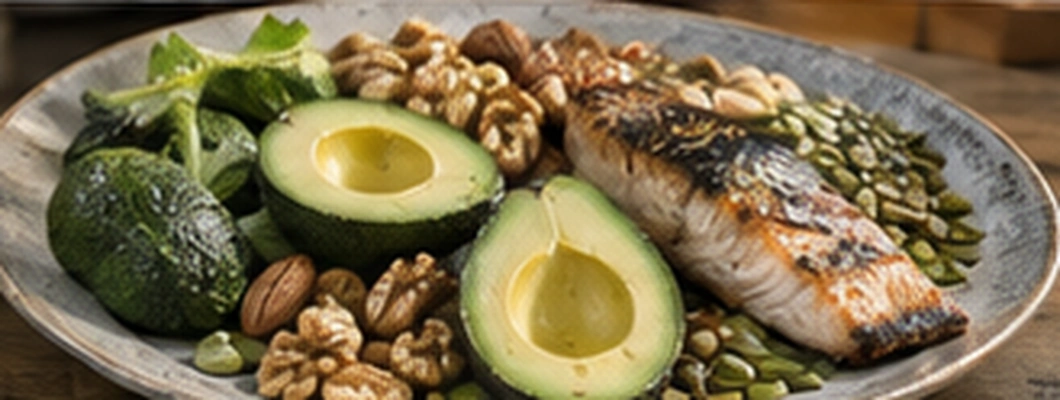
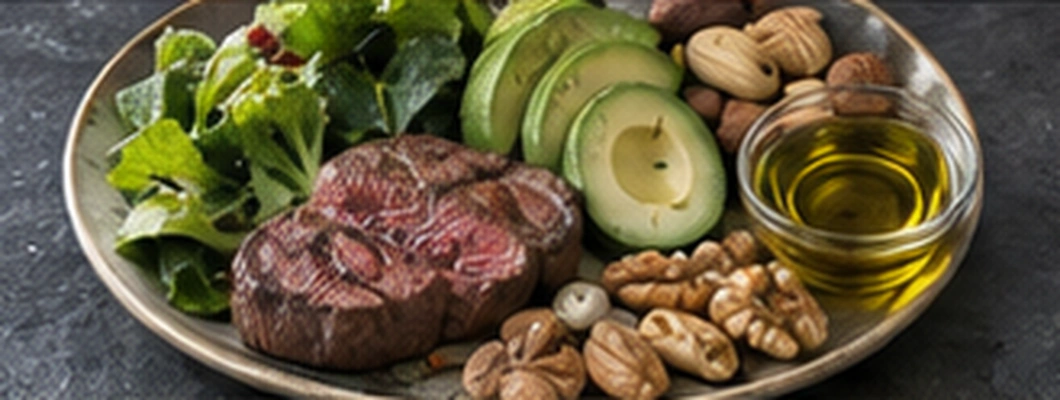
Fat fills the space left by carbohydrate. Common versions of the ketogenic diet get 70-80% of daily calories from fat. Fatty meat, butter, plant oils, nuts and seeds, avocado and oily fish are at the centre.
Where it came from
A 1920s treatment for epilepsy
The ketogenic diet began to be used in the 1920s as a treatment for epilepsy. Epilepsy is a brain disorder in which faulty brain signals cause repeated seizures. It is still used to treat children whose seizures are not controlled by medicine, and pooled studies show it reduced how often seizures happened.

The first few weeks
Symptoms called the 'keto flu'
In the first days to weeks of a ketogenic diet, some people get headaches, tiredness, nausea or a foggy head. This is often called the 'keto flu'. In a study that collected online reports, these symptoms were most common in the first week and faded after 4 weeks.

Blood cholesterol
LDL cholesterol went up
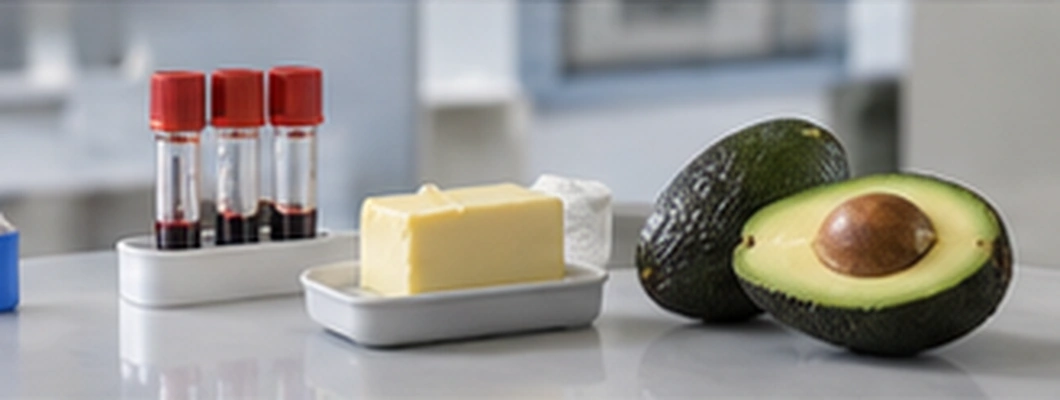
LDL cholesterol is called 'bad cholesterol' because, when there is too much, it builds up in artery walls and raises the risk of heart disease. Pooled studies of ketogenic diets show LDL cholesterol rose compared with the other diets tested. It did not rise, however, in heavier people on ketogenic diets that also cut calories very sharply.
A common myth
Is it a high-protein diet with unlimited meat?
No. The centre of a ketogenic diet is fat, not protein. In common ketogenic diets, protein is a moderate 10-20% of calories. Because part of protein can be turned into glucose in the body, which works against ketone-making, traditional ketogenic diets do not raise protein much.
Summary
Fat as fuel instead of carbohydrate
A ketogenic diet cuts carbohydrate very low and gets most calories from fat, so the body runs on ketones. It is a high-fat diet, not a high-protein one, and protein stays moderate. Related terms: ketones, low-carbohydrate diet, macronutrients.
The more you know, the more you grow.PHYSIQUE NEWS