In one line
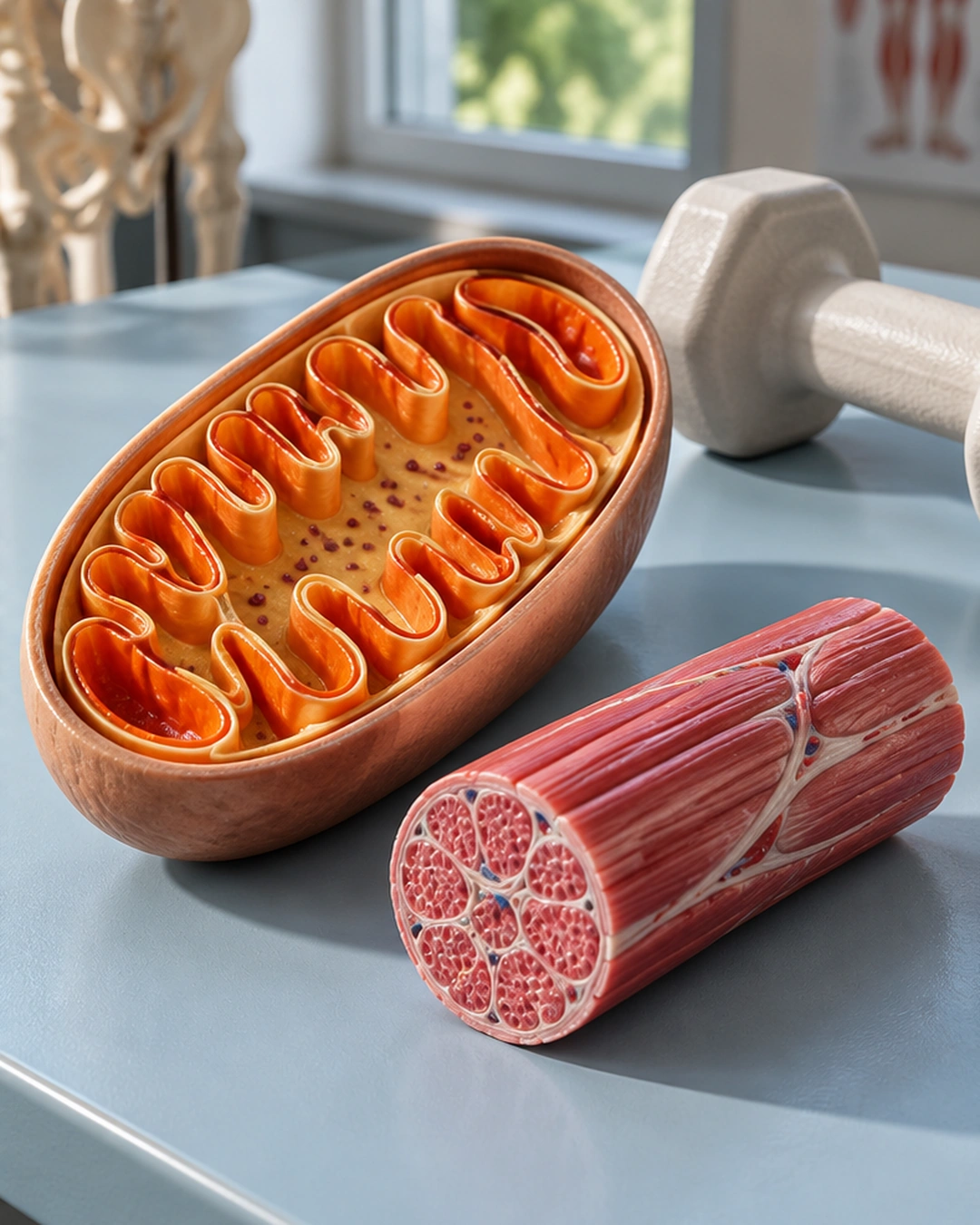
ATP is the energy molecule that cells use right away for work such as muscle contraction, often compared to a charged battery.
What is ATP?
The word that always comes up with creatine and exercise energy
Whenever people talk about creatine or the energy used during exercise, the word 'ATP' always comes up. ATP is used not only by muscle but by almost every cell in the body. Here is, step by step, what ATP is and how muscle uses it.
In a word
A 'charged battery' that cells use right away
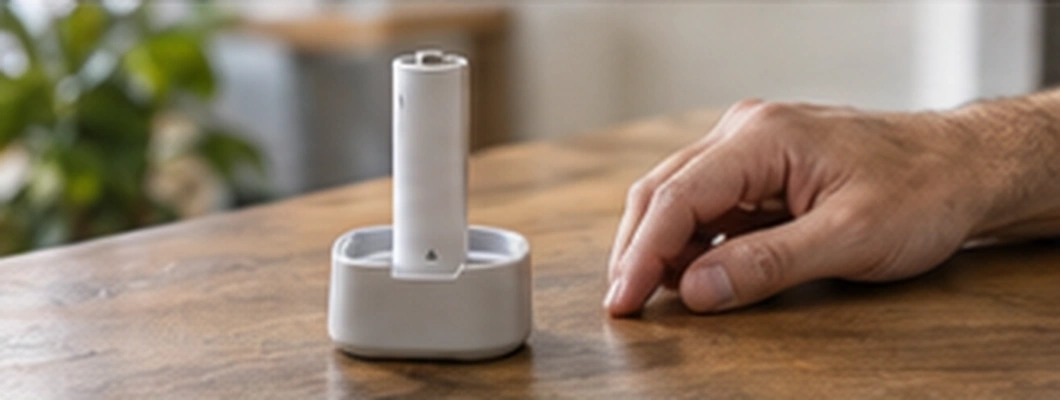
ATP is the energy molecule that cells use right away when they do work. The energy we get from food is first stored in ATP, and muscle moves using the energy in that ATP. That is why ATP is often compared to a 'charged battery'.
Name and shape
Adenosine with 3 phosphate pieces
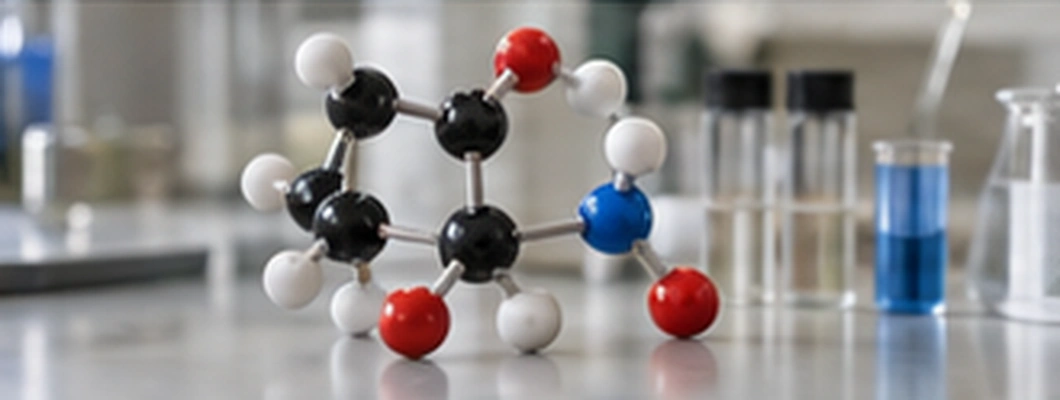
ATP stands for 'adenosine triphosphate'. The name means that 3 'phosphate' pieces are attached in a row to a body called 'adenosine'. A phosphate is a small piece that contains the element phosphorus.
How energy comes out
When the last phosphate breaks off
Energy is released when the last phosphate piece of ATP breaks off. What is left, with 2 phosphates, is called 'ADP' — a used-up battery, so to speak. Putting energy in to attach a phosphate back onto ADP turns it into ATP again.

What it is used for
From muscle contraction to nerve signals
ATP powers most of the work in the body that needs energy. Muscles shortening and pulling ('contraction'), nerves sending signals, and making proteins all take ATP. Muscle needs ATP not only to pull, but also for a contracted muscle to relax again.
Muscle holds only a little
A few seconds' worth, so it is refilled as it is used
The ATP stored in muscle is enough for only a few seconds of contraction. So muscle refills ATP right away as it is used. By using and refilling over and over, a person uses and remakes about their own body weight in ATP each day.

Refill route 1: creatine phosphate
The fastest, but there is little of it
The fastest route is 'creatine phosphate'. It is creatine, a substance in muscle, with a phosphate piece attached, and it hands that phosphate straight to ADP to make ATP. It is very fast, but muscle holds little of it, so it drops quickly during all-out effort.

Refill route 2: without oxygen
Splitting glucose fast, but making little
The second route is splitting 'glucose' without oxygen. Glucose is the sugar that carbohydrates become after digestion, and muscle also uses glucose it has stored. It is fast because it does not wait for oxygen, but one glucose yields only 2 ATP.

Refill route 3: burning with oxygen
Slow, but makes far more
The third route is burning glucose and fat with oxygen. It is the slowest, but it makes far more ATP from one glucose. When resting or moving at a moderate pace, about 95% of the ATP muscle uses comes from this route.

A common misconception
Do the three routes switch on one after another?
No. It is not a relay of 'creatine phosphate for the first few seconds, then glucose, and oxygen last'. All three routes work together from the start of exercise; only their shares change with how hard and how long the exercise is. In all-out exercise lasting about 75-80 seconds, the oxygen route supplied half of the energy.

Summary
The cell's charged battery, refilled as it is used
ATP is the energy molecule cells use right away; muscle holds only a few seconds' worth and refills it as it is used. The three refill routes do not switch on one after another but work together from the start. Related terms: creatine, creatine phosphate, glucose.
The more you know, the more you grow.PHYSIQUE NEWS