In one line
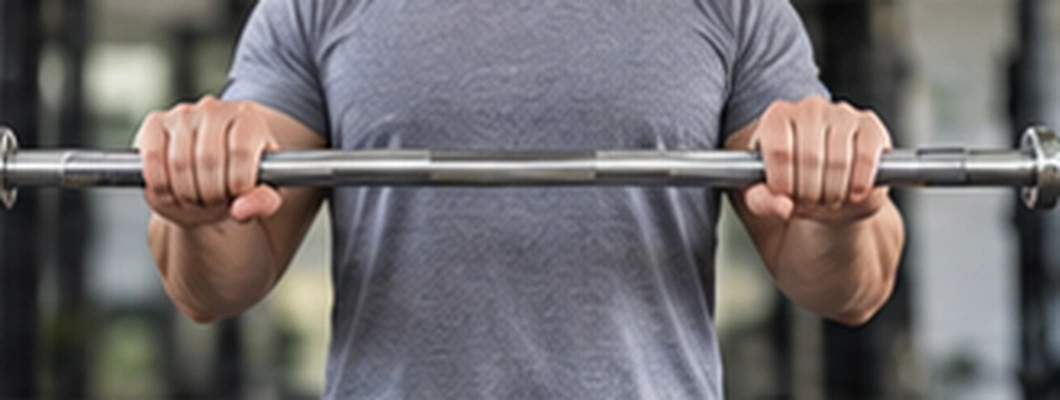
A grip is the way you hold a bar or handle; by hand direction, backs of the hands up is overhand, palms up is underhand, palms facing each other is neutral.
What are grips (overhand, underhand, neutral)?
The words for which way your hands face on the bar
At the gym you hear things like 'grab it overhand', 'underhand grip' or 'neutral grip'. The word 'grip' is also used for hand width (wide or narrow), but this post is about hand direction.
In a nutshell
Which way your palms face on the bar
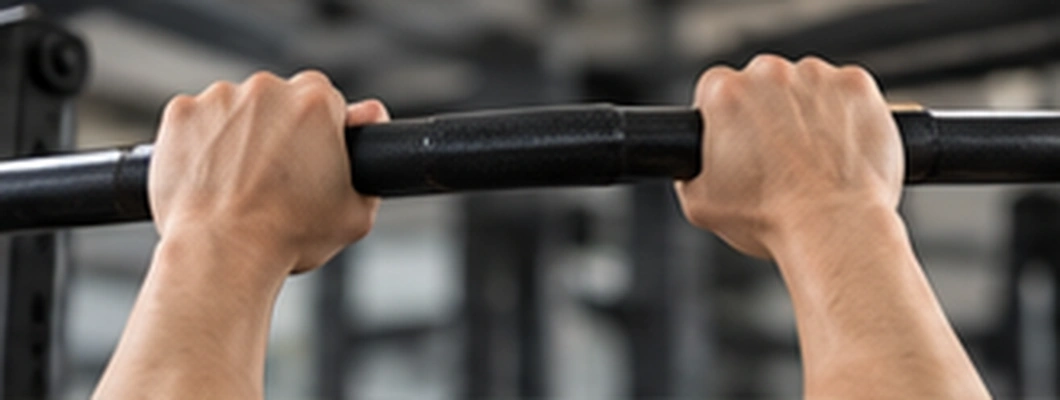
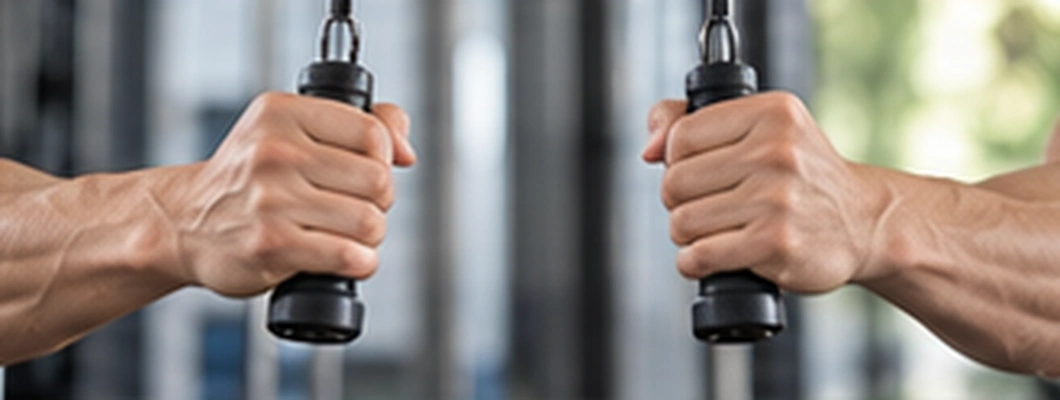
A grip is the way you hold a bar or handle. When you reach your arms forward to hold a bar, backs of the hands facing up is an overhand grip, and palms facing up is an underhand grip. Holding with the palms facing each other is a neutral grip.
The forearm turns the hand
The two forearm bones go from side by side to crossed
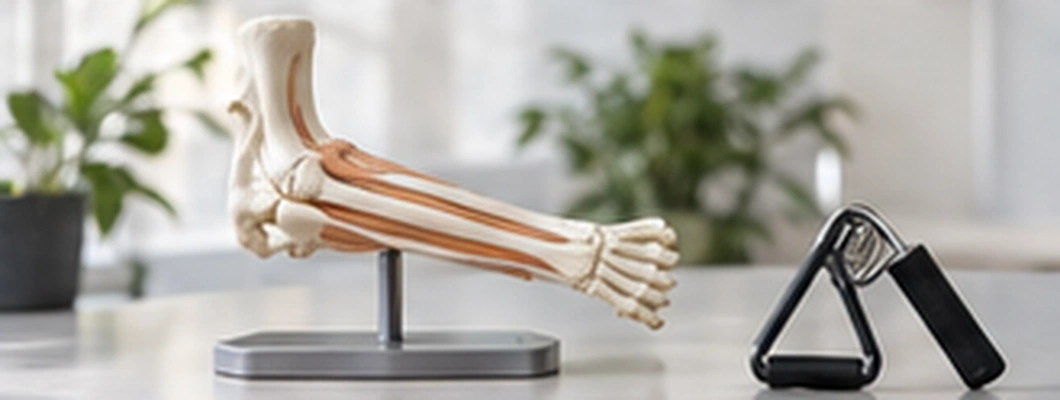
The direction of your palm changes because the forearm rotates, not the wrist. The forearm has two bones: standing with your arms down, they lie side by side when the palm faces forward and cross in an X when it faces backward. Studies also call overhand a 'pronated grip' and underhand a 'supinated grip'.
Grips on a pull-up bar
Overhand is a pull-up, underhand is a chin-up
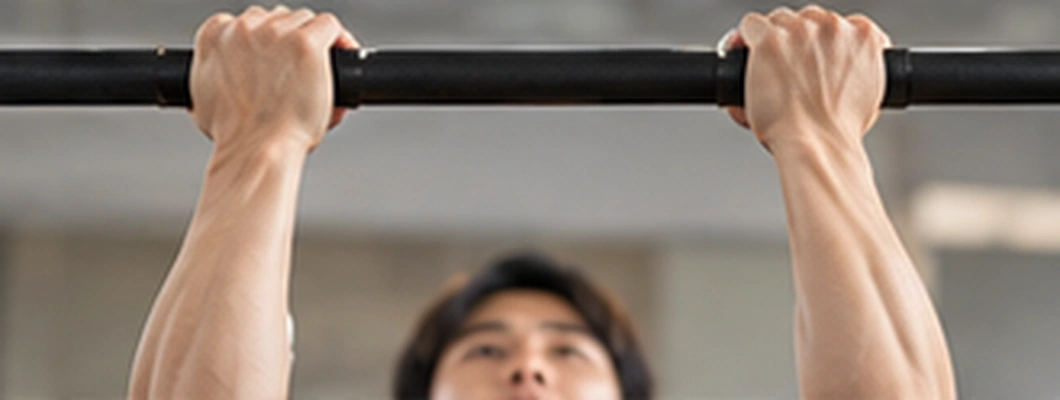
Hanging from a bar, an overhand grip has the palms facing forward (away from you), and an underhand grip has them facing your face. A bar hang-and-pull with an overhand grip is called a pull-up, and with an underhand grip a chin-up. So the same exercise gets a new name when the grip changes.
The biceps also turn the palm
Bending the elbow and turning the palm up
The biceps on the front of the upper arm bend the elbow. They also turn the palm upward. That is why palm direction affects how much work the biceps do.
The share changes with grip
The biceps worked most with palms up
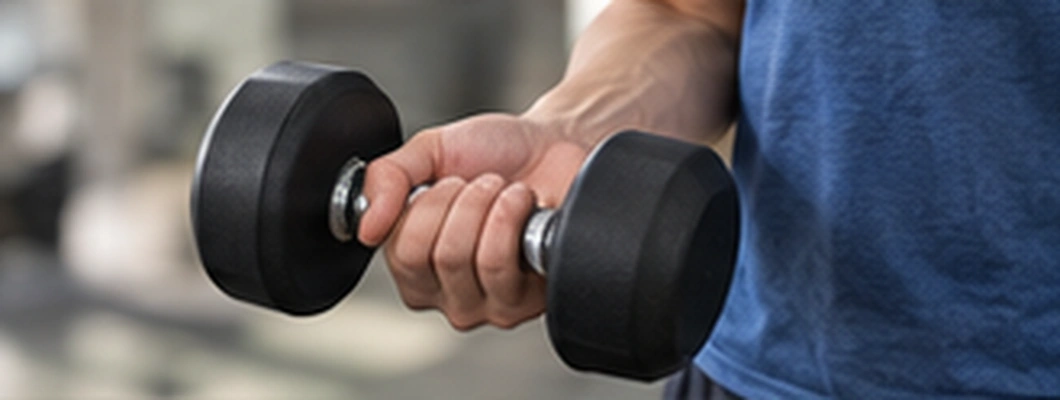
In a study where people held a light weight with the elbow bent, the biceps worked most with the palm facing up. Palms facing each other came next, and backs of the hands up was lowest. On the bar too, the underhand chin-up used the biceps more than the pull-up.
Three muscles bend the elbow
Two more besides the biceps
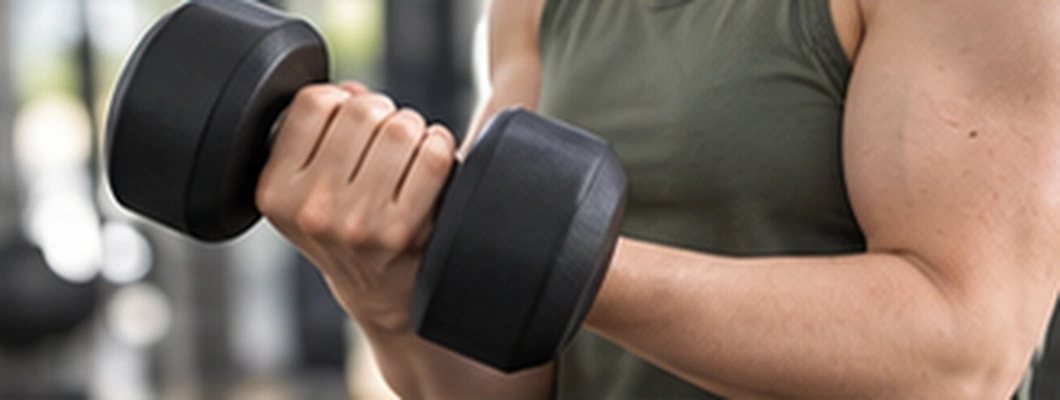
The biceps are not the only muscle that bends the elbow. A muscle lying under the biceps and a muscle on the forearm side join in, so three muscles bend the elbow together. Grip changes how these three share the work.
A common misconception
Do the biceps rest when you change hand direction?
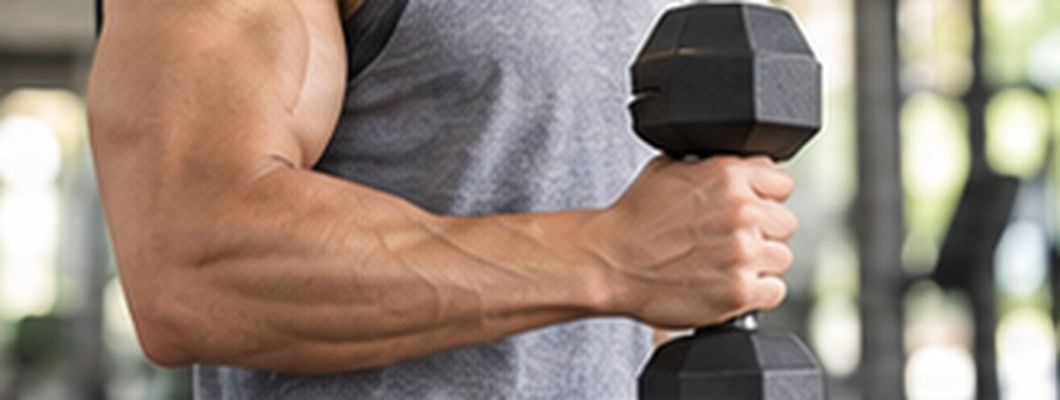
No. In a study of all-out elbow bending with palms up, palms facing each other, and backs of the hands up, all three muscles, including the biceps, worked hard in every direction. Grip does not swap out the working muscles. It changes how the same muscles share the work.
Summary
Palm direction changes each muscle's share
A grip is the direction your palms face on the bar: backs of the hands up is overhand, palms up is underhand, palms facing each other is neutral. Whatever the grip, all the elbow-bending muscles work; what changes is their share. Related terms: pull-up and chin-up, biceps, lat pulldown.
The more you know, the more you grow.PHYSIQUE NEWS