In one line
GLP-1 weight-loss drugs copy GLP-1, a fullness hormone the gut releases after eating, and make people eat less.
What are GLP-1 weight-loss drugs?
The drugs people call 'weight-loss shots'
These days people often talk about 'weight-loss shots'. One kind of drug called by this name copies a substance in the body called GLP-1. What is GLP-1, and what do these drugs do in the body?
In short
A copy of a fullness signal
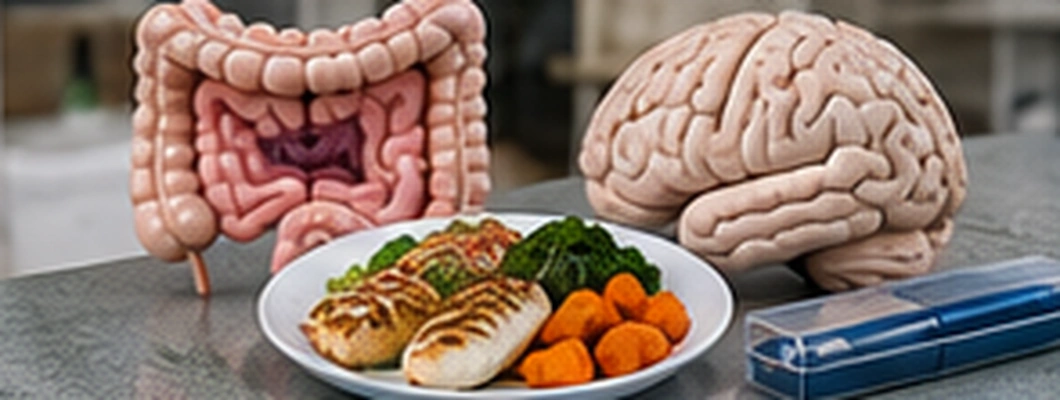
GLP-1 weight-loss drugs are made as copies of 'GLP-1', a substance the gut releases after you eat. They send a 'you are full' signal to the brain so people eat less. Drugs of the same family are also used to treat diabetes.
GLP-1 is a hormone
The gut releases it when you eat
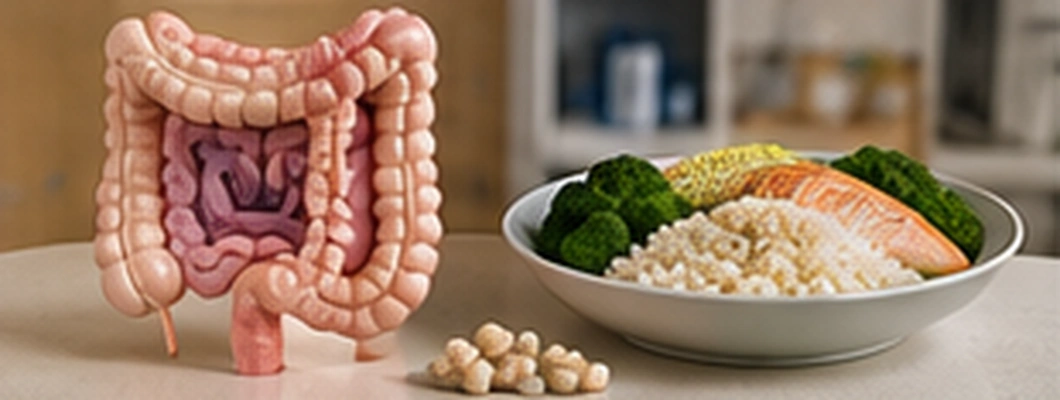
A hormone is a substance made in one part of the body that travels in the blood and carries a signal to another part. GLP-1 is a hormone released by cells in the inner wall of the gut when you eat.
Job one
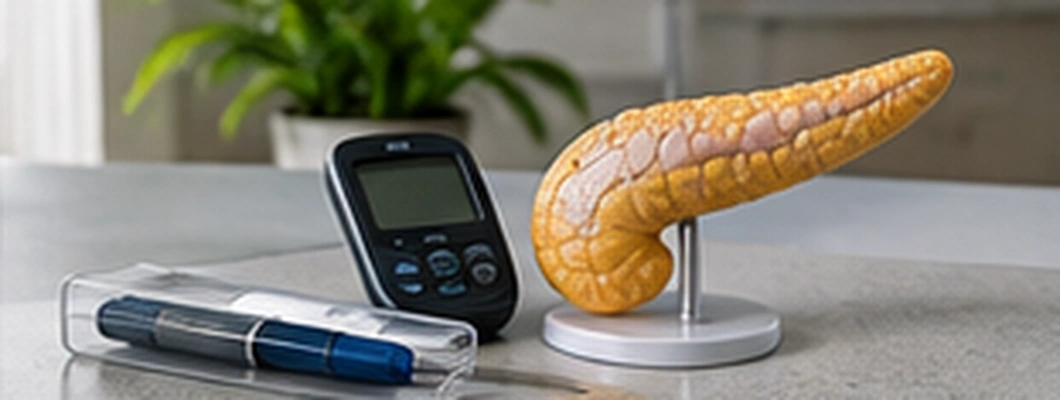
More insulin when blood sugar is high
The amount of glucose (the sugar the body uses for energy) in the blood is called 'blood sugar'. Insulin is a hormone that moves glucose into cells and lowers blood sugar. GLP-1 makes the body release more insulin when blood sugar is high.
Job two
It tells the brain you are full
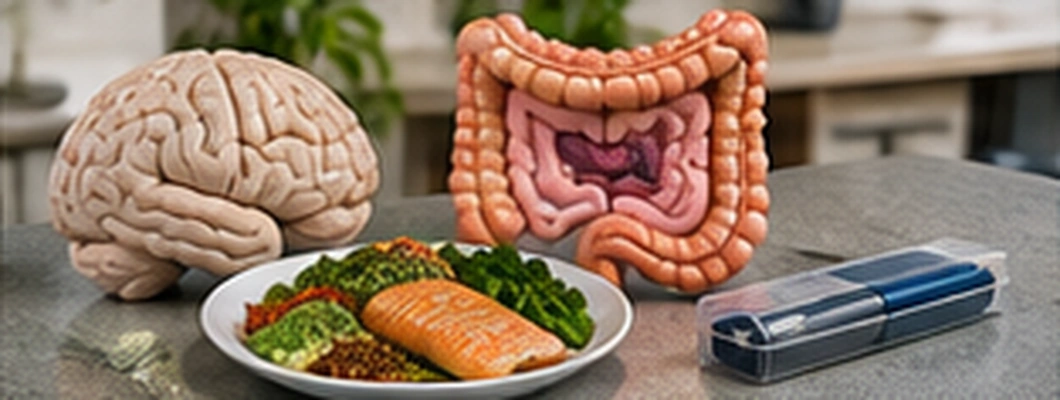
GLP-1 also sends signals to the parts of the brain that control appetite and how much you eat. So hunger goes down and fullness feels stronger. People given the drug said they had fewer food cravings and better control over their eating.

How the drugs work
An 'agonist' that fits the same receptor
Cells have spots where only certain substances fit; these are called 'receptors'. GLP-1 drugs attach to the GLP-1 receptor in its place and switch on the same signal. That is why they are called 'GLP-1 receptor agonists'. Semaglutide and liraglutide are ingredients of this kind.

How much weight comes off
About 15% of body weight over a little more than a year
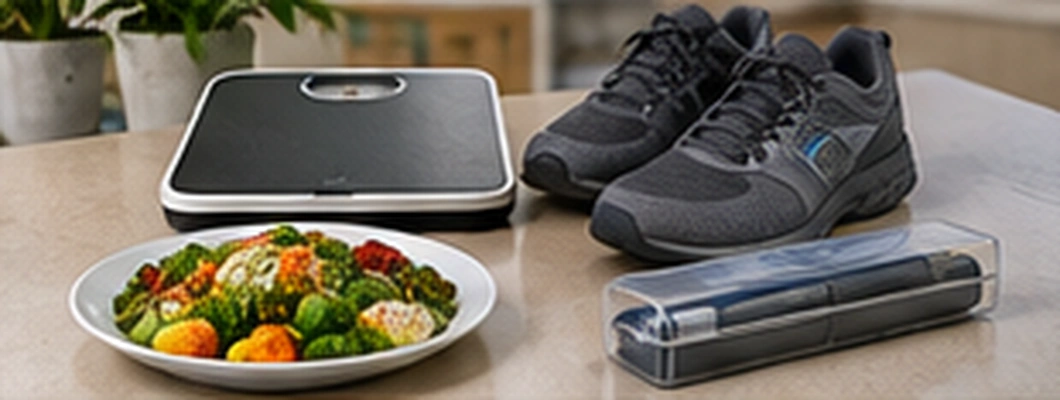
In a trial of adults without diabetes who weighed a lot, people who took semaglutide along with diet and exercise support lost about 15% of their body weight on average. Those given a fake drug with no effect lost about 2%. For someone weighing 100 kg, that is about 15 kg versus 2 kg.
Common side effects
Nausea and diarrhea
In this trial, the most common side effects were nausea and diarrhea; most were mild to moderate and faded over time. The U.S. National Institutes of Health advises against using these drugs only to improve how one looks, because side effects sometimes outweigh the benefits.

Gallbladder disease
About 2.3 times as common in weight-loss trials
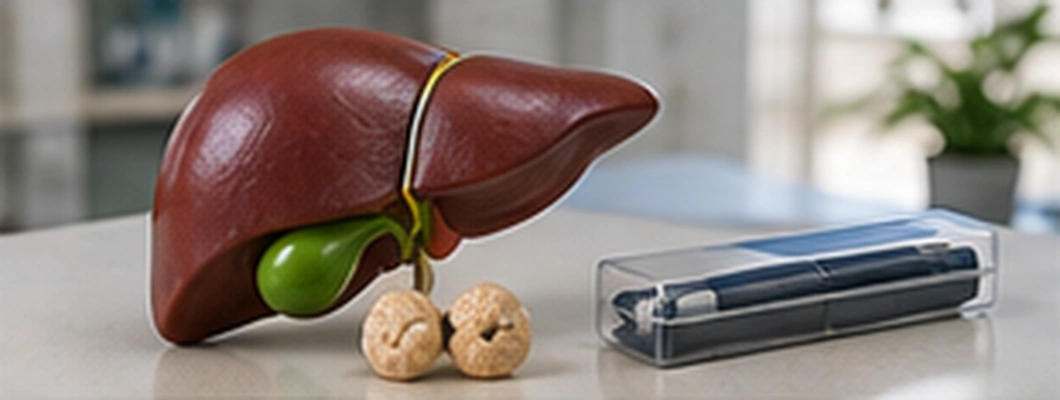
The gallbladder is a small pouch under the liver that stores 'bile', a digestive fluid made by the liver. In an analysis that pooled GLP-1 drug trials, gallbladder diseases such as gallstones and gallbladder inflammation were about 2.3 times as common as in the comparison groups in trials aimed at weight loss.
Thyroid warning
Thyroid tumors appeared in rats
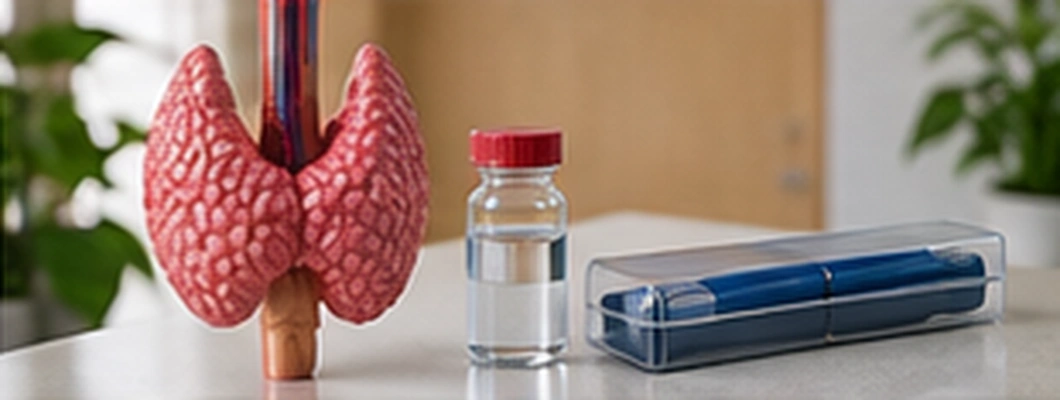
The thyroid is a butterfly-shaped organ at the front of the neck that makes hormones controlling how the body uses energy. Semaglutide caused thyroid tumors in rats. So the drug is not to be used by people who have had, or whose family has had, a certain type of thyroid cancer.
Common misconception
Does it burn fat directly?
No. What went down was how much people ate. At a lunch where people could eat as much as they wanted, those on the drug ate about 1/3 less than those on the fake drug. The energy the body used at rest was no different from the fake drug.

Summary
A copy of a fullness signal
GLP-1 weight-loss drugs copy GLP-1, a fullness hormone from the gut, and signal the brain so people eat less. They do not burn fat directly; they reduce how much people eat. Related terms: insulin, blood sugar, receptor.
The more you know, the more you grow.PHYSIQUE NEWS