In one line
IGF-1 is a hormone made mainly in the liver in response to growth hormone's signal, and it makes bones and body tissues grow.
What is IGF-1?
A name that always comes up with growth hormone
When people talk about growth hormone or muscle drugs, the name 'IGF-1' comes up too. You may also see it as an item on a hospital blood test. What is IGF-1, and what does it do in the body?
In short
A hormone made on growth hormone's signal
IGF-1 is a hormone made mainly in the liver when it receives growth hormone's signal. A hormone is a substance made in one part of the body that travels in the blood and carries a signal to another part. IGF-1 is what actually makes bones and body tissues grow.
From growth hormone to IGF-1
From the pituitary to the liver to the whole body
Growth hormone comes from the 'pituitary gland', a small organ attached to the underside of the brain. When growth hormone reaches the liver through the blood, the liver makes IGF-1 and releases it into the blood. IGF-1 is also made in other tissues such as muscle, not only the liver.
What it is made of
A chain of 70 amino acids
Amino acids are the small building blocks of protein. IGF-1 is a single chain of 70 amino acids linked together. A hormone made of such a chain of amino acids is called a 'peptide hormone'.

What the name means
Named for looking like insulin
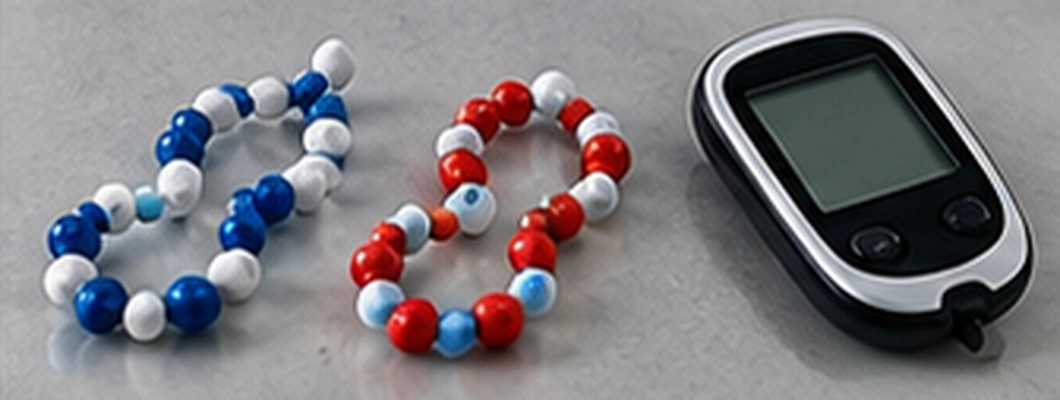
IGF-1 is short for 'insulin-like growth factor 1'. Insulin is the hormone that lowers the sugar in the blood (blood sugar). IGF-1 is shaped like insulin, and so IGF-1 also lowers blood sugar.
What it does in the body
Lengthens bones, feeds growing tissue
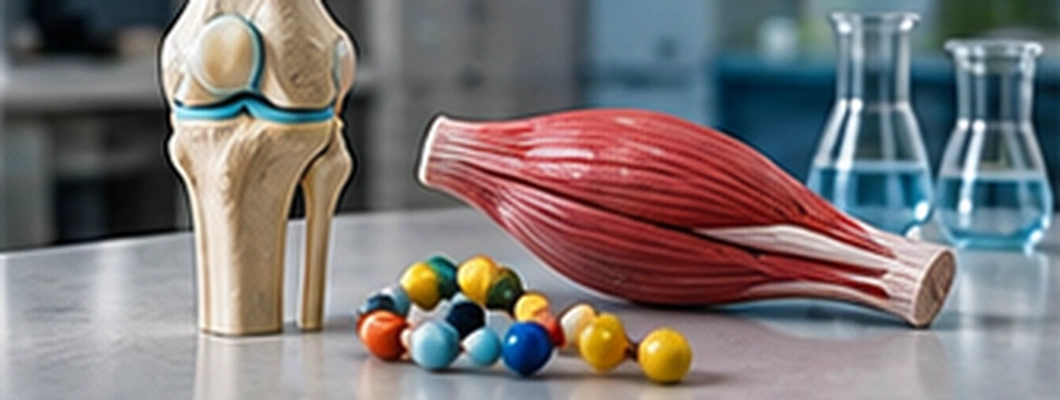
At the ends of a child's bones are 'growth plates', where new cartilage forms and the bone gets longer. IGF-1 stimulates these growth plates so the child grows taller. It also makes growing tissues take in more glucose, an energy source, and amino acids, the building blocks of protein.
Why it is used in blood tests
A number that shows how much growth hormone there is
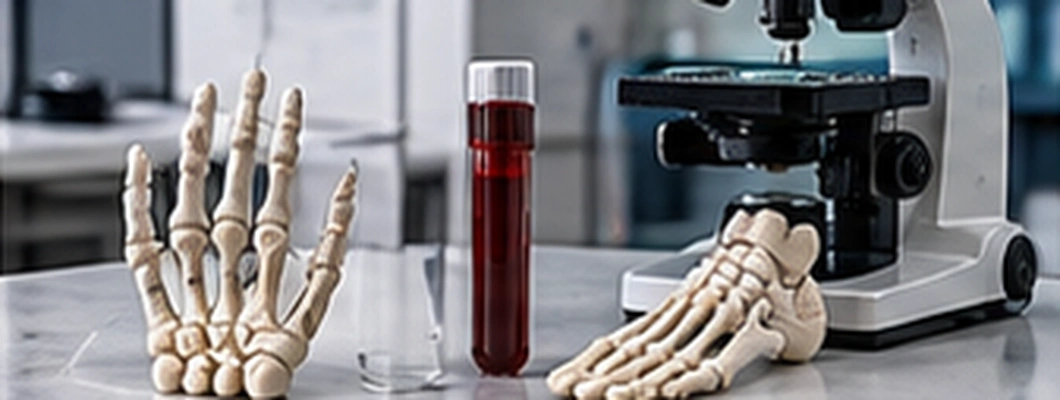
Growth hormone in the blood rises and falls a lot during the day, so a single test can hardly tell whether it is high or low. So doctors measure IGF-1 instead. It is the first test used to look for 'acromegaly', in which too much growth hormone makes the hands, feet, nose and ears grow larger.
IGF-1 as a medicine
A drug for children with a very rare condition
IGF-1 is also available as a drug made by biotechnology. In the US, it is approved to treat children who grow too little because their bodies can hardly make IGF-1. It is not a substitute for growth hormone.

Why you hear it at the gym
Misuse to build muscle
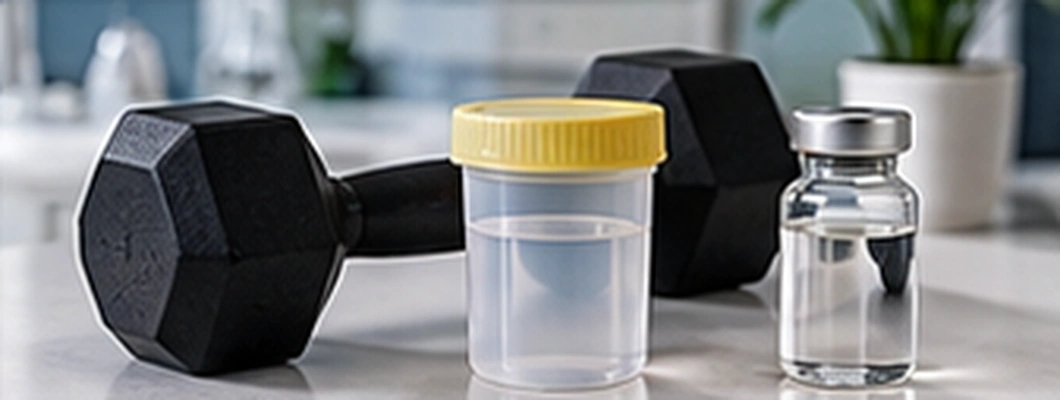
Because much of what growth hormone does works through IGF-1, some people who work out use IGF-1 without a prescription to build muscle. Using a drug wrongly or too much like this is called 'misuse'. The World Anti-Doping Agency bans IGF-1 and its modified forms at all times.
Risks
Blood sugar falling too low
IGF-1 lowers blood sugar like insulin, so a typical risk is 'hypoglycemia', blood sugar falling too low. The drug label warns of cases in which low blood sugar even led to seizures. With misuse, jaw pain, muscle aches, swelling and headaches have also been reported.
A common misconception
Does an IGF-1 drug make muscles grow?
Among people who use muscle drugs, the belief that shots of hormones like growth hormone or IGF-1 make muscles grow is widespread. But in a trial that gave people who exercise an IGF-1 drug for 4 weeks, their body weight other than fat, such as muscle, did not increase. A trial that gave it to older women for 1 year also found no increase.
Summary
A hormone that makes the body grow on growth hormone's signal
IGF-1 is a hormone made mainly in the liver in response to growth hormone's signal, and it makes bones and body tissues grow. Human trials have not shown that IGF-1 drugs increase muscle. Related terms: growth hormone drugs, insulin misuse, acromegaly.
The more you know, the more you grow.PHYSIQUE NEWS