In one line
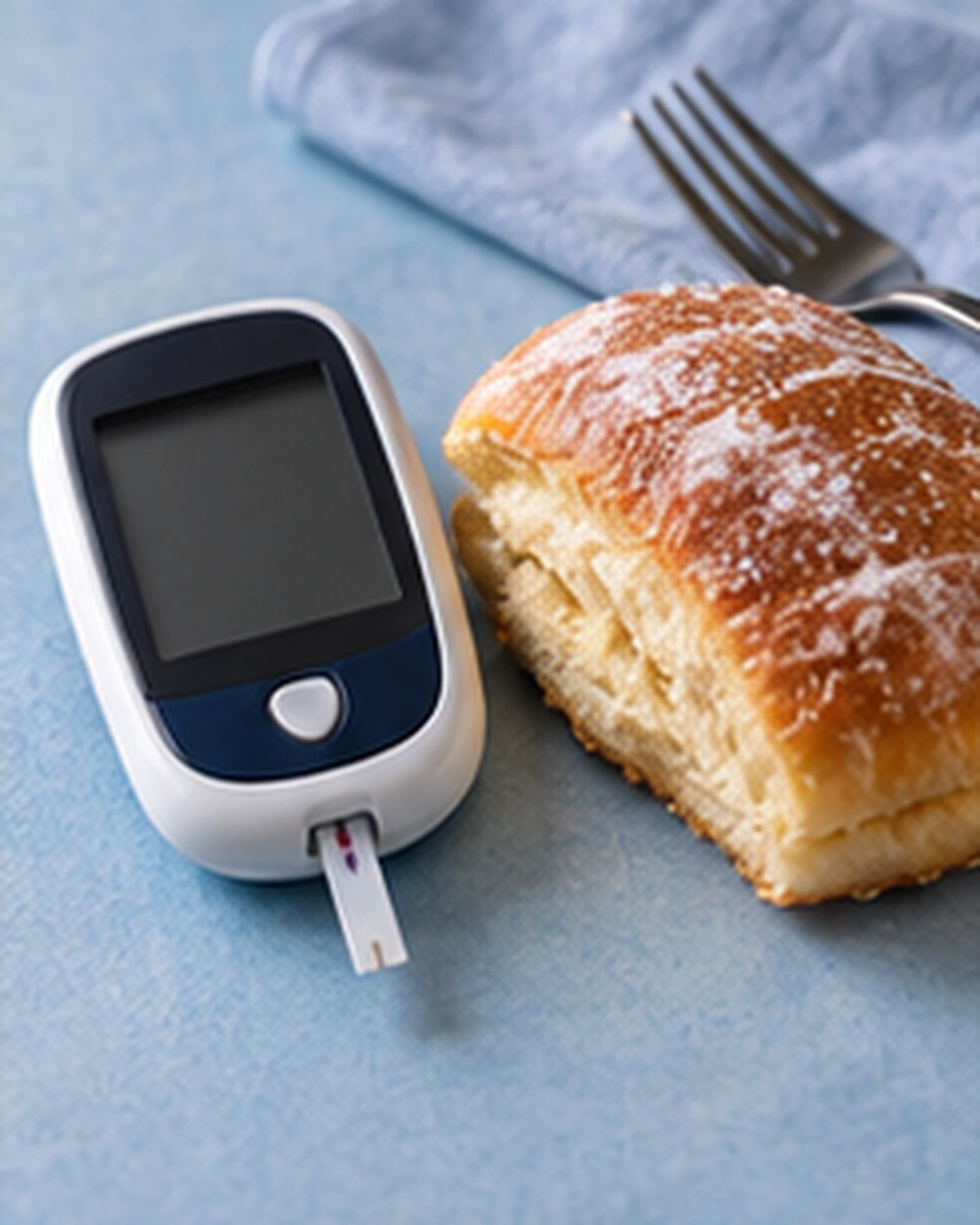
A blood sugar spike is a quick, steep rise in blood sugar after eating that then comes back down.
What is a blood sugar spike?
When blood sugar 'jumps' after a meal
Diet talk today is full of phrases like 'meals that prevent blood sugar spikes'. More people now post after-meal blood sugar graphs from a device stuck on their arm. What exactly does it mean for blood sugar to jump?

In short
A steep rise in blood sugar after eating
A blood sugar spike is a quick, steep rise in blood sugar after eating that then comes back down. Medical papers call the same thing 'postprandial hyperglycemia'. 'Postprandial' simply means after a meal.
Background
Blood sugar is glucose in the blood
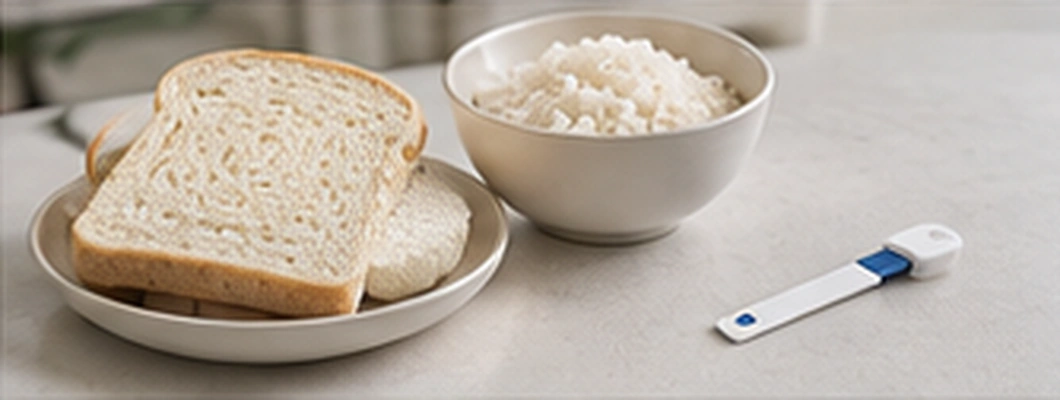
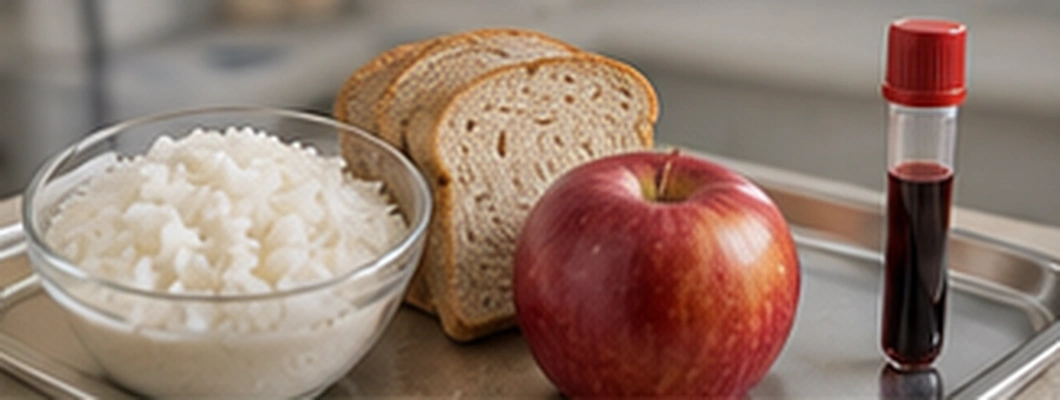
Blood sugar is the sugar dissolved in your blood, and it is mostly 'glucose'. Glucose is the main fuel your body's cells use. Carbohydrates, found in rice, bread and fruit, are quickly turned into glucose and enter the blood, so blood sugar rises after eating.
Insulin
The hormone that brings blood sugar back down
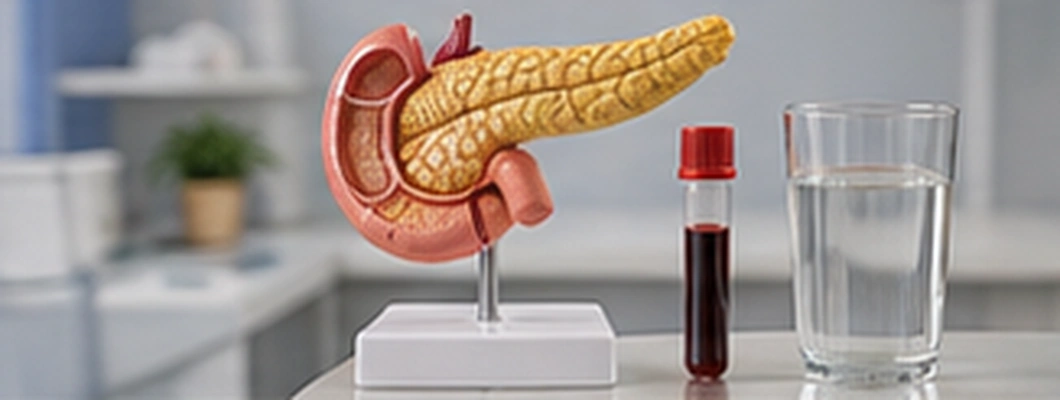
When blood sugar rises, the pancreas releases 'insulin'. Insulin is a hormone: a substance that travels in the blood and carries a signal to other parts of the body. Insulin helps glucose get into cells, which brings the raised blood sugar back down.
Normal range
Back below 140 after 2 hours
In a hospital test, you drink sugary water made with glucose and your blood sugar is checked 2 hours later. A result below 140 (in mg/dL) is normal. Higher than that is read as the stage before diabetes, or as diabetes.

Why you hear it so often now
A meter that measures all day
In the past, blood sugar was checked now and then with a drop of blood from a fingertip. Now there are 'continuous glucose monitors': a tiny sensor under the skin checks blood sugar every few minutes. These were made for people with diabetes, and as people without diabetes started wearing them, the 'spikes' on after-meal graphs became widely known.

What sets the size (1)
How much carbohydrate you eat at once
How high blood sugar rises after a meal follows how much carbohydrate you ate at once. In an experiment where people ate amounts matching one slice of bread up to six slices, blood sugar rose step by step as the amount grew. How fast each food raises blood sugar is rated separately with a score called GI (glycemic index).

What sets the size (2)
The order you eat in
With the same meal, blood sugar rose differently depending on eating order. Eating vegetables or meat first and carbohydrate foods like rice or bread last led to a smaller rise than eating the carbohydrates first. In an experiment with people in the stage before diabetes, the peak of the rise was more than 40% lower.

It differs from person to person
The same food, different rises
In a large study that tracked blood sugar after every meal for a week, the same food raised blood sugar by very different amounts in different people. The researchers combined information such as gut bacteria, usual diet and blood tests to predict each person's response in advance.

A common misconception
Is every rise after a meal a problem?
No. Blood sugar going up after eating and then coming back down is a normal response. Healthy people without diabetes still had blood sugar above 140 for about 30 minutes a day, and spent most of the day in the normal range. A review of studies also concluded that health problems are linked to spikes repeated often over a long time, not to one or two spikes.

Summary
It goes up after eating, then comes back down
A blood sugar spike is a steep rise in blood sugar after eating that then comes back down. A rise in blood sugar after meals is in itself a normal response that also happens in healthy people. Related terms: GI (glycemic index), insulin, carbohydrates.
The more you know, the more you grow.PHYSIQUE NEWS