In one line
Carnitine is a substance that carries pieces of fat into the energy-making part of cells when the body uses fat for energy.
What is carnitine?
A name you see on diet supplement labels
You often see the name 'L-carnitine' on diet supplement labels. This post explains what carnitine is, what it does in the body, where it comes from, and what happens in the body when people take it as a supplement.
In one line
A substance that carries fat into the cell's power plant
Carnitine is a substance the body needs to use fat for energy. It carries pieces of fat into the energy-making part inside cells. The body makes some itself, and some comes from foods such as meat.

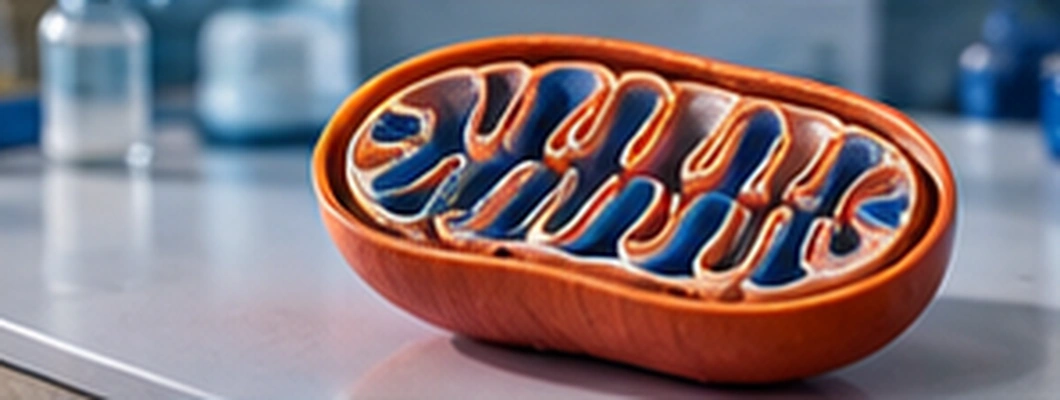
Mitochondria
The cell's power plant
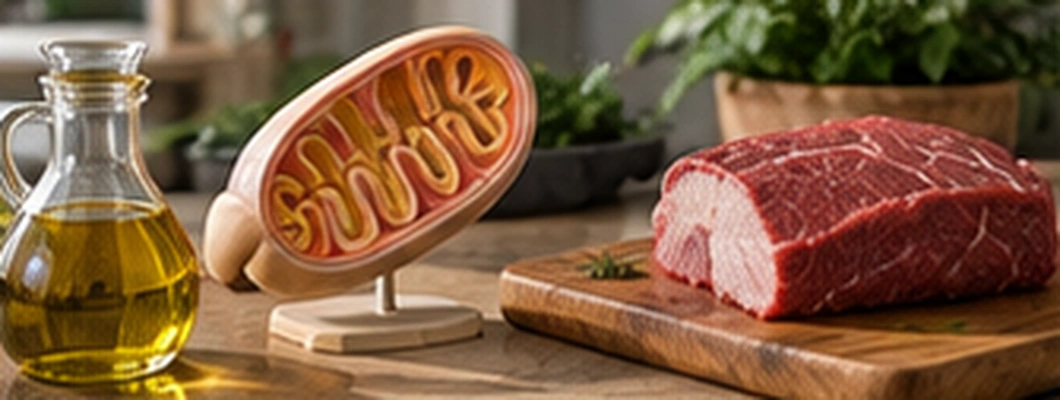
Inside cells are small parts that burn materials from food with oxygen to make the energy cells use. They are called 'mitochondria' and are often called the cell's power plants. Fat also has to get inside them to be turned into energy.
Fatty acids
Fat is split into pieces to become fuel
To use stored body fat for energy, the body first has to split it into long chain-shaped pieces called 'fatty acids'. Fatty acids are a main fuel for the heart and muscles. During long periods without food, they become the most important fuel for the heart and muscles.

What it does
Carries fatty acids into the mitochondria
Long fatty acids cannot get into the mitochondria on their own. When a fatty acid joins with carnitine, it crosses the mitochondrial wall, then lets go inside and is turned into energy. Without carnitine, fatty acids cannot become energy and build up in the cell.
Where it is
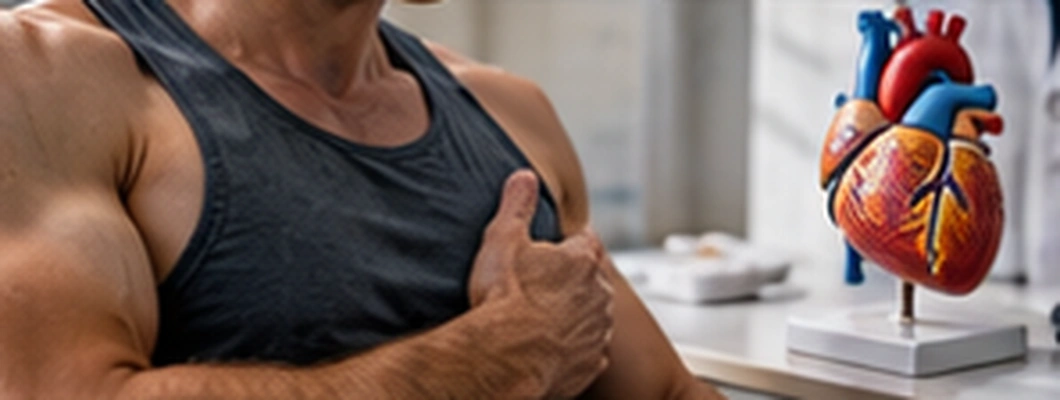
Mostly inside the heart and muscles
About 95% of the body's carnitine is inside the heart and the muscles that move the body. But muscles cannot make carnitine themselves. So they pull carnitine in from the blood and store it.
Where it comes from
The body supplies 1/4, food supplies the rest
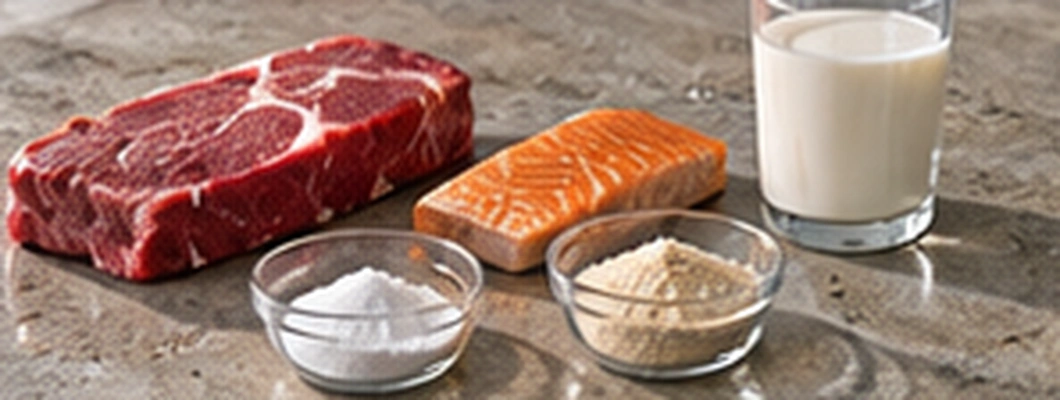
The small pieces that make up proteins are called 'amino acids'. The liver and kidneys make carnitine from two amino acids, lysine and methionine, supplying about 1/4 of what the body needs. The rest comes from food: it is especially high in red meat and is also in chicken, fish and milk.
Running short is rare
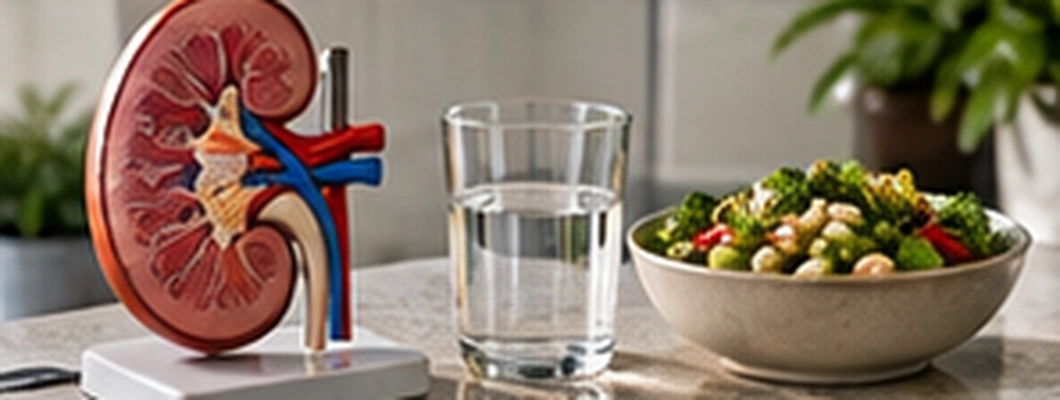
The kidneys save it
The kidneys take back almost all the carnitine that would leave in urine. That is why people who eat no meat had blood carnitine levels similar to meat eaters. Serious shortage mostly comes from a rare inherited disease (primary carnitine deficiency) in which the protein that brings carnitine into cells does not work from birth.
Taking it as a supplement
Only part of it gets into the body
Moving nutrients from the gut into the blood is called 'absorption'. Only 5-15% of carnitine taken as a supplement is absorbed. Even what is absorbed is quickly sent out in urine by the kidneys once the blood level rises above normal.
Gut bacteria and TMAO
Gut bacteria turn it into a substance called TMAO
Gut bacteria turn part of the carnitine people eat into a substance called 'TMAO'. When mice were fed carnitine for a long time, TMAO rose and more fatty deposits built up in their artery walls (atherosclerosis). In people, studies have shown as far as this: taking carnitine supplements for a few months raised blood TMAO a lot.
A common misunderstanding
Does taking it raise carnitine in muscle?
Many people think carnitine taken by mouth builds up in muscle and burns more fat. But taking the supplement alone for 2 weeks did not raise muscle carnitine. Only when it was taken with a lot of sugar twice a day for about six months did it rise, by about 21%.

Summary
A substance that carries fat into the power plant
Carnitine is a substance that carries fatty acids into the mitochondria so fat can be used for energy; the body makes some and some comes from meat. Taking it as a supplement did not simply pile it up in muscle. Related terms: mitochondria, fatty acids, TMAO.
The more you know, the more you grow.PHYSIQUE NEWS