In one line
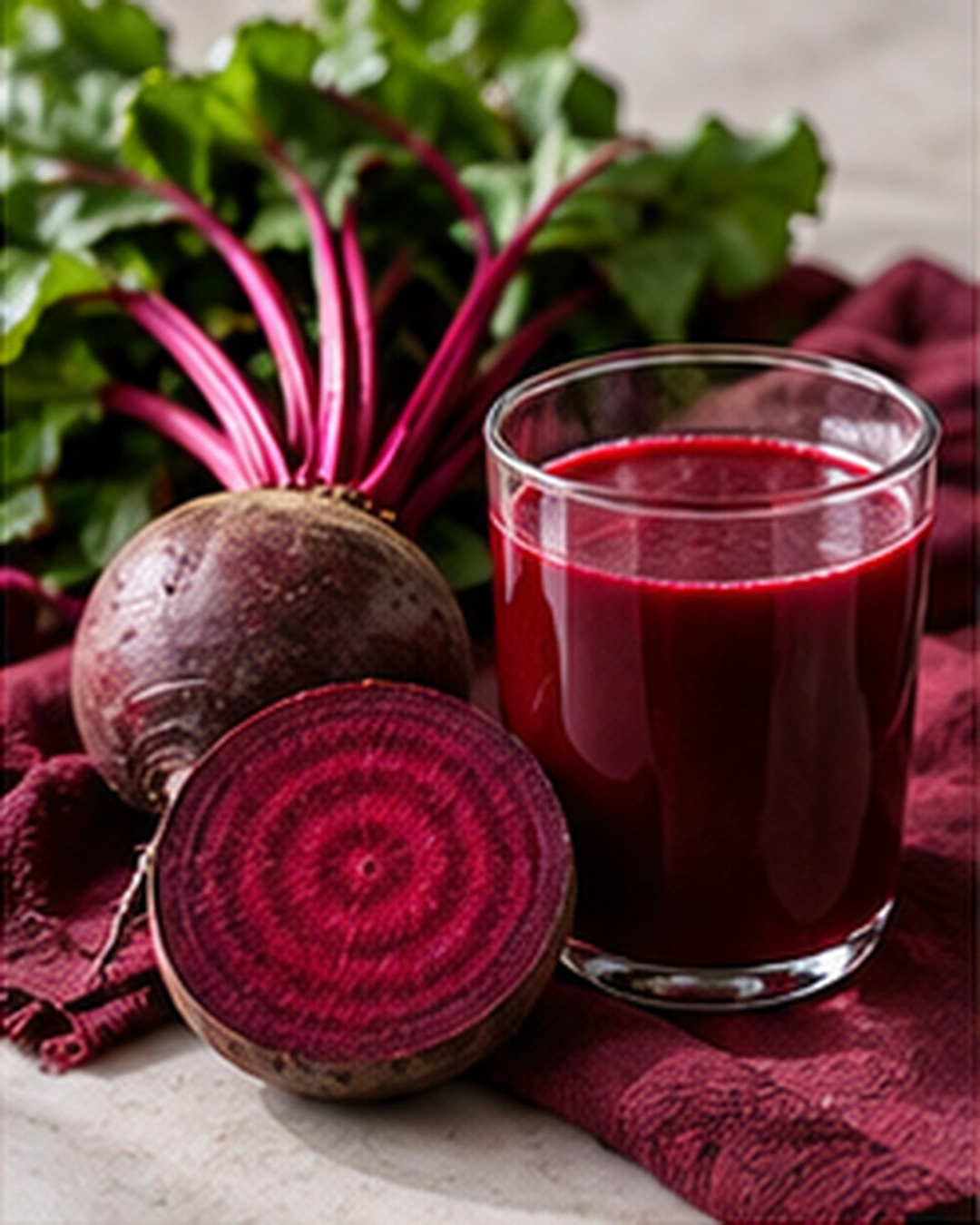
Nitrate is a substance made of nitrogen and oxygen, plentiful in vegetables, that the body uses as a raw material for nitric oxide, which widens blood vessels.
What is nitrate (beetroot juice)?
The word you hear with beetroot juice and workout supplements
You hear that people drink beetroot juice before exercise, or see the name 'nitrate' on supplement labels. Beetroot juice is a drink rich in nitrate, so the two are often mentioned together. This post explains, step by step, what nitrate is, what path it takes in the body, and what it does.

In one line
Found in vegetables, a raw material for nitric oxide
Nitrate is a small substance made of one nitrogen atom joined to three oxygen atoms. It is found in large amounts in vegetables such as beetroot, spinach and lettuce. In the body, it goes through a few steps and turns into a gas called 'nitric oxide', which widens blood vessels.
Where is it found?
Especially high in leafy greens and beetroot
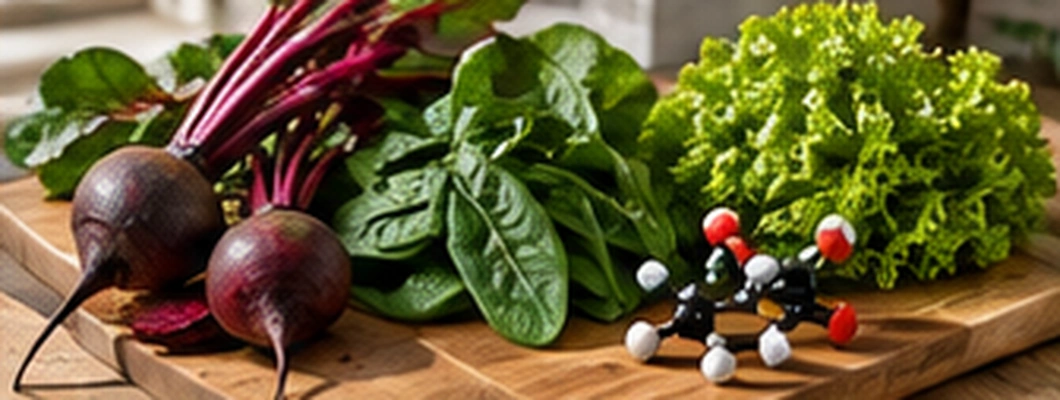
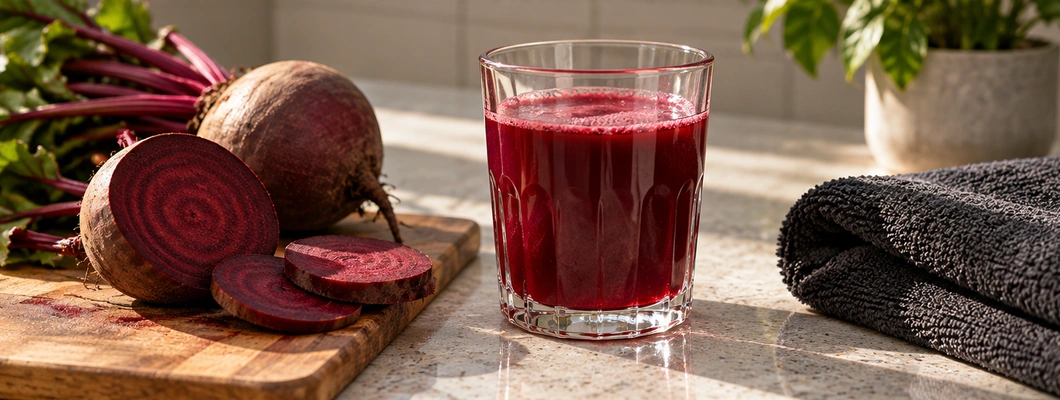
Nitrate is especially high in leafy vegetables such as lettuce, spinach, rocket and celery, and in beetroot, a root vegetable. These vegetables contain more than 250 mg of nitrate per 100 g. Beetroot juice, squeezed from beetroot, is also rich in nitrate.
What is nitric oxide?
A gas that signals blood vessels to widen
Nitric oxide is a gas made by cells in the body. It signals the muscle in blood vessel walls to relax, which widens the vessels. The body usually makes nitric oxide from 'arginine', one of the pieces that make up protein (amino acids). Nitrate is a second, different raw material.
The path through the body
Saliva → tongue bacteria → nitrite
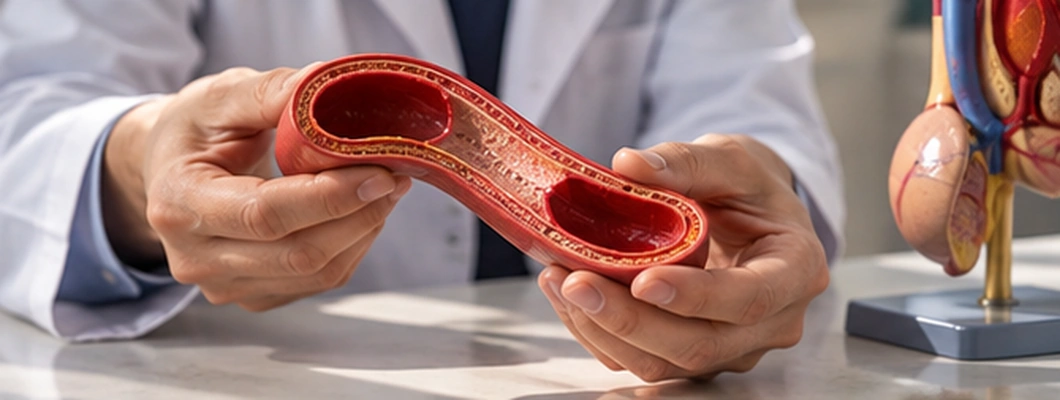
After nitrate is eaten and enters the blood, about 25% is collected by the salivary glands and mixed into saliva. Bacteria living on the surface of the tongue turn the nitrate in saliva into 'nitrite'. Nitrite is nitrate with one oxygen removed; it is swallowed, travels in the blood, and turns into nitric oxide, especially where oxygen is low.

Mouth bacteria are the key
With antibacterial mouthwash, little was converted
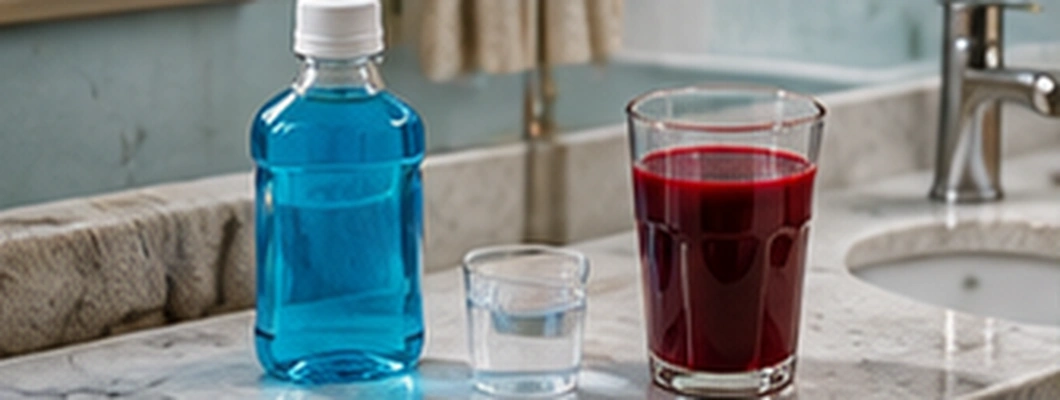
So what happens without the mouth bacteria? In a study where people rinsed with a strong antibacterial mouthwash and then took nitrate, almost none of the nitrate in saliva was turned into nitrite. Blood nitrite also rose far less than without the mouthwash.
During exercise
Less oxygen for the same work
In a study where people took nitrate for a few days and then rode an indoor bike, the oxygen needed to pedal at the same below-maximum effort was about 5% lower than after a fake pill. This means they used less oxygen for the same work, so the body made and used energy more efficiently.

Exercise performance
Slightly better than a fake pill
When studies of exercise after taking nitrate are pooled, performance was slightly better than after a fake pill. This effect was found mainly in young men who exercise for fun. In people whose endurance was already very high, there was no difference.

Amounts used in studies
2–3 hours before exercise, 310–560 mg of nitrate
An International Olympic Committee expert consensus states that exercise benefits appear within 2–3 hours of taking this much nitrate. Blood nitrite also peaks 2–3 hours after nitrate is eaten.
A caution
Water high in nitrate is dangerous for young babies
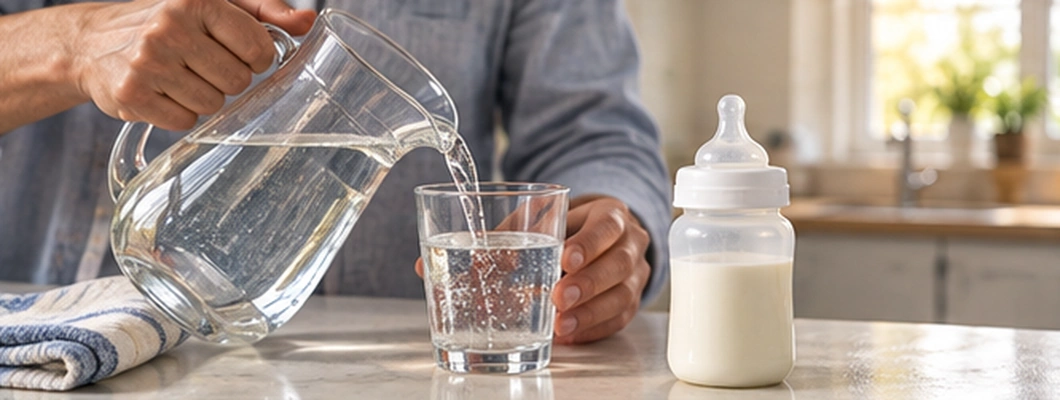
The US Environmental Protection Agency states that babies under 6 months old who drink water with more nitrate than the limit can become seriously ill, and may die if not treated. Symptoms are shortness of breath and skin turning blue. That is why drinking water has a limit for nitrate.
Common misconception
Is nitrate just an additive put in processed foods?
No. About 80% of the nitrate people get from food comes from vegetables. The nitrate in beetroot juice is the same substance as the nitrate in lettuce and spinach.

Summary
Found in vegetables, another raw material for nitric oxide
Nitrate is a substance made of nitrogen and oxygen that is plentiful in vegetables; after passing through saliva and mouth bacteria, it becomes nitric oxide in the body, which widens blood vessels. Most of the nitrate people eat comes from vegetables, and the nitrate in beetroot juice is the same substance. Related terms: nitric oxide, arginine, citrulline.

The more you know, the more you grow.PHYSIQUE NEWS