In one line
The Valsalva maneuver is a way of breathing where you take a breath, close off your airway, and push as if breathing out, raising the pressure inside your belly to stiffen your trunk.
What is the Valsalva maneuver?
'Hold your breath and tighten your belly' before a heavy lift
At the gym you often see people take a big breath and hold it right before a heavy squat or deadlift. This way of breathing is called the Valsalva maneuver. This post explains what it is and what happens in the body while you do it.
In one line
Push as if breathing out, with the airway blocked
The Valsalva maneuver means taking a breath, holding it, and pushing hard while keeping the air from getting out. It is similar to straining on the toilet. A Korean dictionary describes it as a way of breathing used mainly when exerting great force, as in weightlifting.

The door that blocks the airway
The 'glottis' in the throat closes
Inside the throat, the airway holds the vocal cords that make your voice; the vocal cords and the gap between them together are called the glottis. When the glottis closes, air cannot leave the lungs. The US National Library of Medicine's medical vocabulary defines the Valsalva maneuver as a forced effort to breathe out against a closed glottis.

A word doctors use too
In medicine it is the 'Valsalva maneuver'
In medicine, the same move is also called the Valsalva maneuver. The US National Library of Medicine's health information lists it as one way to try to stop a sudden episode of a very fast heartbeat. It is the same move: hold your breath and strain as if having a bowel movement.

What belly pressure is
The pressure inside the belly space
The pressure in the space that holds the organs of the belly is called intra-abdominal pressure, or belly pressure. It rises when the belly muscles and others squeeze. The Valsalva maneuver alone raised belly pressure, and doing it during heavy lifting raised it further. The second name in the title, belly-pressure breathing, means breathing that raises this pressure.

Why people do it
Higher belly pressure stiffens the trunk
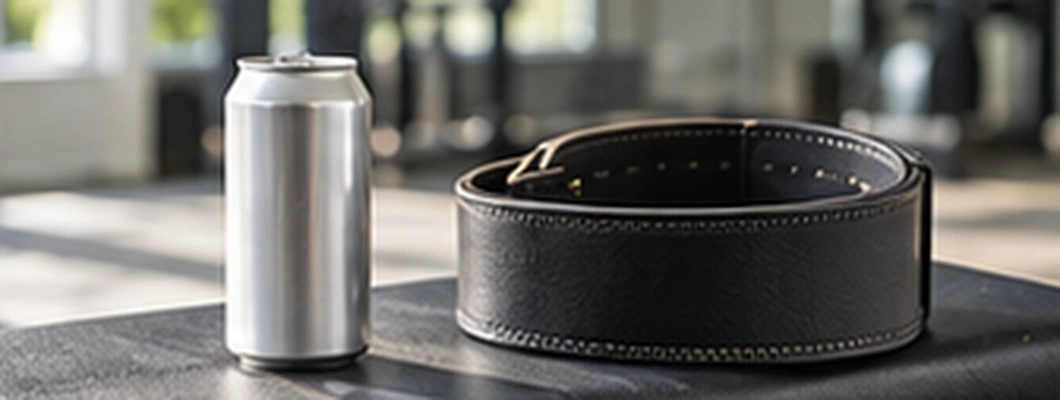
A closed can of soda is hard to crush with your hand. A trunk with raised belly pressure becomes stiff in a similar way. In experiments that raised belly pressure, the spine was more stable (it did not wobble as easily).
The heavier, the more automatic
Above 80% of full effort it could not be avoided
When people used more than about 80% of their all-out force, a brief Valsalva maneuver happened on its own. The same was true when they repeated even a light weight until they could not lift it again. That is why the Valsalva maneuver is common in heavy lifting.
Belly pressure differs by exercise
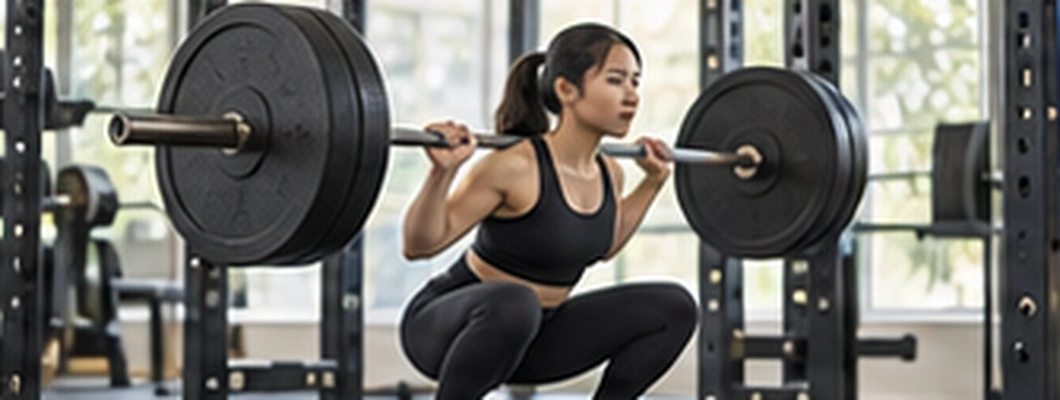
It was highest in the squat
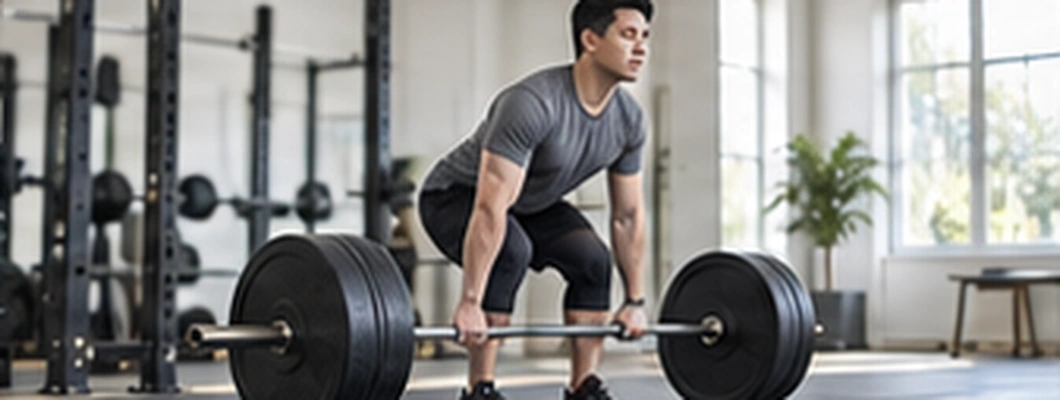
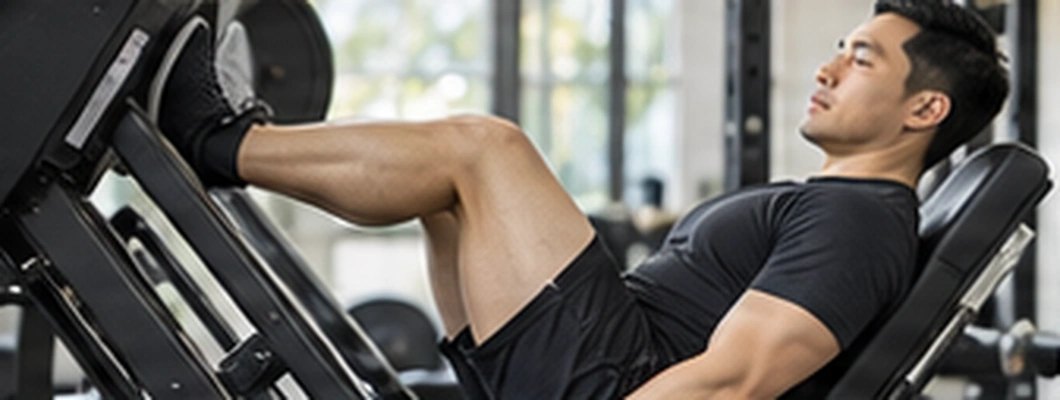
Pooling studies that measured several exercises with heavy weights, belly pressure was highest in the squat. Next came the deadlift and the machine exercise where you push a weight away with your legs. It was lowest in the bench press, where you lie down and press a barbell up.
Blood pressure rises sharply
It went well over twice the resting normal cutoff
Blood pressure is the pressure on blood vessels as the heart pushes out blood; a top number under 120, measured at rest, is normal. When people did the machine exercise of pushing a heavy weight with the legs until they could not go on, the top number rose to 320 on average. Part of this rise came from the Valsalva maneuver.
Common myth
If you breathe out while lifting, does blood pressure stay down?
No. When people did the machine exercise of pushing a weight away with the legs at their heaviest weight, slowly breathing out while pushing gave a top number about 2/3 of what it was while holding the breath. Even so, it was far above the resting normal cutoff of 120. That is because, during heavy lifting, the working muscles also squeeze the blood vessels and raise blood pressure.
Summary
Block the airway and push to raise belly pressure
The Valsalva maneuver is breathing in, closing the glottis, and pushing as if breathing out, which raises belly pressure and stiffens the trunk. Blood pressure rises sharply while you do it. Breathing out makes it rise less, but in heavy lifting blood pressure still rises. Related terms: lifting belt, squat, deadlift.
The more you know, the more you grow.PHYSIQUE NEWS