In one line
Leucine is an amino acid the body cannot make and must get from food, and it switches on the signal for muscle to start building protein.
What is leucine?
The name on protein supplement labels
On the ingredient labels of protein supplements and BCAA tubs, 'leucine' is often listed on its own. Leucine is something already found in the protein we eat. This post explains, step by step, what leucine is, what it does in muscle, and how much of it is in food.

In one line
The piece that switches on a 'build protein' signal in muscle
Leucine is one of the small pieces that make up protein, called 'amino acids'. The body cannot make it, so it has to come from food. It is best known for switching on a signal that tells muscle to 'start building new protein'.

Essential amino acids
The 9 out of 20 that must come from food
Protein is made by linking 20 kinds of amino acids into chains. 9 of them cannot be made by the body and must come from food, so they are called 'essential amino acids'. Leucine is one of these 9.

The name BCAA
Amino acids with a branched side part
Every amino acid has the same main body with a different side part attached. In leucine, this side part splits like the branches of a tree. So, together with 2 other amino acids whose side parts also branch, it is called a 'branched-chain amino acid', or BCAA for short.

Building and breaking down
Muscle protein is always being built and torn down
Muscle protein is constantly being made new while also being broken apart and removed. Making new protein is called 'synthesis', and breaking it apart is called 'breakdown'. Whether muscle grows or shrinks depends on which of the two is larger.

How the signal turns on
A switch inside the cell called 'mTORC1'
Inside cells there is a switch that decides whether to make protein, and it is called 'mTORC1'. When leucine enters a cell, a protein that recognizes leucine detects it and turns this switch on. Once the switch is on, muscle protein synthesis starts.

What studies saw
One dose more than doubled the rate of synthesis
In a study where people drank about 3.4 g of leucine once on an empty stomach, muscle protein synthesis over the next few hours ran more than twice as fast as before. This is a response over a few hours after eating, and it is not the same thing as muscle getting bigger.

Leucine that gets used up
Broken down in muscle, and a little becomes HMB
Leucine is also broken down directly inside muscle. Most of the broken-down leucine turns into other substances, and only about 5% becomes a substance called 'HMB'. HMB works in the direction of reducing the breakdown of muscle protein, and it is also sold as a separate supplement.
Leucine in food
It is already in protein foods
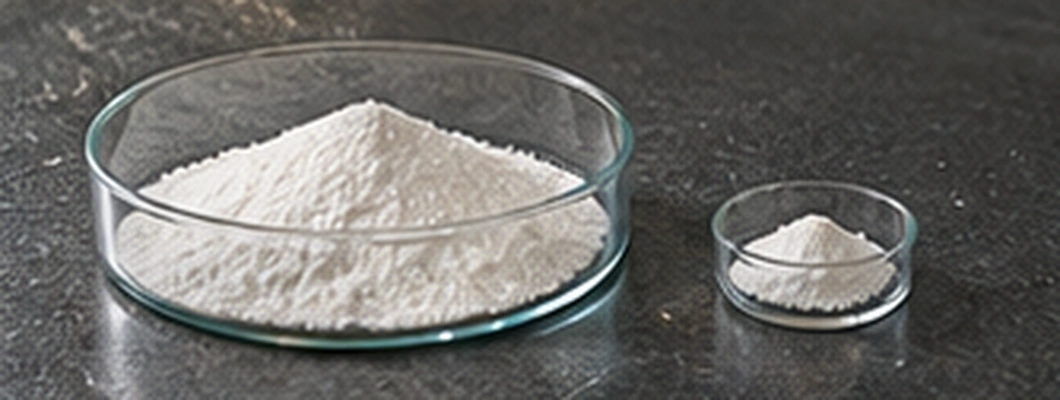
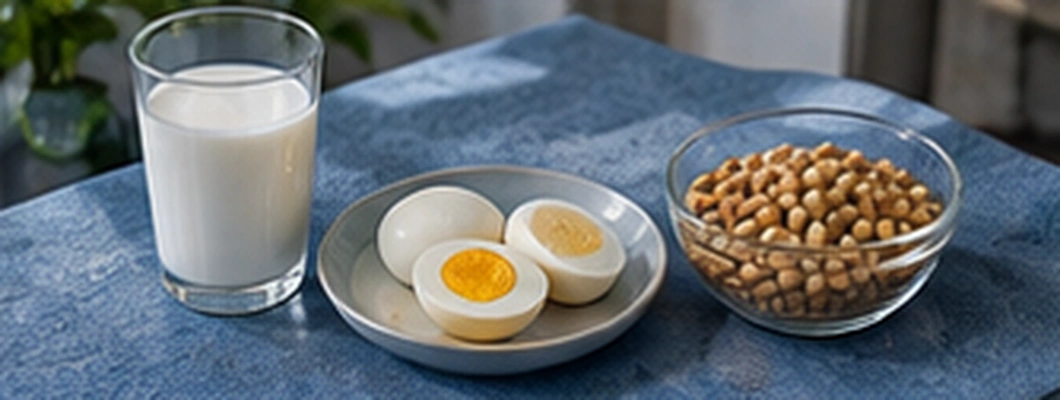
Even without taking it separately, leucine is already in protein foods such as milk, eggs and soy. In a study that measured many protein powders, leucine made up on average about 9% of animal protein and about 7% of plant protein.
Leucine in one meal's protein
20–40 g of protein holds about 1–3 g of leucine
The amount of protein per meal suggested by the International Society of Sports Nutrition contains about 1–3 g of leucine. The society explains that this much protein triggers muscle protein synthesis.

Common misconception
Is more leucine always better?
No. There is a limit to how much leucine the body can handle. In a study on men that raised leucine step by step, going above about 35 g a day for a 70 kg person made blood 'ammonia' rise above normal. Ammonia is a waste product the body makes after using amino acids.

Summary
The essential amino acid that switches on synthesis
Leucine is an essential amino acid that the body cannot make and must get from food, and it switches on the signal for muscle to start protein synthesis. It is already in protein foods, and eating more is not always better. Related terms: BCAA, EAA, HMB.

The more you know, the more you grow.PHYSIQUE NEWS