
In one line
Gynecomastia is a condition in which the balance between estrogen and male hormones tips toward estrogen, so the milk-gland tissue in a man's chest grows and the chest gets bigger.
What is gynecomastia?
A word often heard as a steroid side effect
When steroid side effects come up at the gym, the word 'gynecomastia' is never far behind. It means a man's chest getting bigger. But what exactly grows, and why does it happen?

In short
Growth of the milk glands in a man's chest
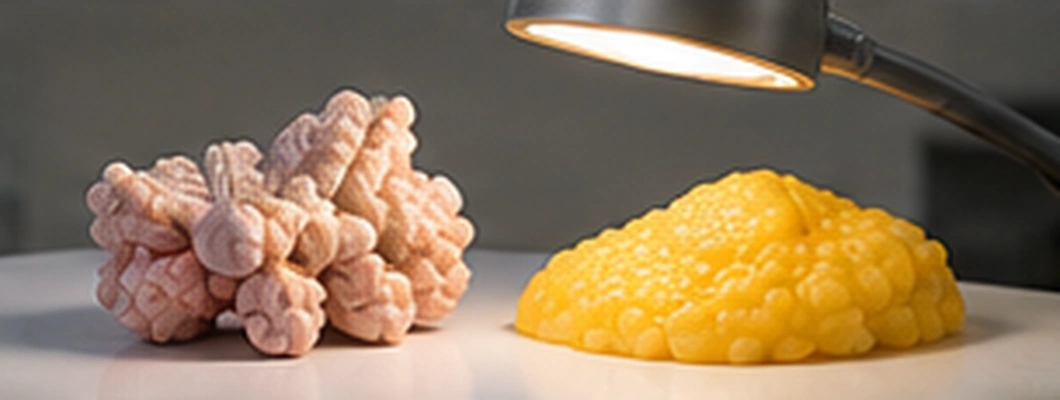
Gynecomastia is a condition in which the 'milk-gland' tissue in a man's chest grows and the chest gets bigger. Milk glands are the tissue inside the breast that makes milk. It is usually a harmless change and can appear in one or both sides of the chest.
How it starts
A small lump under the nipple
Gynecomastia starts as a small lump just under the nipple, and at first it sometimes hurts when pressed. Over time it becomes less tender and firmer. Sometimes one side is larger than the other.
The cause is hormone balance
Estrogen grows it, male hormones hold it back
A hormone is a substance made in one part of the body that travels in the blood and carries a signal to another part. Men's bodies also have the female hormone 'estrogen'. Estrogen makes milk glands grow and male hormones hold them back; when the balance tips toward estrogen, gynecomastia appears.

When it appears on its own
Newborns and puberty
Gynecomastia can appear without any disease. In newborn babies it comes from the mother's estrogen, and in puberty it comes from the body's changing hormones. About half of boys in puberty get it, and most cases go away on their own within 2 years.

Diseases and drugs
In adults, the cause is checked separately
In adults, gynecomastia often comes from another disease or a drug. Causes include liver or kidney disease, low male hormone levels, many drugs such as hair-loss and stomach drugs, and alcohol and illegal drugs. When checked properly, about half turn out to have an underlying disease.

Steroids and gynecomastia
Some male hormone turns into estrogen
An enzyme is a protein that helps turn one substance into another in the body. Some male hormone is turned into estrogen by an enzyme called 'aromatase'. When very large amounts of male hormone are put in with anabolic steroids, estrogen also becomes too high and gynecomastia appears.
How often
Nearly three times as common during steroid use
In a study that followed men starting anabolic steroids, 7% had gynecomastia before use. Right after one round of use, it was 19%, nearly three times as many. One year after starting, it was back to the starting level.

Link to breast cancer
Gynecomastia is not a step before cancer
Breast cancer in men is rare, and much rarer than gynecomastia. A European expert guideline does not treat gynecomastia as a stage before cancer. Still, when only one side grows or a hard lump is felt, doctors run tests to tell it apart from breast cancer.

If it lasts
Surgery removes it if it does not shrink
After the drug behind it is stopped or the disease is treated, doctors usually watch and wait. Gynecomastia that lasts a long time and does not shrink on its own is treated by surgically removing the milk-gland tissue. When there is a lot of gland tissue, surgery that only sucks out fat is not enough.

Common misconception
Is a fatty chest also gynecomastia?
No. When only fat builds up and the chest looks bigger, it is called 'pseudogynecomastia (fatty breast)'. Gynecomastia is growth of milk-gland tissue, so doctors tell the two apart by whether gland tissue can be felt during an exam.

Summary
Grown milk glands, not fat
Gynecomastia is a condition in which the balance between estrogen and male hormones tips toward estrogen and the milk-gland tissue in a man's chest grows. It is different from pseudogynecomastia, where only fat builds up. Related terms: estrogen, pseudogynecomastia, anabolic steroids.
The more you know, the more you grow.PHYSIQUE NEWS