In one line
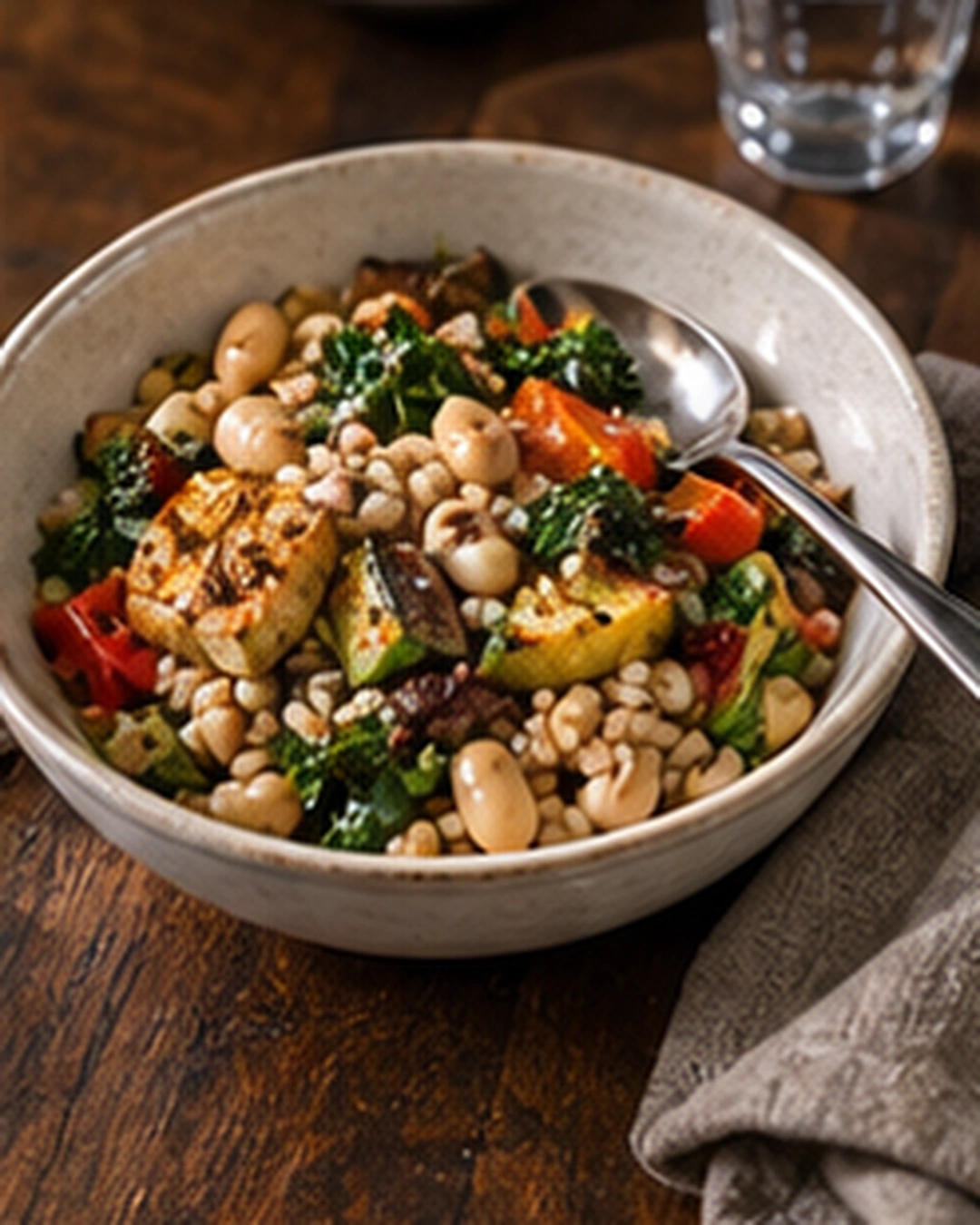
Satiety is the feeling after eating of being full, not wanting more food, and staying less hungry for a while.
What is satiety (the feeling of fullness)?
What makes a food 'filling'?
Diet talk often mentions 'filling foods'. For the same calories, some foods keep you full for a long time and others leave you hungry soon after. Where does the feeling of being full come from?
In short
Feeling full and not wanting more
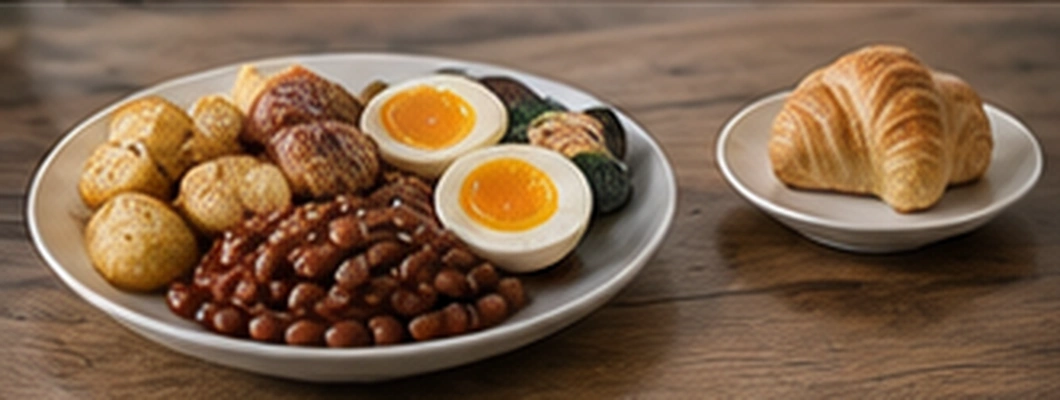
Satiety is the feeling of a full stomach after eating. The urge to eat more drops, and hunger stays lower for a while. Scientists split this feeling into two stages: during the meal and after it.

During the meal
The fullness that says 'that's enough'
The first stage comes during eating and brings the meal to an end. It is called 'satiation', and it decides how much you eat in one meal. When asked why they stopped eating, people most often said 'I was full' and 'I got tired of the taste'.

After the meal
The fullness that lasts until the next meal
The second stage holds hunger down after the meal until the next one. It is called 'satiety', and this article mostly means this stage. As the signals from processing the food fade, satiety ends and hunger comes back.

Signal (1): the stomach stretches
It reports how full it is
When food stretches the stomach, sensors in the stomach wall detect it. This signal travels to the brain along nerves. The stomach responds to volume, meaning how full it is, rather than to the nutrients in the food.
Signal (2): hormones from the gut
Released when nutrients reach the gut
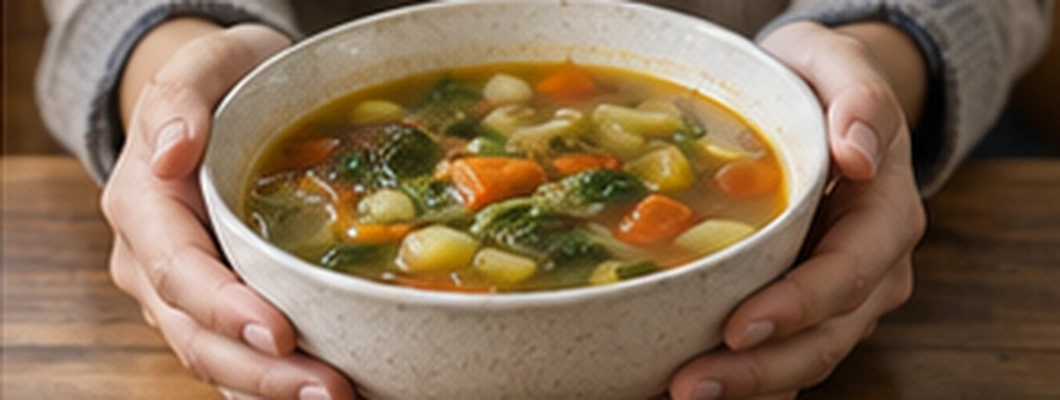
As food moves into the gut, the gut releases several 'hormones'. A hormone is a substance that travels in the blood and carries a signal to other parts of the body. CCK, GLP-1 and PYY are the main ones, and they reduce how much you eat at a time.

The hunger signal
Ghrelin rises before meals
There is also a hormone that does the opposite and calls up hunger. It is 'ghrelin', made mainly in the stomach. Ghrelin surges in the blood just before meals and falls once you eat.

How it is measured
Feeling scores and the next meal
Satiety cannot be seen, so it is measured in two ways. One is to have people mark how they feel on a line running from 'not at all full' to 'the fullest I have ever felt'. The other is to let people eat as much as they want at the next meal and weigh how much they actually ate.

What makes it bigger
More protein, fiber and water
In a study where people ate many foods in equal-calorie servings and rated their fullness, foods with more protein, fiber and water got higher fullness scores. Foods with more fat got lower scores. For the same calories, foods with a heavier serving weight also scored higher.
A common misconception
Same calories, same fullness?
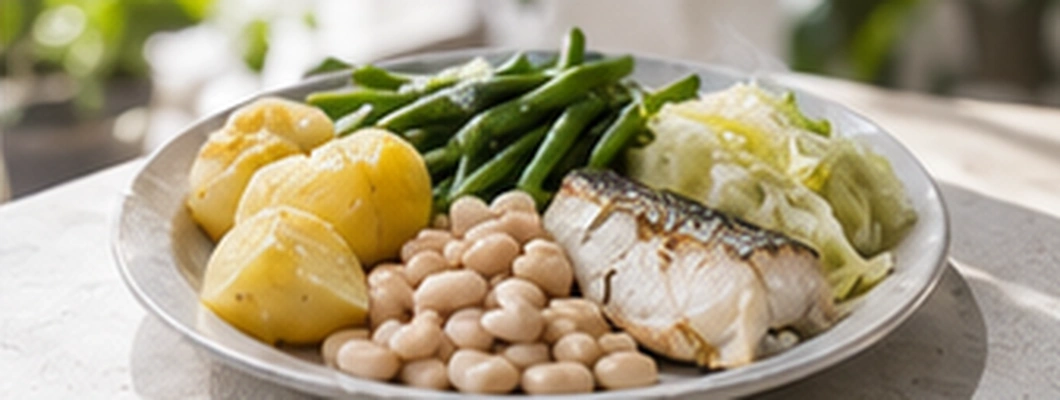
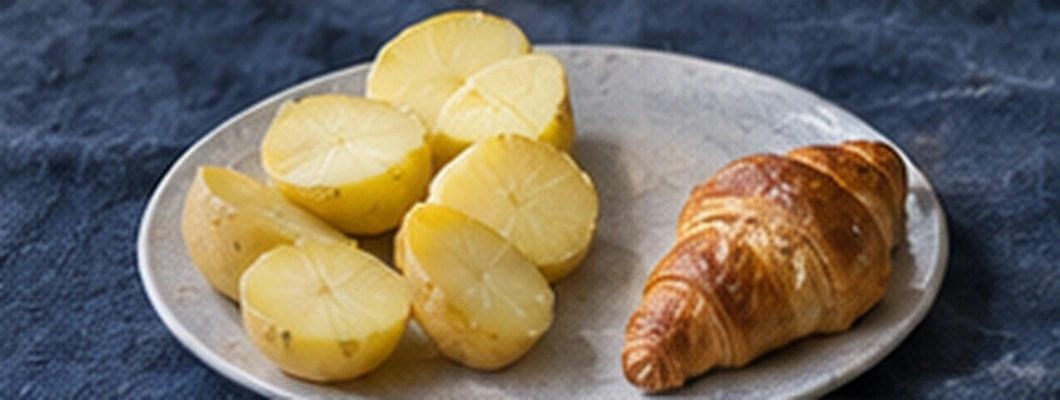
No. In the same study from the previous card, the fullness score over the 2 hours after eating was about 7 times higher for boiled potatoes than for a croissant. Even with the same calories, how full people felt varied greatly with the weight and makeup of the food.
Summary
Fullness during and after a meal
Satiety is the feeling after eating of being full, not wanting more food, and staying less hungry for a while. Even with the same calories, different foods make you feel full to very different degrees. Related terms: energy density, ghrelin, dietary fiber.
The more you know, the more you grow.PHYSIQUE NEWS