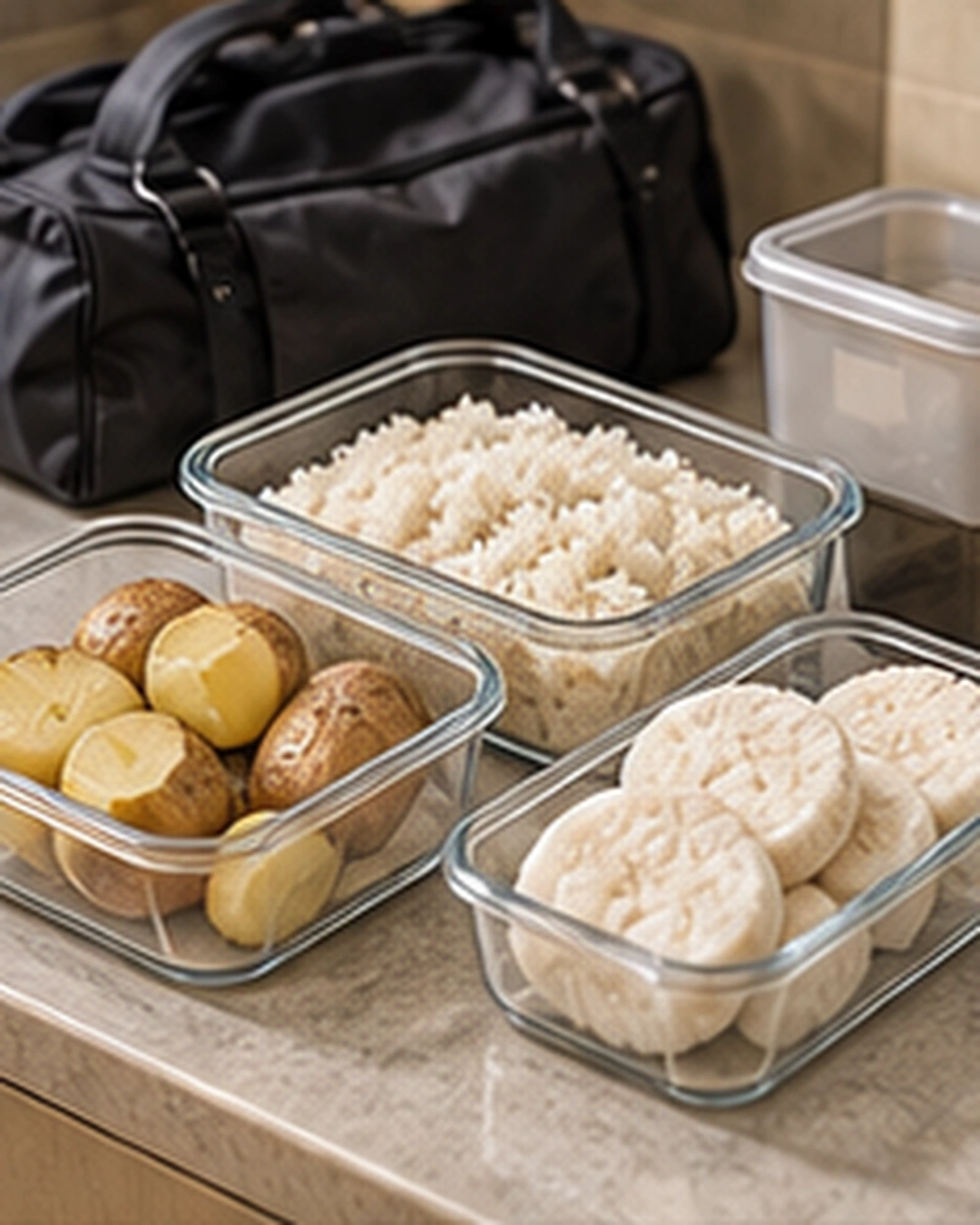
In one line
Carb loading is a way of eating more carbohydrate than usual for a few days to fill the muscles with more glycogen, their stored energy, than usual.
What is carb loading?
What it means to 'fill up on carbs' before a contest
You often hear bodybuilders say 'I'm carb loading this week' before a contest. The term actually came from long-distance running. This post explains what gets filled up, and why.

In one line
A way of eating that fills the muscles' energy store
Carb loading means eating more carbohydrate than usual for a few days so the muscles store more energy than usual. It is short for 'carbohydrate loading'.

Background - carbs and glucose
Rice, bread and noodles become glucose in the body
Carbohydrate is the nutrient found in large amounts in rice, bread, noodles and fruit. Most of the carbohydrate you eat is broken into small pieces in the body and becomes a sugar called 'glucose'. Glucose travels in the blood and is used as energy to move the body.

Background - glycogen
Spare glucose stored in the muscles and liver
The body links glucose it does not need right away into long chains and stores them in the muscles and liver. This stored form is called 'glycogen'. It works the same way plants store spare sugar as starch.

Where it started
Swedish exercise research in the 1960s
Carb loading started with research in Sweden in the 1960s. The researchers looked at how the amount of glycogen in muscle related to the ability to keep going in long exercise. So at first, it was a method for endurance sports such as long-distance running and cycling.

The original goal
To tire later in long exercise
Filling up with more glycogen than usual delayed the point of exhaustion in endurance exercise lasting more than 90 minutes. In this kind of exercise, people tire around the time muscle glycogen runs almost empty. In running or cycling lasting 60-90 minutes, it did not help.

How it is done
Empty first, then fill
The traditional way is to cut carbohydrate sharply for a few days and use up glycogen with exercise, then eat a lot of carbohydrate for a few days. Emptying and then refilling stores more than before. This is called 'supercompensation'.
In bodybuilding
To make the muscles look full
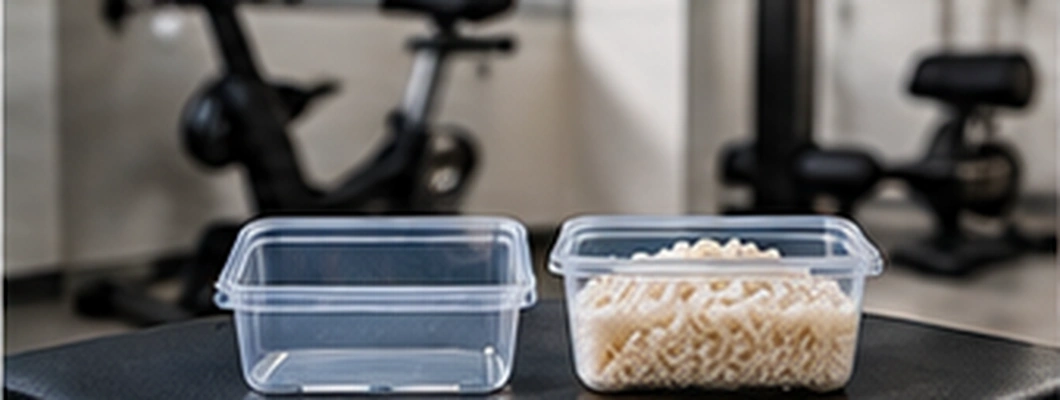
Bodybuilders often carb load in the last week before a contest, called 'peak week'. The goal is not to last longer, but to fill the muscles with glycogen so they look full. In a survey of British natural contest competitors, more than eight in ten did it. But few experiments have checked whether this really makes muscles look bigger on stage.

Water is stored too
About 3-4 g of water per 1 g of glycogen
Glycogen is not stored alone; it holds on to water. When 1 g of glycogen is stored in muscle, about 3-4 g of water goes in with it. So carb loading increases the water in the muscles and also raises body weight.

Common misconception
Is all the weight gained after carb loading fat?
No. When glycogen is stored, 3-4 times its weight in water is stored along with it. So this water is a big part of why body weight rises quickly over a few days of eating lots of carbohydrate. When carbohydrate is cut again and the glycogen is used up, this water leaves too.

Summary
Filling the muscles' energy store to the top
Carb loading means eating lots of carbohydrate for a few days to fill muscle glycogen higher than usual. Water stored along with glycogen is a big part of the weight gained. Related terms: glycogen, peak week, water cut.

The more you know, the more you grow.PHYSIQUE NEWS