In one line
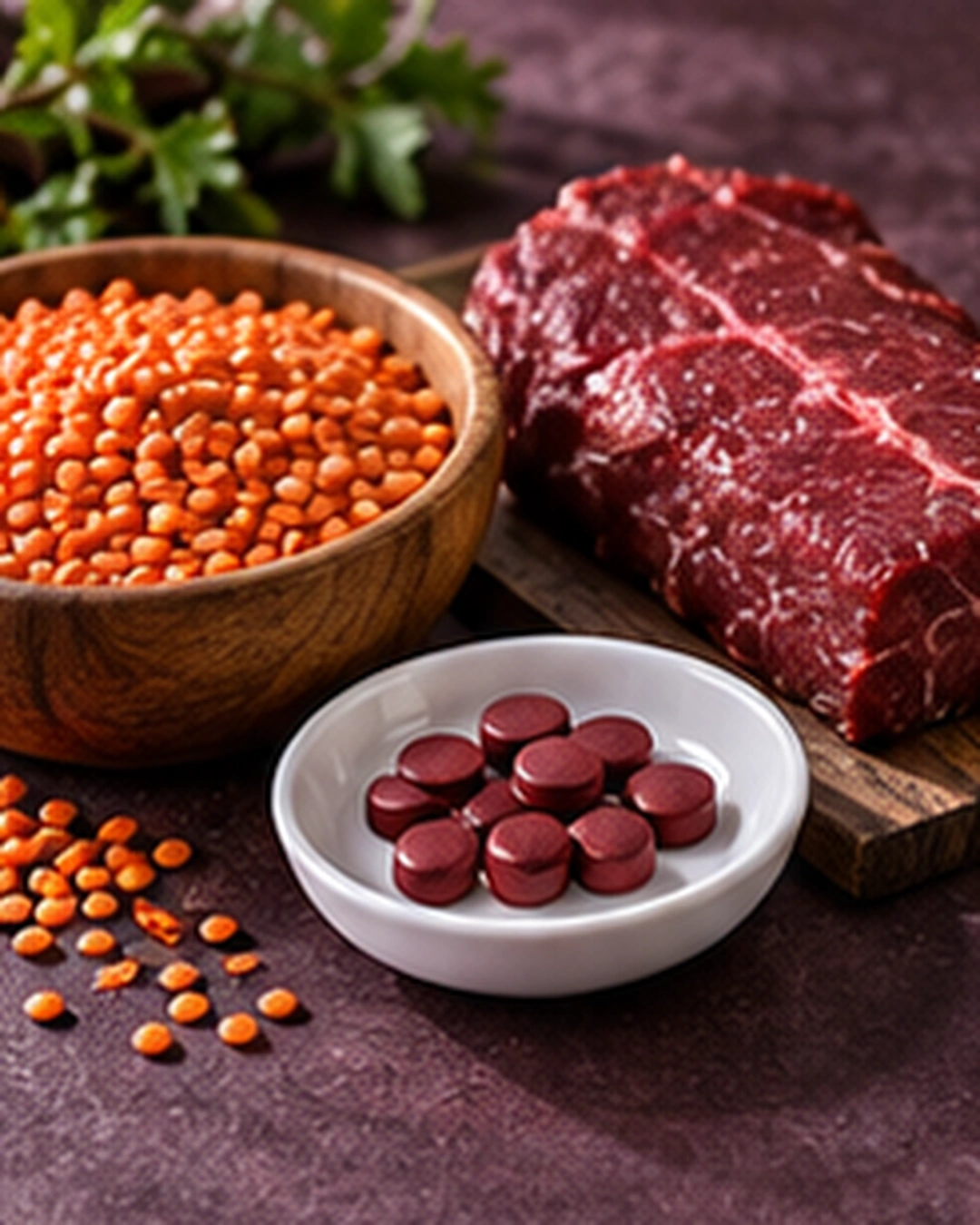
Iron is a mineral found in food and supplements that lets your blood carry oxygen to every part of the body.
What is iron?
The word you see on blood tests and supplement bottles
Blood test results often mention 'anemia', and supplement bottles often say 'iron'. What is iron, and what does it do in the body? This post covers what iron does, the two kinds of iron in food, and what happens when you have too little or too much.
In one line
The mineral that lets blood carry oxygen
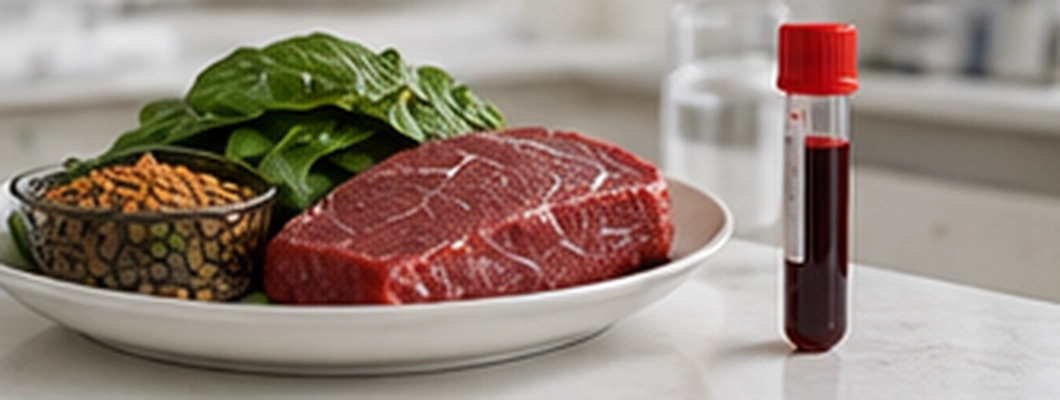
Minerals are elements the body needs, like calcium, iron and zinc. Iron is one of them, found in food and supplements. The body uses iron so that blood can carry oxygen from the lungs to every part of the body.
Hemoglobin
The protein in red blood cells that grabs oxygen
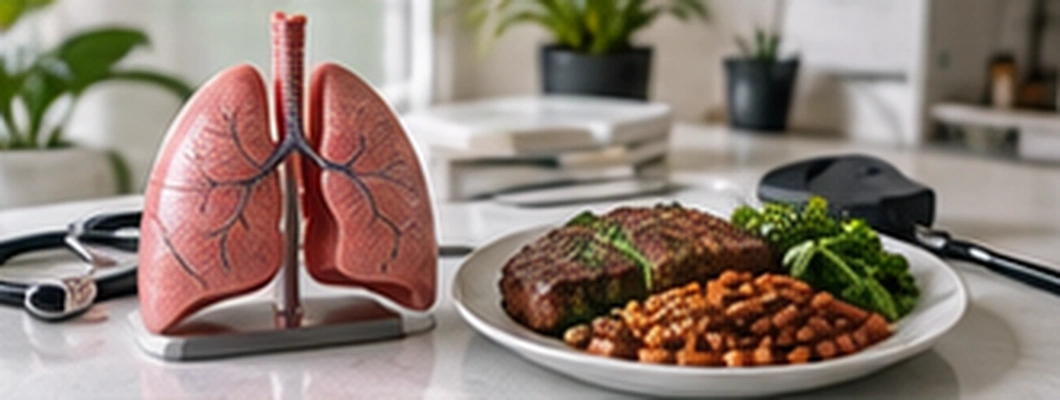
Blood contains cells called 'red blood cells' that carry oxygen. Each red blood cell is packed with a protein called 'hemoglobin', and hemoglobin contains iron. That iron grabs oxygen in the lungs and releases it around the body.
Iron in muscle
Myoglobin stores oxygen in muscle
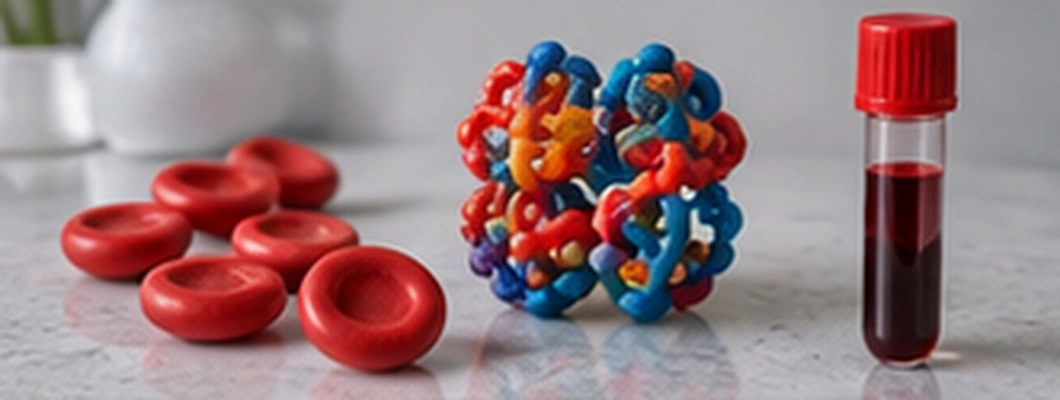
Muscle has iron too. A muscle protein called 'myoglobin' also holds iron. If hemoglobin carries oxygen in the blood, myoglobin stores oxygen inside the muscle for the muscle to use.

Two kinds of iron
Heme iron in meat, non-heme iron in plants
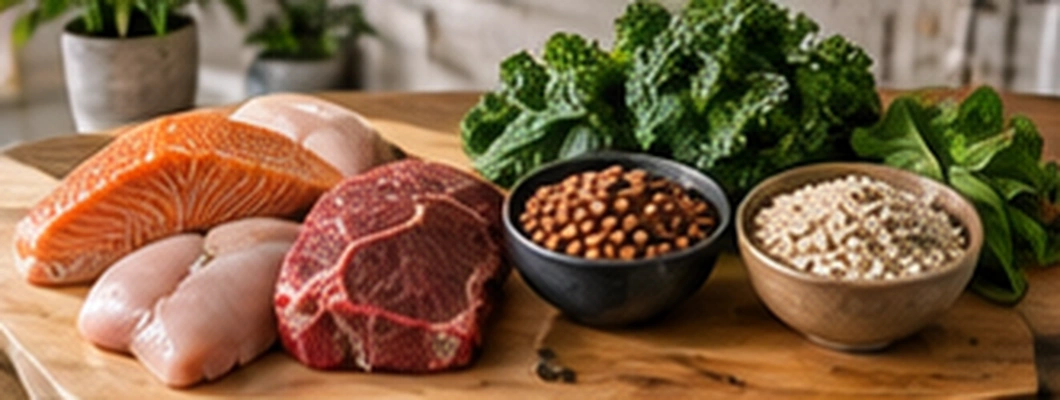
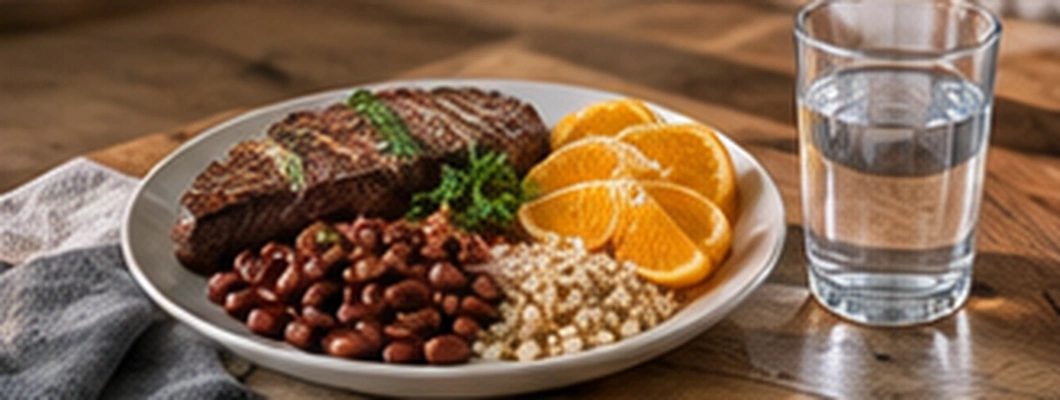
Iron in meat, fish and chicken is called 'heme iron'. Iron in beans, vegetables and grains is called 'non-heme iron'. When digested nutrients pass from the gut into the blood, that is called 'absorption', and the body absorbs heme iron better than non-heme iron.
What helps and what blocks
Vitamin C helps, black tea blocks
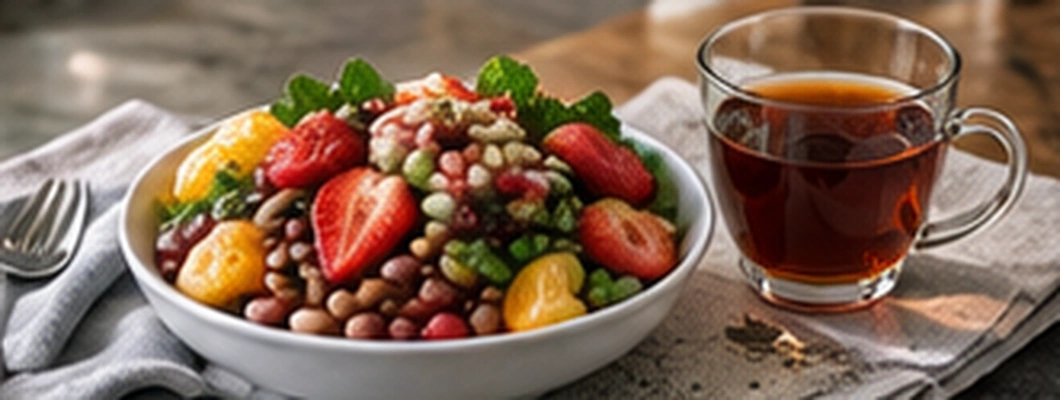
Eating foods rich in vitamin C, like oranges, strawberries and tomatoes, at the same meal helps iron get absorbed. Black tea, on the other hand, contains substances that stick to the iron in food so the body cannot use it.
Storage and recycling
The body stores iron and reuses it
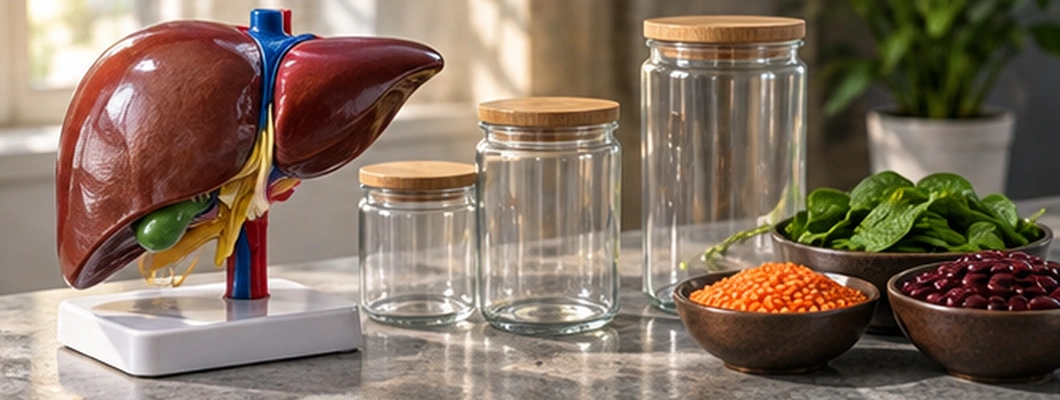
The body stores iron inside a protein called 'ferritin', mostly in places like the liver. That is why a ferritin blood test shows how much iron is stored. When old red blood cells break down, the body takes out their iron and reuses it to make new red blood cells.
How much per day
Men 8 mg, women aged 19 to 50 18 mg
Under US standards, the daily recommended amount is 8 mg for adult men and 18 mg for women aged 19 to 50, more than double. People with heavy periods, pregnant people and frequent blood donors are among those more likely to run low on iron.

When you run low
Iron-deficiency anemia
If iron stays low for a long time, the body cannot make enough hemoglobin, and 'iron-deficiency anemia' develops. Anemia means the blood cannot carry enough oxygen. At first there are often no symptoms; over time people tire easily, get short of breath and have headaches.

Side effects of iron pills
An upset stomach, and a danger to children
With the most common iron pill, about 1.6 times as many people had stomach side effects, like an upset stomach or constipation, as with a fake pill. Also, the US requires iron-containing supplements to carry a warning that accidental overdose is a leading cause of fatal poisoning in children under 6.

A common misconception
Does spinach alone fill you up on iron?
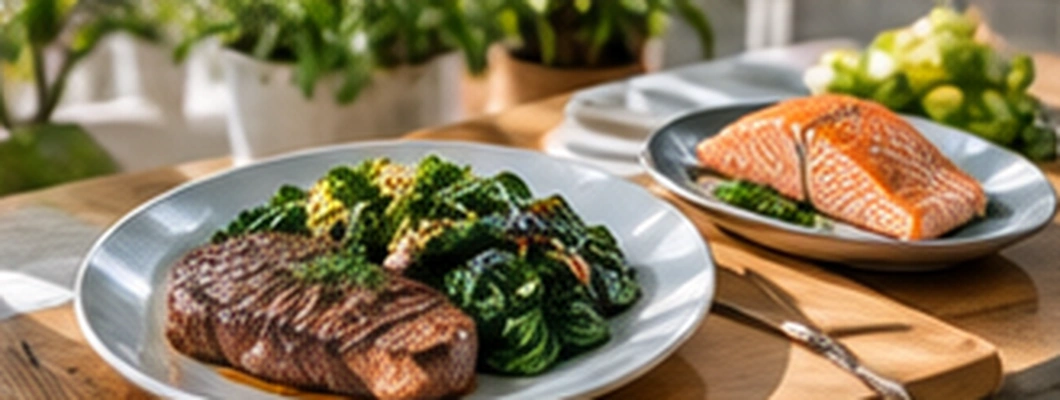
No. Spinach does contain iron: about 2.7 mg in 100 g of raw spinach. But non-heme iron in vegetables is absorbed less than heme iron in meat. Eating meat or fish with vegetables in the same meal can raise absorption of the vegetables' iron up to 3 times.
Summary
The mineral that carries oxygen
Iron is the mineral that lets blood carry oxygen to the whole body. Iron from vegetables is absorbed less than iron from meat, and eating it with meat or vitamin C raises absorption. Related terms: hemoglobin, anemia, ferritin.
The more you know, the more you grow.PHYSIQUE NEWS