In one line
Calisthenics (bodyweight training) is strength training without barbells or machines that uses your own body weight as the load you lift.
What is calisthenics (bodyweight training)?
Training without equipment, like push-ups and pull-ups
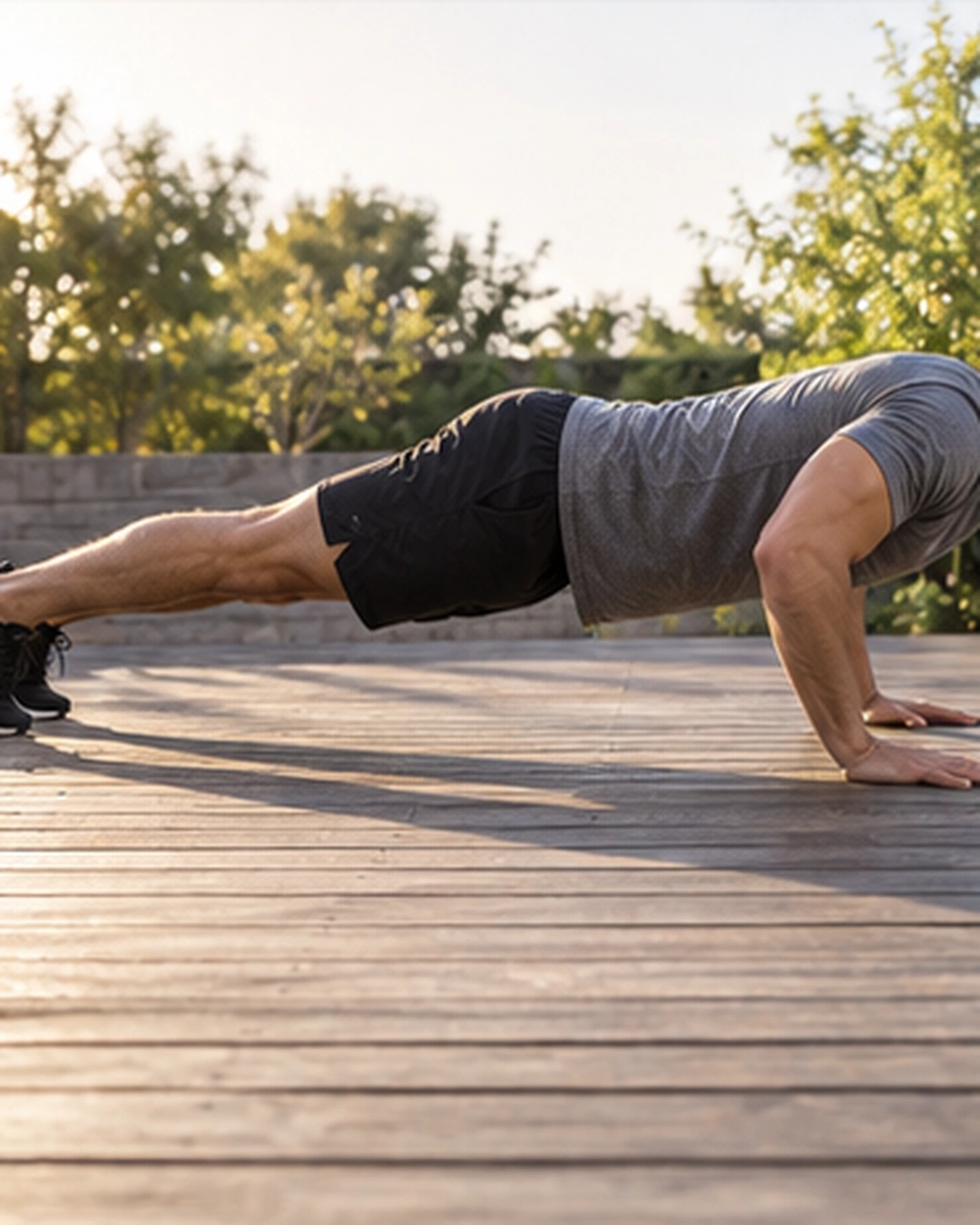
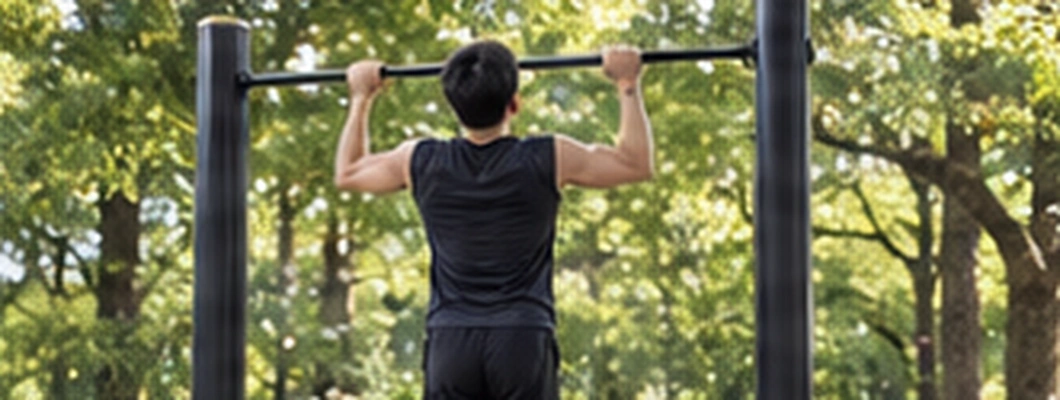
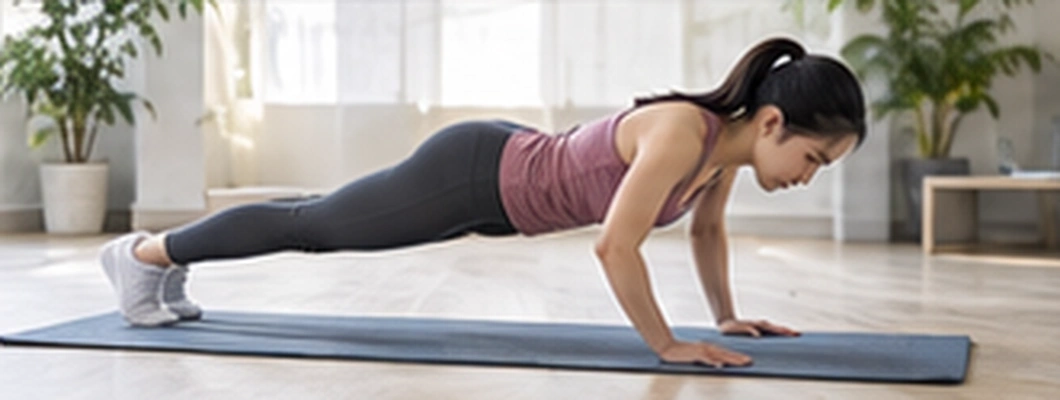
People hanging from a park bar and pulling themselves up, or lying face down at home and pushing up with their arms, are a common sight. Training like this with only your body, without barbells or machines, is called bodyweight training. This post explains what it is, which muscles it uses, and how the load is changed.
In one line
Strength training that uses your own body weight as the load
Calisthenics is strength training without barbells or machines, using your own body weight as the load you lift. In English it is also called 'bodyweight training'. It needs almost no equipment, so it can be done almost anywhere.
What the name means
A blend of 'beauty' and 'strength'
Calisthenics combines the ancient Greek word 'kallos', meaning 'beauty', and 'sthenos', meaning 'strength'. It carries the idea of using body weight to build both a good-looking body and strength.

Typical moves
Push-ups, pull-ups, squats, lunges, dips
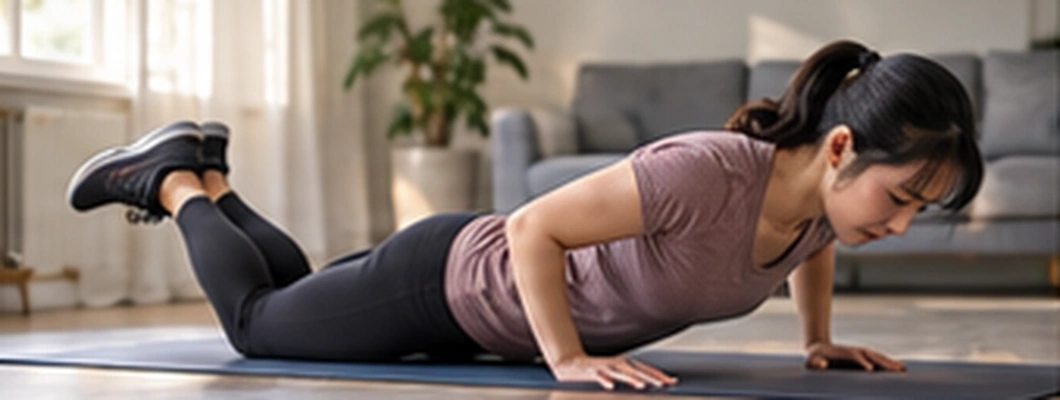
Typical moves are the push-up, lying face down and pushing the body up with the arms, and the pull-up, hanging from a bar and pulling the body up. Squats (sitting down and standing up), lunges (stepping forward, lowering, and standing up), and dips (supporting the body on both hands, lowering and raising it) are also bodyweight moves.
How muscle work is measured
Electrical signals from muscles: EMG
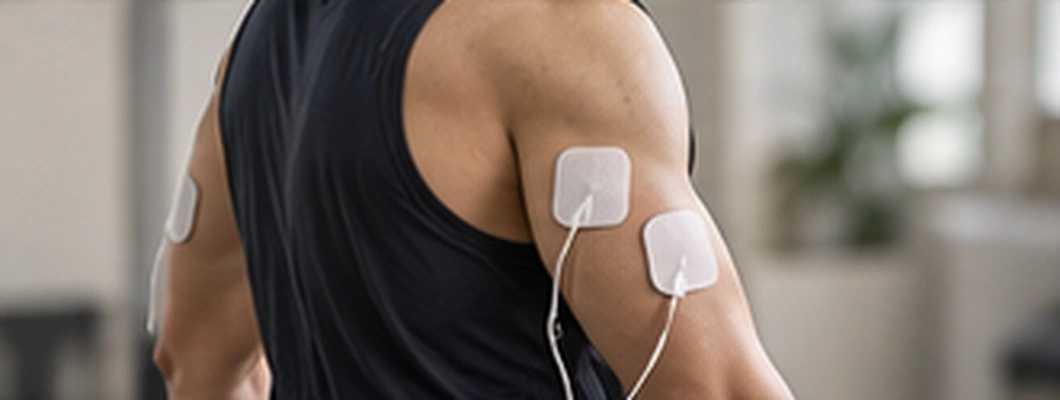
Muscles give off very weak electrical signals when they produce force. Recording these signals with sensors on the skin is called 'electromyography' (EMG). Studies compare the size of these signals to see which muscles worked and how hard.
Muscles used in push-ups
The chest's pectoralis major and the triceps
EMG showed that push-ups work the pectoralis major, which covers the chest, and the triceps at the back of the upper arm hard. The back part of the deltoid, the shoulder muscle, worked little.
Do you lift your whole body weight?
A push-up is about 2/3 of body weight
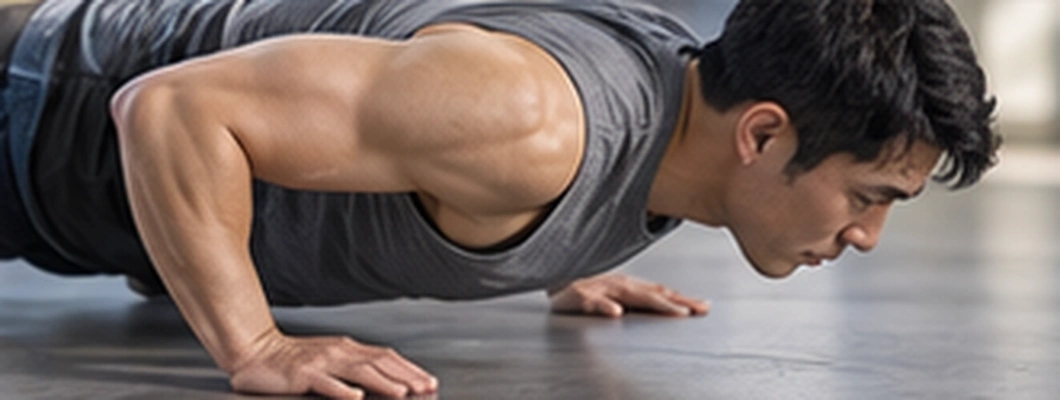
During a push-up, not all of your body weight rests on your hands, because your toes also support the body on the floor. Measuring the force pressing on the floor showed that in a regular push-up the hands support about two-thirds of body weight. At 70 kg of body weight, that is about 45 kg.
Making it harder step by step
Changing the move to add stress
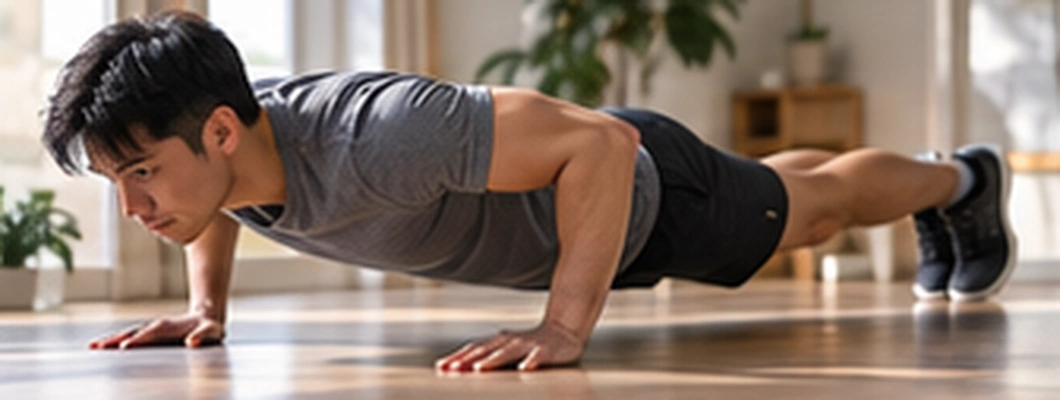
Gradually increasing the stress on muscles is called 'progressive overload'. In calisthenics, instead of adding weight, the move is changed to a harder version to add stress. In a study where people trained with push-ups that got gradually harder, strength increased.
Common myth
Can't you change the load in bodyweight training?
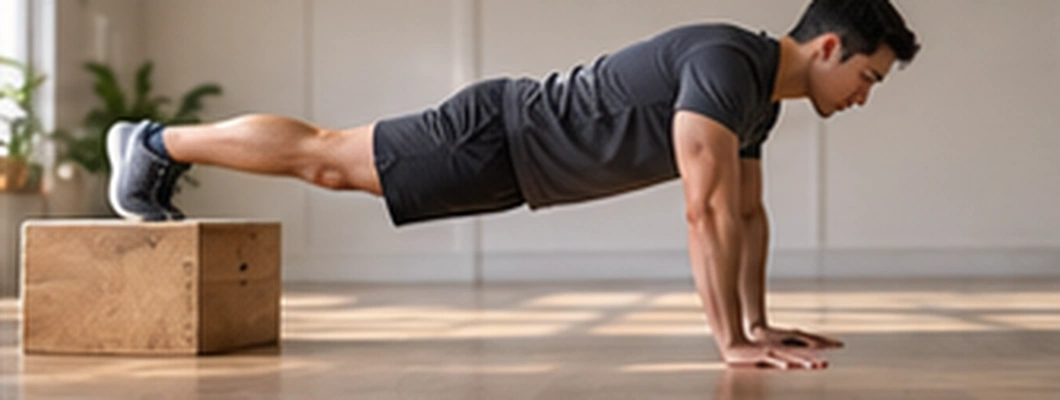
It is easy to think that bodyweight training always lifts exactly your body weight. But changing your position changes the load on your hands. With knees on the floor it drops to about half of body weight, and with feet on a box it gets heavier. People also add a weight plate on the back or a rubber band to make it heavier.
Summary
Body weight as the load, adjusted by position
Calisthenics (bodyweight training) is strength training without equipment that uses your own body weight as the load. You do not simply lift your whole body weight; you adjust load and difficulty by changing position and the move. Related terms: pull-ups and chin-ups, dips, progressive overload.

The more you know, the more you grow.PHYSIQUE NEWS