In one line
Caffeine is a substance found in plants such as coffee and tea that blocks the sleepiness signal in the brain and makes you feel more awake.
What is caffeine?
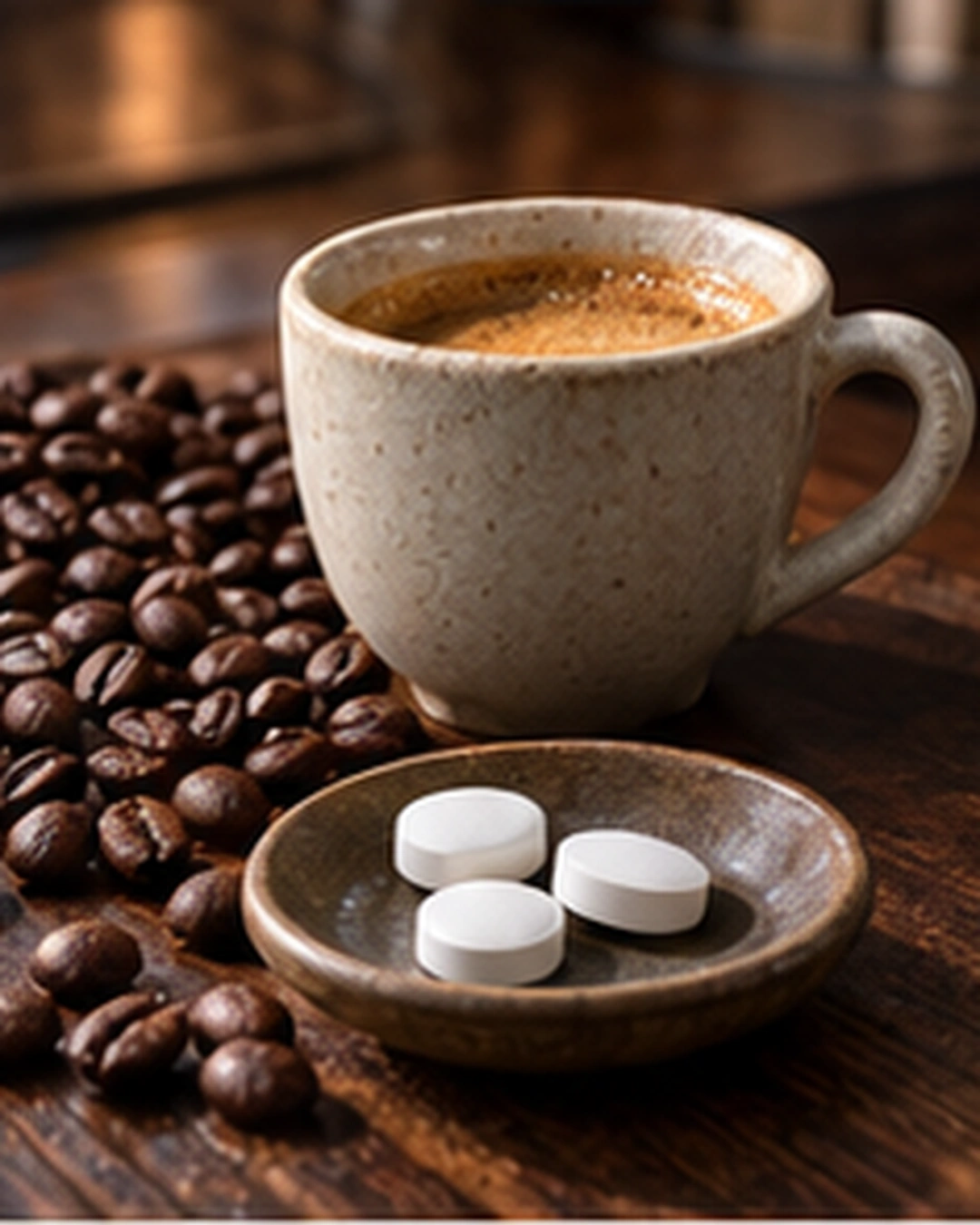
The ingredient in coffee, energy drinks, and pre-workout supplements
Coffee, energy drinks, and supplements taken before exercise mostly contain caffeine. This post explains what caffeine is, where it is found, what it does once it enters the body, and how long it stays, step by step.

In one line
A substance that wakes up the brain so you feel less sleepy
Caffeine is a substance found in plants such as coffee beans and tea leaves. It stimulates the brain and nerves, so you feel more awake and less sleepy. It is not a nutrient the body needs, so you do not run short of any nutrient if you skip it.

Where is it found?
Over 60 plants, plus caffeine made in factories
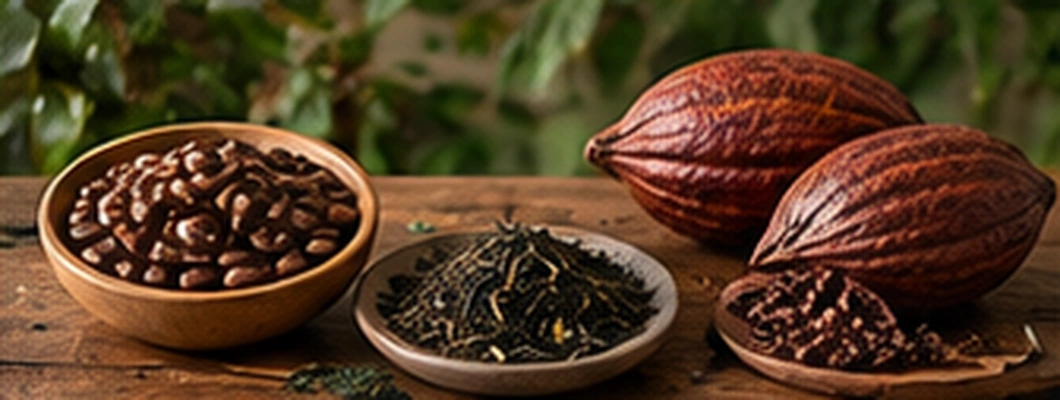
Caffeine is found in over 60 plants, including coffee beans, tea leaves, kola nuts that give cola its flavor, and cacao pods used to make chocolate. There is also caffeine made in factories, which is added to energy drinks, some cold medicines and pain relievers, and pre-workout supplements.
How much is in it?
Among common drinks, coffee has a lot
A cup of coffee (about 240 mL) contains about 95-200 mg of caffeine. Tea and cola contain less than this for the same amount. Even within the same kind of drink, the amount differs a lot from product to product.

First, what is adenosine?
A brain substance that brings on sleepiness when you stay awake long
The brain has a substance called 'adenosine'. Adenosine is one of the substances that carry signals in the brain, and its role is to make you feel sleepy when you have been awake for a long time. This signal is involved in feeling sleepy after staying up all night.

What caffeine does
It takes the spot adenosine would attach to
Adenosine has to attach to a specific spot on brain cells to pass on its signal. This spot is called a 'receptor'. Caffeine looks similar to adenosine, so it attaches to these receptors instead and keeps the sleepiness signal from getting through. As a result, you feel more alert and focus better.

How long it stays
Peaks within 1 hour; half is gone in 4-6 hours
After you take caffeine, the amount in your blood peaks within 1 hour. It is mainly changed into other substances in the liver and leaves in urine, and it usually takes 4-6 hours for half of it to leave. In some people this is much faster or slower.

Caffeine and exercise
For a 70 kg person, studies used about 210-420 mg
In exercise studies, the amount of caffeine was set by body weight. For someone weighing 70 kg, that is about 210-420 mg. At these amounts, results in long endurance exercise improved most consistently.

How much is OK?
Up to 400 mg a day for healthy adults
For healthy adults, up to 400 mg a day is seen as an amount not linked to harmful effects. During pregnancy the limit is lower, up to 200 mg a day. Taking about 1,200 mg within a short time has been reported to cause poisoning symptoms such as seizures.

Stopping after daily use
Headaches and sleepiness last a few days
If you take caffeine every day and then suddenly stop, you get headaches, sleepiness, irritability, and trouble concentrating. This is called 'caffeine withdrawal'. These symptoms usually go away within a few days.

A common misconception
Does coffee make you lose more water than you drank?
No. Caffeine does make you pass more urine, but when men who usually drank coffee had 4 cups a day for three days, their body water and daily urine amount did not differ from drinking the same amount of water. During exercise, too, caffeine did not make water loss worse.

Summary
A substance that blocks the sleepiness signal and wakes you up
Caffeine is a substance in plants such as coffee and tea; it blocks the receptors adenosine attaches to, so you feel less sleepy. Coffee in the amounts people usually drank did not drain more body water than drinking water. Related terms: adenosine, pre-workout, too much caffeine.

The more you know, the more you grow.PHYSIQUE NEWS