In one line
Growth hormone is a hormone from the pituitary gland that makes the body grow in childhood and keeps helping control muscle, bone and fat use in adulthood.
What is growth hormone?
A word that comes up in talk about height and muscle
Growth hormone comes up when people talk about children's height and when gym-goers talk about muscle. You also often hear 'you need good sleep to release growth hormone'. Where does it come from, and what does it do in the body?

In one line
A hormone that grows and protects the body
A hormone is a signal substance made in one part of the body that travels in the blood and tells other organs what to do. As the name says, growth hormone makes bones and muscles grow in childhood so that children get taller. After adulthood, it still helps keep bones and muscles healthy.

Where it is made
The pituitary gland, a pea-sized organ under the brain
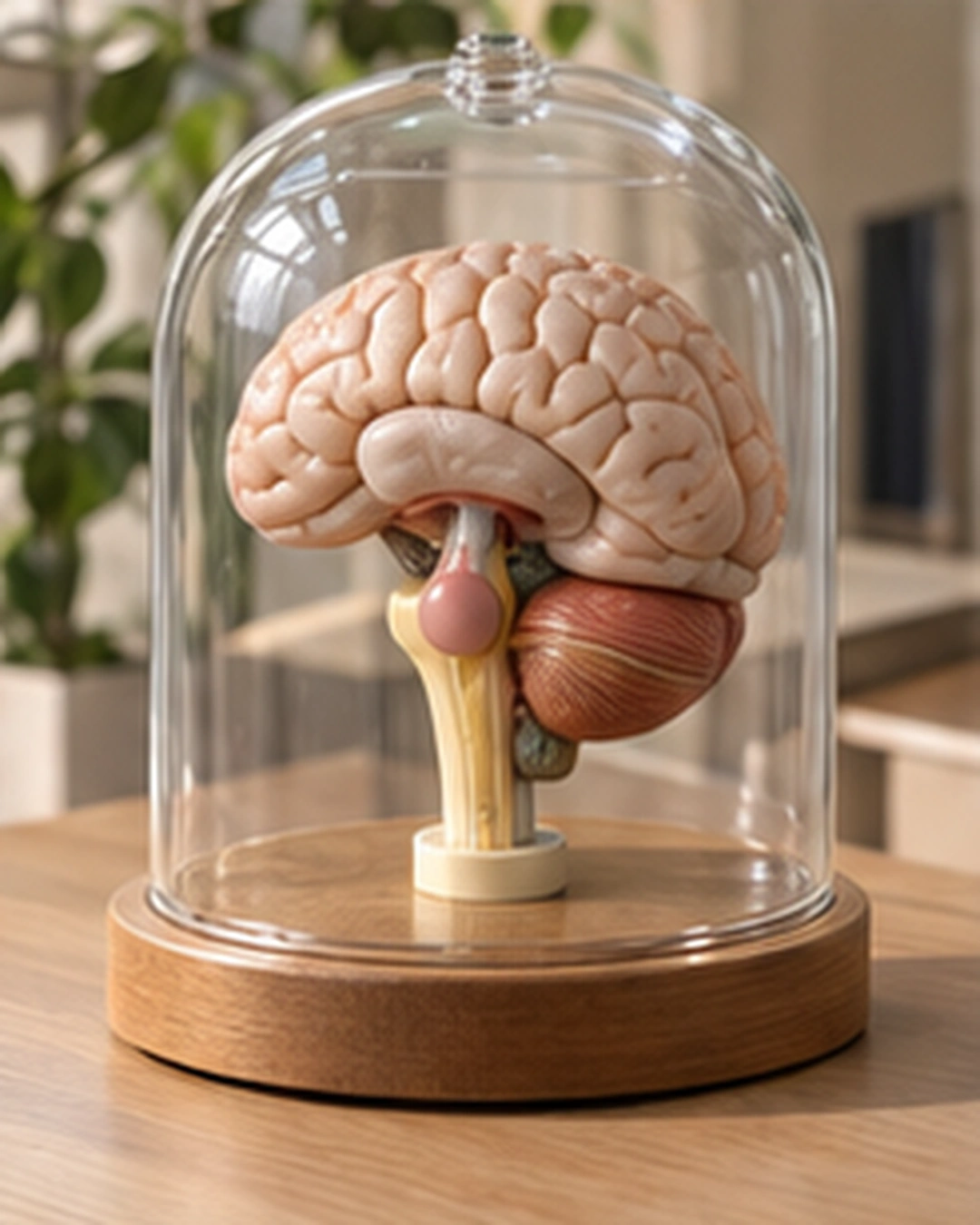
Growth hormone is made in the 'pituitary gland', a pea-sized organ hanging under the brain. Besides growth hormone, the pituitary releases many other hormones that control many body functions. How much growth hormone it releases is set by signals from the part of the brain just above it.

How it works
It makes the liver produce 'IGF-1'
Growth hormone works both directly and through another hormone. It makes the liver produce a hormone called 'IGF-1', and IGF-1 makes tissues such as bone and muscle grow. Growth hormone goes up and down a lot during the day, but IGF-1 stays fairly steady.

What it does (1): growth
Height in childhood, muscle and bone in adults
In childhood, growth hormone plays a big role in bones growing, muscles filling out and height increasing. After adulthood, it helps keep bones and muscles healthy. This is because it makes tissues such as muscle and bone build more protein.

What it does (2): fuel
It releases fat for fuel and raises blood sugar
Growth hormone makes fat cells release their stored fat to be used as fuel. Of its effects on fuel, this is the most striking one. It also raises blood sugar, the amount of sugar in the blood, which is the opposite of insulin, a hormone that lowers blood sugar.
When it is released
A big release in deep sleep right after falling asleep
Growth hormone is not released evenly but in bursts several times a day. In adults, the most reliable big burst happens in the first deep sleep right after falling asleep. If you fall asleep later, this burst comes later too.

Changes with age
It drops sharply between 30 and 40
Growth hormone drops as you get older. Especially between ages 30 and 40, the amount released over a day falls to between 1/2 and 1/3 of what it was. Deep sleep also drops sharply over the same years.

Too much or too little
It shows in height and bones
If a child has too little growth hormone, they grow more slowly than other children and end up much shorter. If a child has too much, they grow far too tall, a condition called 'gigantism'. If a grown adult has too much, the bones of the hands, feet and face get thicker, a condition called 'acromegaly'.

Common myth
Is it only needed while you are growing taller?
No. Growth hormone is released all through life, from early childhood into old age. Adults who lack it also get weaker bones and lose muscle. Even after you stop growing taller, it is a hormone needed to protect muscle and bone.

Summary
A lifelong hormone that grows and protects the body
Growth hormone is a hormone from the pituitary gland that makes the body grow in childhood and keeps helping control muscle, bone and fat use in adulthood. It is not only for growing taller but is released throughout life. Related words: IGF-1, insulin, testosterone.

The more you know, the more you grow.PHYSIQUE NEWS