In one line
Protein is a nutrient made of amino acids linked like a chain, and it is the material that builds and repairs the body and keeps it working.
What is protein?
The nutrient you see at the gym and on every nutrition label
At the gym you often hear 'make sure you get your protein.' Protein is also always listed on the nutrition facts label of food packages. So what exactly is protein, and what does it do in the body?
In one line
A nutrient that builds the body and keeps it working
Protein is a substance that makes up the body's cells and is used in most of the work cells do. Every cell in the body contains protein. It is one of the 3 major nutrients we must get from food.

Background
Amino acids: the small pieces that make up protein
Protein is made of small pieces called 'amino acids' linked in a long chain. There are 20 kinds of amino acids. Which amino acids are linked, and in what order, decides which protein you get. It is like stringing many different necklaces from 20 kinds of beads.
Essential amino acids
The 9 the body cannot make and must get from food
The body makes some amino acids by itself. The 9 that the body cannot make and must get from food are called 'essential amino acids'. This is why we need to eat protein.
What it does in the body
It builds, moves and protects the body
Protein is a building material for the body's structure, and it makes muscles contract to produce force. Protein also digests food, carries various substances in the blood, and protects the body from germs. It is used to repair damaged cells and make new ones as well.

What happens to protein you eat?
It is taken apart into amino acids, then rebuilt
Protein you eat is broken into amino acids during digestion. Breaking something big into small pieces like this is called 'breakdown'. The body then builds the proteins it needs from these amino acids, and this is called 'synthesis'.

It also gives energy
About 4 kcal per 1 g
Protein gives about 4 kcal of energy per 1 g. That is the same as carbohydrate. The body can also use the amino acids that make up protein for energy when needed.

Where is it found?
Not only in meat but also in beans and grains
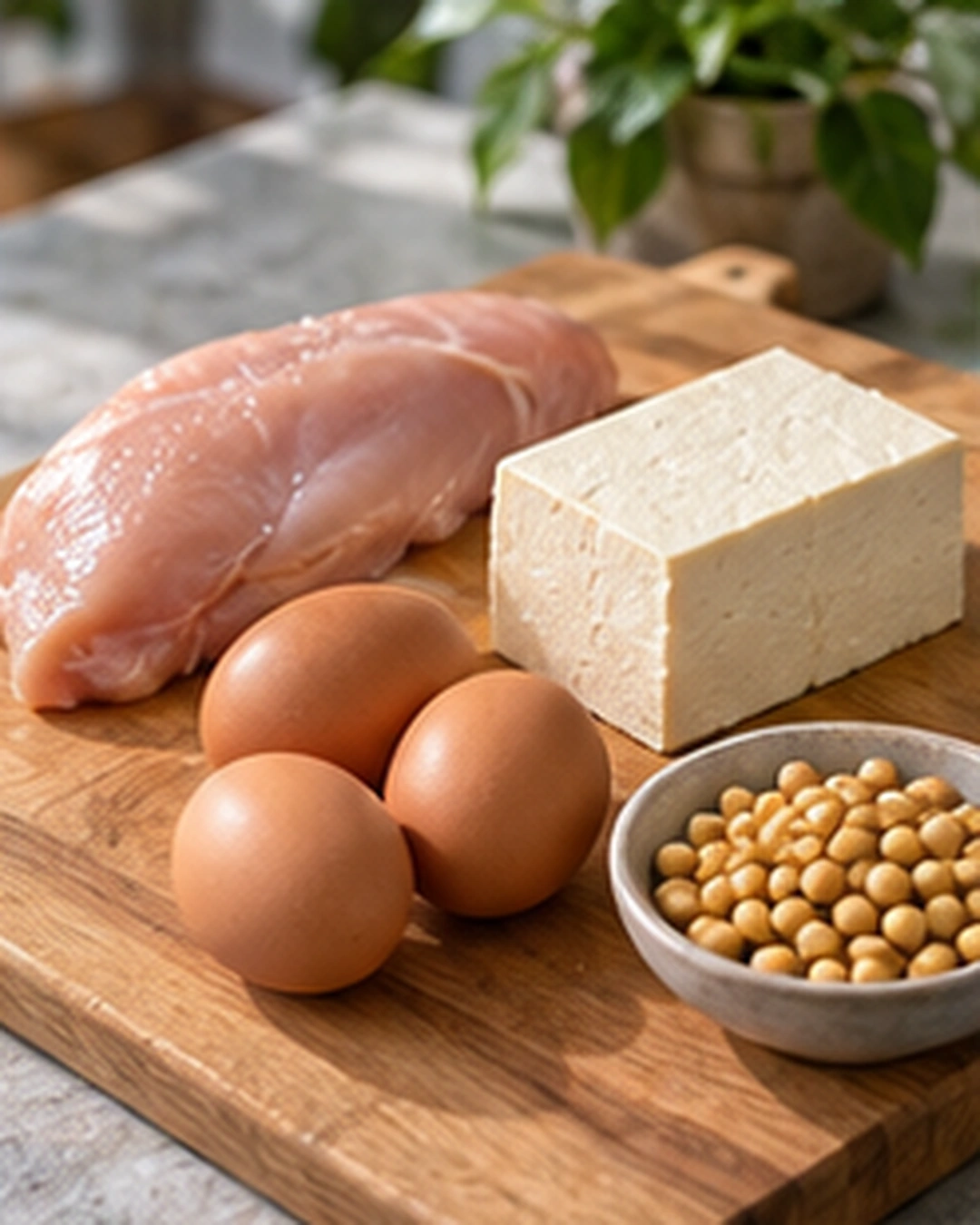
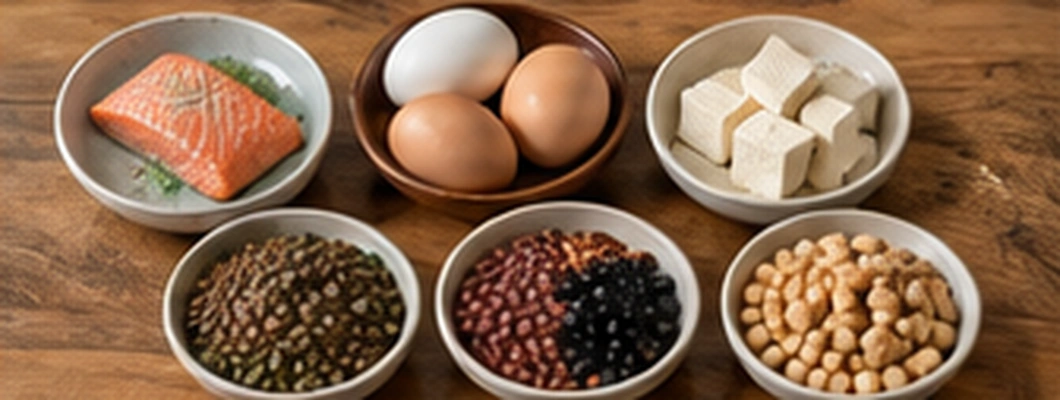
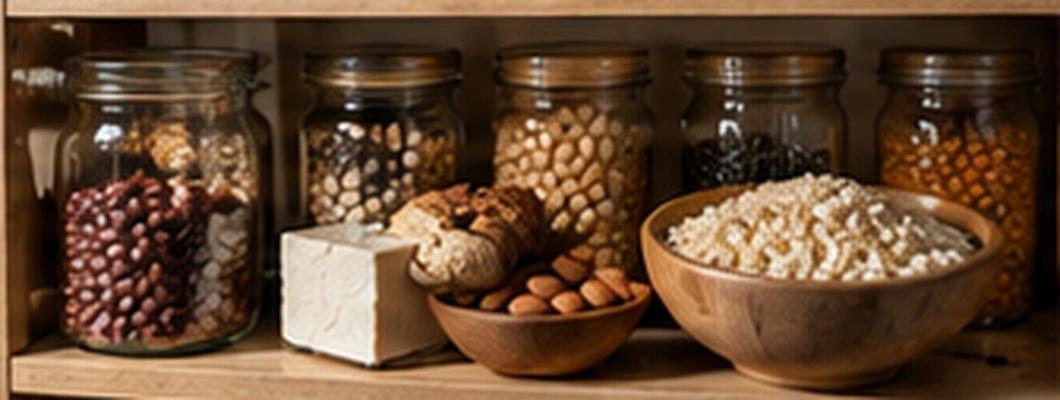
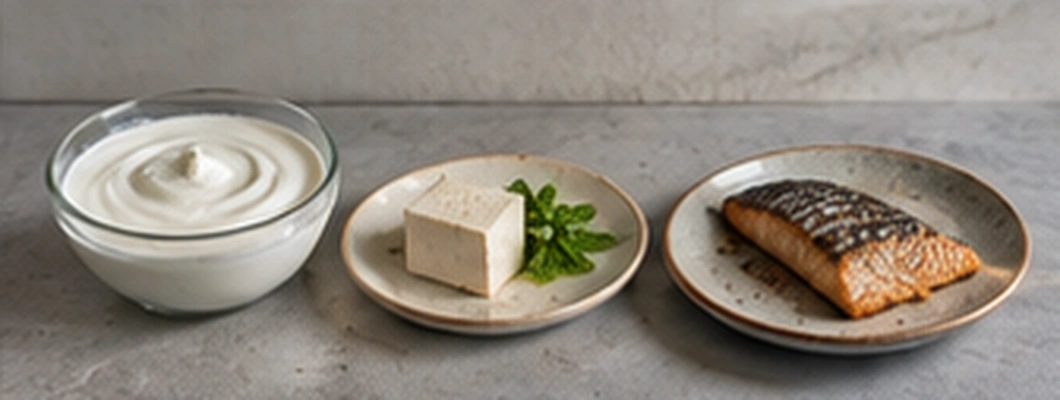
It is plentiful in animal foods such as meat, fish, eggs and milk, and it is also found in plant foods such as beans, tofu, nuts and some grains. Animal foods are not required to get all the protein you need.
How much a day?
About 56 g for a 70 kg person
The US recommended daily amount for adults is about 56 g for a person who weighs 70 kg. The more you weigh, the higher the amount. It is set so that it is enough for nearly all healthy people.
For people who exercise
More than the general recommendation
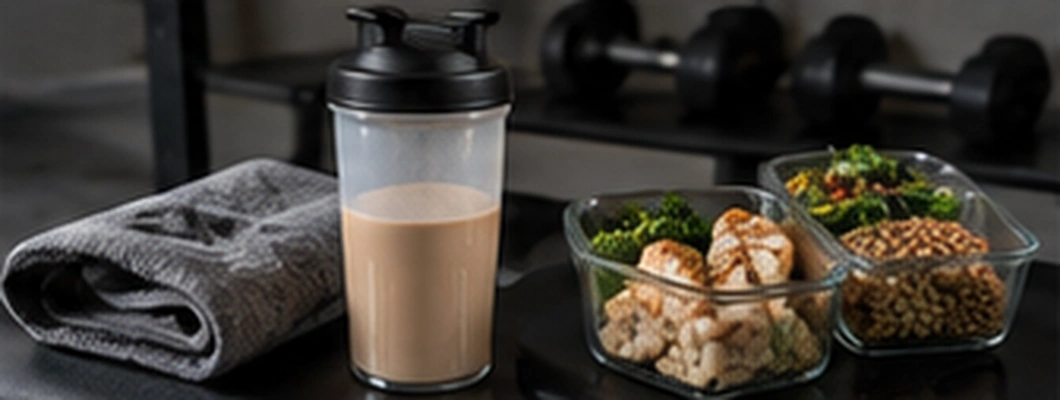
The International Society of Sports Nutrition recommends more than the general amount for people who exercise. For a 70 kg person, that is about 98-140 g a day. It is seen as the amount needed to build and keep muscle with exercise.
Common myth / Does muscle keep growing the more protein you eat?
Above a certain amount, it grew no more
When studies of people who ate more protein while strength training were pooled, gains in non-fat weight, such as muscle, stopped growing once daily protein went past about 113 g for a 70 kg person. Protein helps build muscle when combined with strength training. But that help stopped at this amount, which falls inside the range on the previous card.
Summary
A body-building nutrient made of amino acids
Protein is a nutrient made of amino acids linked like a chain; it builds and repairs the body and keeps it working. With strength training, eating more protein did not keep growing muscle; above a certain amount, muscle grew no more. Related terms: amino acids, essential amino acids (EAAs), muscle protein synthesis.

The more you know, the more you grow.PHYSIQUE NEWS