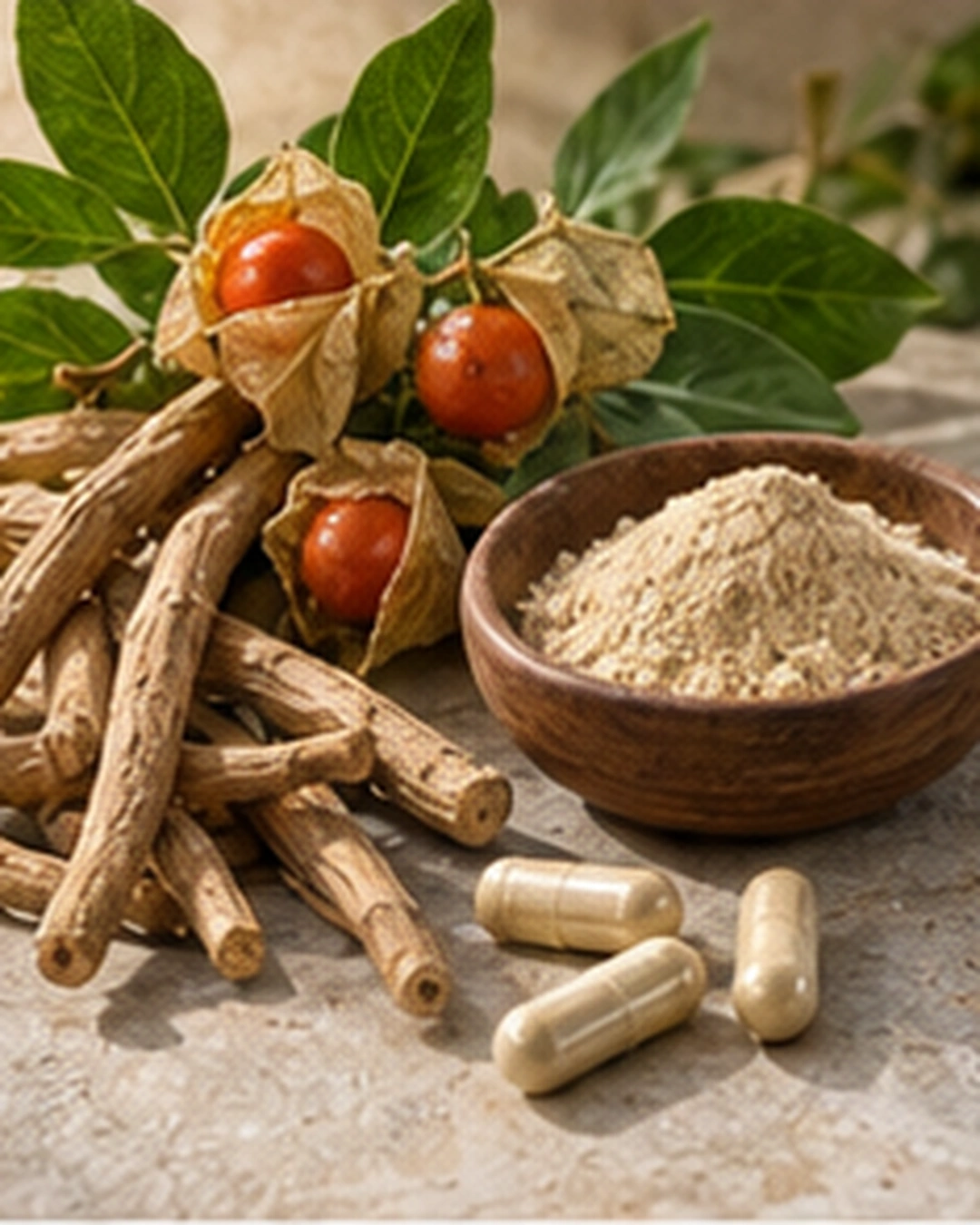
In one line
Ashwagandha is a plant in the nightshade family that India's traditional medicine has long used as an herb; the name also means supplements made from its root or leaves.
What is ashwagandha?
A name you often see on stress and sleep supplements
You often see the name 'ashwagandha' on the labels of supplements sold for sleep or stress. This post explains what kind of plant it is, what it contains, what studies have found, and the risk of liver injury.
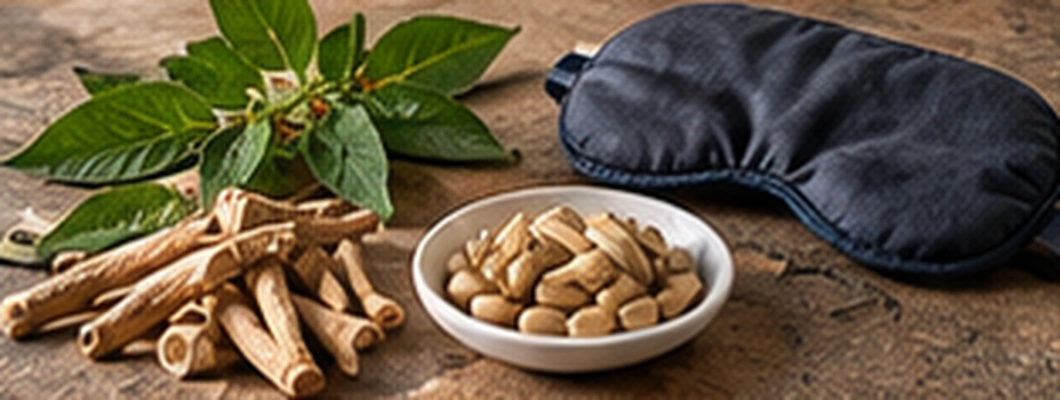
In one line
An herb from India's traditional medicine
Ashwagandha is a plant that India's traditional medicine has long used as an herb. Supplements are made by drawing out and collecting substances from its root or leaves. Today it is mostly sold to ease stress and help sleep.
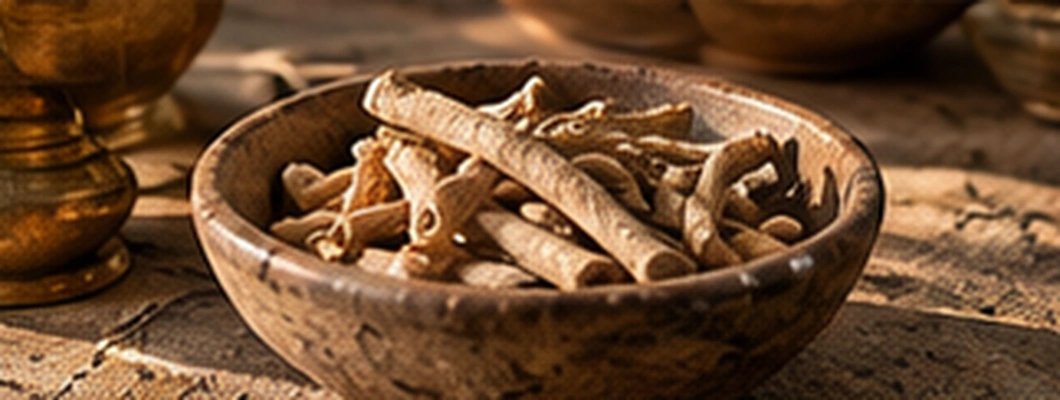
What kind of plant
In the same family as tomatoes and potatoes
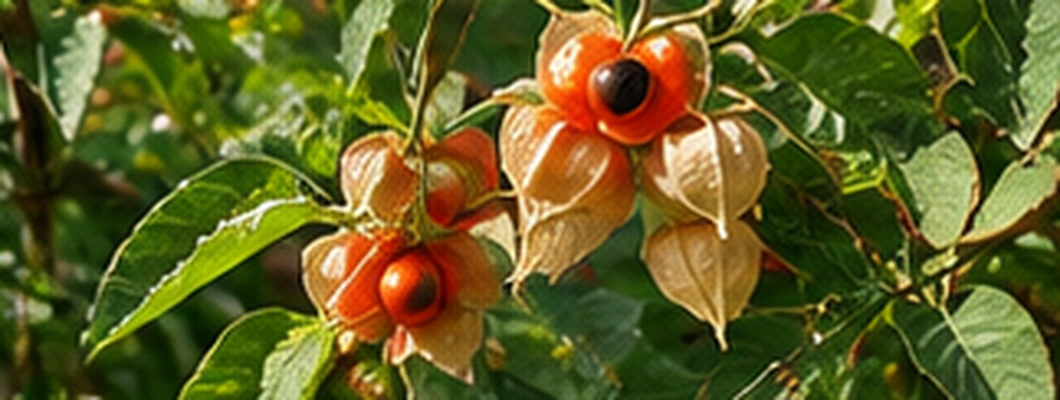
Ashwagandha is a small evergreen bush (a shrub) that grows in India, Africa and the Middle East. It belongs to the nightshade family, the same plant family as tomatoes, potatoes and peppers. Supplements mostly use the root.
Ayurveda
India's traditional medicine, thousands of years old
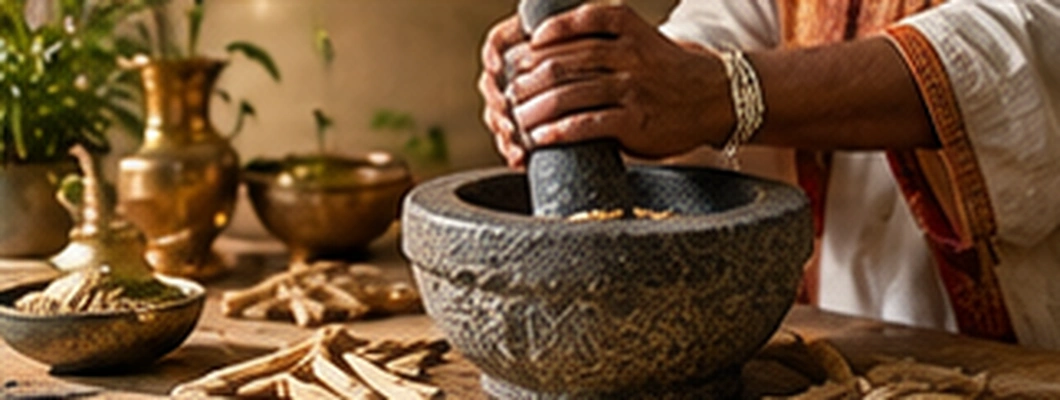
The traditional medicine handed down in India is called 'Ayurveda'. Ayurveda has used ashwagandha as an herb for thousands of years. Today it is also widely sold as a supplement in the US and Europe.
What it contains
A group of substances called withanolides
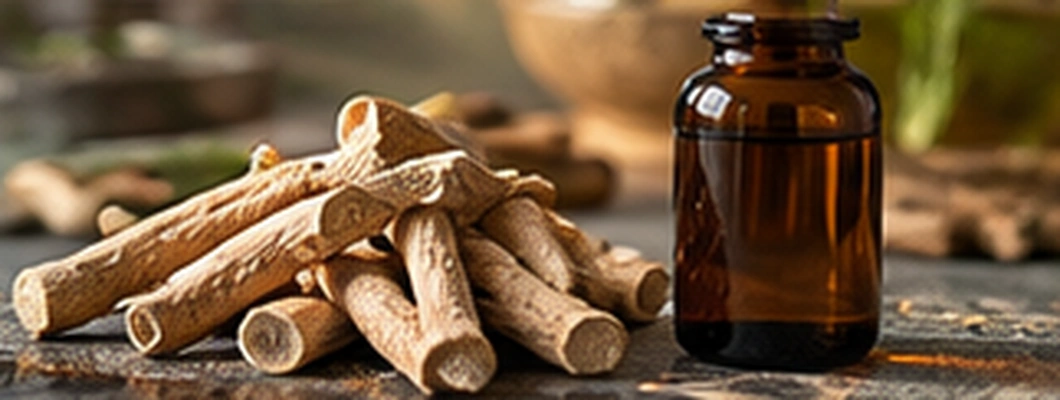
Ashwagandha contains a group of substances called 'withanolides'. Withanolides are found in ashwagandha and its close plant relatives. They are named as the main substances behind ashwagandha's effects on the body, and the root is especially rich in them.
How supplements are made
An 'extract' drawn from root or leaf
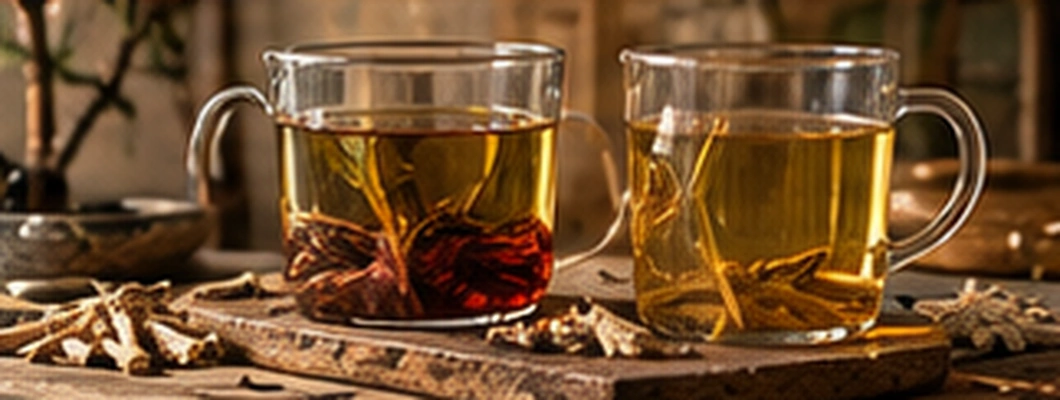
Most supplements are an 'extract' of the root, the leaf, or both. An extract is what you get by soaking the plant in water or alcohol and collecting what dissolves out. An extract made with water and one made with alcohol hold different proportions of substances.
Study results (1) Sleep
Sleep improved a little compared with a dummy pill
People who took ashwagandha extract slept a little better than people who took a dummy pill. The difference was clearer in people with insomnia, at 600 mg or more a day, and over 8 weeks or longer. Studies used 120 to 600 mg a day.

Study results (2) Stress
Stress and anxiety scores went down
People who took ashwagandha extract had lower stress and anxiety scores than people who took a dummy pill. Stress scores went down when people took 300 to 600 mg a day.

Cases of liver injury
Jaundice appeared weeks after starting
Though rare, cases of liver injury after taking ashwagandha have been reported in several countries. Usually a few weeks after starting, the skin and eyes turned yellow ('jaundice') and strong itching appeared. Most people recovered weeks to months after stopping, but one case needed a liver transplant and deaths were reported in people who already had serious liver disease.

When people are told to avoid it
Pregnancy, breastfeeding, thyroid and immune diseases
The US National Institutes of Health advises avoiding ashwagandha during pregnancy and while breastfeeding. It is also not recommended for people about to have surgery, or with thyroid disease or a disease where the immune system attacks the body (autoimmune disease). Researchers who collected the liver injury cases advised people with serious liver disease to avoid it too.

A common misconception
It is a natural plant, so it must be safe?
No. When the products taken by people with liver injury were analyzed, only ashwagandha substances were found, with no hidden drugs or other toxic substances. The plant's own substances were judged to be the cause of the liver injury. In the US, the government does not approve supplements as safe before they are sold.
Summary
A traditional Indian herb with reported liver injury
Ashwagandha is a nightshade-family plant used in India's traditional medicine, and supplements are mostly root extracts. Being a natural plant does not mean it is safe. Though rare, liver injury caused by the plant's own substances has been reported. Related words: Ayurveda, withanolides, extract.
The more you know, the more you grow.PHYSIQUE NEWS