In one line
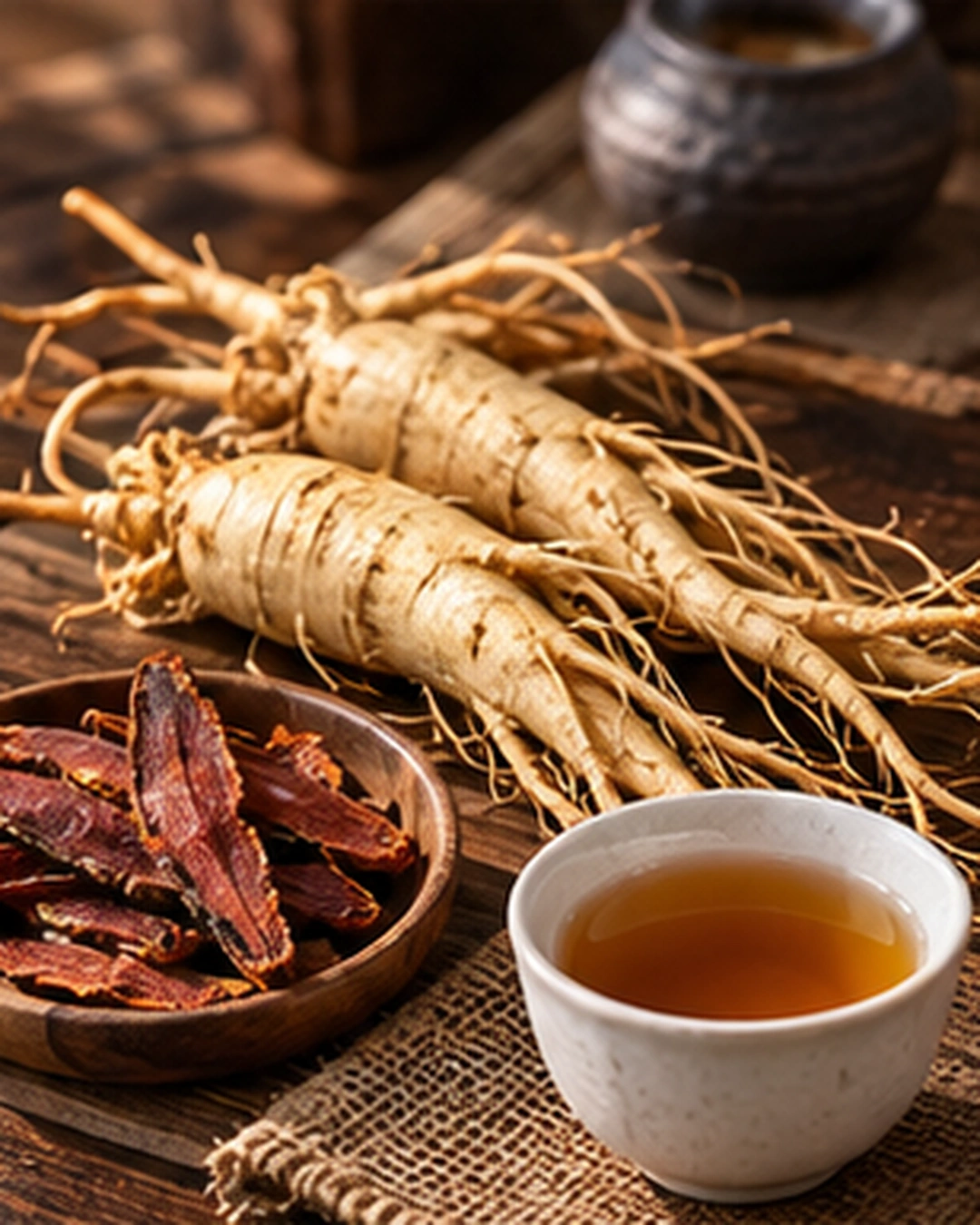
Ginseng is the thick root of a perennial plant in the ginseng family, and red ginseng is that same root steamed and then dried.
What is ginseng (red ginseng)?
The name on red ginseng extracts and ginseng supplements
Ginseng is sold in many forms, such as red ginseng extract, dried roots and supplement pills. This post explains what kind of plant ginseng is, how red ginseng differs from ginseng, and which ingredients and side effects are known.
In short
Ginseng is a root; red ginseng is the root steamed and dried
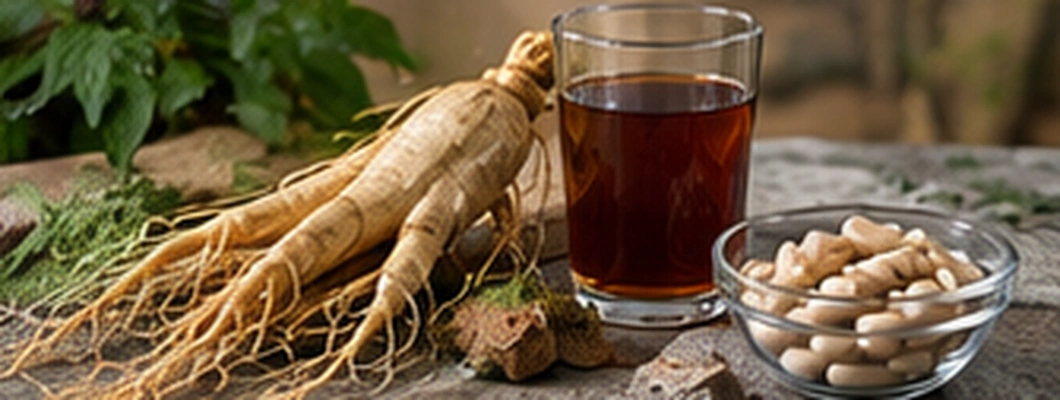
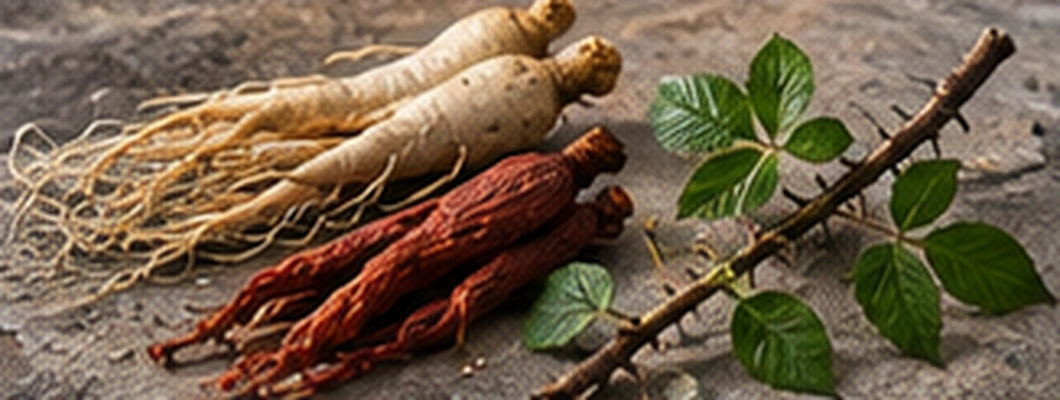
Ginseng is a plant that grows in places such as Korea and China, and its thick root is mainly what people eat. Red ginseng is this ginseng root steamed and then dried. They are the same plant; only the way it is prepared differs.
The ginseng plant
A perennial in the ginseng family
A plant whose parts above ground die in winter but sprout again in spring is called a 'perennial'. Ginseng is a perennial in the Araliaceae family, the same group as the angelica tree and acanthopanax, about 60 cm tall with a white, thick root. It is native to Korea, northeastern China and the Russian Far East.

Fresh, white and red ginseng
The same root prepared in different ways
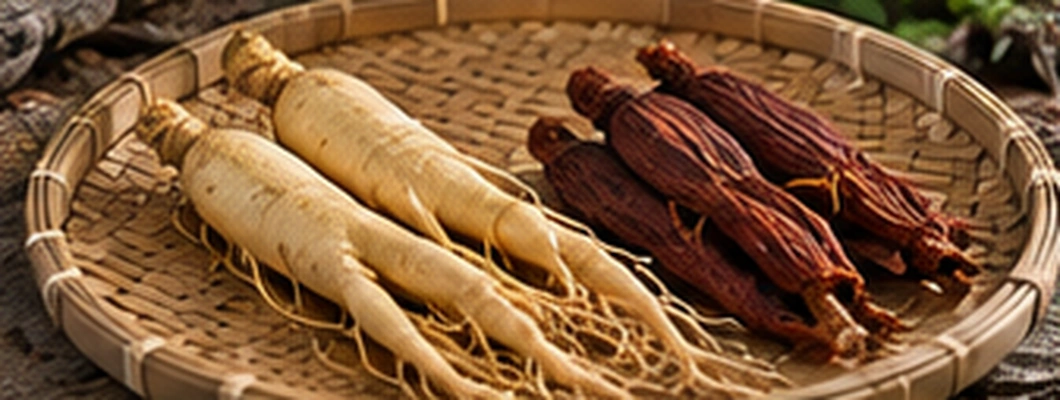
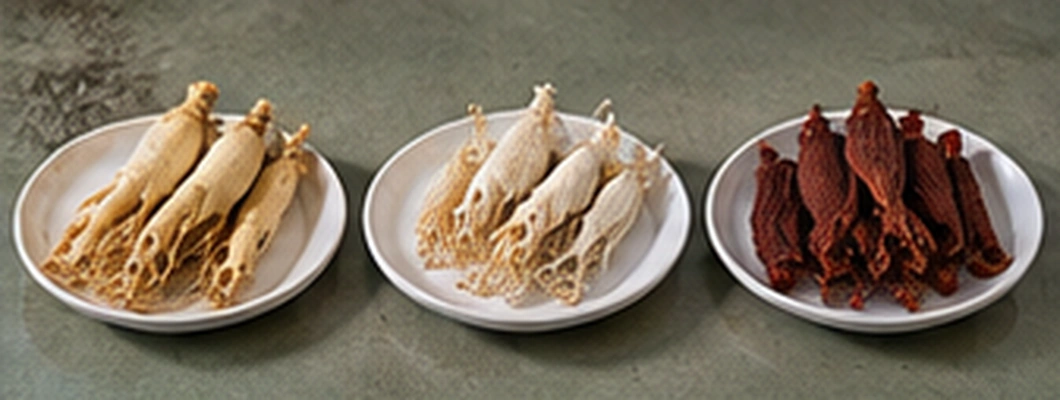
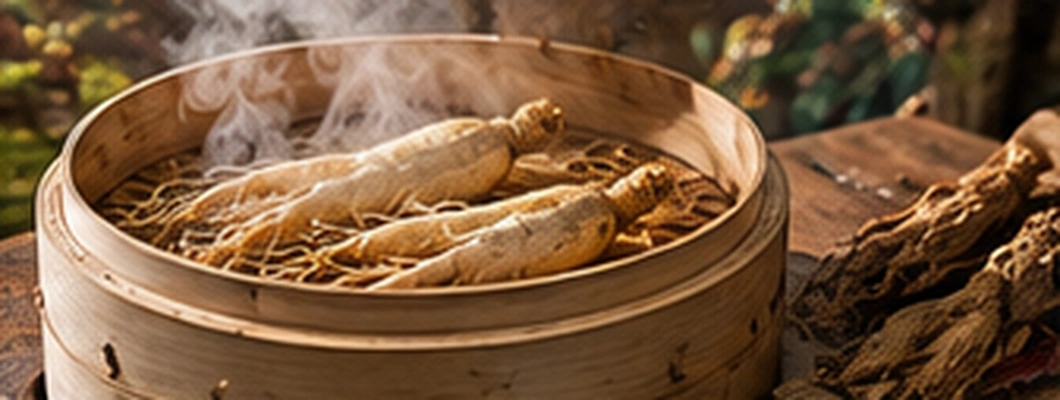
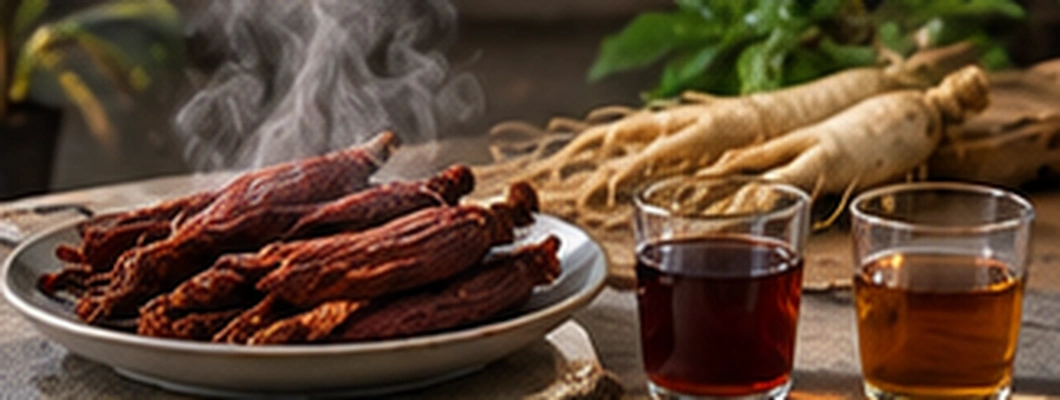
Ginseng that has been dug up and not dried is called fresh ginseng. Trimming its fine roots and drying it in the sun makes 'white ginseng'. Steaming fresh ginseng and then drying it makes reddish 'red ginseng'.
Why steam and dry it?
To keep the root for a long time
As people began growing ginseng in large amounts, they needed ways to store the harvested roots for a long time. The main methods that took hold were dried white ginseng and steamed red ginseng. Traditionally, red ginseng is steamed for a few hours at about the temperature of boiling water and then dried.
Ginsenosides
The ingredients considered most important in ginseng
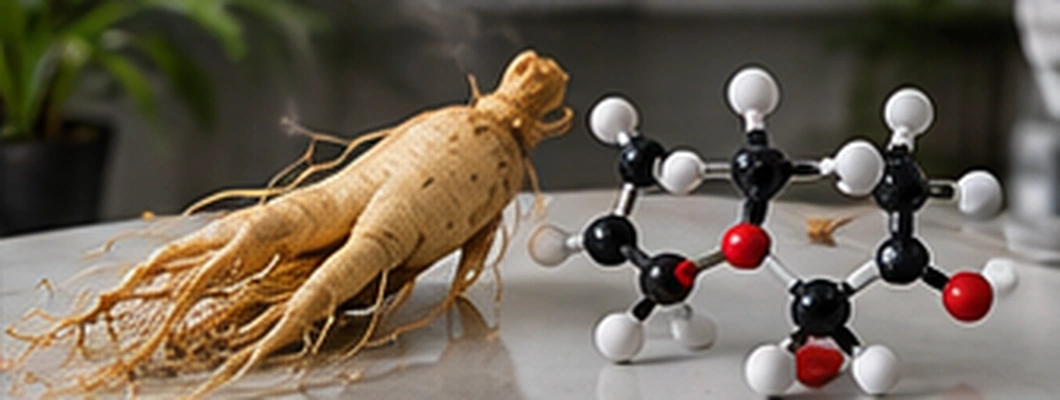
Ginseng contains many substances, and the ones considered most important are 'ginsenosides'. Ginsenosides belong to 'saponins', a group of plant substances with sugars attached that is common in plants. There are many kinds, named with letters and numbers such as Rb1 and Rg1.
Steaming changes the ingredients
Ginsenosides that newly form in red ginseng
When ginseng is steamed, the heat turns some ginsenosides into other ginsenosides. That is why red ginseng contains ginsenosides such as Rg3 and Rh2, which are rare in fresh or white ginseng. A different steaming temperature produces a different set of new ingredients.
Common side effects
Trouble sleeping is the most common
The U.S. National Institutes of Health lists trouble sleeping (insomnia) as ginseng's most common side effect. Across studies that gave ginseng alone, side effects appeared at a rate similar to placebo, and the common ones were headache, sleep problems and stomach upset. Rarely, severe rash, liver damage and severe allergic reactions have been reported.

During pregnancy
An ingredient that caused birth defects in animals
One of the substances in ginseng caused birth defects in animal experiments. For this reason, the U.S. National Institutes of Health advises talking with a health care provider before using ginseng during pregnancy. Little is known about whether it is safe while breastfeeding.

Common misconception
Is 'Siberian ginseng' a kind of ginseng?
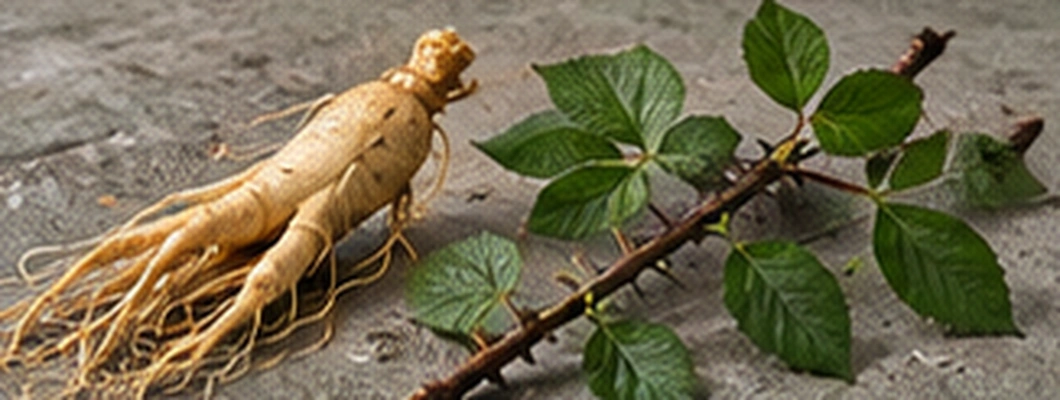
No. What is sold as 'Siberian ginseng' is eleuthero, a small shrub covered in thorns. It belongs to the same family as ginseng but is a different plant with different ingredients. The U.S. National Library of Medicine's medical vocabulary also notes that the two plants are easily confused.
Summary
The same root becomes red ginseng when steamed
Ginseng is the thick root of a perennial in the ginseng family, and red ginseng is that root steamed and dried, during which some ginsenosides change. 'Siberian ginseng' is not ginseng but a different plant, eleuthero. Related terms: ginsenosides, saponins, eleuthero.
The more you know, the more you grow.PHYSIQUE NEWS