In one line
Sodium is the mineral that makes up most of salt, and the body needs it to balance body water and blood pressure and to let nerves and muscles work.
What is sodium?
The number on every nutrition label
The nutrition label on the back of a ramen or snack bag always lists "sodium ___ mg." Sodium always comes up with "don't eat too salty." What exactly is it, and what does it do in the body?
In short
A mineral the body needs, and the main part of salt
Sodium is one of the minerals, nutrients like calcium and iron that we have to get from food, and the body needs it to work properly. Most of the sodium we eat comes from salt. Its chemical symbol is Na.
Salt and sodium
About 40% of salt's weight is sodium
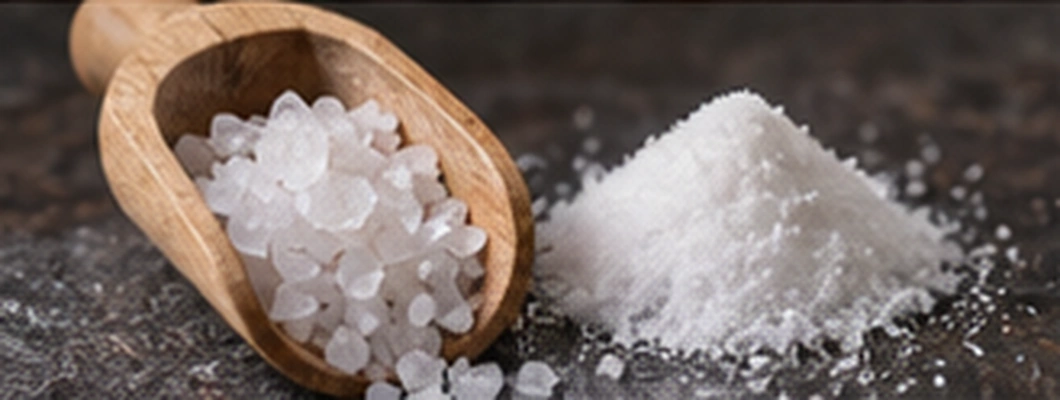
Salt is a substance called sodium chloride, made of sodium joined to chlorine. About 40% of salt's weight is sodium. So 5 g of salt contains about 2,000 mg of sodium.
Background: electrolytes
Things that split into charged bits in water
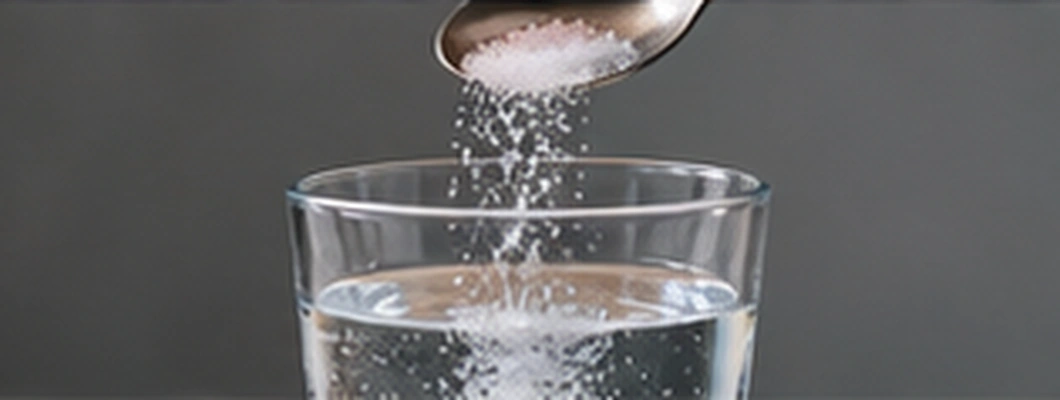
When salt dissolves in water, the sodium and chlorine come apart into tiny bits that each carry an electric charge. A substance that splits into charged bits in water is called an electrolyte. Sodium is the main electrolyte in the body water outside our cells.
What it does, part 1
Water follows sodium
Water in the body moves toward places with more sodium. That is why sodium decides how much water the body holds on to, and plays a big part in setting blood volume and blood pressure.

What it does, part 2
It lets nerves and muscles work
Nerves need sodium to send signals, and muscles need it to move. Nerves and muscles work by electric signals, and electrolytes such as sodium are used to carry those signals.

Where the amount is balanced
The kidneys get rid of the extra
Sodium leaves the body mainly through the kidneys, in urine. The body keeps its sodium level in balance by raising or lowering how much sodium the kidneys put into urine. Heavy sweating also removes a fair amount of sodium.

How much
WHO: less than 2,000 mg a day
The World Health Organization (WHO) recommends that adults keep sodium under 2,000 mg a day, which is under about 5 g of salt. But adults worldwide eat about 4,300 mg a day on average, more than twice that level.

Eating too much
Blood pressure goes up
The main problem with eating a lot of sodium is that blood pressure rises. High blood pressure raises the risk of heart and blood vessel disease. An analysis that pooled studies cutting salt modestly for 4 weeks or more found blood pressure fell both in people with high blood pressure and in people with normal blood pressure.

Where it comes from
Even foods that don't taste salty
In the US, over 70% of the sodium people eat comes from packaged and prepared foods. It is high in bread, processed meat, snacks and sauces like soy sauce, and it is also in foods that barely taste salty, like breakfast cereal. So the number on the nutrition label is more reliable than taste.

Common myth
Is pink salt healthier than white salt?
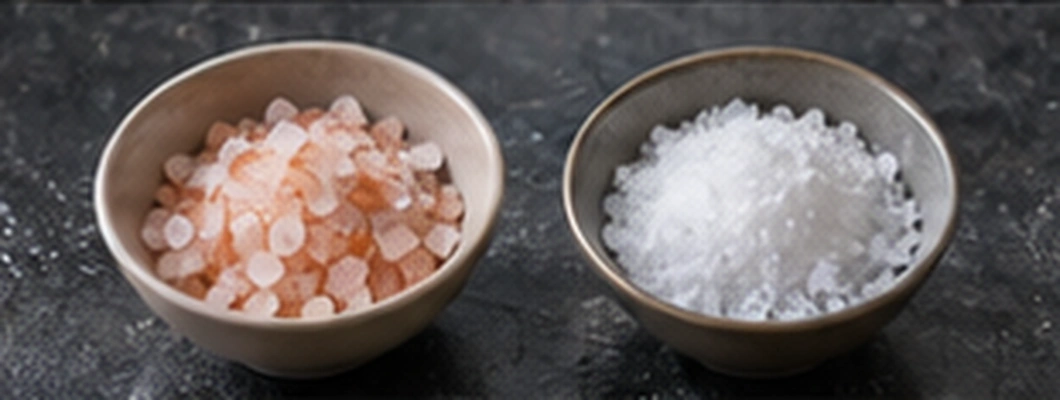
Pink salt is often sold as healthier than white salt. But a study that analyzed pink salts sold in Australia found they had only slightly less sodium than white salt. Getting a meaningful amount of the other minerals in them would take more than 30 g a day, and that much would mean far too much sodium.
Summary
Needed, but too much raises blood pressure
Sodium is a mineral the body needs: it balances body water and blood pressure and lets nerves and muscles work. The pink salts analyzed had only slightly less sodium, and eating a lot of it still means far too much sodium, just like white salt. Related terms: electrolytes, micronutrients, water intake.

The more you know, the more you grow.PHYSIQUE NEWS