In one line
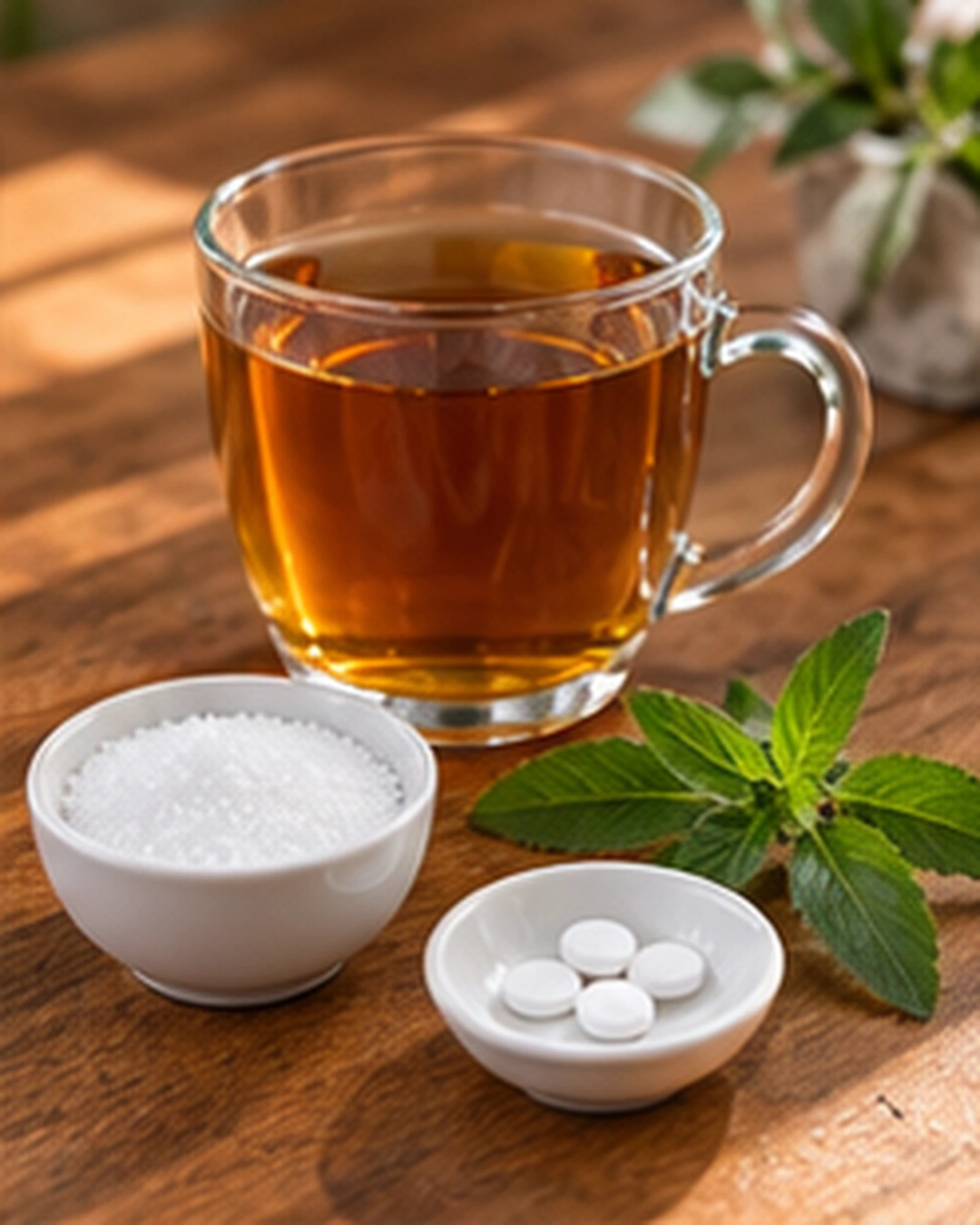
Sugar substitutes are ingredients that sweeten food in place of sugar. They split into sugar alcohols, which have some calories, and high-intensity sweeteners, which add almost none.
What are sugar substitutes (sugar alcohols and high-intensity sweeteners)?
The strange names on a 'zero' drink label
Look at the ingredients of a zero-sugar drink or sugar-free gum and you see names like erythritol, xylitol, sucralose and aspartame. What are these ingredients that make food sweet without sugar?

In one line
Ingredients that sweeten in place of sugar
A sugar substitute is an ingredient added to food to make it sweet instead of sugar. For the same sweetness, it adds fewer calories than sugar, or almost none. There are two main groups: 'sugar alcohols' and 'high-intensity sweeteners' (often called artificial sweeteners), which sweeten in tiny amounts.
What sugar alcohols are
Carbohydrates with 'alcohol' only in the name
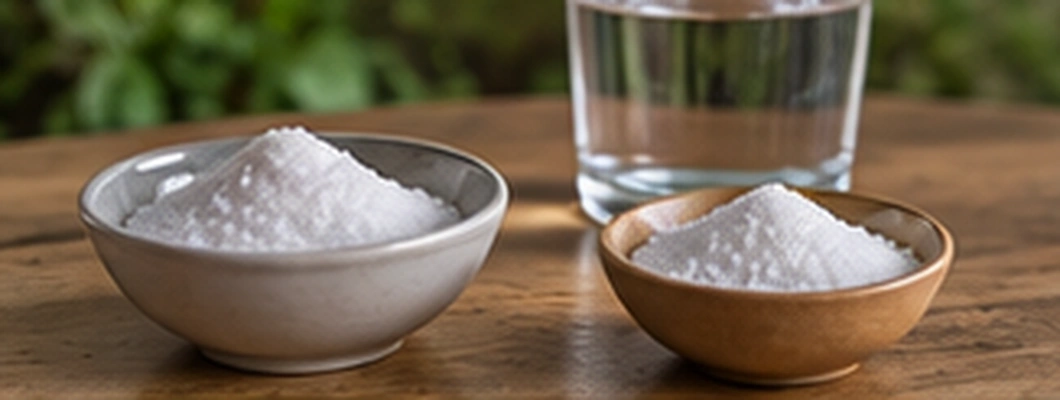
A sugar alcohol is a sugar whose structure has been slightly changed, and it counts as a type of carbohydrate. Despite the word 'alcohol', it is a different substance from the alcohol in drinks. Xylitol, erythritol, sorbitol and maltitol belong to this group.
Calories in sugar alcohols
Fewer than sugar, but not 0
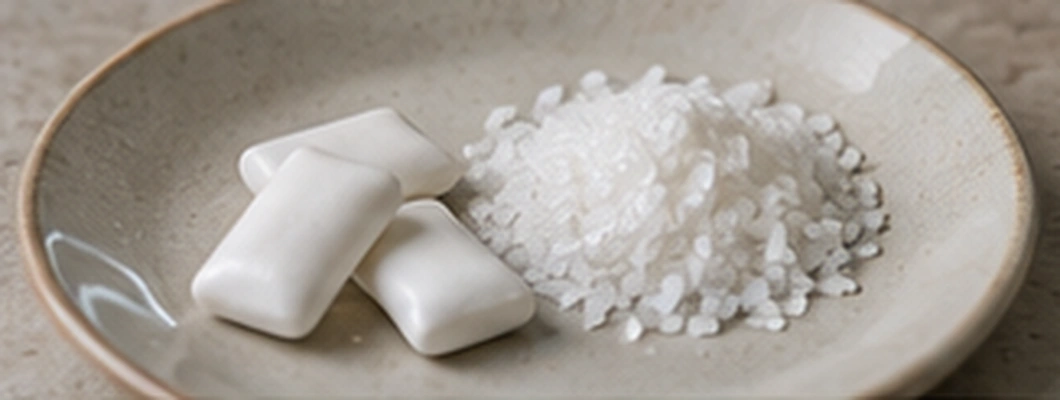
Where ordinary carbohydrates such as sugar are counted at 4 kcal per 1 g, Korean and European labeling rules count sugar alcohols at 2.4 kcal. Erythritol is the exception: it is counted as having no calories.
In the gut
Sugar alcohols are not fully absorbed
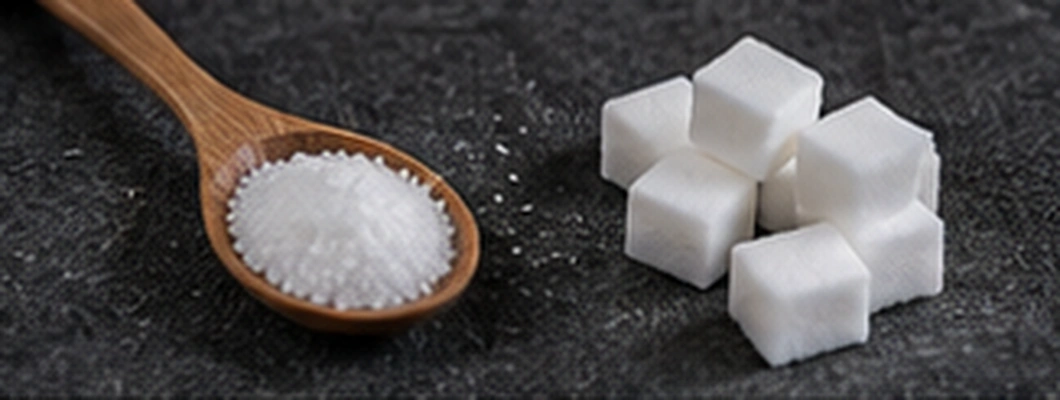
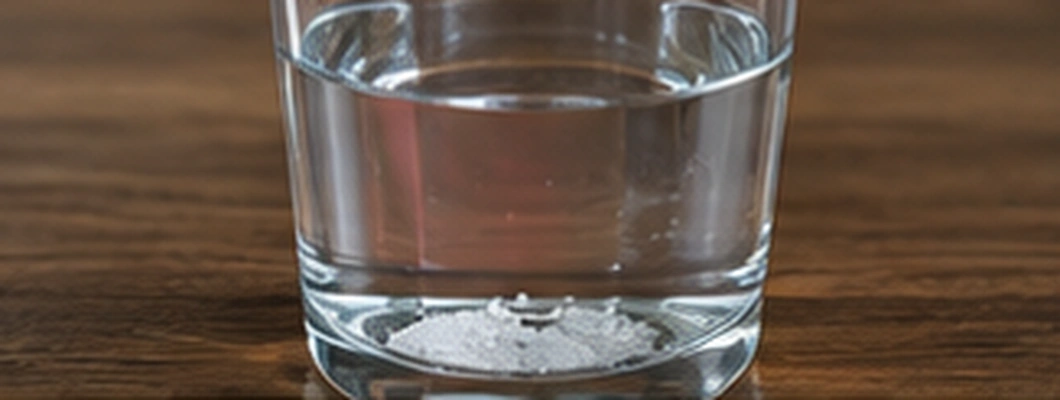
'Absorption' means a food component passing through the gut wall into the body. Glucose is almost fully absorbed in the upper small intestine, but sugar alcohols are absorbed slowly and only in part, and the rest travels down to the large intestine. So the body also gets less energy from them than from sugar.
Eat a lot of them
Gas and diarrhea
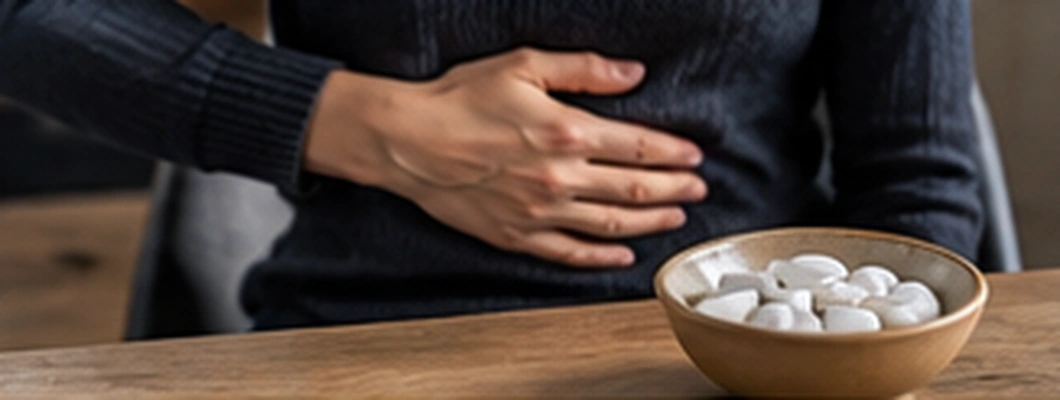
Sugar alcohols that reach the large intestine pull water into the gut, and gut bacteria feed on them and make gas. So the more people ate, the more gas and diarrhea they had. Korea requires products high in sugar alcohols to carry a warning about diarrhea from eating a lot.
They differ by type
Erythritol caused less stomach trouble
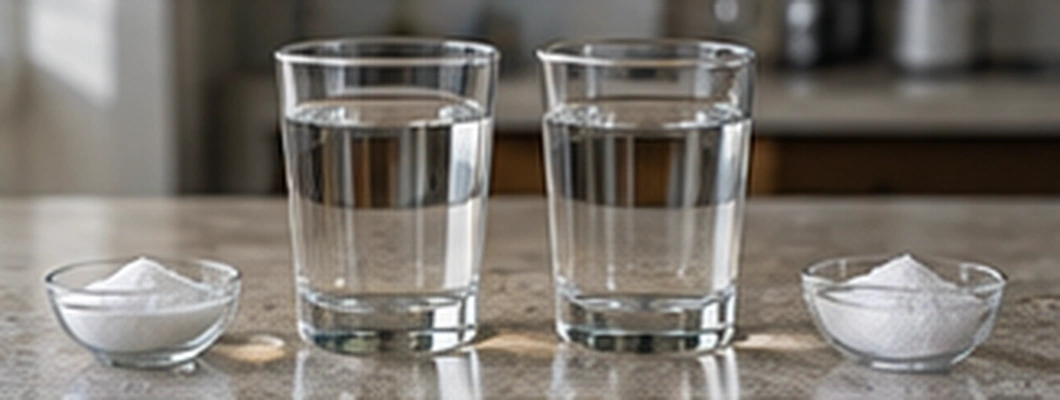
In a test where people drank them dissolved in water all at once, xylitol increased watery stools from 35 g. Erythritol caused no increase in symptoms up to 35 g, and even at 50 g only nausea and stomach rumbling went up. However, in a study that only observed people getting heart check-ups, the group with the highest blood erythritol had more heart attacks and strokes over 3 years.
High-intensity sweeteners
Hundreds of times sweeter than sugar
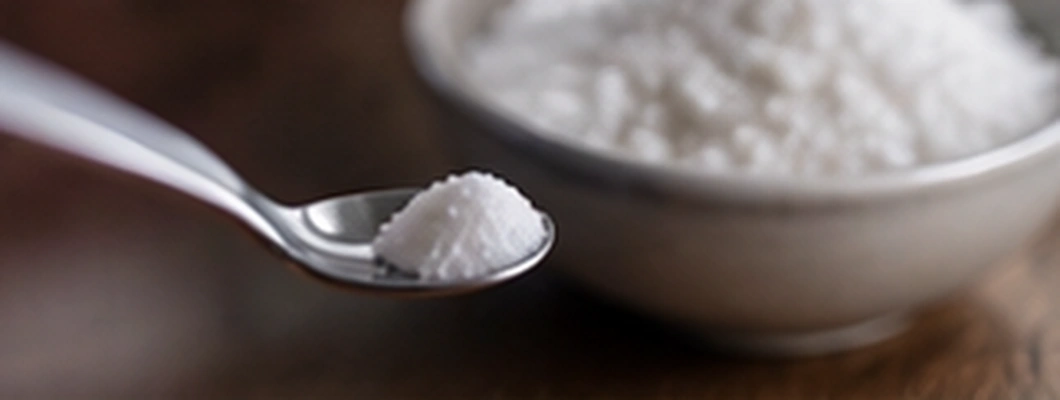
A high-intensity sweetener is far sweeter than the same weight of sugar. Aspartame is about 200 times sweeter than sugar and sucralose about 600 times. So only a tiny amount is needed, and it adds almost no calories to food.
Not all are 'artificial'
Some come from plants
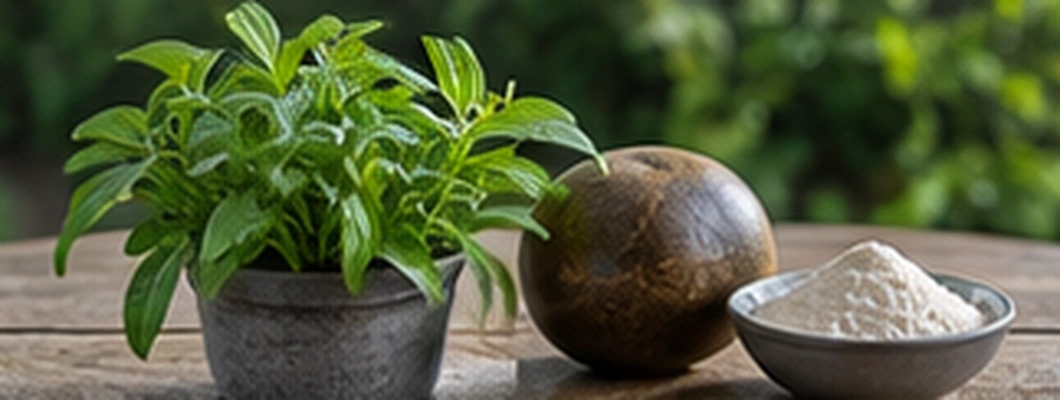
High-intensity sweeteners are often called 'artificial sweeteners', but not all are newly made in a factory. Stevia is a sweet part of the leaves of the stevia plant, and monk fruit sweetener is extracted from the monk fruit. Aspartame is a chemically made sweetener.
Acceptable daily intake
The amount judged safe every day for life
Each sweetener has an 'acceptable daily intake'. It is the most per day judged to cause no harm even if eaten every day for life, set from the amount that caused no harm in animal studies with a safety margin. An adult weighing 70 kg who gets no aspartame from other foods would have to drink more than 9-14 cans of diet soda a day to go over it.
A common misunderstanding
Was aspartame confirmed to cause cancer?
No. In 2023 the WHO's International Agency for Research on Cancer put aspartame in 'Group 2B', a class used when there is some evidence that something causes cancer, but not enough. This class does not take into account how much people actually eat. At the same time, a joint WHO and FAO expert committee kept aspartame's acceptable daily intake unchanged.
Summary
Sweetness in place of sugar, with few or almost no calories
Sugar substitutes sweeten food in place of sugar, and split into sugar alcohols, which have some calories, and high-intensity sweeteners, which add almost none. Aspartame's Group 2B label is given when there is some, but not enough, evidence of causing cancer, and its acceptable daily intake stayed the same. Related terms: acceptable daily intake, sugars, carbohydrates.
The more you know, the more you grow.PHYSIQUE NEWS