In one line
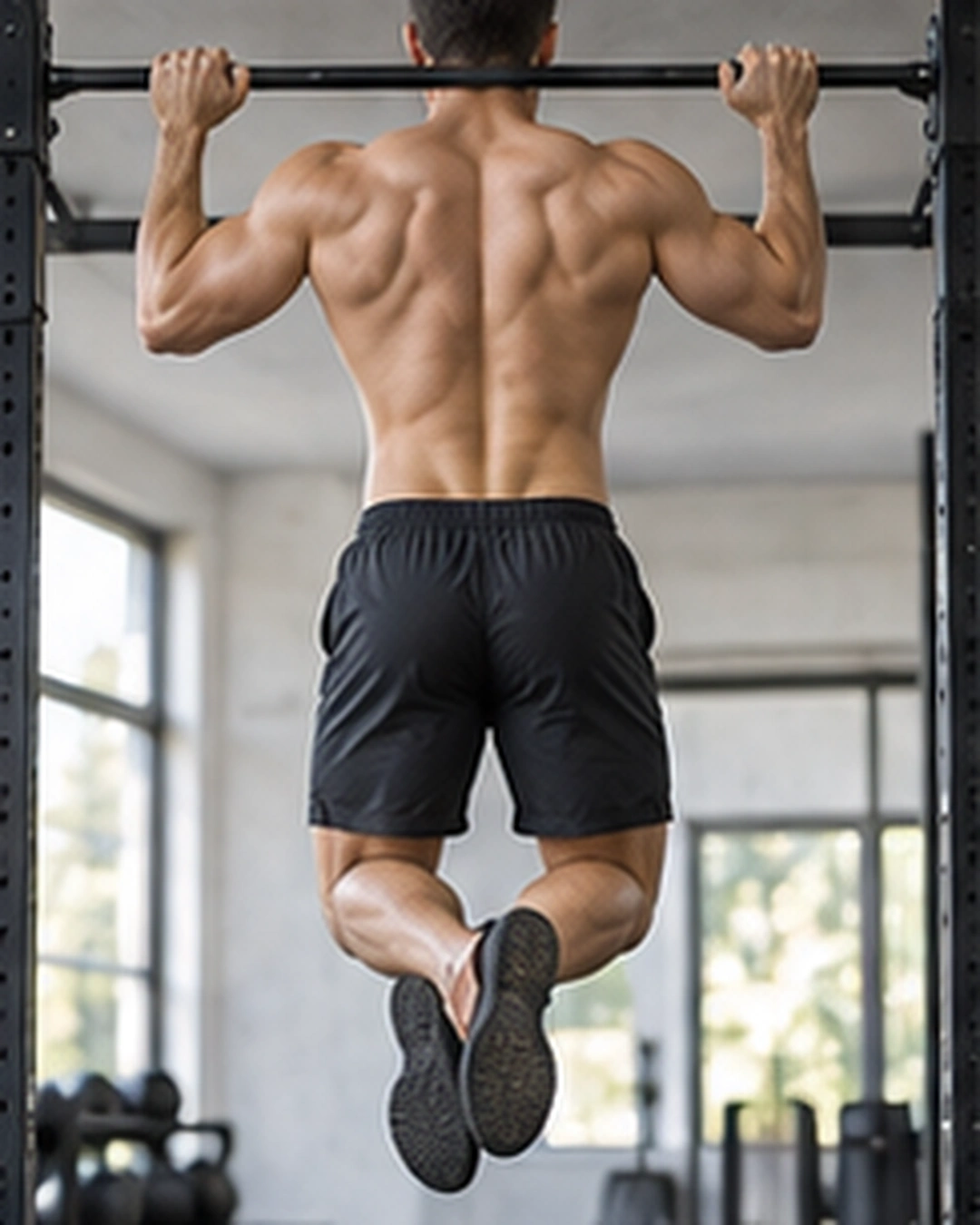
Pull-ups and chin-ups are exercises where you hang from a bar and pull yourself up; palms facing away makes it a pull-up, palms facing you a chin-up.
What are pull-ups and chin-ups?
The exercise where you hang from a bar and pull yourself up
At the gym you hear things like 'How many pull-ups can you do?' or 'Switch to chin-ups.' This post explains what the two exercises are, which muscles they use, and how they differ.
In a nutshell
Hang from a bar, pull your chin over it
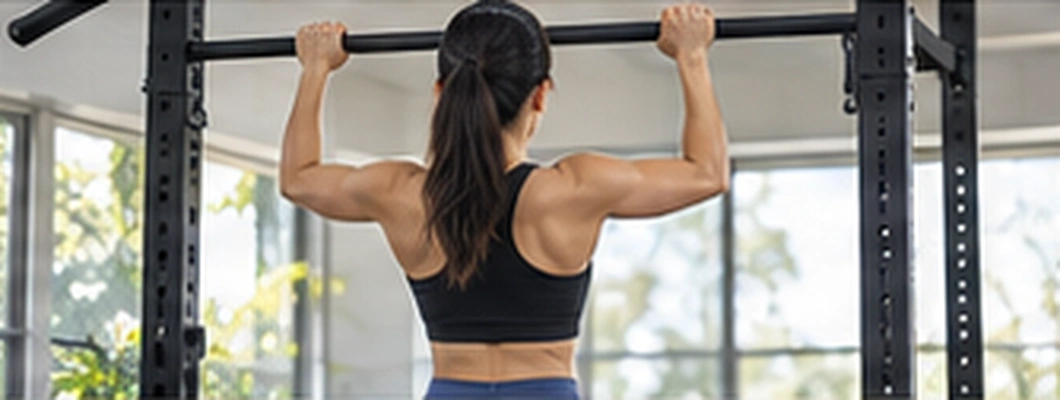
Pull-ups and chin-ups are exercises where you hang from a bar and pull your body up until your chin rises above the bar. In Korean, both are called 'teokgeori' (chin-over-the-bar). The only difference between them is which way your hands face on the bar.
Split by hand direction
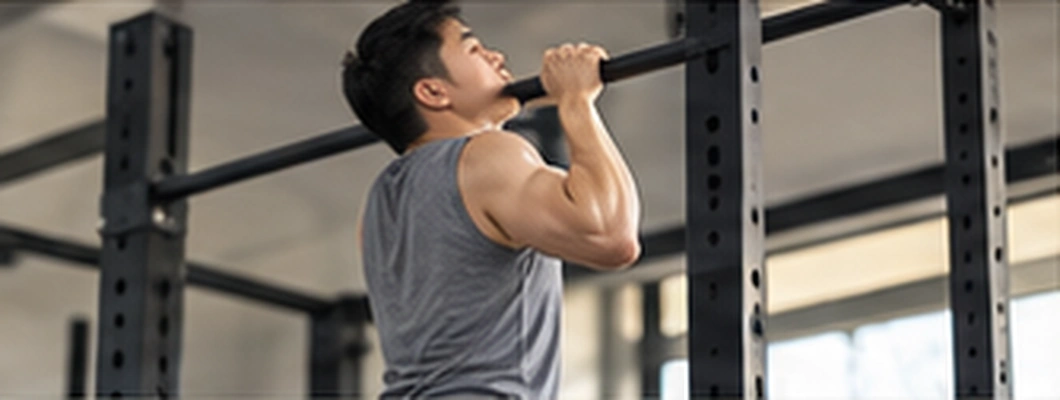
Palms facing away is a pull-up, palms facing you is a chin-up
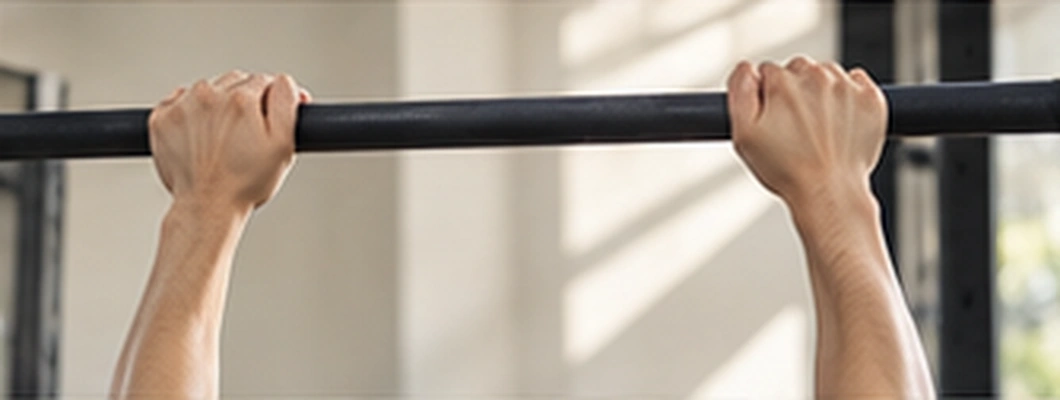
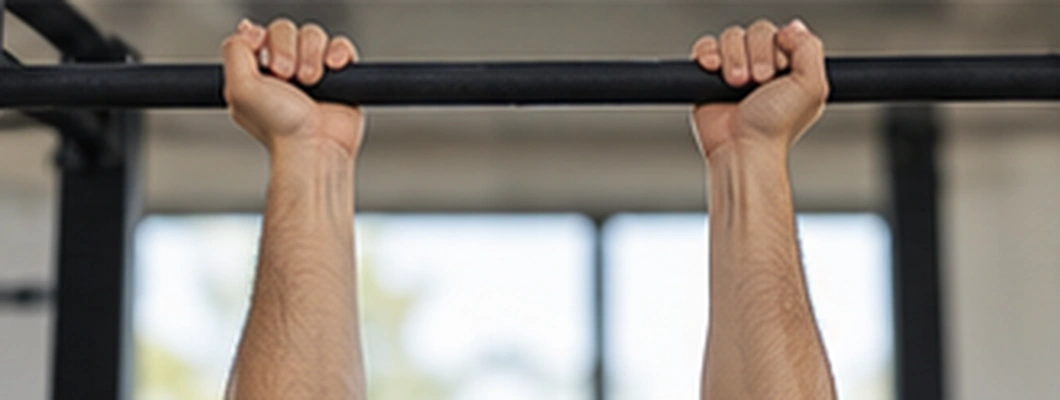
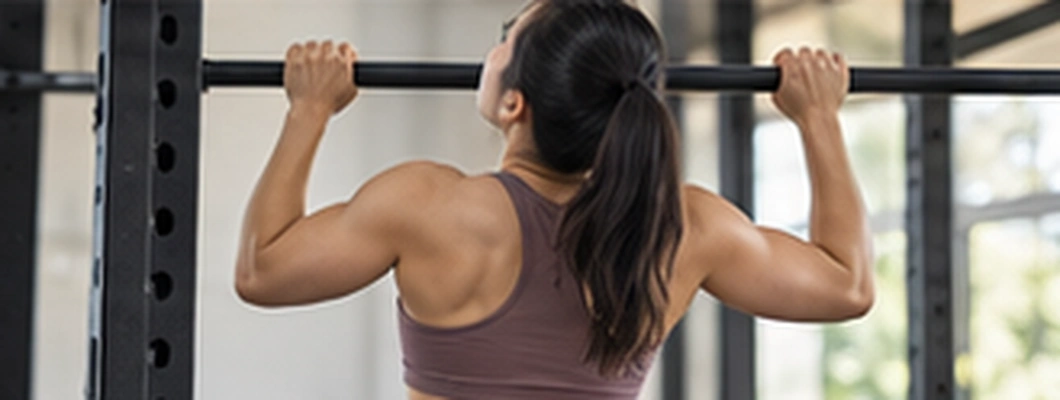
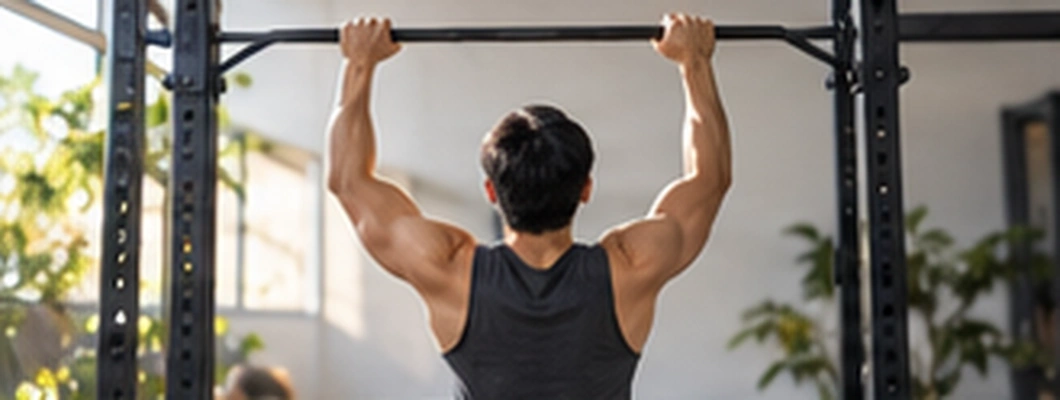
Gripping the bar with your palms facing forward (away from you) is called an 'overhand grip', and that makes it a pull-up. Gripping with your palms facing your face is called an 'underhand grip', and that makes it a chin-up. There is also a 'neutral grip' version, where the palms face each other.
What kind of movement is it?
The shoulders and elbows move together
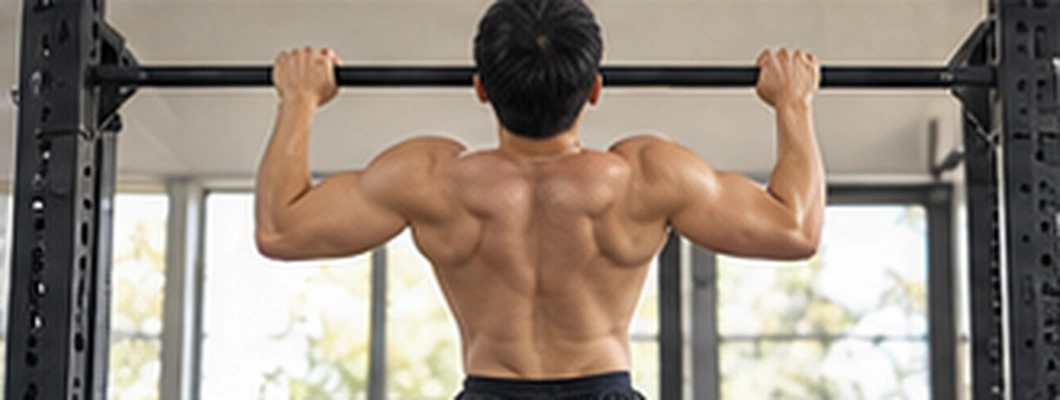
As you pull yourself up, your raised arms are pulled down at the shoulders while your elbows bend at the same time. Because several joints move together, pull-ups and chin-ups are compound exercises. So many back and arm muscles work together in one movement.
How muscle work is measured
The electrical signal a muscle gives off: EMG
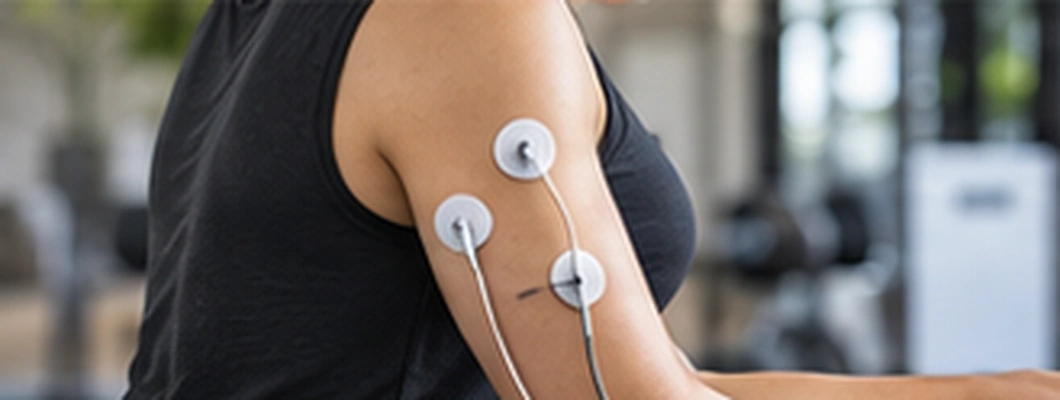
Muscles give off a very weak electrical signal when they contract. A recording of this signal, taken with sensors stuck on the skin, is called electromyography (EMG). Studies compare the size of this signal to see how much each muscle worked.
The muscle that works most
The latissimus dorsi, spread wide across the back
The latissimus dorsi (the 'lats') starts near the pelvis and lower spine, covers the lower back widely, and narrows to attach to the upper arm bone. Its job is to pull the arm down. When measured with EMG, the lats were the muscle that worked most in both pull-ups and chin-ups.

Muscles that help
Biceps, chest, and the lower trapezius
The biceps on the front of the upper arm, which bend the elbow, also worked hard. The chest muscle and the lower part of the trapezius, the muscle covering the back of the neck and upper back, also worked. The lower trapezius is the part that pulls the shoulder blades down.
Pull-up vs chin-up
One change in hand direction shifts each muscle's share
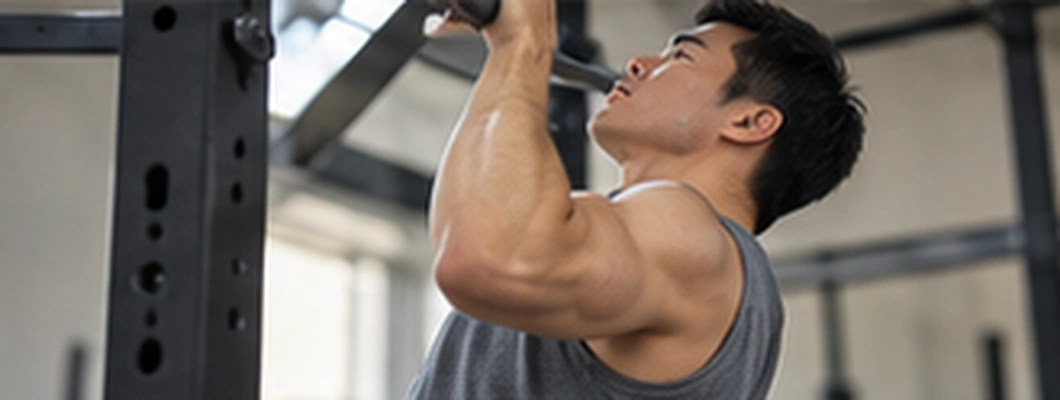
In a study comparing the two with EMG, the biceps and chest muscle worked more in chin-ups. The lower trapezius worked more in pull-ups. The muscles used are the same; what changes is how much each muscle takes on.
A common misconception
Are chin-ups an arm exercise and only pull-ups a back exercise?
No. In chin-ups too, the muscle that worked most was the lats in the back. Studies comparing pull-ups with many different hand directions also found similar lat work. A chin-up is a back exercise with extra help from the biceps.
Summary
A back exercise where you hang and pull yourself up
Pull-ups and chin-ups are exercises where you hang from a bar and pull yourself up until your chin is over the bar; palms facing away is a pull-up, palms facing you is a chin-up. In chin-ups, as in pull-ups, the lats work most, and the biceps work more. Related terms: grip, lat pulldown, compound exercise.
The more you know, the more you grow.PHYSIQUE NEWS