In one line
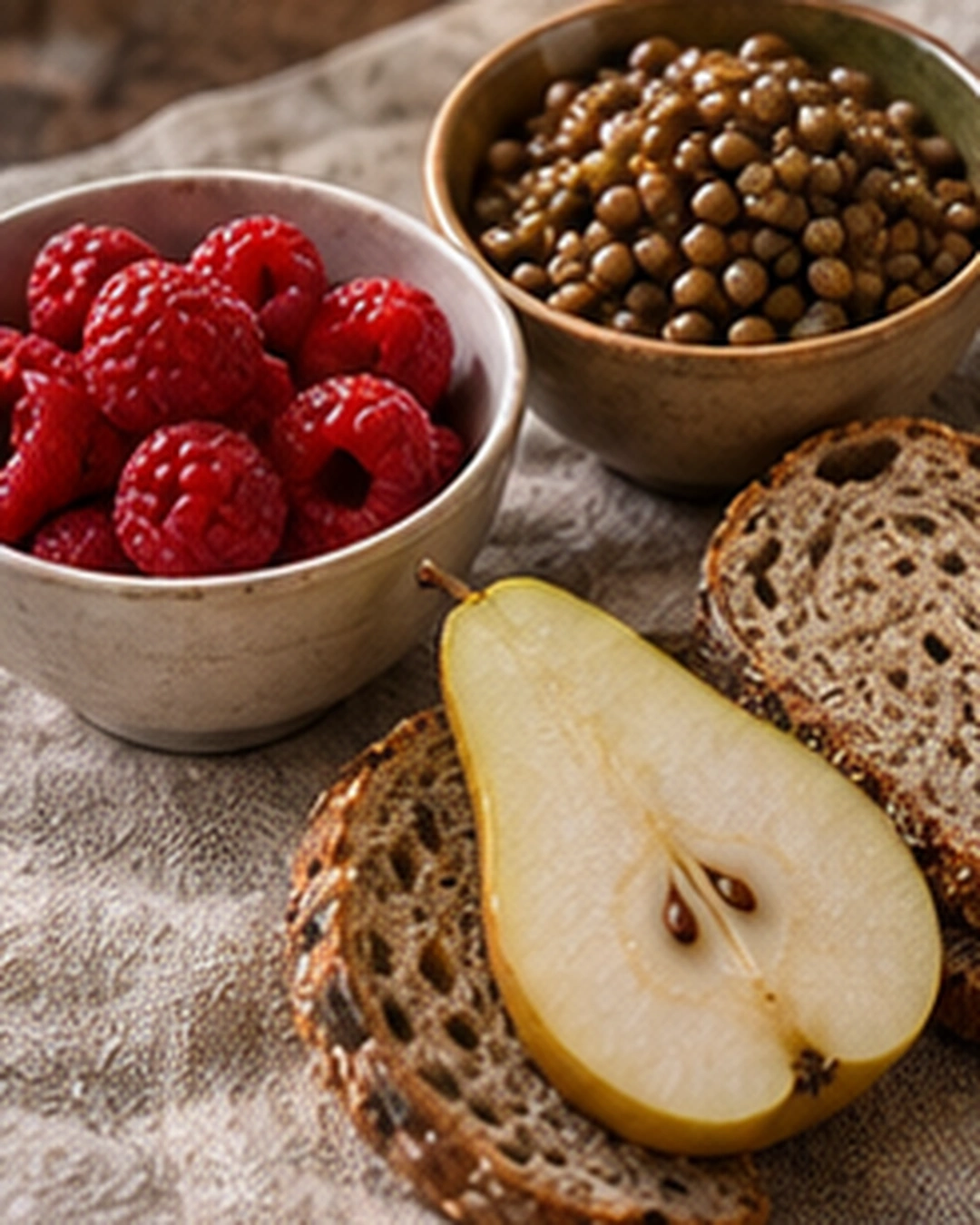
Dietary fiber is the part of the carbohydrate in plant foods, such as vegetables, fruit, grains and beans, that people cannot digest.
What is dietary fiber?
If we can't digest it, why does it matter?
Whole-grain bread and cereal boxes often say 'high in fiber'. Yet fiber is something the body cannot digest. Why pay attention to something that is not digested?
In a word
Carbohydrate that people cannot digest
Dietary fiber is the part of the carbohydrate in plant foods, such as vegetables, fruit, grains and beans, that people cannot digest. So most of it travels down the gut without being broken down. Meat and milk contain no fiber.

Background
Why can't we digest it?
Like the starch in rice, fiber is a long chain of sugar units. But the units are linked in a different way from starch. Our digestive juices can cut the links in starch but not these links, so fiber is not broken down into sugar.

Fiber that dissolves in water
It soaks up water and turns into a gel
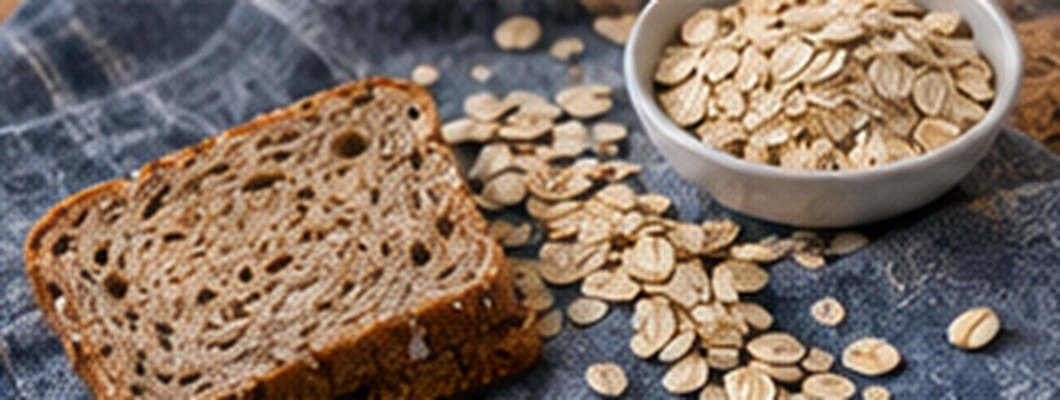
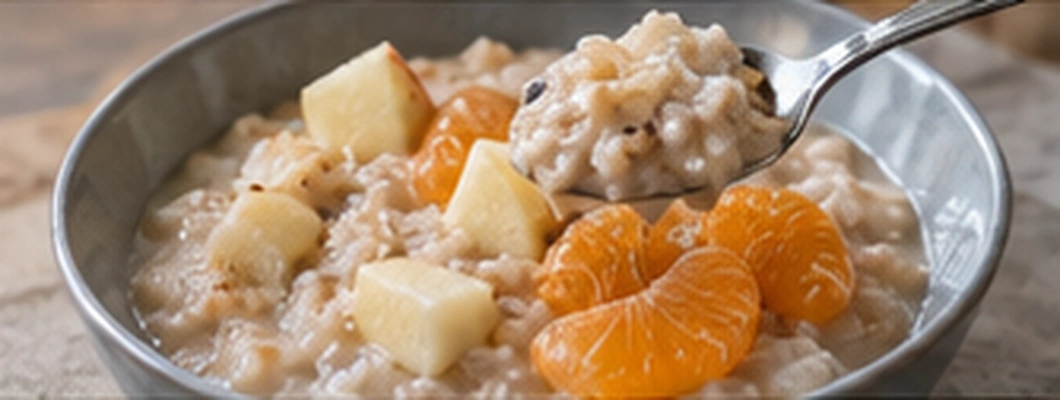
Fiber is split into two kinds by whether it dissolves in water. Soluble fiber draws in water, turns into a gel and slows digestion. It is plentiful in oats, barley, beans, the flesh of apples, and citrus fruits.
Fiber that does not dissolve
It adds bulk to stool
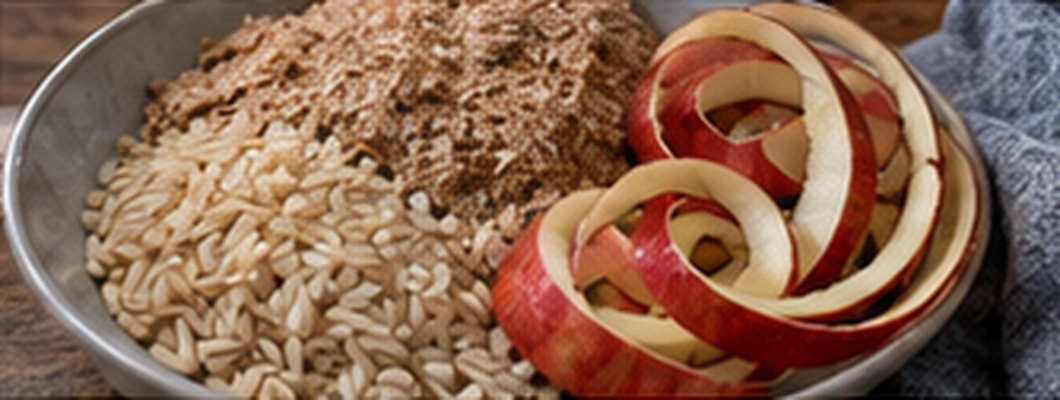
Insoluble fiber does not dissolve in water and adds bulk to what is in the gut. This makes stool bigger and helps it move through the bowel. It is plentiful in wheat bran, whole grains such as brown rice, vegetables and apple skin.
In the large intestine
Food for gut bacteria
Undigested fiber reaches the large intestine and becomes food for the bacteria living there. The bacteria feed on it and make small fat pieces called fatty acids, which the body uses for energy. This is also why eating a lot of fiber suddenly can cause gas.
Calories
About half of ordinary carbohydrate
So fiber is not calorie-free. Ordinary carbohydrate gives about 4 kcal per 1 g, and fiber gives on average about half of that, around 2 kcal. That is because the body uses the fatty acids the bacteria make.
What it does ①
It eases constipation
When studies of adults with long-lasting constipation who took extra fiber as a supplement were pooled, about 2/3 of them improved. In the groups without it, only about 2/5 improved. They also went to the toilet more often.

What it does ②
Soluble fiber lowered LDL a little
LDL is the 'bad' cholesterol that builds up in blood vessel walls. In studies where people ate more soluble fiber, such as from oats, LDL went down. But at the amounts people actually eat, the drop was small.

How much
The WHO advises at least 25 g a day
The World Health Organization advises at least 25 g of fiber a day from food (less for young children). A 200 g apple eaten with the skin has about 5 g. US guidelines are a little higher, depending on sex.
Common myth / Does squeezed fruit juice keep the fruit's fiber?
Almost none is left in juice
No. Bottled apple juice has only 1/12 of the fiber of the same weight of raw apple. The same goes for oranges and fresh-squeezed orange juice. Juice keeps many of the fruit's other nutrients, but most of the fiber is lost.
Summary
It works because it is not digested
Dietary fiber is the part of the carbohydrate in plant foods that people cannot digest. Squeezed fruit juice keeps very little of it. Related terms: carbohydrates (simple and complex), GI (glycemic index), gut bacteria.
The more you know, the more you grow.PHYSIQUE NEWS