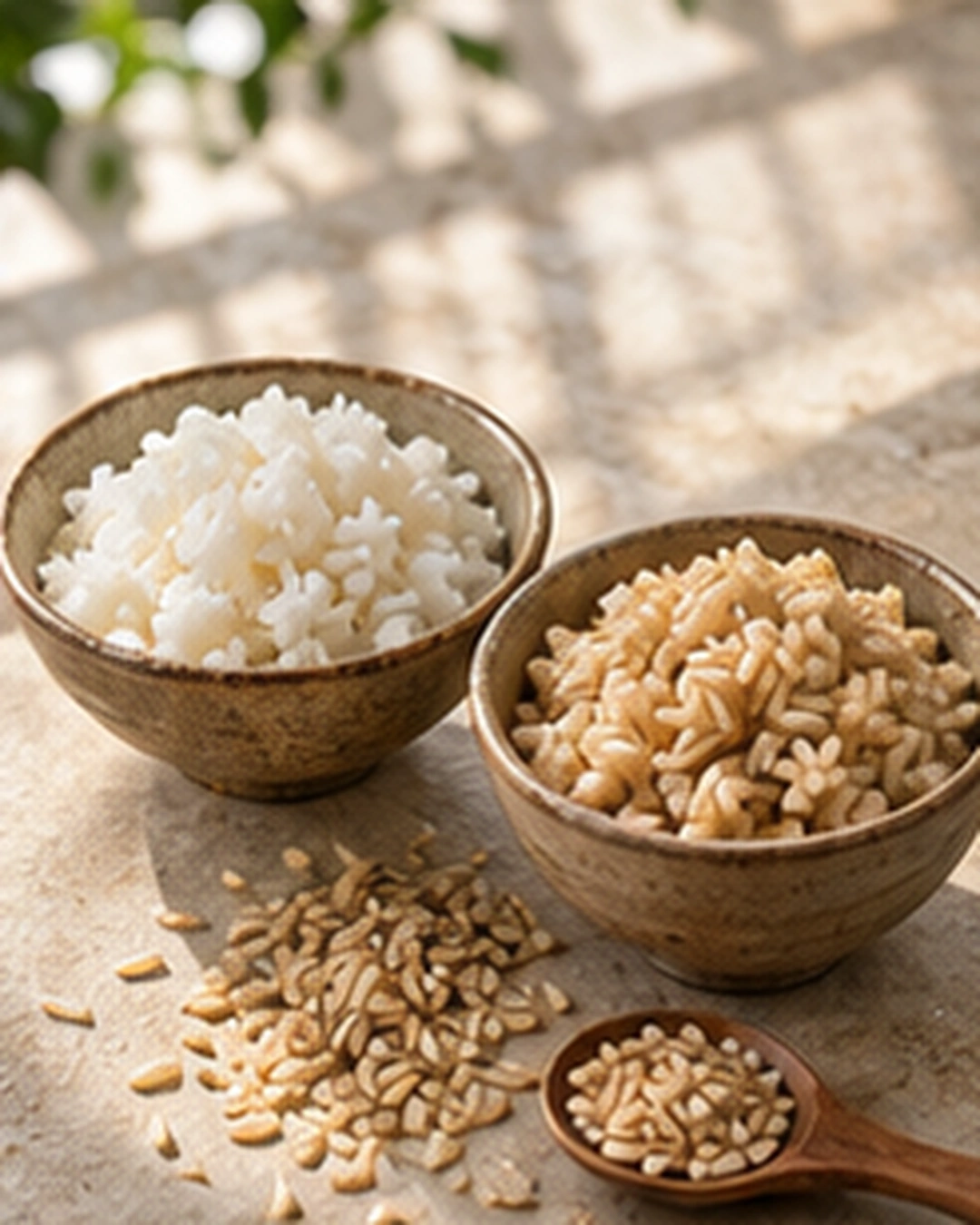
In one line
GI (glycemic index) is a score that shows how fast and how high a carbohydrate food raises blood sugar after eating, compared with glucose.
What is GI (glycemic index)?
What does the 'GI' in 'low-GI diet' measure?
On diet plans and food packages you often see words like 'low GI' or 'foods with a low glycemic index'. Rice, bread and fruit are said to have different GIs. What does this number measure, and how?
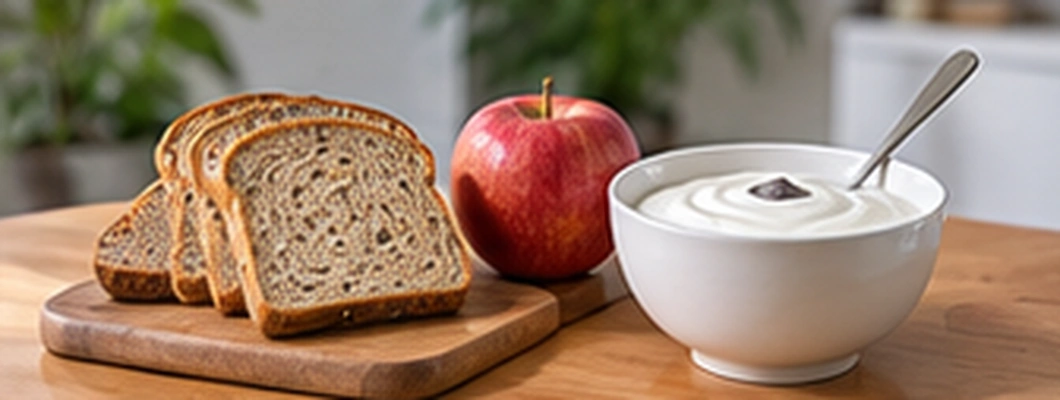
In one line
A score for how fast a food raises blood sugar
GI is a score for how fast and how high blood sugar rises after you eat a food. The reference is glucose. Glucose is set at 100, and other foods are scored against it. In Korean it is called 'hyeoldang jisu' (blood sugar index) or 'dang jisu' (sugar index).

What is blood sugar?
Sugar dissolved in the blood
Blood sugar is the sugar dissolved in your blood, and most of it is glucose. Glucose is the main energy source for the body's cells. Carbohydrates, the nutrient found in rice, bread and fruit, are turned into glucose during digestion and enter the blood.
How it is measured
Eat the same amount of carbohydrate and watch for 2 hours
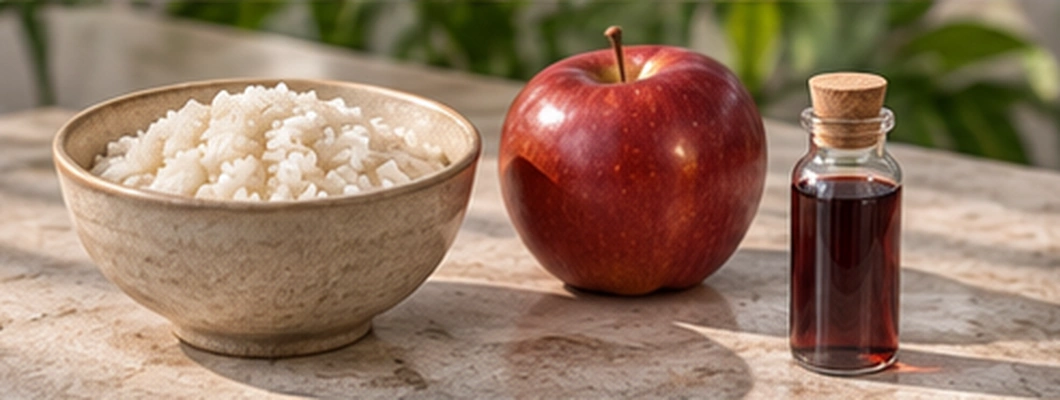
People eat a portion of a food that contains 50 g of carbohydrate, and their blood sugar rise is measured for 2 hours. On another day, the same people eat 50 g of glucose and the two are compared. Taking the glucose rise as 100, how much the food raised blood sugar is that food's GI.
High and low
70 or more is high, 55 or less is low
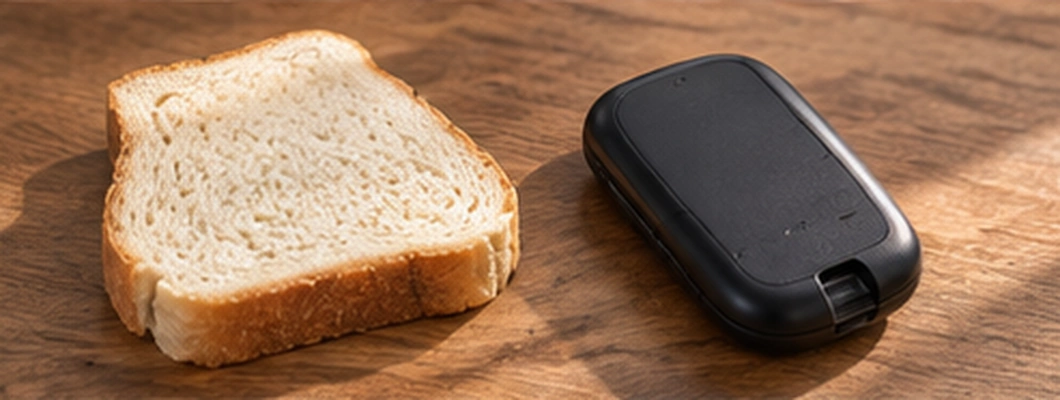
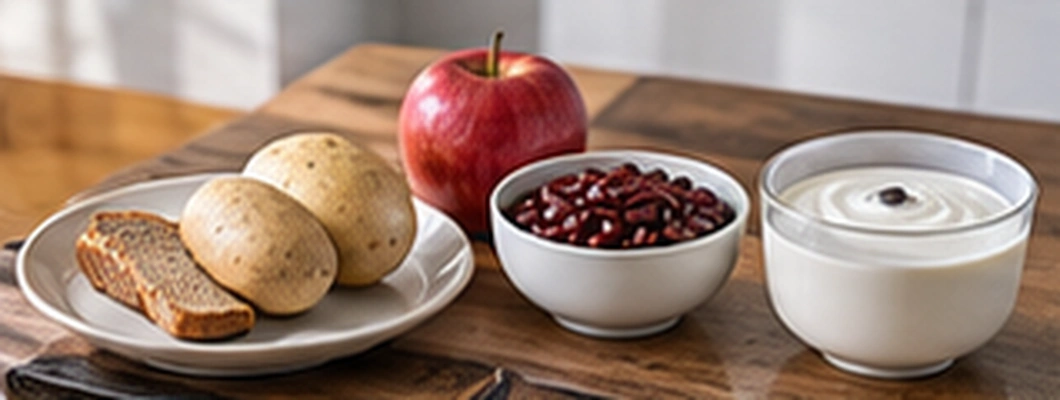
A GI of 70 or more is high, 55 or less is low, and anything in between is medium. White bread, potatoes and white rice are mostly on the high side. Milk and yogurt, beans, and fruits like apples and oranges are mostly on the low side.
Foods without a GI
No carbohydrate, no measurement
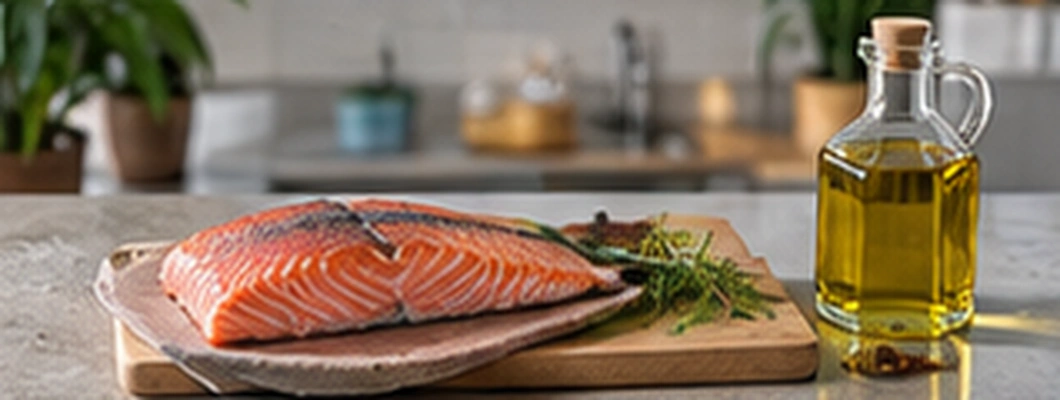
Only foods that contain carbohydrate have a GI. That is because the test itself means eating 50 g worth of carbohydrate. So foods with almost no carbohydrate, such as meat and oil, have no GI.
The same food can change
Cooking, processing and ripeness shift it
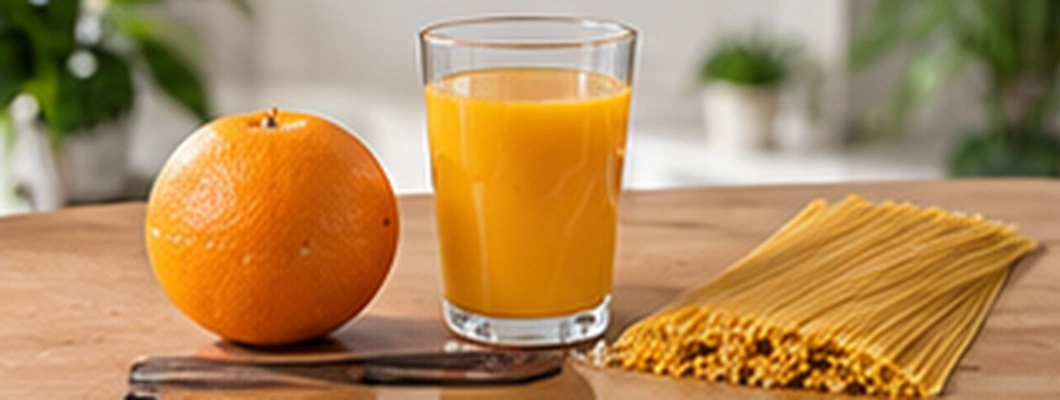
The same ingredient can have a different GI depending on how it is made. Fruit juice has a higher GI than whole fruit, and soft-cooked pasta higher than firm pasta. Foods with more fat or fiber tend to have a lower GI, and fruit also changes with ripeness.
What it is used for
A tool for managing blood sugar
GI is one of the tools people with diabetes use to manage their blood sugar. Diabetes is a disease in which blood sugar stays too high. Low-GI foods raise blood sugar slowly, and high-GI foods raise it quickly.

The gap in GI
It does not include how much you eat
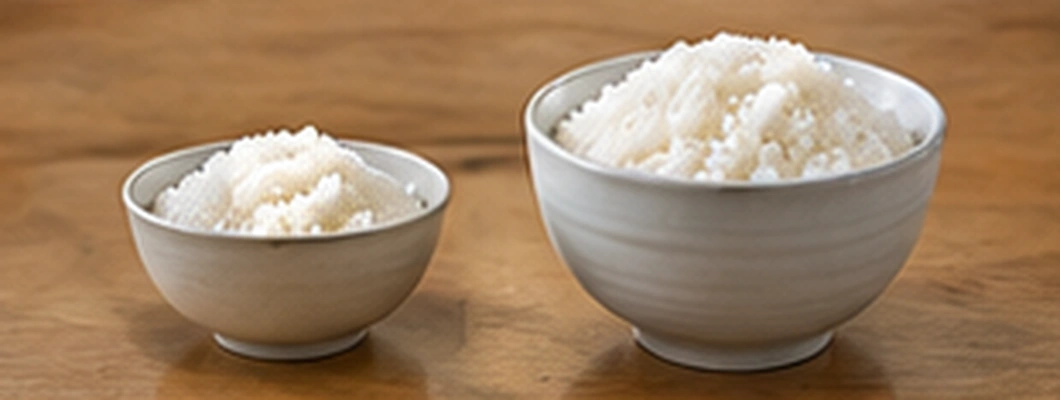
GI is always measured with 50 g of carbohydrate, so it does not show how much you actually eat. That is why a second number that includes the amount, GL (glycemic load), is used alongside it. GL is the GI multiplied by the grams of carbohydrate you actually eat, divided by 100.
Common myth / Does a high GI always mean a big blood sugar rise?
Less carbohydrate means a smaller rise
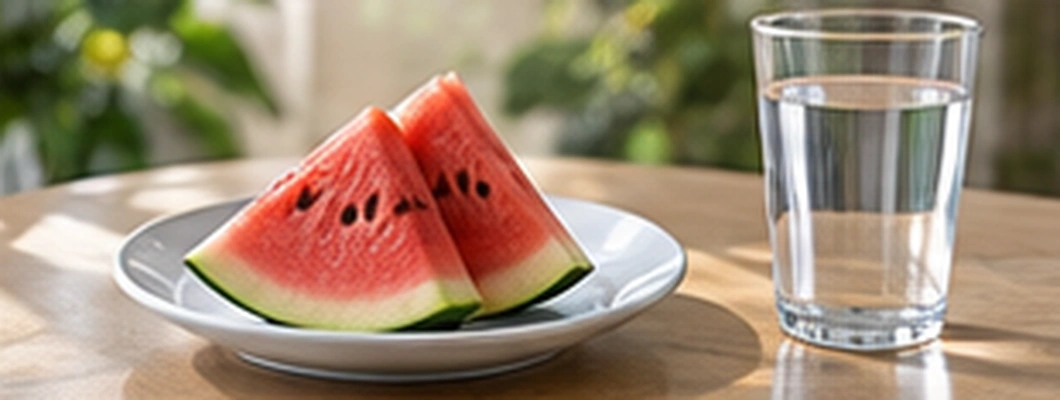
Watermelon is a high-GI food. But it is mostly water, so 120 g of watermelon holds only about 9 g of carbohydrate, far less than the 50 g eaten in a GI test. In research, too, the actual blood sugar rise grew and shrank with GL, which includes the amount eaten, not with GI.
Summary
GI is about speed; amount is a separate question
GI is a score, compared with glucose, for how fast a carbohydrate food raises blood sugar. GI does not include the amount eaten, so even a high-GI food raises blood sugar less when you eat a little. Related terms: GL, carbohydrates, fiber.
The more you know, the more you grow.PHYSIQUE NEWS