In one line
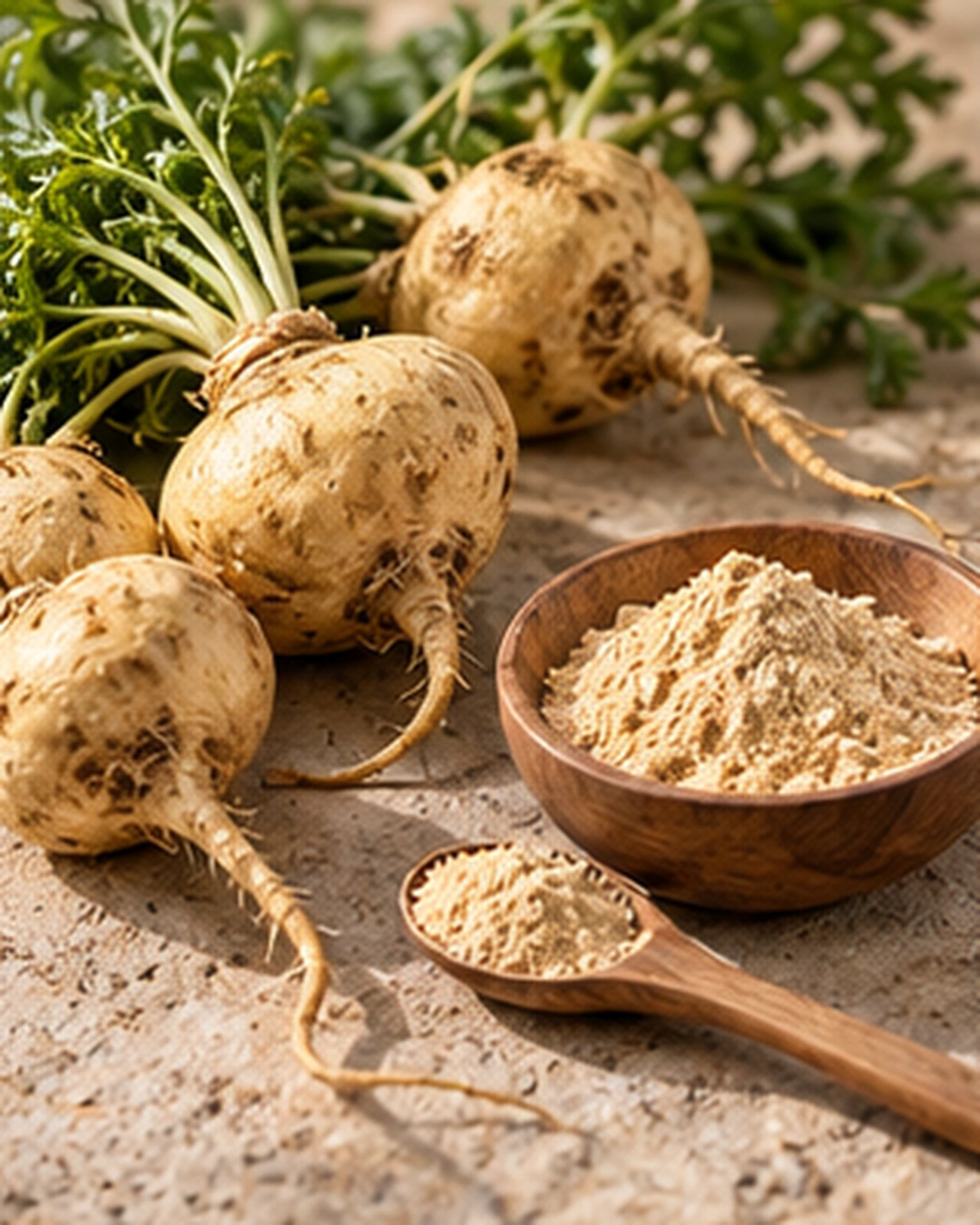
Maca is a plant from the high Andes of Peru, in the same family as cabbage and radish, whose swollen root part has long been eaten as food.
What is maca?
The name on energy and libido supplements
'Maca' is a name often seen on supplements said to boost energy or sex drive, and on powders mixed into drinks. This post explains what kind of plant maca is, how it has been eaten, and what human studies and safety data have found.
In short
A root vegetable from high mountains in Peru
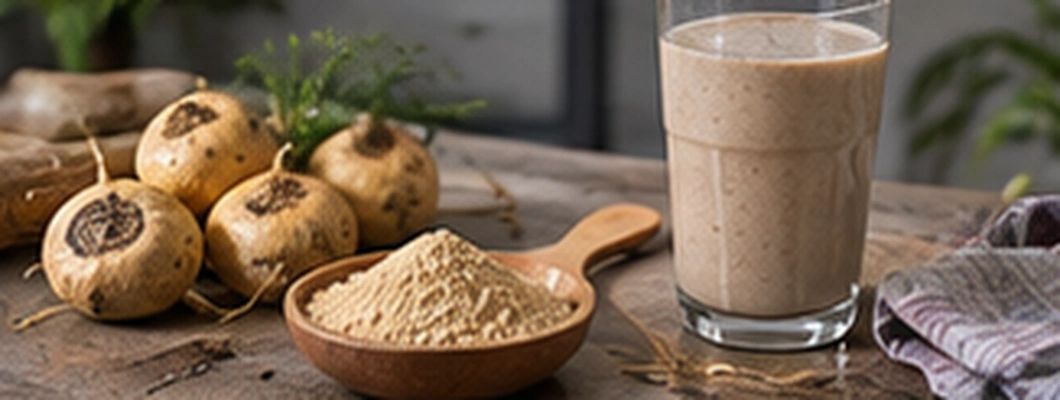
Maca is a plant that grows high in the Andes mountains of Peru in South America. Its swollen, rounded root part has been eaten as a vegetable and food. Most supplements are this part dried and ground into powder, or an extract of it.
What kind of plant?
The cabbage family, like cabbage and radish
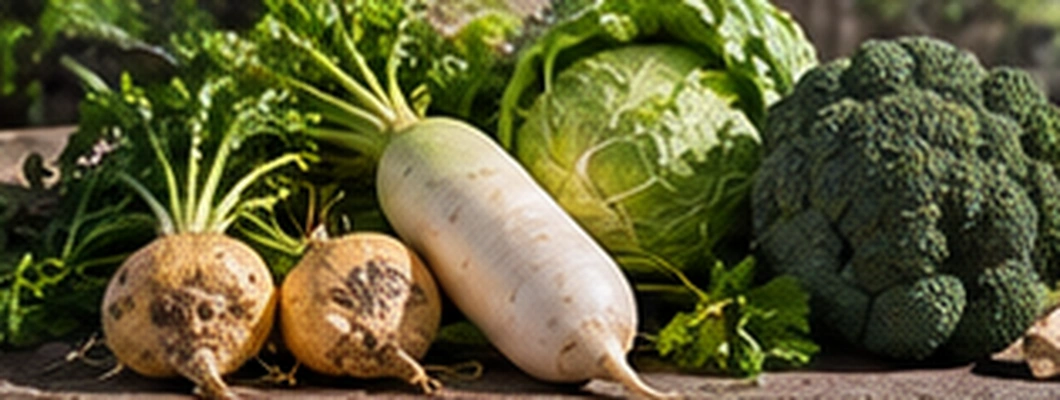
In plant classification, maca belongs to the 'cabbage family' (Brassicaceae). This is a group of plants whose flowers have four petals in a cross shape, and it includes cabbage, radish, mustard and broccoli. So maca is a distant relative of cabbage and radish.
Where it grows
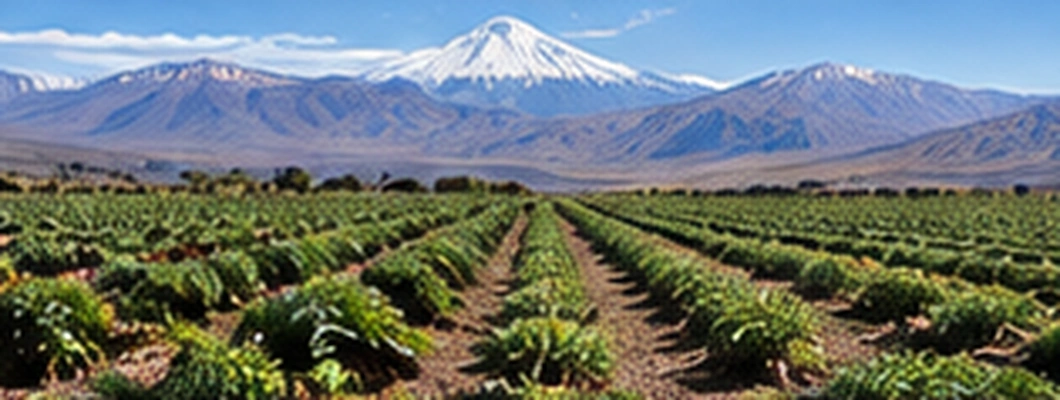
Andean highlands above 4,000 m
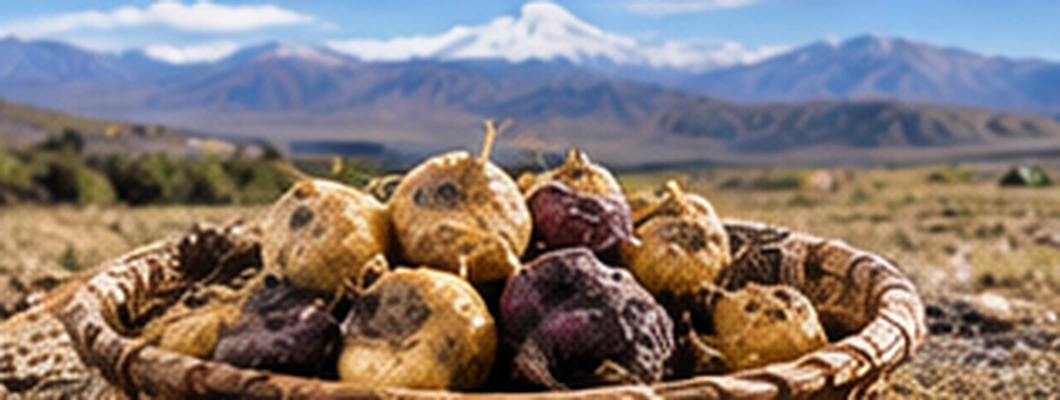
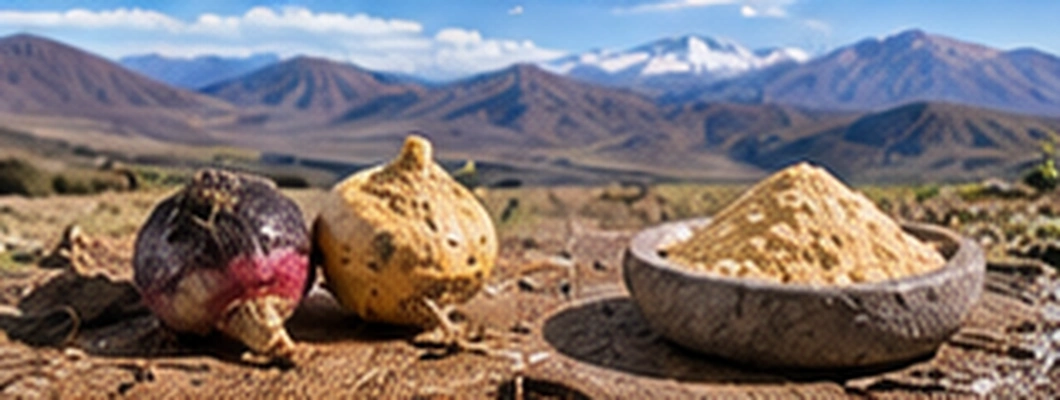
Maca grows on highlands more than 4,000 m above sea level in the central Andes of Peru. That is far higher than Mount Baekdu (about 2,700 m). People there have grown and eaten maca for more than a thousand years.
The part people eat
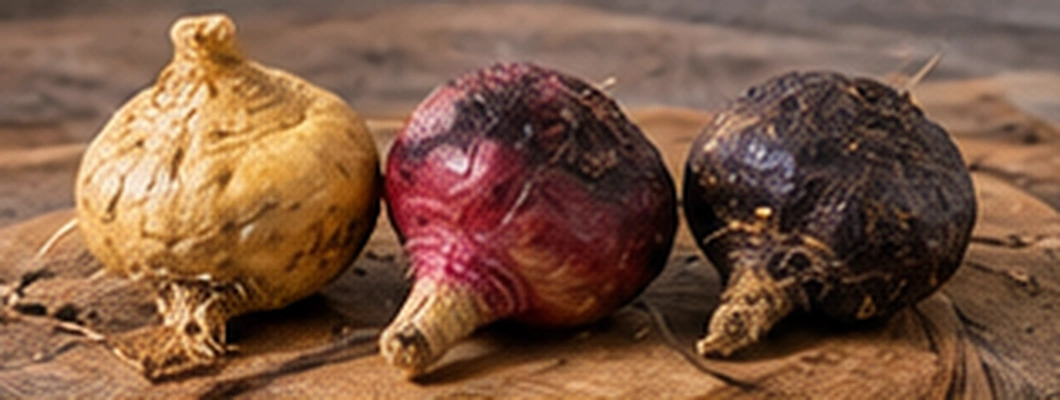
A rounded, swollen bulb like a radish
The part of maca people eat is a rounded, swollen bulb like a radish. In botanical terms, it is the part of the stem just above the root, together with the root below it, that has swollen up. By skin color, maca is divided into types such as yellow, red and black maca.
How it is eaten
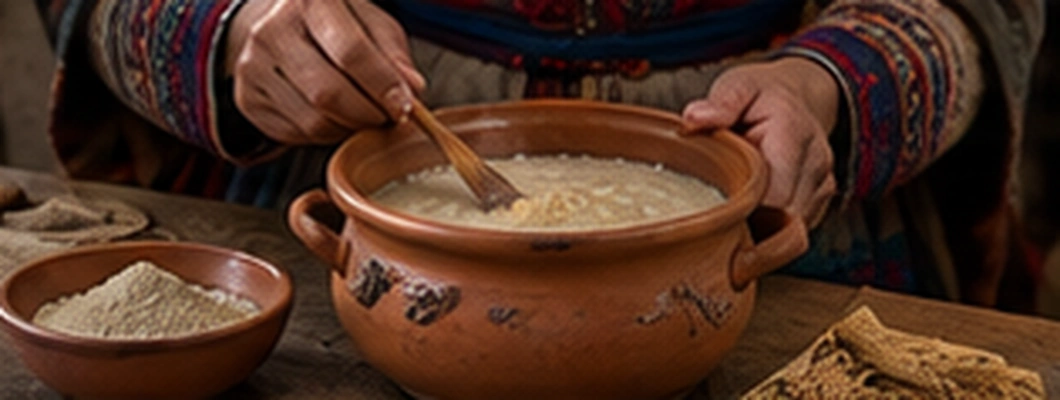
Boiled, baked, or dried into powder
In the Andes, maca is boiled or baked, fermented into a drink, or cooked into porridge. Maca is starchy like potatoes, so common supplement forms are dried, ground powder or powder whose starch has been cooked with heat and pressure to make it easier to digest.
What is in it
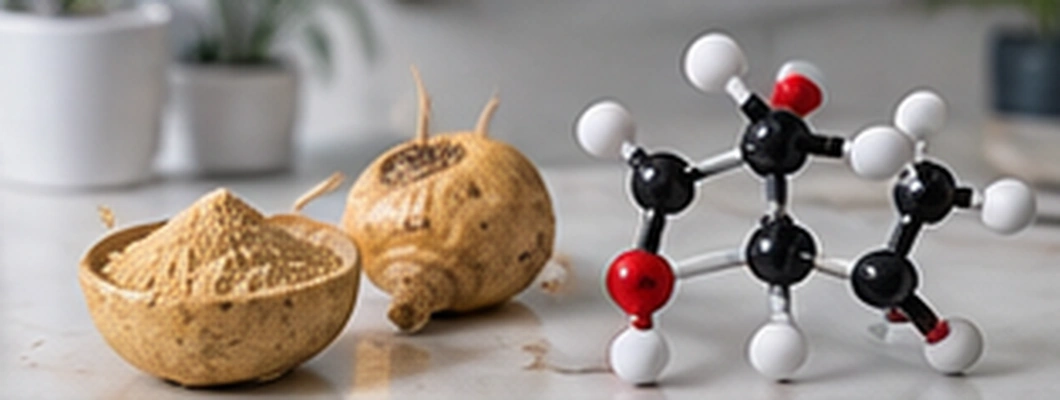
'Macamides', found only in maca
Maca contains nutrients such as fiber, vitamin C, iron and calcium. It also has a group of substances called 'macamides' that have been found only in maca. The effects claimed for maca are attributed to substances like these, but this has not been confirmed in people.
Male hormones
Levels stayed the same after three months
A 'hormone' is a substance that travels in the blood and carries signals around the body. In a study that gave healthy men 1.5 g or 3 g of maca a day for three months, levels of the male hormone testosterone and other reproductive hormones did not differ from those who took a placebo.

Safety
Never linked to liver damage
The U.S. National Institutes of Health's database on drug-induced liver injury states that maca has not been linked to liver damage. In a study that gave 3 g of maca extract a day for three months, no serious side effects appeared either.

Common misconception
It is called 'Peruvian ginseng', so is it a kind of ginseng?
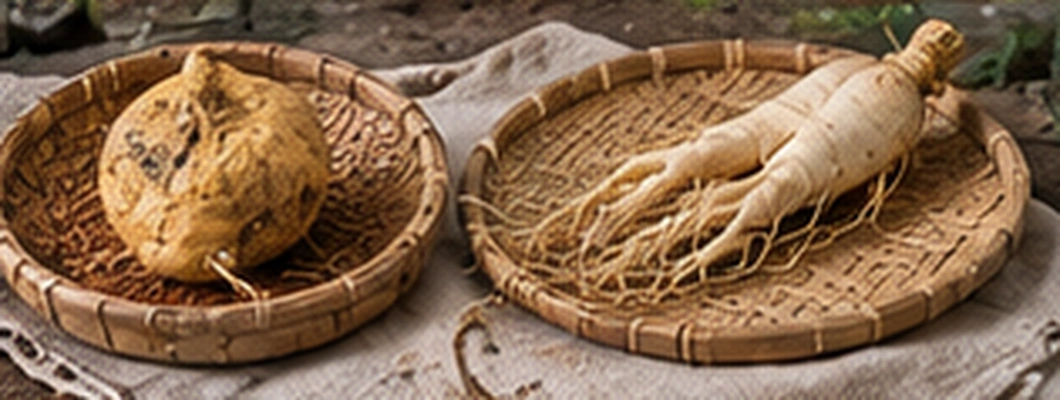
No. Maca has been sold online as 'Peruvian ginseng', but it is a different plant from ginseng. Ginseng belongs to the Araliaceae family, while maca belongs to the cabbage family with cabbage and radish. 'Peruvian ginseng' is only a borrowed nickname.
Summary
A cabbage-family root vegetable from the Andean highlands
Maca is a cabbage-family plant from the Andean highlands of Peru; its swollen root part has been eaten as food, and supplements are mostly that part dried into powder. It is called 'Peruvian ginseng' but is a different plant from ginseng. Related terms: cabbage family, ginseng (red ginseng), testosterone boosters.
The more you know, the more you grow.PHYSIQUE NEWS