In one line
Gluten is a protein found naturally in wheat, barley and rye that makes dough chewy and helps bread rise.
What is gluten?
The 'gluten-free' label on bread bags
You see 'gluten-free' printed on bread and snack packages. People who quit wheat flour sometimes say 'gluten is bad for you'. What is gluten, and who does it cause problems for?
In one line
A protein in wheat, barley and rye
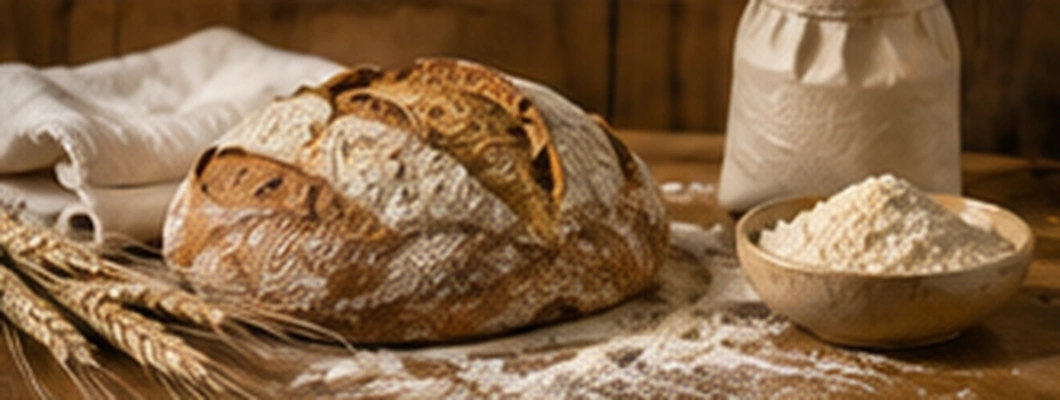
Gluten is a protein found naturally in wheat, barley and rye. It is a protein stored inside the grain kernel, and it is common in foods made from wheat flour such as bread, noodles and snacks.
Two kinds of protein
Gliadin and glutenin
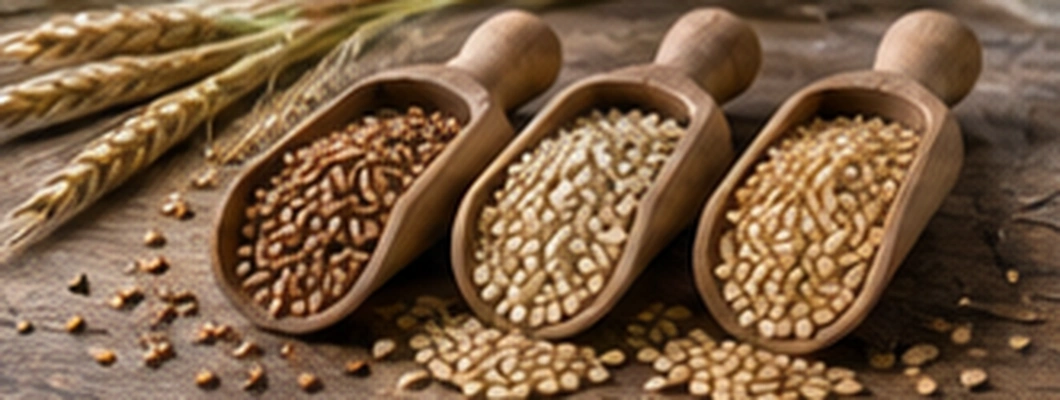
Wheat gluten is made mainly of two groups of proteins. One is 'gliadin' and the other is 'glutenin'. Gliadin lets dough stretch well, and glutenin builds the dough's frame and gives it springiness.

A net inside the dough
Formed by adding water and kneading
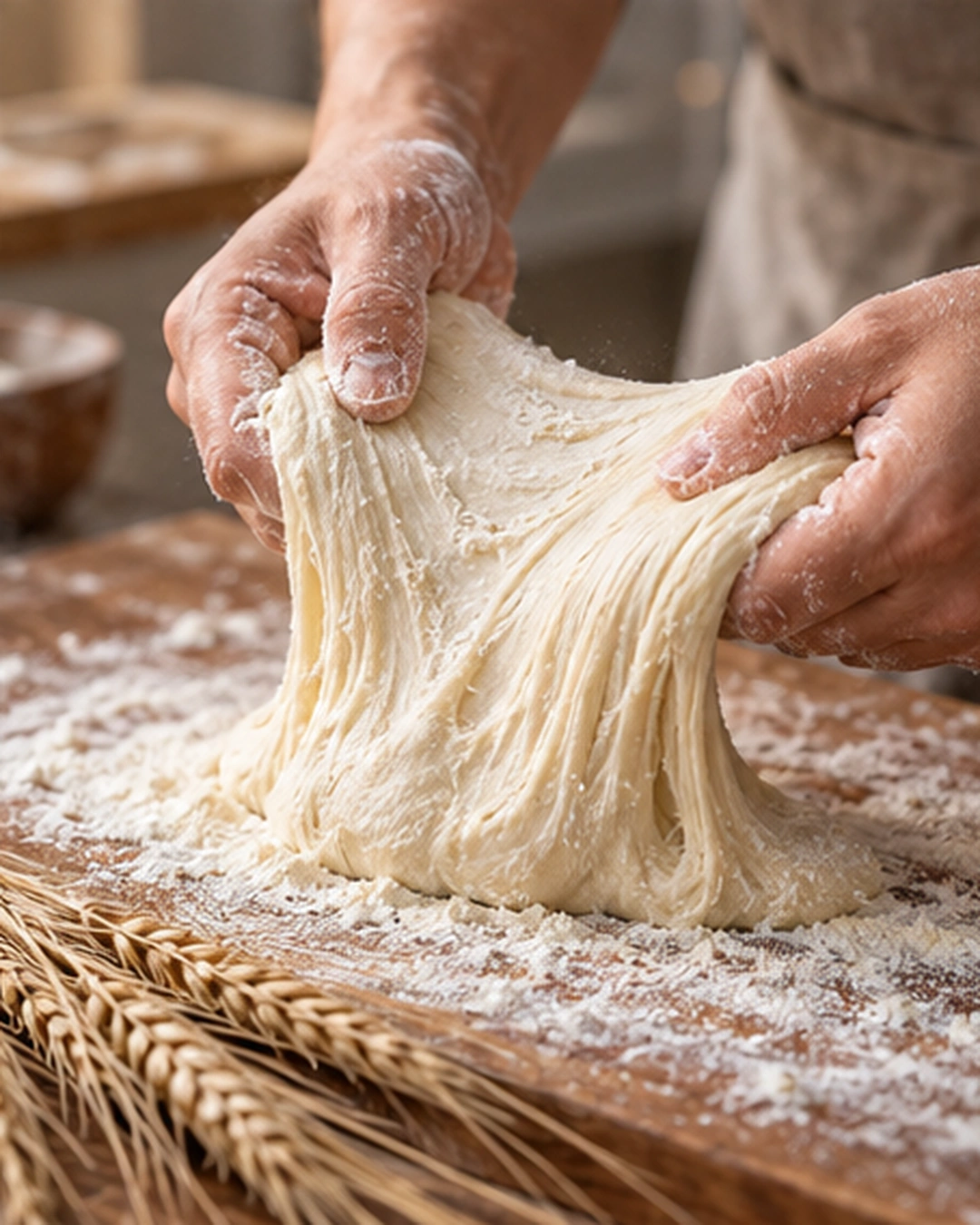
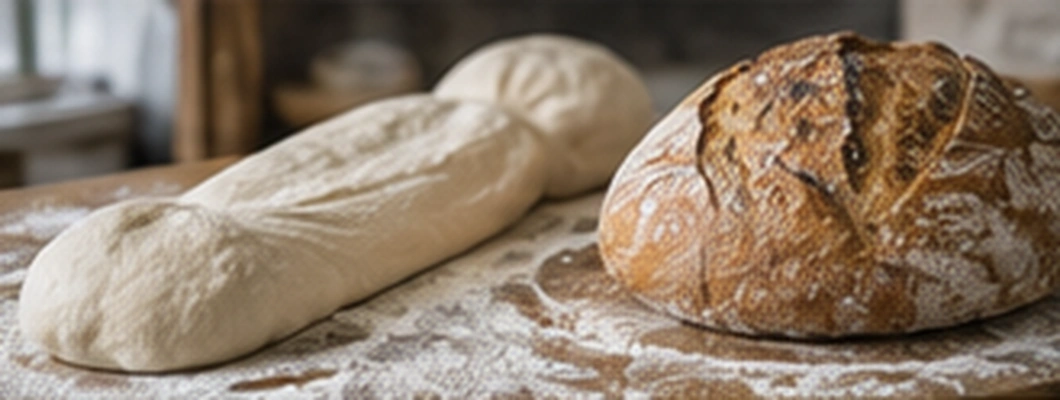
When water is added to flour and the dough is kneaded, the two proteins soak up water and link together like a net. Thanks to this net, wheat dough is chewy and stretches without breaking when pulled.

Why bread rises
The net traps gas bubbles
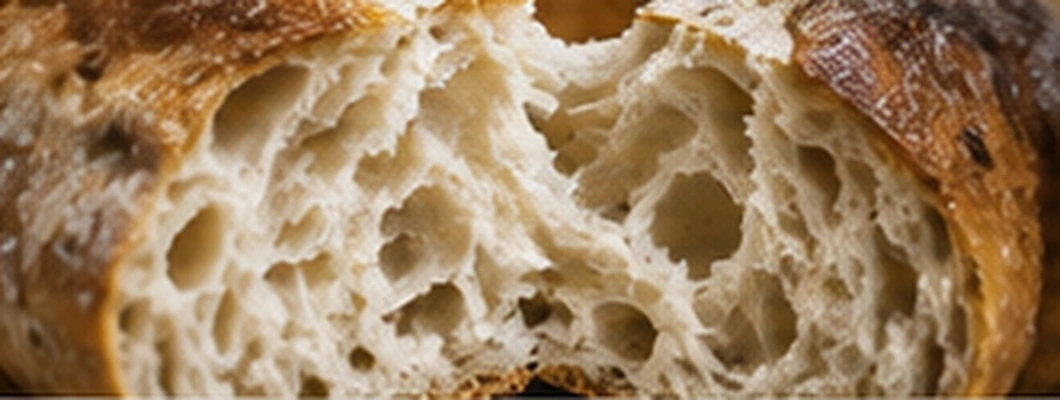
Yeast, the tiny fungus added to bread dough to make it rise, gives off carbon dioxide gas inside the dough. The gluten net wraps around and holds these gas bubbles so the dough swells. Gluten also holds up well to heat, so it is sometimes added to processed foods to improve texture.
Where is it found?
Flour foods, plus soy sauce and beer
Gluten is in foods made from wheat flour such as bread, pasta, noodles, snacks and cakes. It is also in foods made with wheat or barley such as soy sauce, beer, batter and sauces. Rice, corn, potatoes, meat, fish, vegetables and fruit naturally have none. Oats are not a gluten grain either, but they are often mixed with wheat and barley.

Celiac disease
A disease in which gluten damages the small intestine
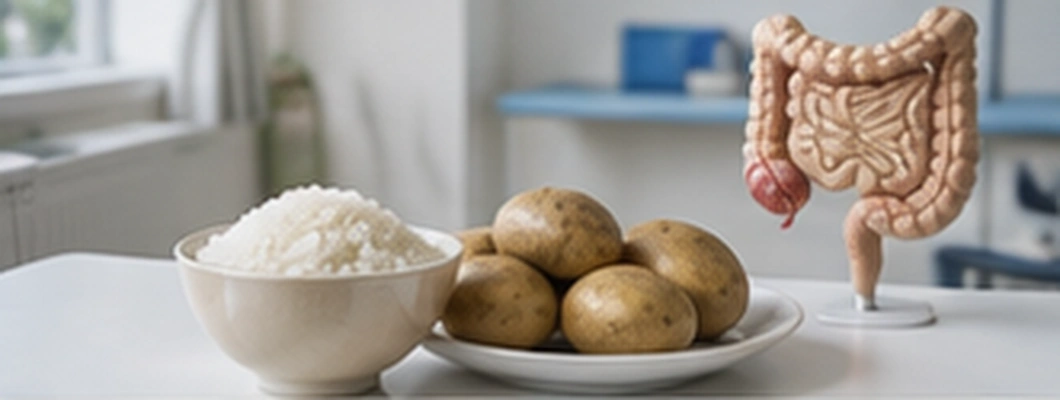
Celiac disease is a disease in which eating gluten makes the immune system, the body's defence system, attack and damage the inner wall of the small intestine. As a result, the body cannot take in nutrients from food properly. About 1% of people worldwide are estimated to have it, and the core of treatment is not eating gluten.
Two conditions different from celiac disease
Wheat allergy and gluten sensitivity
Wheat allergy is a food allergy in which the immune system reacts to wheat, causing symptoms such as itchy eyes or trouble breathing. Gluten sensitivity causes symptoms like celiac disease, such as stomach pain and tiredness, but does not damage the small intestine. Both are different from celiac disease.

The gluten-free label
Under 20mg of gluten per 1kg of food
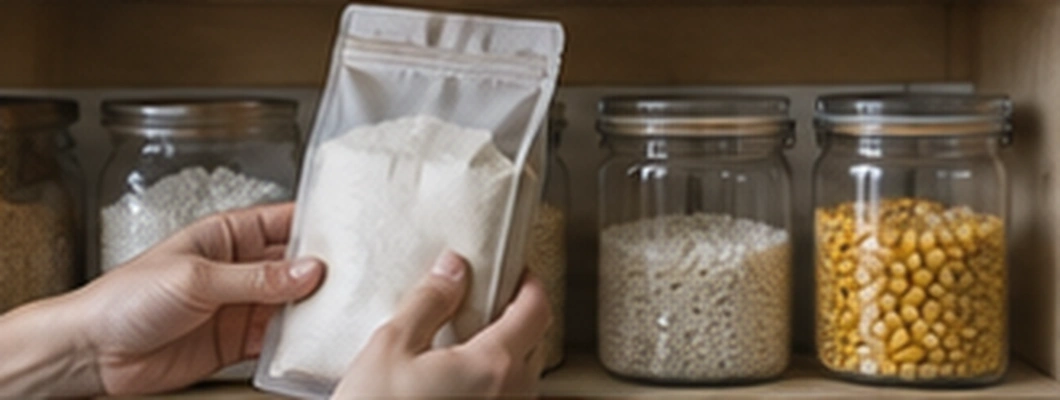
In the US, a food can be labelled 'gluten-free' only if it has less than 20mg of gluten per 1kg. This amount is too small to cause problems for most people with celiac disease. So people with celiac disease use this label to choose what to eat.
A common mistake
Is gluten-free healthier for everyone?
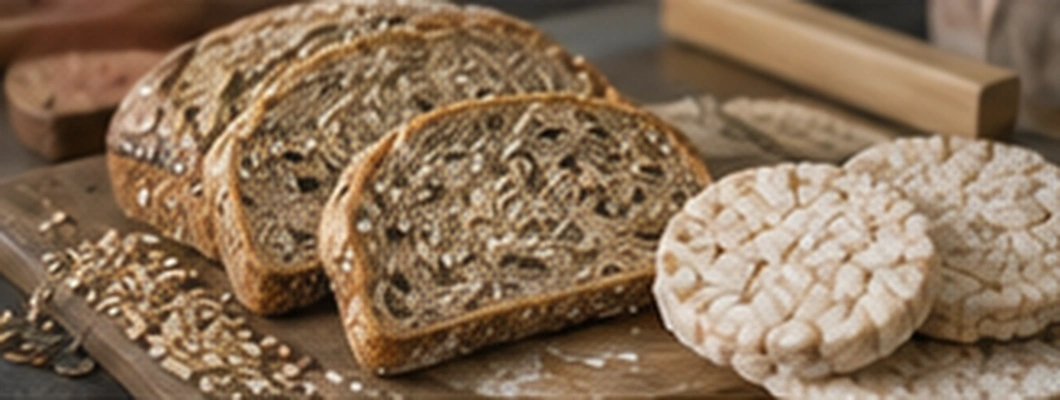
In an observational study that followed people without celiac disease for years, those who ate more gluten did not have a higher risk of heart disease than those who ate less. Packaged gluten-free foods are often higher in sugar and calories and lower in fiber than the foods they replace. Cutting out wheat and barley also makes it easy to fall short of fiber and iron.
Summary
The protein in wheat, barley and rye that makes dough chewy
Gluten is a protein in wheat, barley and rye that makes dough chewy and bread rise. People with celiac disease must avoid it, but in a study of people without the disease, those who ate more gluten did not have a higher risk of heart disease. Related terms: celiac disease, dietary fiber, refined carbohydrates.
The more you know, the more you grow.PHYSIQUE NEWS