In one line
Ultra-processed foods are factory-made products put together from substances taken out of foods and from additives, using ingredients that are almost never used in home cooking.
What are ultra-processed foods?
The word 'ultra-processed' you keep seeing in the news
Health news often talks about 'ultra-processed foods' these days. So is every food made in a factory ultra-processed? Let's look at where the term came from and how foods are sorted, step by step.

In a word
Factory products made with ingredients home kitchens don't use
Ultra-processed foods are factory products put together from substances taken out of foods and from many additives. They contain ingredients almost never used in home cooking, such as high-fructose corn syrup (a sweet syrup made from corn), flavors and colors. They are ready to eat or just heat, and they keep for a long time without going bad.
Where the term came from
The fourth group of a food system called NOVA
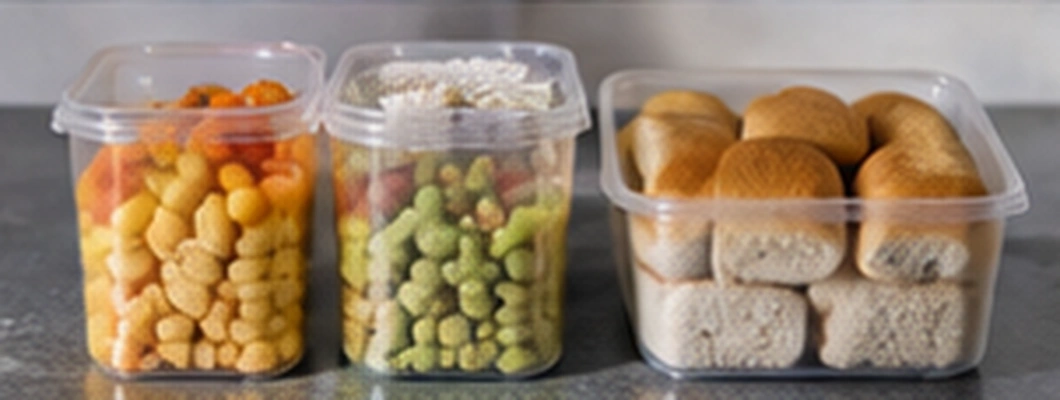
The term comes from the 'NOVA' food system made by researchers at the University of Sao Paulo in Brazil. NOVA sorts foods into four groups not by nutrients, but by how much and for what purpose they were processed (worked on). Ultra-processed foods are the fourth group.
Group 1
Unprocessed or only lightly processed foods
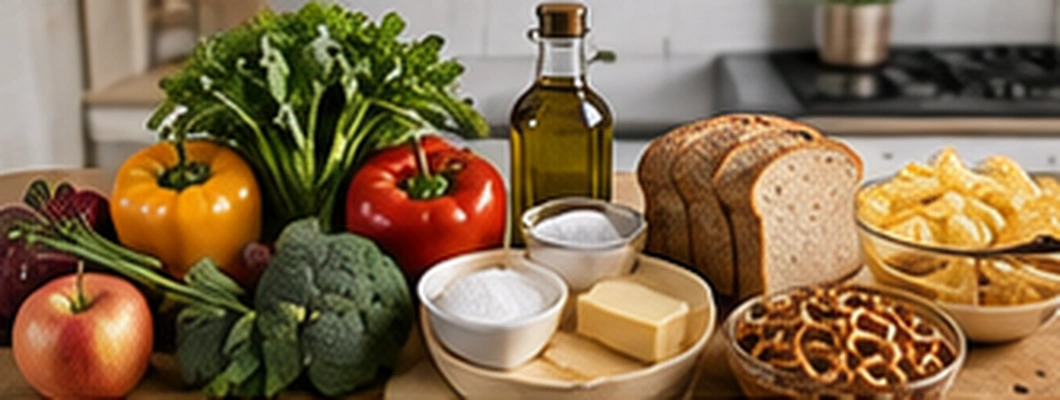
Group 1 is food as it comes from nature, such as fruit, vegetables, rice, beans, meat, fish, eggs and milk. Food that has been washed, dried, frozen or pasteurized (heated to cut down germs) also counts as group 1. So frozen vegetables, dried mushrooms and plain yogurt are group 1 too.
Group 2
Ingredients added in cooking
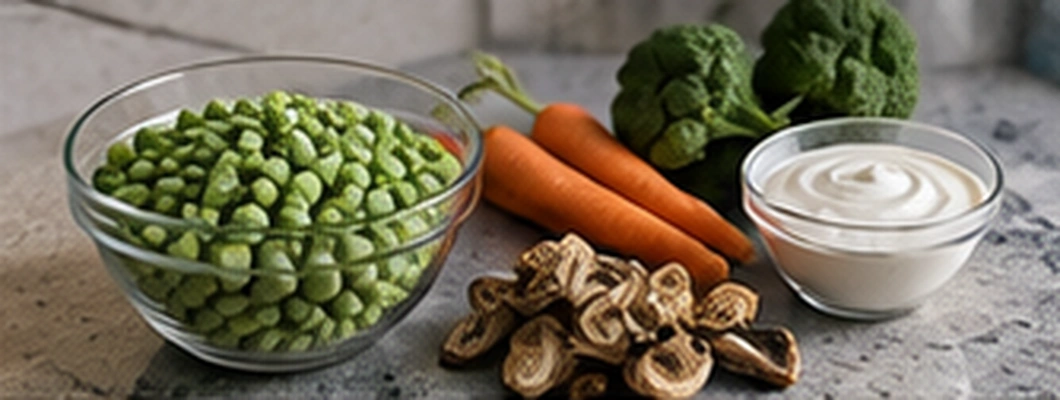
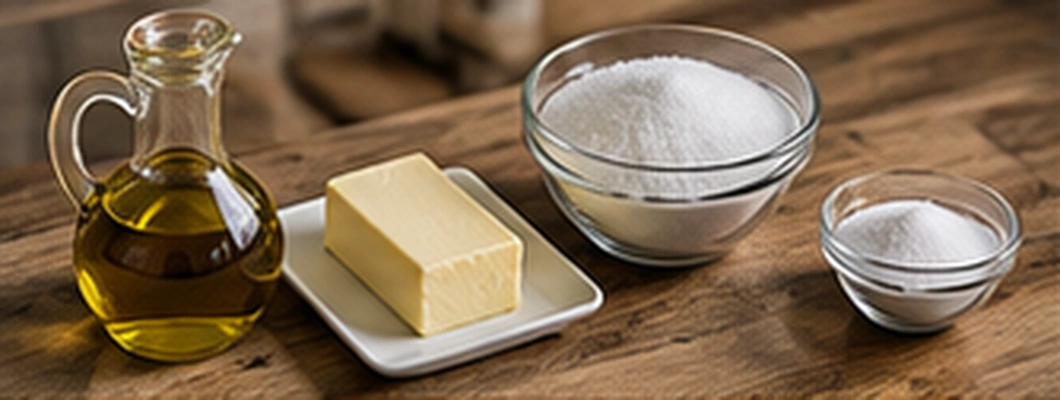
Group 2 is cooking ingredients made by pressing, grinding or drying group 1 foods. Cooking oil, butter, sugar and salt belong here. They are not usually eaten on their own but are added when cooking group 1 foods.
Group 3
Simple processed foods: group 1 plus group 2
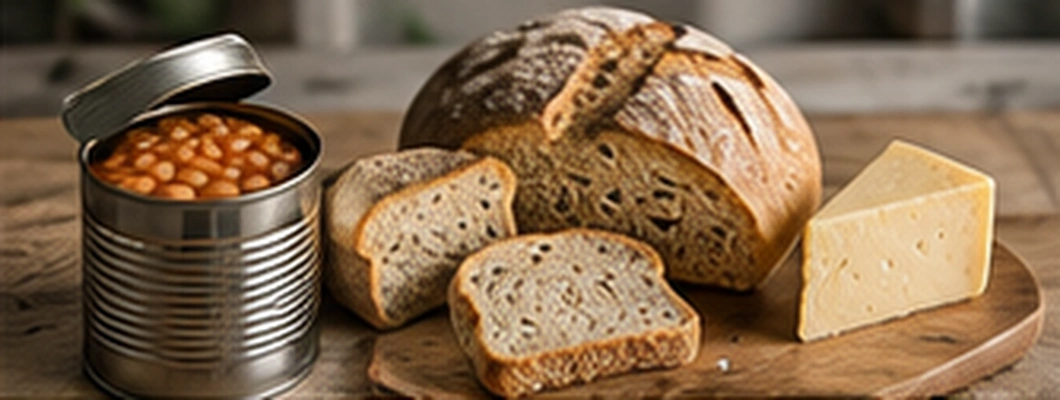
Group 3 is food made by adding group 2 ingredients such as salt, oil or sugar to group 1 foods. Examples are canned beans in salt water, canned fish in oil, freshly baked bread and cheese made with salt. They have only two or three ingredients, and you can still tell what the original food was.
Group 4, ultra-processed foods
From soft drinks to sausages
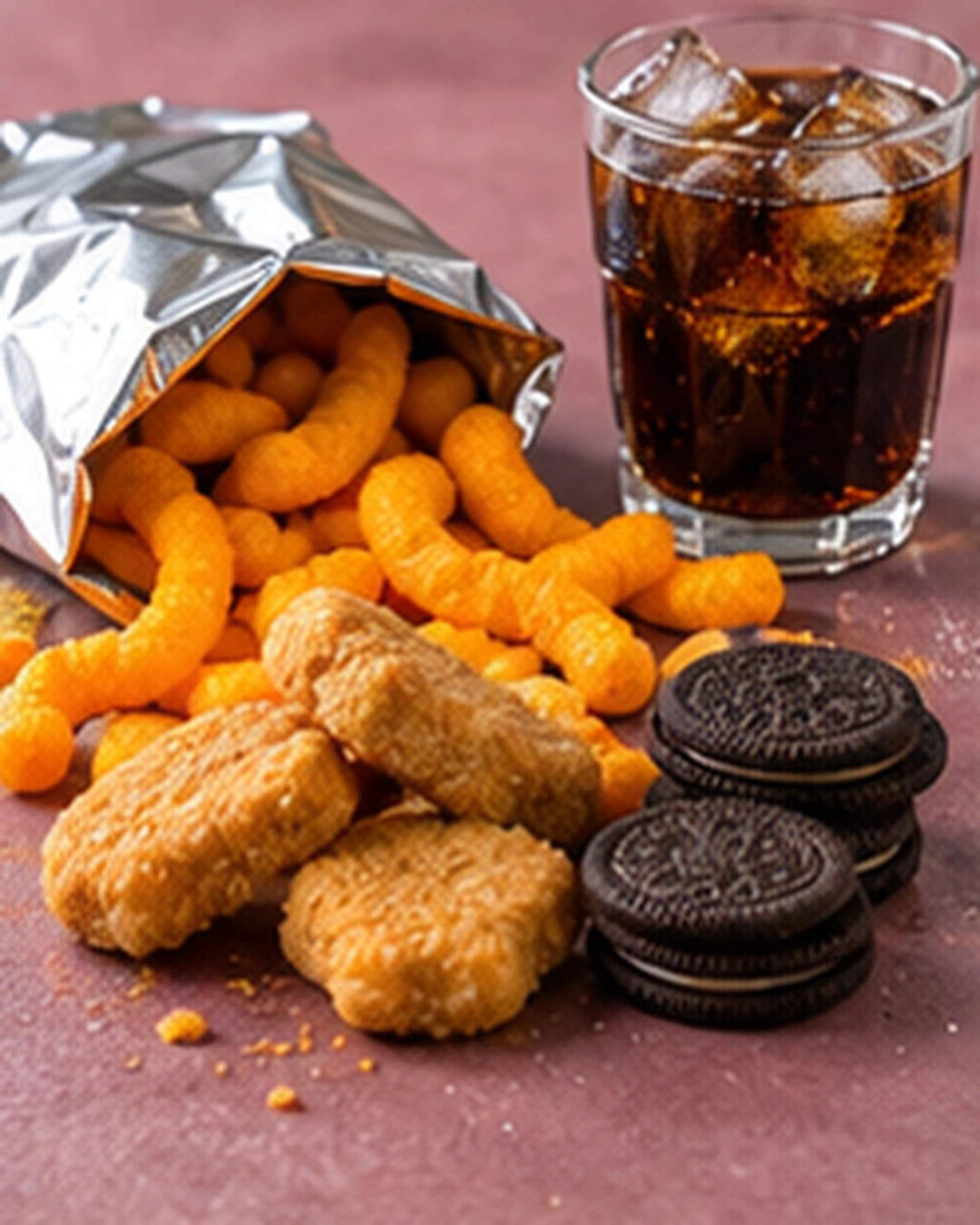
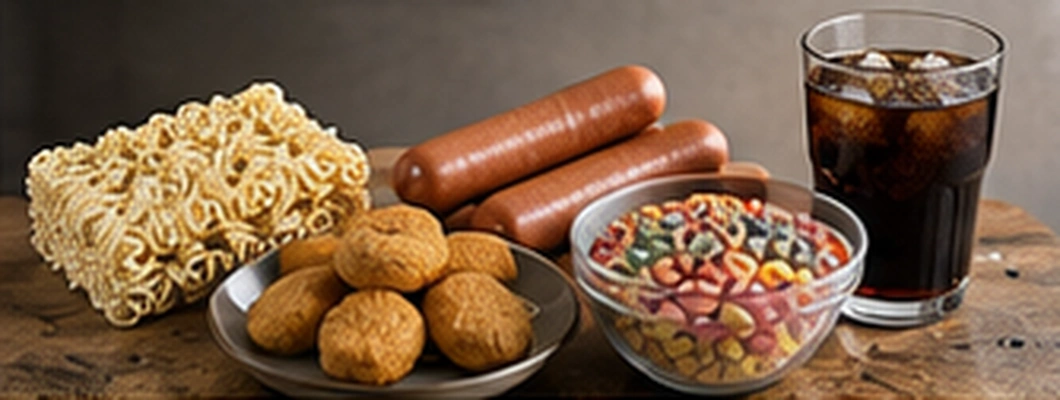
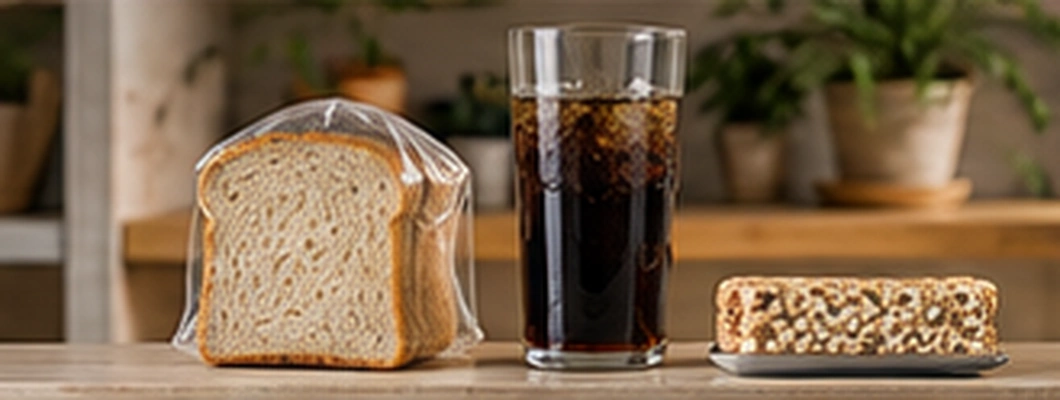
Examples of group 4, ultra-processed foods, are soft drinks, packaged snacks, candy, mass-produced packaged bread, sweetened cereals, nuggets, sausages and hot dogs, and instant noodles and soups. Cereal bars and meal-replacement shakes for weight control are in this group too.
How to spot them
Is there an ingredient home kitchens don't use?
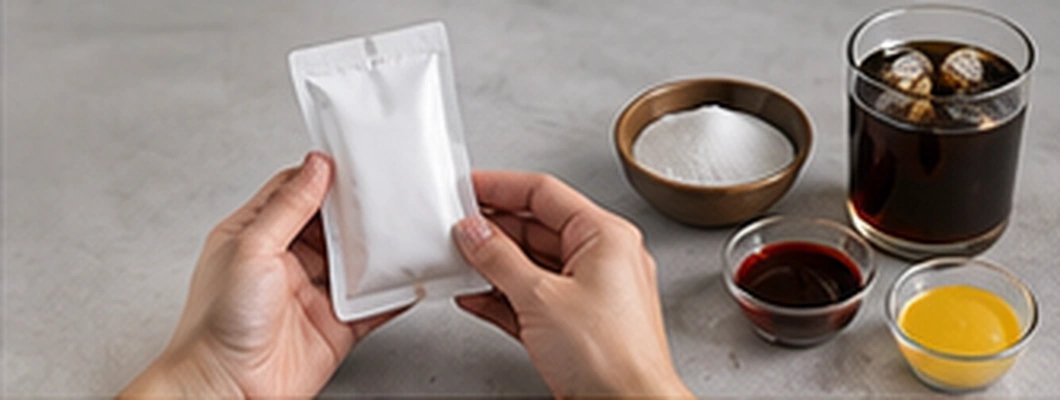
If the ingredient list on the back of a pack has even one item that home kitchens almost never use, the food counts as ultra-processed. Signs are ingredients such as high-fructose corn syrup, hardened oils (hydrogenated oils) and soy protein isolate (protein pulled out of soybeans as a powder), or additives such as flavors, colors, emulsifiers and sweeteners. An emulsifier is an additive that lets water and oil mix.
What research found
Even at the same nutrition standard, less weight was lost on ultra-processed food
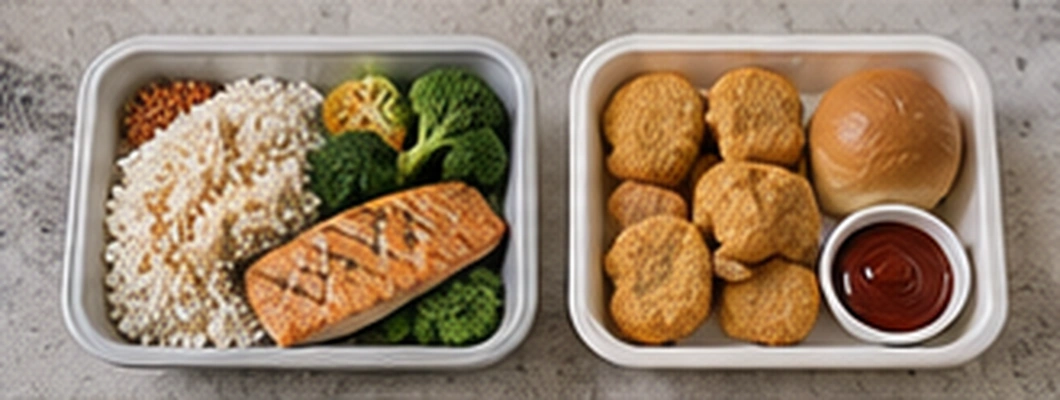
In the UK, people who usually ate a lot of ultra-processed food and carried extra weight ate two diets built to the same nutrition standard, 8 weeks each, in turn. One used ultra-processed foods and one used barely processed foods, with no limit on how much to eat. Weight went down on both, but about twice as much on the barely processed diet as on the ultra-processed one.
Most other research follows people
More illness in those who ate more
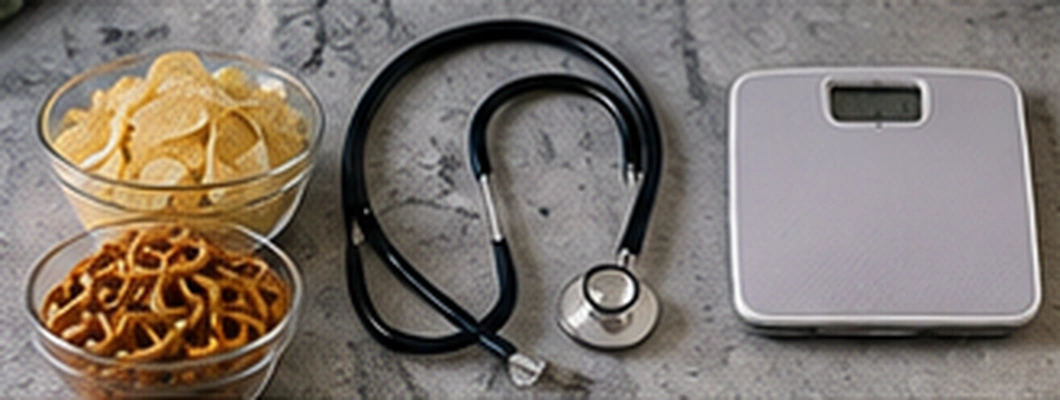
People who ate more ultra-processed food had more deaths from heart disease, more diabetes, and more anxiety and depression. But most of these studies only followed people eating as they chose. A UK government advisory committee concluded it has not yet been sorted out whether the cause is the sugar, salt and fat they contain or the processing itself.
Common myth / If it's high in protein, is it not ultra-processed?
Foods are sorted by how they are made, not by nutrients
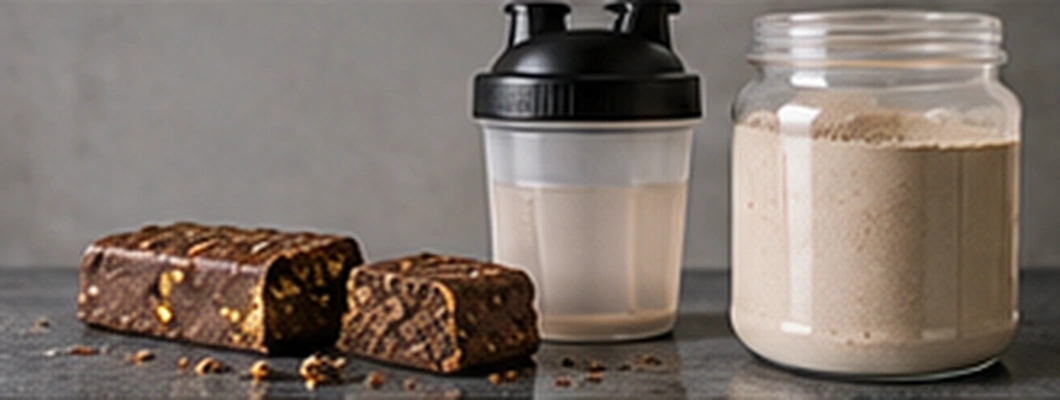
Processed foods with added protein are often seen as a healthy choice. But the NOVA system does not look at nutrients; it sorts foods by how they are made and what goes into them. Protein bars and shakes made with whey protein (milk protein collected from the liquid left after making cheese) or soy protein isolate are ultra-processed foods too.
Summary
Factory products made with ingredients home kitchens don't use
Ultra-processed foods are the fourth NOVA group: factory products put together from ingredients and additives home kitchens almost never use. Because the system sorts by how foods are made, not by nutrients, high-protein bars and shakes belong here too. Related terms: nutrition facts label, refined carbohydrates, added sugar.
The more you know, the more you grow.PHYSIQUE NEWS