In one line
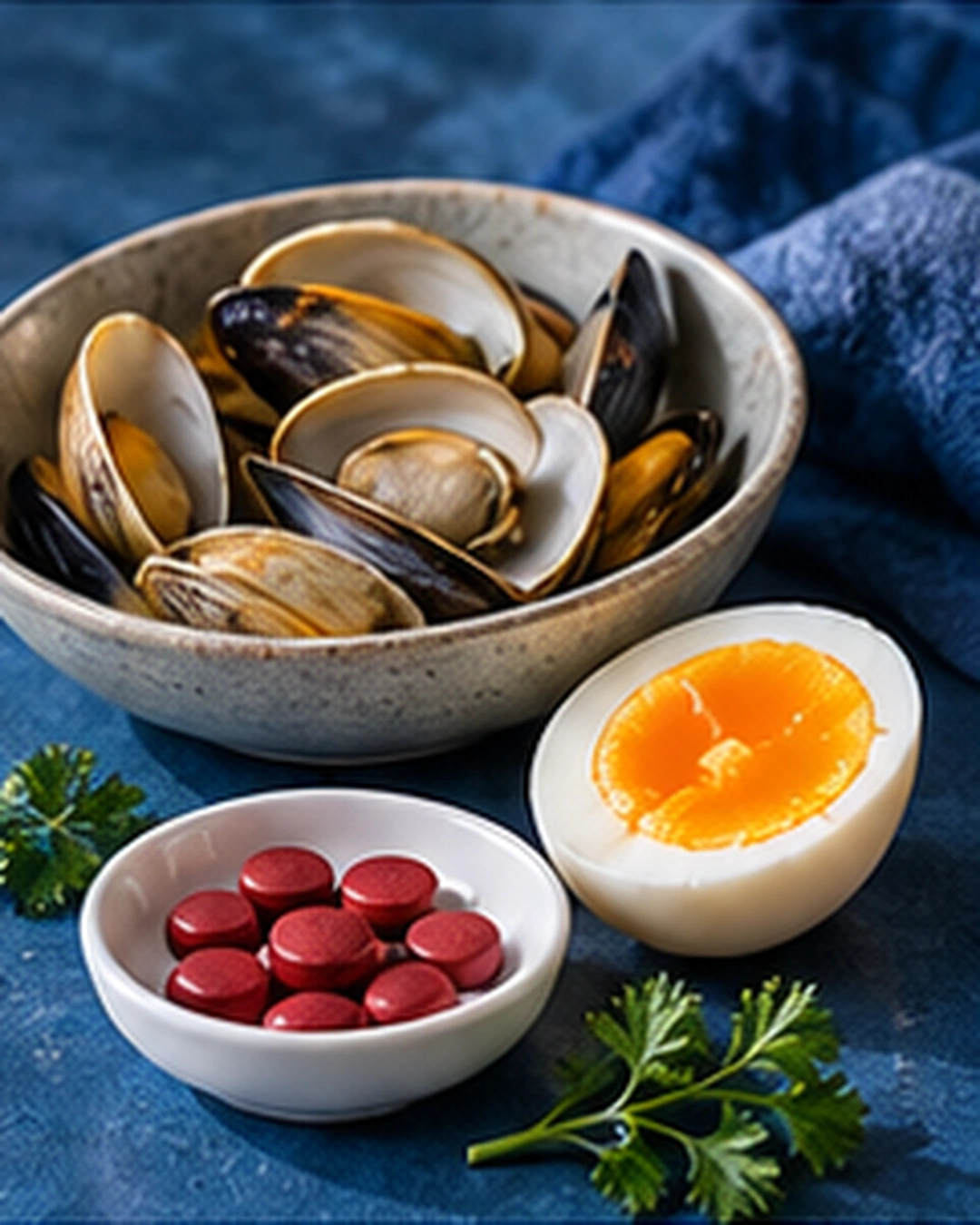
Vitamin B12 is a vitamin the body needs to make blood and keep nerves healthy, and we get it mainly from animal foods.
What is vitamin B12?
A name from supplement labels and 'B12 shots'
You often see 'vitamin B12' on multivitamin labels and hear about 'B12 shots'. This post explains what kind of vitamin B12 is, what it does in the body, which foods have it, and who tends to run low.
In one line
The vitamin that makes blood and protects nerves
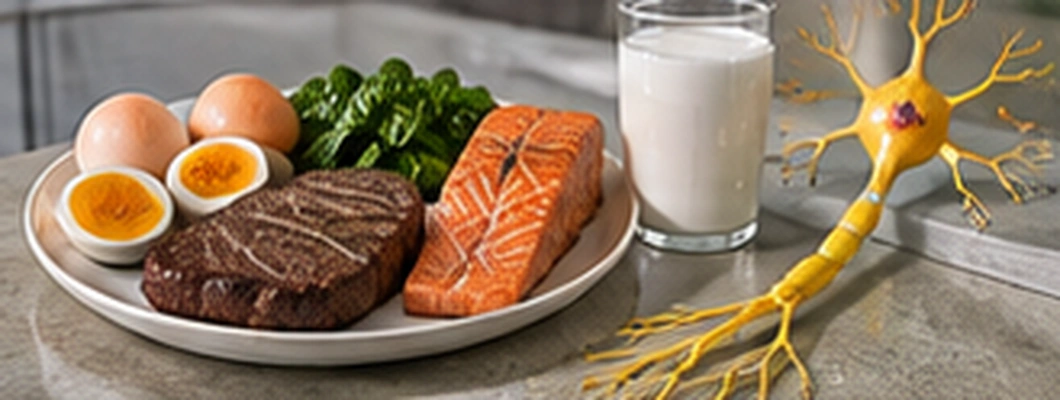
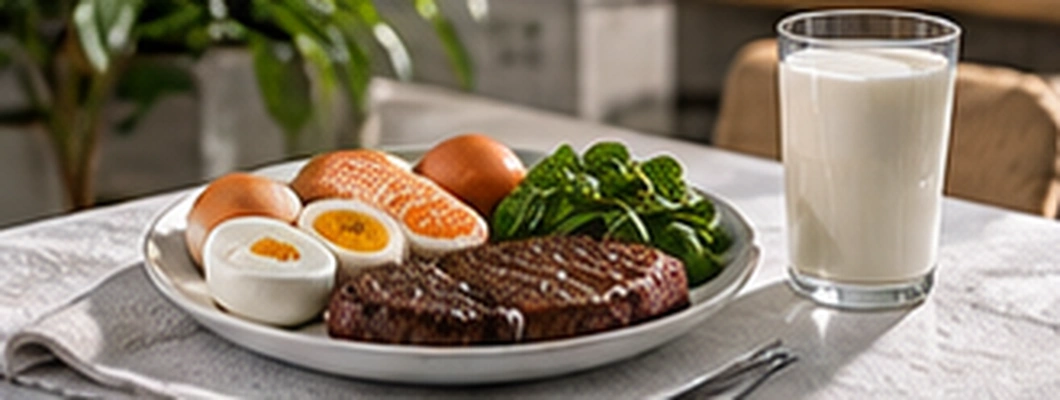
Vitamin B12 is a vitamin the body needs to make blood and keep nerves healthy. The human body cannot make it, so we must get it from food. It is found mainly in animal foods such as meat, fish, eggs and milk.
A water-soluble vitamin
Yet the liver stores years of it
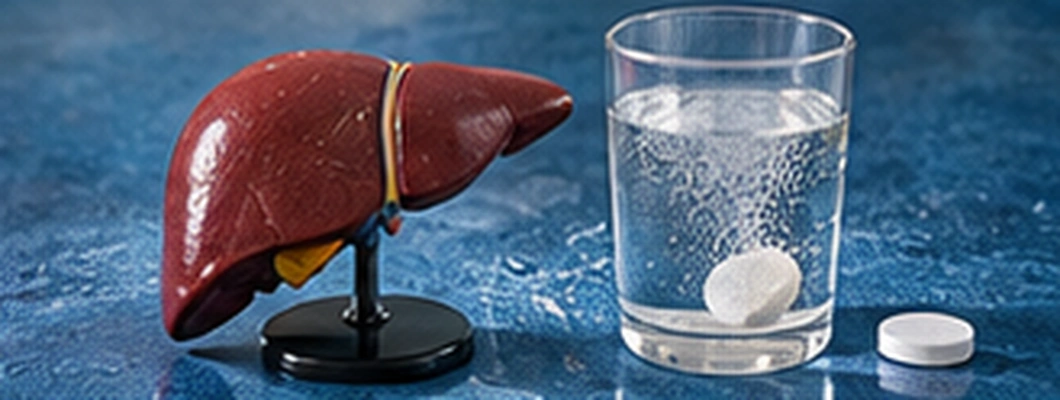
Vitamins are nutrients the body needs in small amounts to grow and work properly. Vitamin B12 is a 'water-soluble vitamin', one that dissolves in water, so leftovers leave the body in urine. Even so, unlike other water-soluble vitamins, enough for several years is stored in the liver.
Cobalt in the name
That is why it is also called 'cobalamin'
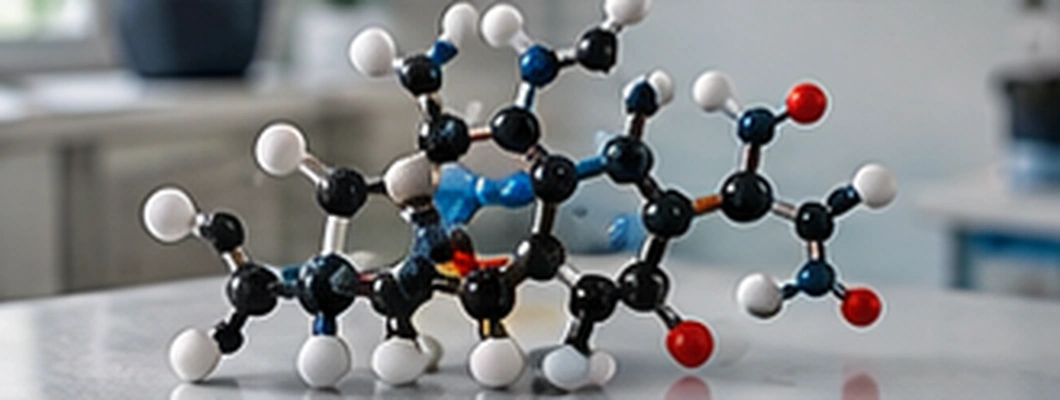
Vitamin B12 holds an atom of a metal called 'cobalt' at its center. That is why it is also called 'cobalamin'. The 'cyanocobalamin' and 'methylcobalamin' on supplement labels are both forms of vitamin B12.
Who makes it?
Only bacteria can
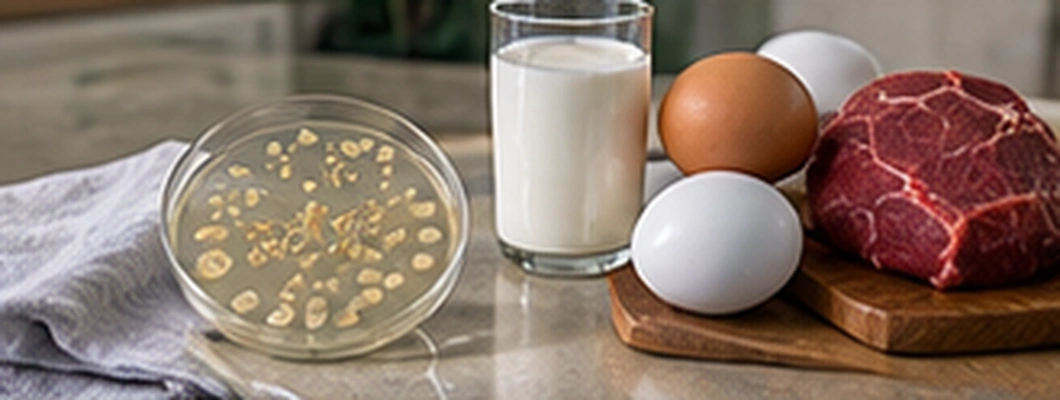
Only certain bacteria can make vitamin B12; plants and animals cannot. B12 made by bacteria builds up in animals through the food chain. So meat, fish, eggs and milk have it, while plant foods have almost none unless it is added.
What it does
Makes red blood cells and protects nerves
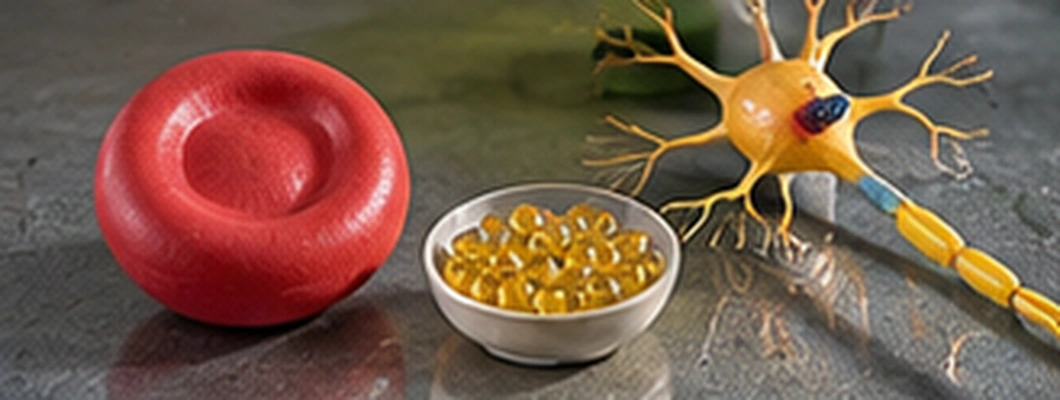
The cells in blood that carry oxygen are called 'red blood cells'. The body needs vitamin B12 to make them. Vitamin B12 is also used to keep nerves working properly.
It needs a partner to be absorbed
'Intrinsic factor' from the stomach
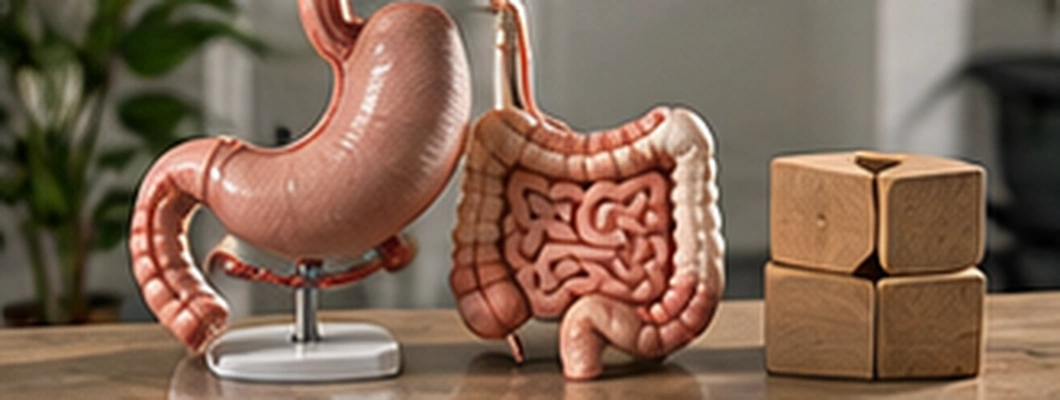
Nutrients passing from the gut into the blood is called 'absorption'. Stomach acid frees B12 from food, and then B12 must pair with a protein from the stomach called 'intrinsic factor' to be absorbed well in the gut. If the stomach cells that make intrinsic factor are destroyed, the body runs low on B12.
How much a day?
The adult recommendation is 2.4 micrograms
The U.S. recommended amount for adults is 2.4 micrograms a day. A microgram is one-thousandth of a milligram, a very small amount. Eating a mix of meat, fish, eggs and milk covers it.
Who runs low easily?
Vegans, older age, gut surgery, some drugs
A strict vegetarian diet with no animal foods makes B12 easy to run short on. Getting older, or having stomach or bowel surgery, lowers absorption and raises the chance of running low. Taking the diabetes drug 'metformin' or acid-lowering medicines for a long time also raises the risk.

When it runs low
Anemia, and tingling hands and feet
A state in which the blood cannot carry enough oxygen is called 'anemia'. Without enough B12 the body cannot make red blood cells properly, so anemia develops, with tiredness and shortness of breath. A long shortage brings nerve damage, such as tingling hands and feet and poor balance, and if treatment comes late it can last for life.

A common myth
Can spirulina supply B12?
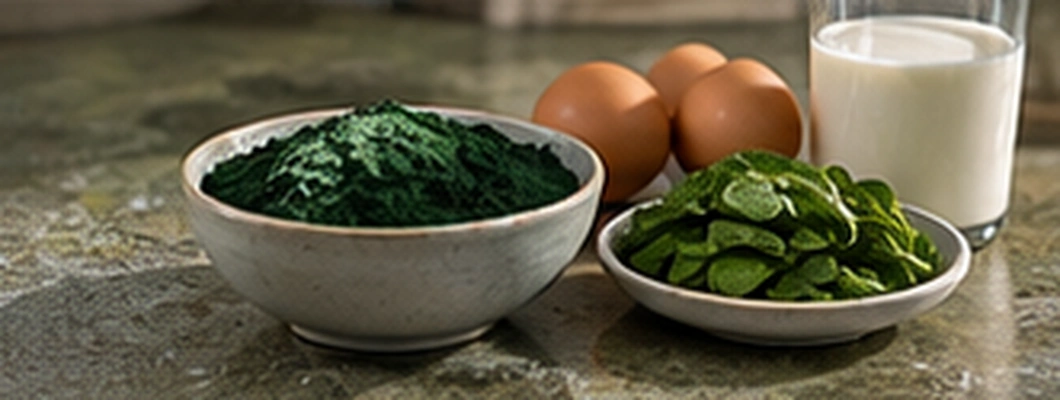
No. Spirulina is a supplement made from tiny green water organisms that are dried. Even when the label lists a lot of B12, most of it turned out to be 'pseudo-B12', a form the human body cannot use. So it is not a suitable B12 source for vegetarians.
Summary
The vitamin for blood and nerves, found in animal foods
Vitamin B12 is a vitamin needed to make blood and protect nerves, and because only bacteria can make it, we get it mainly from animal foods. The B12 in spirulina is mostly pseudo-B12 the body cannot use. Words worth knowing too: intrinsic factor, anemia, water-soluble vitamins.
The more you know, the more you grow.PHYSIQUE NEWS