In one line
Fat is an oily nutrient made of fatty acid chains, and it is called saturated, unsaturated or trans depending on the shape of those chains.
What are fats (saturated, unsaturated and trans)?
Why does fat have three names?
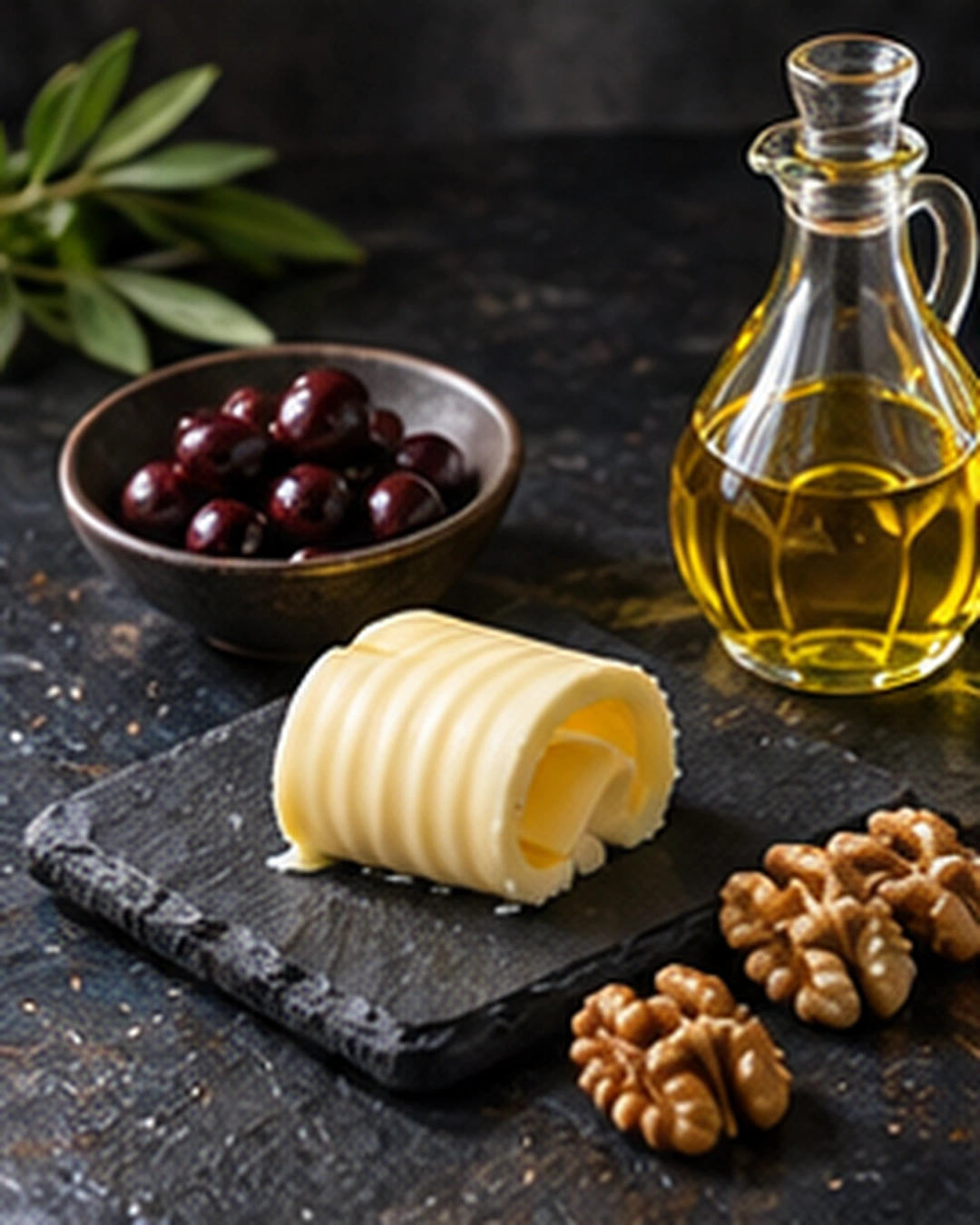
On a food label, saturated fat and trans fat are listed separately under fat. Butter and olive oil are both fat, yet one is solid and the other pours. What is fat, and why is it split into these types?
In a word
A nutrient made of three fatty acid chains
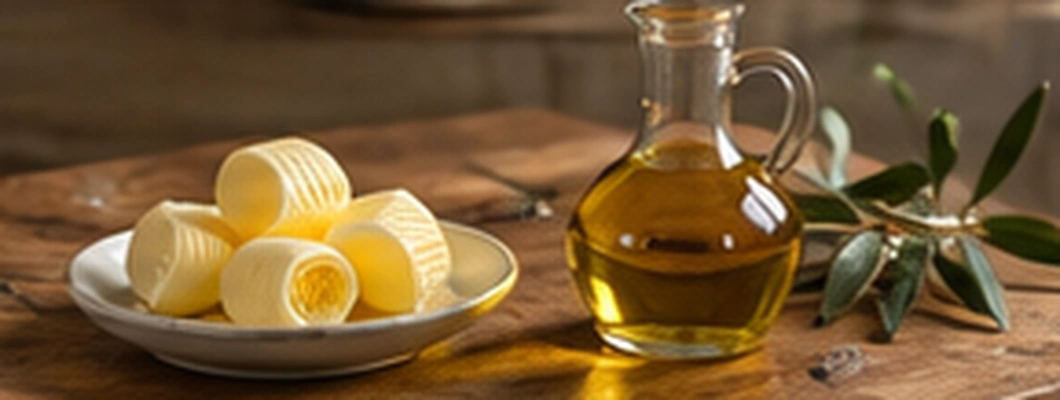
Fat is the oily nutrient in butter, cooking oil and meat fat. If you look at one fat molecule, three long chains called fatty acids are attached to a small backbone. Saturated, unsaturated and trans are names given by the shape of these fatty acid chains.
Background
Fatty acids are chains of carbon and hydrogen
A fatty acid is a row of carbon atoms, with hydrogen atoms attached to each carbon. Neighbouring carbons are usually joined by one bond, but in some places they are joined by two. Whether a chain has these 'double bonds' decides the name of the fat.
Saturated fat
Straight chains full of hydrogen, solid at room temperature
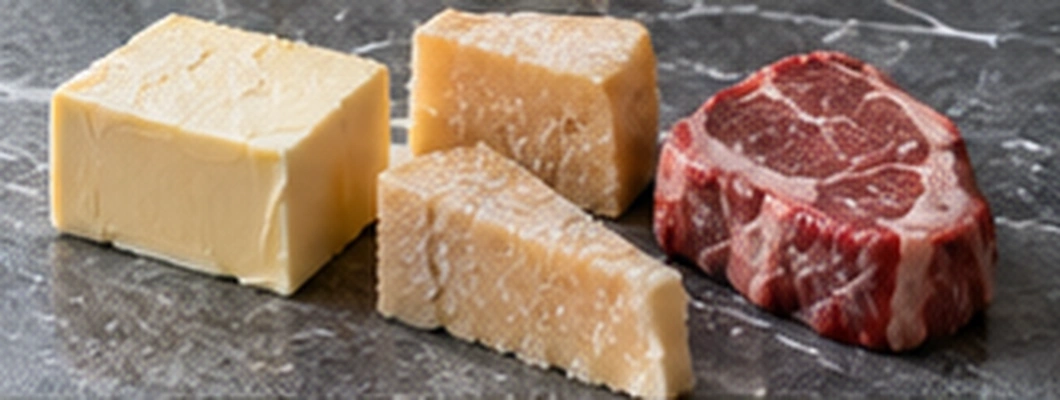
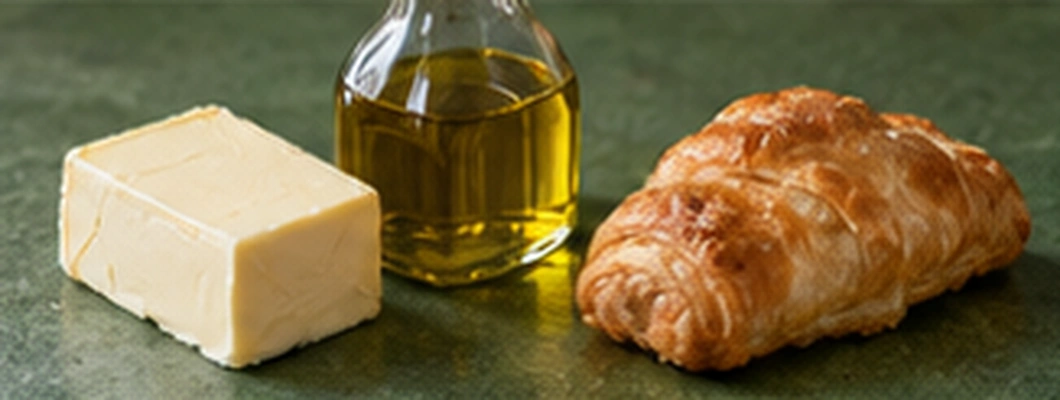
A fatty acid with no double bonds holds as much hydrogen as it can, so it is called 'saturated'. Its straight chains pack tightly, so it is solid at room temperature. Butter, cheese and fatty meat are high in it.
Unsaturated fat
Bent chains, liquid oils at room temperature
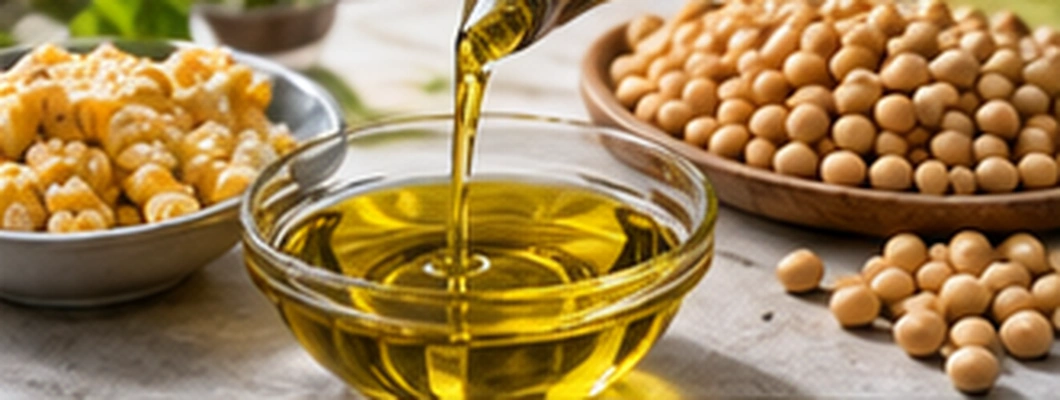
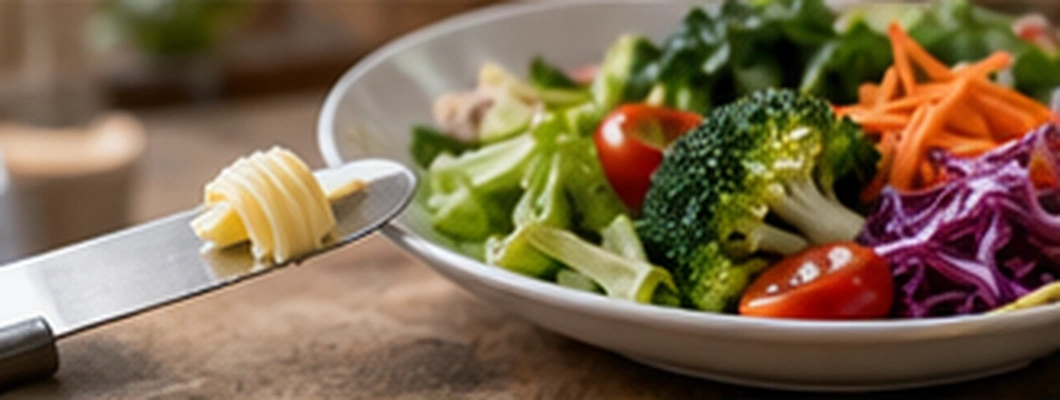
A fatty acid with a double bond bends at that spot and cannot pack tightly. So it stays a liquid oil at room temperature. One double bond makes it 'monounsaturated' (olive oil); two or more make it 'polyunsaturated' (corn oil, soybean oil).
Fatty acids you must eat
Omega-3 and omega-6
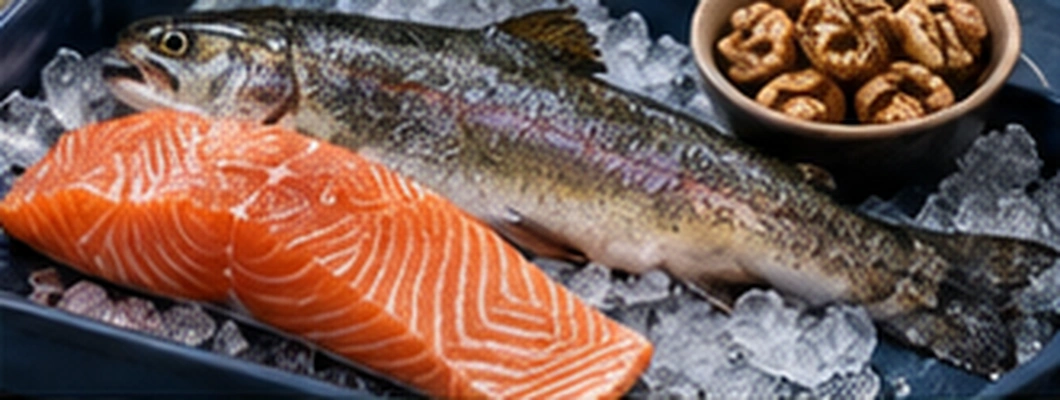
Fatty acids the body cannot make, and so must get from food, are called essential fatty acids. Omega-3 and omega-6 belong here, and both are polyunsaturated fats. Omega-3 is plentiful in fish such as salmon, trout and tuna.
Trans fat
Made when hydrogen is added to liquid oil to harden it
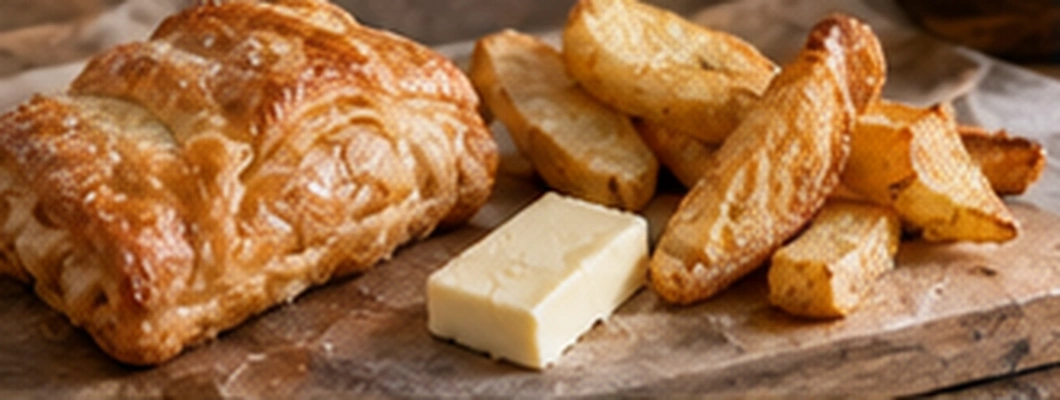
When factories add hydrogen to liquid vegetable oil, the oil becomes partly solid. The fat formed in this process is trans fat, found in shortening, margarine and the snacks and fried foods made with them. Meat and milk from cows and sheep also contain a little.
Background
LDL and HDL cholesterol
Cholesterol is a fat, so it cannot simply dissolve in blood; it rides in small fat-carrying particles called lipoproteins. The one that leaves it in blood vessel walls is nicknamed LDL ('bad' cholesterol), and the one that carries it back to the liver is nicknamed HDL ('good' cholesterol). High LDL raises the risk of heart disease and stroke.

How the three differ
Saturated and trans fat raised LDL
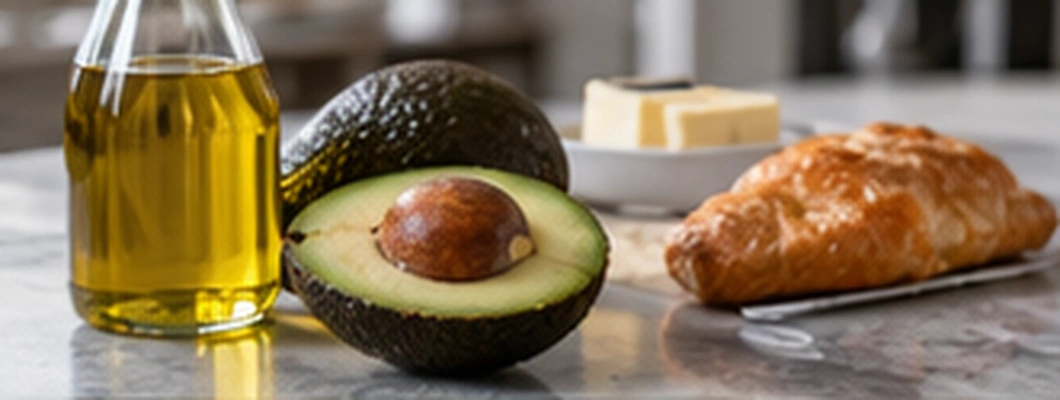
In a study that compared them with the unsaturated fat found in olive oil, the same amount of saturated fat or trans fat both raised LDL. Trans fat also lowered HDL. So swapping saturated and trans fat for unsaturated fat lowers LDL.
Official limits
Saturated fat under 10% of daily calories
The World Health Organization and the US dietary guidelines set saturated fat at under 10% of daily calories. On 2,000 kcal a day, that means less than about 22 g. Trans fat is set at a much lower line.
Common myth / Are all plant oils unsaturated?
Coconut oil is mostly saturated fat
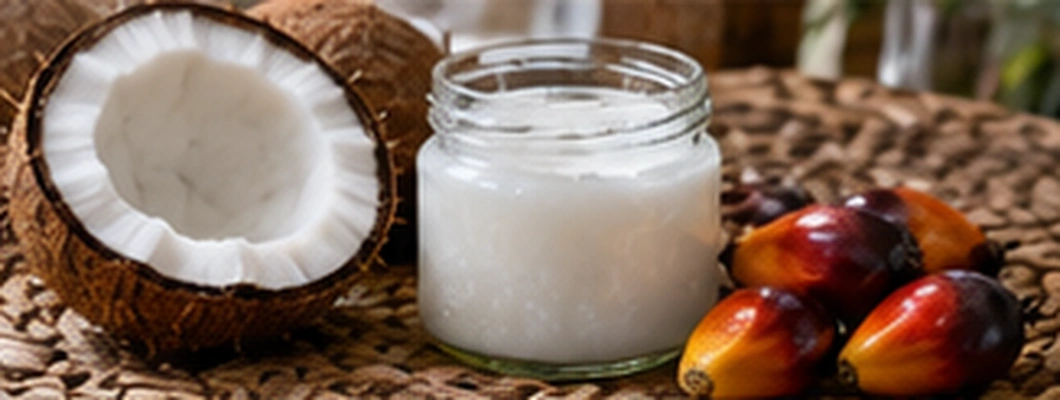
No. Coconut oil comes from a plant, but more than 80% of its fat is saturated. Palm oil is also high in saturated fat, and both oils are solid at room temperature. What decides the type of fat is the shape of its fatty acid chains, not whether it comes from a plant or an animal.
Summary
Names based on the shape of the chain
Fat is a nutrient made of fatty acid chains: no double bonds means saturated, double bonds mean unsaturated, and trans fat forms when hydrogen is added to oil to harden it. Even a plant oil, like coconut oil, can be mostly saturated fat. Related terms: essential fatty acids, omega-3, LDL cholesterol.
The more you know, the more you grow.PHYSIQUE NEWS