In one line
Plyometric training is exercise in which you jump and rebound over and over so that muscles are quickly stretched and then immediately shorten to produce force.
What is plyometric training?
The exercise people call 'plyos' or jump training
In workout videos or at the gym you may see people jump onto boxes or bounce up again and again on the spot. These exercises are grouped together as 'plyometrics'. This post explains what plyometric training is and the idea behind it.
In one line
Stretch, then spring back right away
Plyometric training is exercise in which you jump and rebound over and over so that muscles are quickly stretched and then immediately shorten to produce force. The aim is to produce as much force as possible in a very short time. Because most of it is done by jumping, it is also called 'jump training'.
What the name means
'More' plus 'measure'
The word 'plyometric' joins a Greek word meaning 'more' with a word meaning 'measure'. The idea is to raise results such as jump height or throwing speed. The US track coach Fred Wilt was the first to use the name.
How the muscle moves
It stretches on landing and shortens on take-off
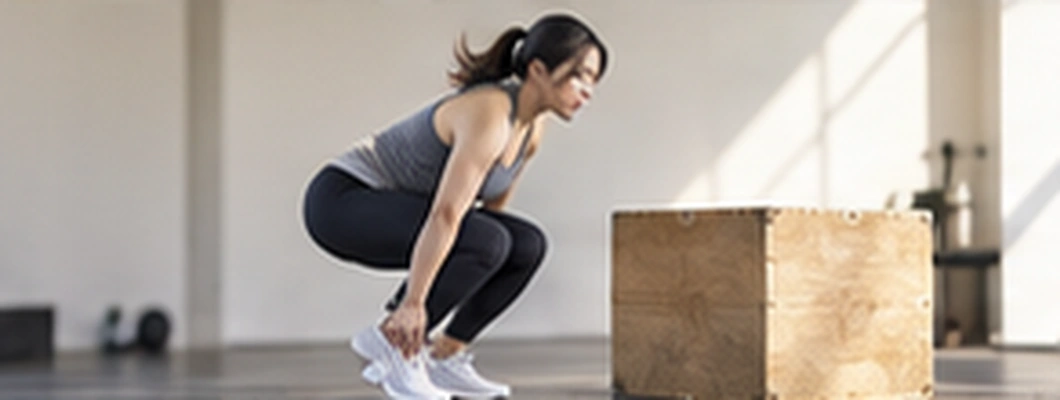
When you land from a jump, your knees bend and the leg muscles stretch while they hold up your body weight. If you jump straight back up, those muscles shorten and push your body upward. This quick stretch followed right away by shortening is called the 'stretch-shortening cycle'.
The power of a dip
You jump higher than from a paused start
A countermovement is the quick dip you make just before jumping, followed straight away by going up. Jumping with this dip takes you higher than jumping from the same position after holding still. While you dip, the muscles build up force in advance and start pushing with that force already there.

An automatic response
A suddenly stretched muscle contracts on its own
Contraction means a muscle shortening and pulling. When a muscle is stretched suddenly and fast, it contracts on its own without you thinking about it. This is called the 'stretch reflex', and plyometric training uses it to produce more force in a split second.
Examples
From jumps on the spot to ball throws
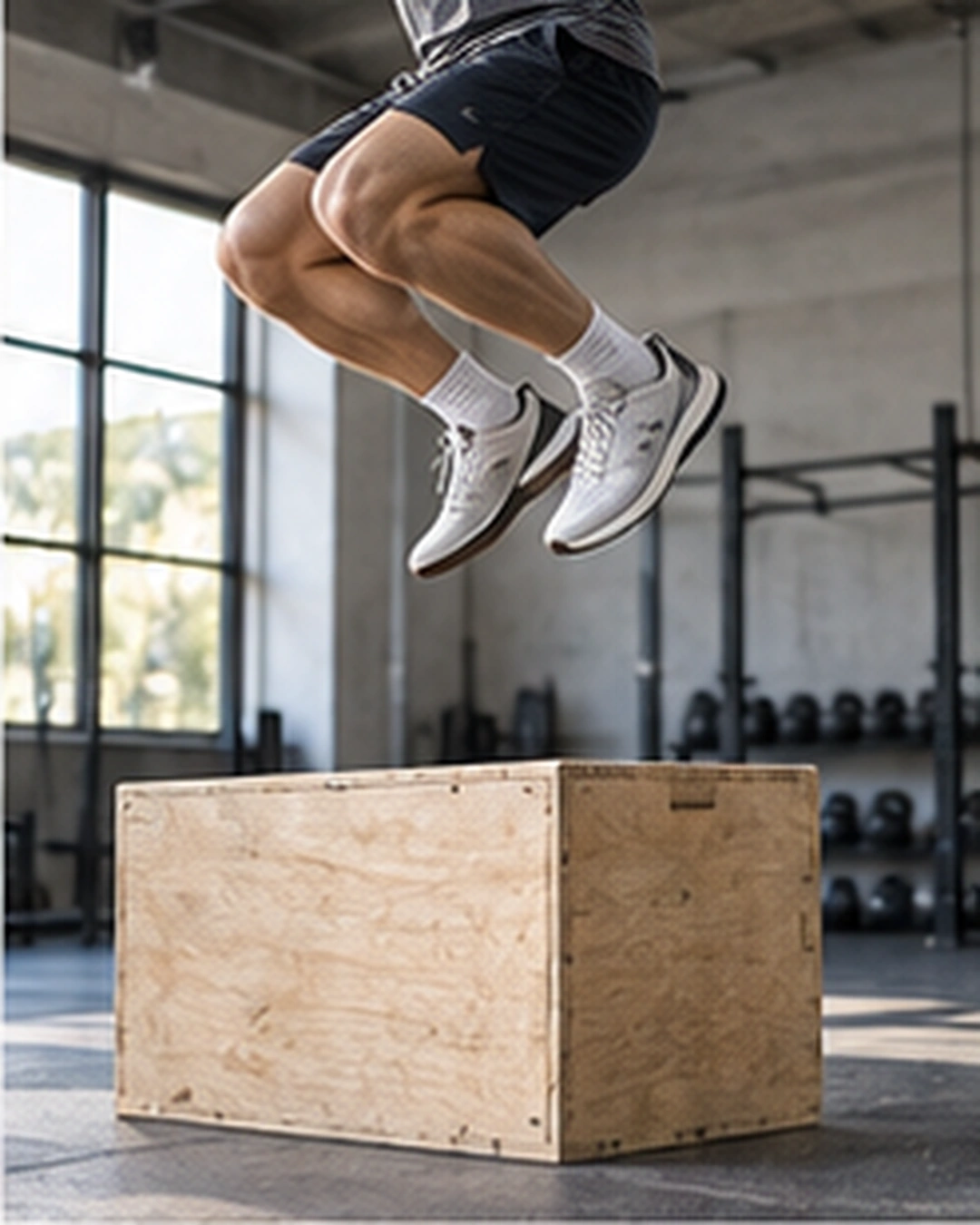
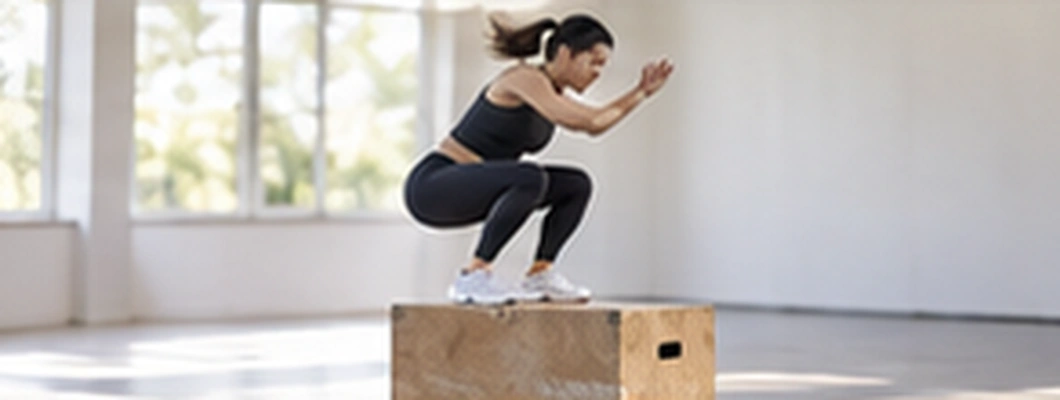
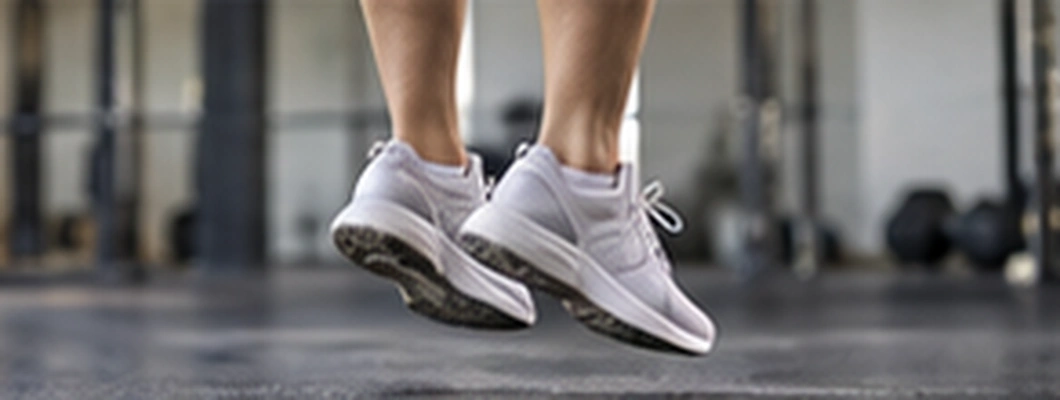
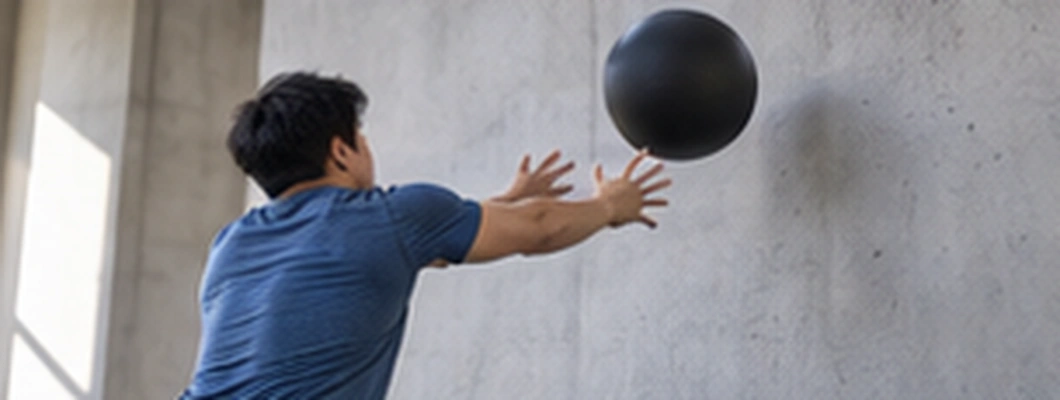
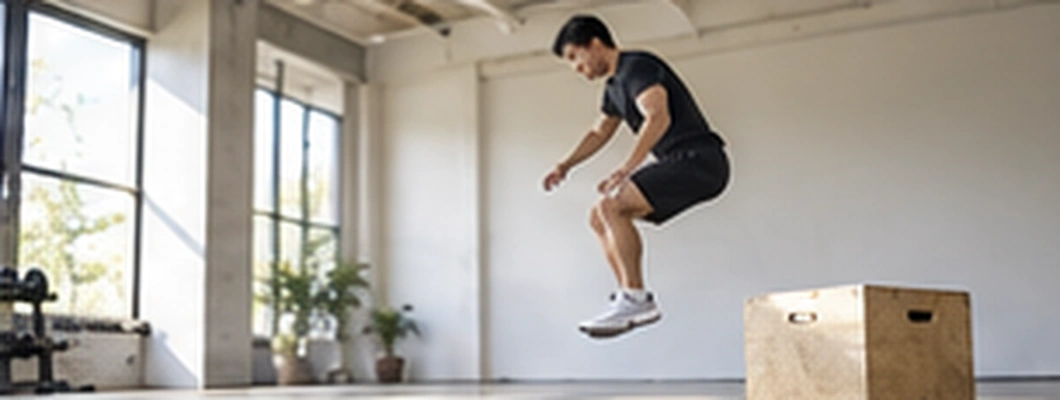
Typical examples are repeated jumps on the spot, one-leg hops and jumping onto a box. There is also the 'depth jump', where you drop from a low box and jump up again right away. For the arms, people throw a heavy ball (a medicine ball) as hard as they can.
What improves
Jump height went up
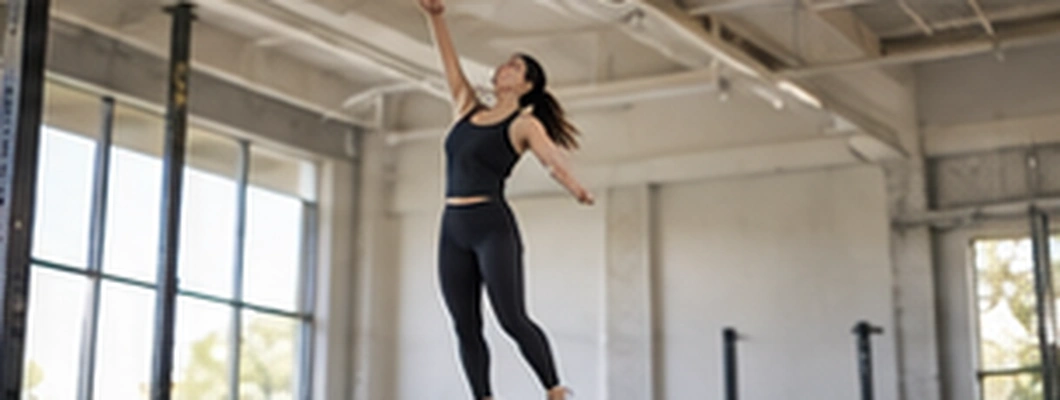
When studies of healthy people doing plyometric training were pooled, the height of a jump with a dip rose by about 9% on average. For someone who jumped 50 cm, that is about 4 cm higher.
A common myth
Is any jump plyometric?
The key is not height but springing back up right after landing without stopping. In a study where people lowered a heavy barbell to the chest and pressed it back up, the longer they paused in between, the less help they got from the rebound. A pause of just under 1 second cut that help in half.
Summary
Spring back the moment the muscle stretches
Plyometric training is exercise in which you jump and rebound over and over so that muscles are quickly stretched and then immediately shorten to produce force. Not every jump is the same: the key is springing back up the moment you land, without stopping. Related terms: power, stretch-shortening cycle, stretch reflex.
The more you know, the more you grow.PHYSIQUE NEWS