
In one line
Refined carbohydrates are refined grains, which have had the bran and germ milled away, together with refined sugars such as table sugar.
What are refined carbohydrates?
What exactly is "refined" in white rice and white bread?
Diet advice often says to "cut back on refined carbs." White rice, white bread and sugar are the usual examples. What was refined in these foods, and what was lost along the way?

In short
Milled grains and refined sugars
Refined carbohydrates is a term for "refined grains," which have had their outer layer and germ milled away, together with "refined sugars" such as table sugar. White rice, white flour and the breads, noodles and snacks made from it, and sugary drinks all belong here.
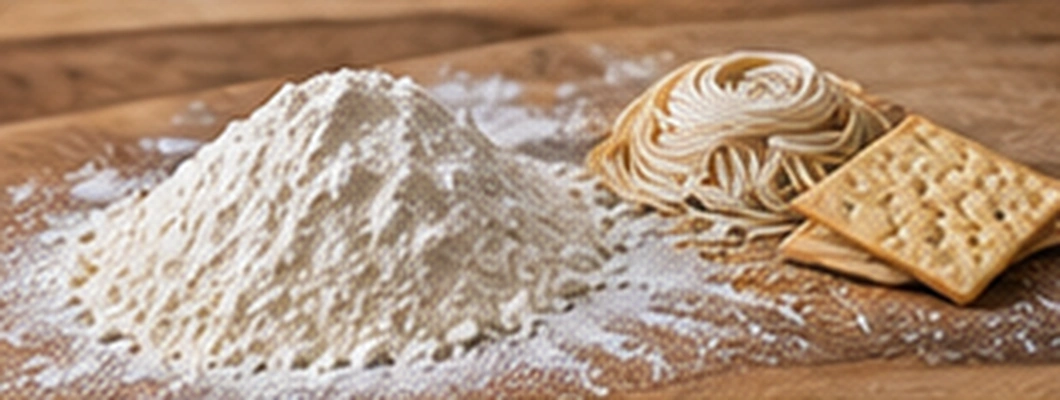
What "refined" means
Removing other material to make something purer
To refine something is to remove other material mixed into it so it becomes purer. For grains, it means milling off the outer layer and the germ and keeping only the starchy inside. Starch is the main carbohydrate in rice and bread.
The three parts of a grain kernel
Bran, germ and endosperm
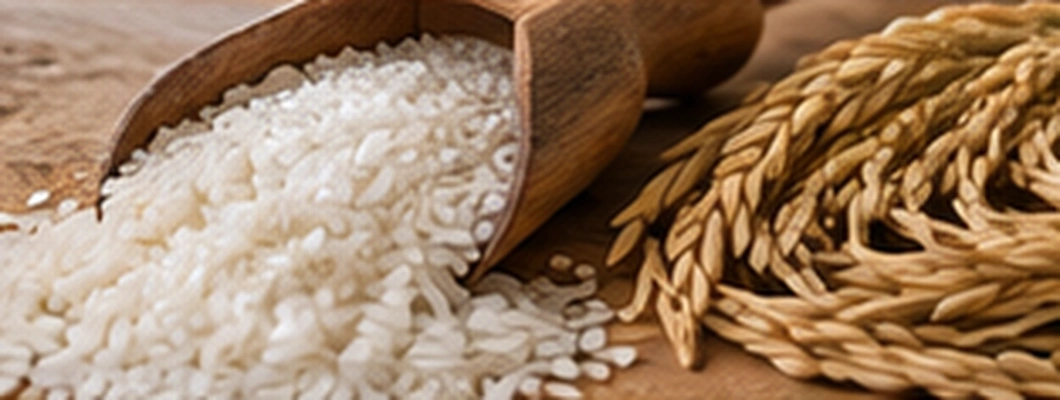
A grain kernel has three parts. The outer layer wrapping the kernel, the bran, is rich in fiber, the carbohydrate people cannot digest. The germ, where the seed sprouts, is rich in fats and vitamins, and the inner endosperm holds starch and protein.
Refined grains
Bran and germ removed, only endosperm left
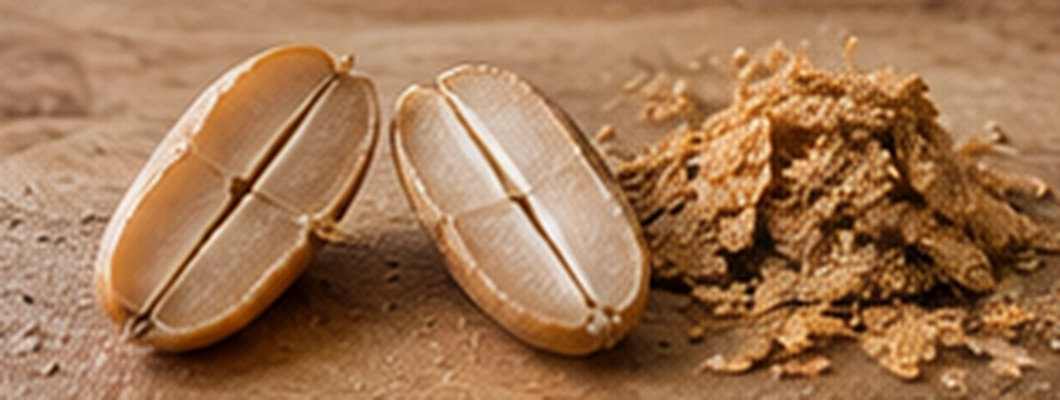
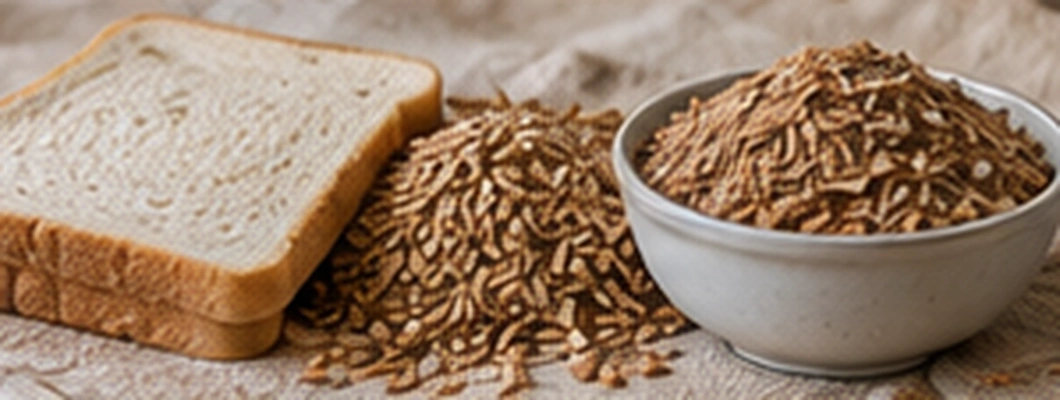
Refined grains are grains with the bran and germ milled away, leaving only the endosperm. White rice and white flour are the main examples. Milling makes the texture softer, and removing the germ's oil, which spoils easily, lets the grain keep longer.
Whole grains
All three parts kept
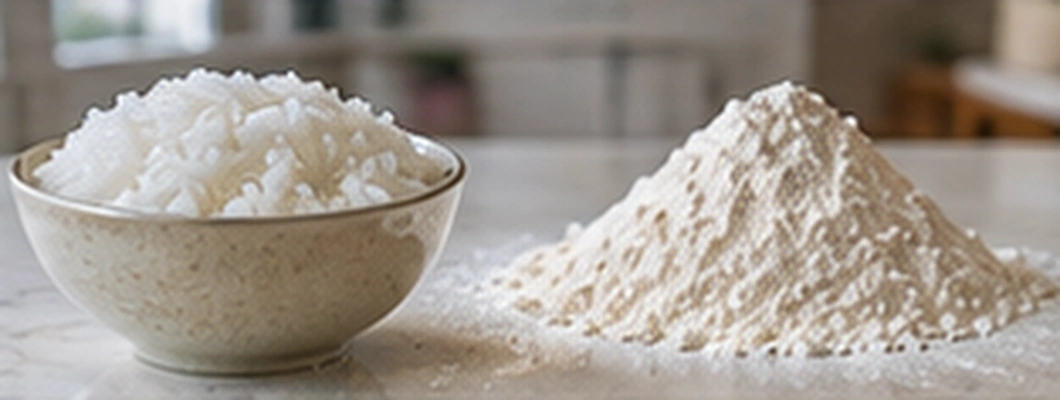
The opposite of refined grains is "whole grains," which keep the bran, germ and endosperm. Brown rice, whole wheat and oats are examples. Brown rice has only the hard outermost hull removed, so the bran and germ underneath remain.
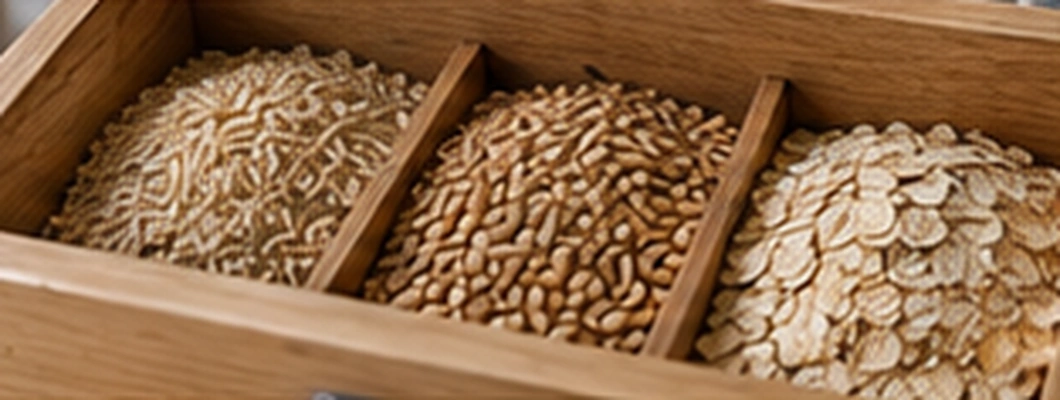
What milling removes
Fiber, iron and B vitamins
Milling off the bran and germ also removes the fiber, iron and many B vitamins they contained. That is why foods made with white flour have less fiber than whole-grain foods.
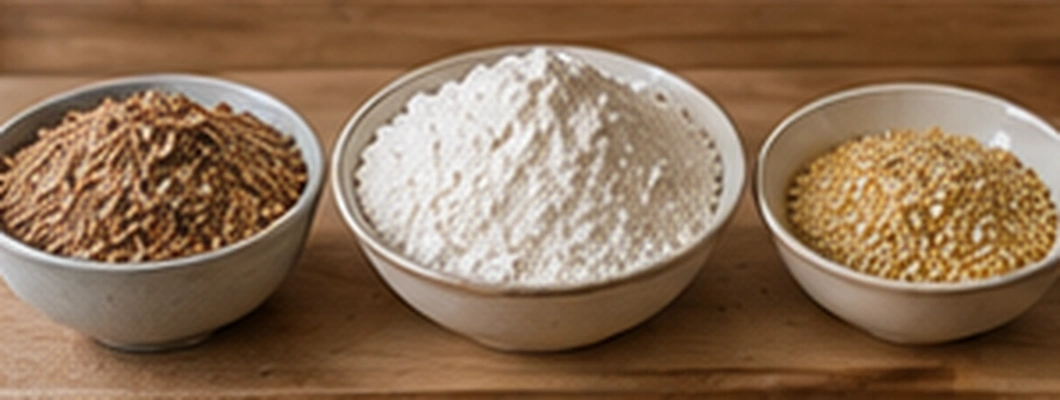
Adding some back: "enrichment"
Only some vitamins and iron return
In the United States, some of the nutrients lost from refined grains are added back. This is called "enrichment." Enriched flour gets four B vitamins and iron in set amounts. Fiber is not added back.

Links with health
Risk was higher in people who ate a lot
In a study that followed people in many countries for years, those who ate more than about 7 servings a day of refined grains, such as white-flour foods, had about a 1/3 higher risk of heart and blood vessel disease than those who ate almost none. White rice showed no such link, even at high intakes. Studies looking at lower ranges of intake found no clear link.

Common myth
Is brown bread always whole-grain bread?
No. The color of bread does not tell you whether it is whole grain. Some breads are brown because other ingredients were added for color. Whether it is whole grain is judged by whether a whole grain, such as "whole wheat" or "brown rice," is listed first in the ingredients.
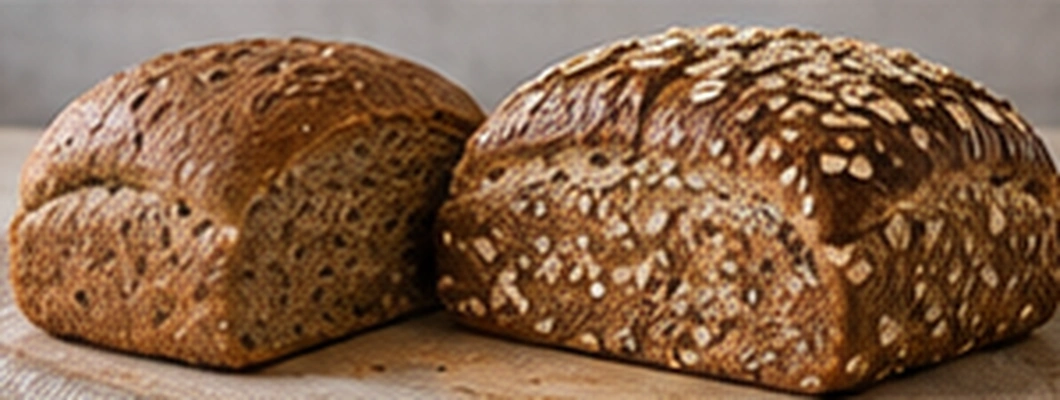
Summary
Carbohydrates with the bran and germ gone
Refined carbohydrates are refined grains, with the bran and germ milled away to leave the endosperm, together with refined sugars such as table sugar. A brown loaf is not necessarily whole-grain bread. Related terms: whole grains, fiber, added sugars.
The more you know, the more you grow.PHYSIQUE NEWS