In one line
HMB is a substance made in small amounts when the amino acid leucine is broken down in the body, and it works to reduce muscle protein breakdown.
What is HMB (beta-hydroxy beta-methylbutyrate)?
Three letters on muscle supplement labels
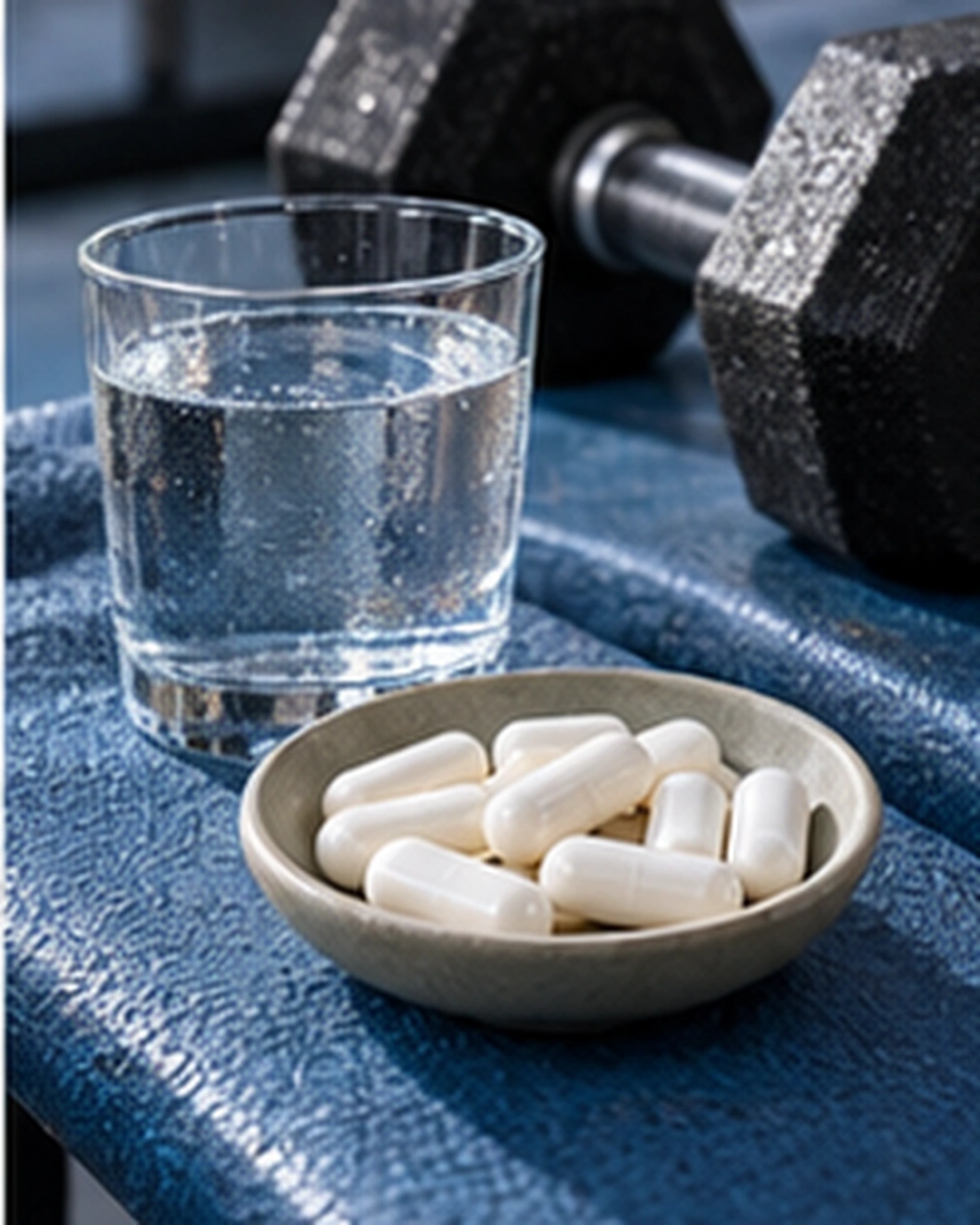
You see the three letters 'HMB' on muscle supplement labels. They are short for the long name 'beta-hydroxy beta-methylbutyrate'. This post explains where HMB comes from, what it does in the body, and how it was used in studies.

In one line
A substance made when leucine is broken down
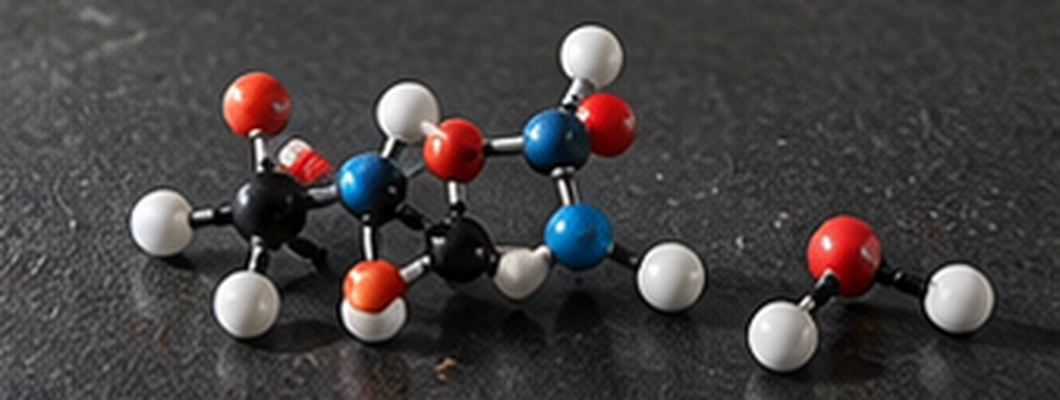
HMB is a substance made when 'leucine', one of the building blocks of protein, is broken down in the body. Human and animal bodies make small amounts of it naturally. Supplements contain HMB that is made separately.
Amino acids and leucine
The small pieces that make up protein
Proteins are made of small pieces called 'amino acids' linked in long chains. 9 amino acids cannot be made by the body and must come from food, and leucine is one of them. Leucine is the amino acid that switches on the signal to start making new muscle protein.

Building and breaking down
Muscle protein is always being built and torn down
Muscle protein is always being newly made and broken down at the same time. Making new protein is called 'synthesis', and breaking it down is called 'breakdown'. Whether muscle grows or shrinks depends on which is larger, synthesis or breakdown.

How much the body makes
Only about 5% of leucine becomes HMB
When leucine in the body is broken down, most of it becomes other substances, and only about 5% becomes HMB. So the body makes very little HMB on its own.
What it does in the body
More synthesis, less breakdown
In a study where people took HMB once, muscle protein synthesis rose to about 1.7 times, and breakdown fell by more than half. HMB switches on the synthesis signal like leucine, and also works to hold down breakdown. These values were measured for a short time right after one dose; they do not show whether muscle actually grew.

Two supplement forms
HMB-Ca and HMB-FA
HMB supplements have been studied in two forms: 'HMB-Ca', which is bound to calcium, and 'HMB-FA', which is HMB alone without calcium. Most studies so far used HMB-Ca.

Amount used in studies
Mostly 3 g a day
Most studies used 3 g a day. When the amount was set by body weight, it came to about 3 g for a person weighing 80 kg. Many studies split it into 1 g with each meal.

Safety
No problems at the amounts studied
In studies where people took 3 g a day for several weeks, blood tests showed no harmful changes in health markers. Studies where people took up to 3 g a day for 1 year also reported no problems.

A common misunderstanding
Can you get enough HMB from food?
Hardly. The body turns only a small part of the leucine you eat into HMB. So to make the 3 g a day used in studies, you would need 60 g of leucine, or over 600 g of protein. That is too much to eat in a day, so studies gave HMB as a separate supplement.

Summary
A substance made in small amounts from leucine
HMB is a substance made in small amounts when leucine is broken down in the body; it works to help muscle protein synthesis and reduce breakdown. The body makes so little that food alone cannot provide the amount used in studies. Related terms: leucine, amino acids, BCAAs.

The more you know, the more you grow.PHYSIQUE NEWS