In one line
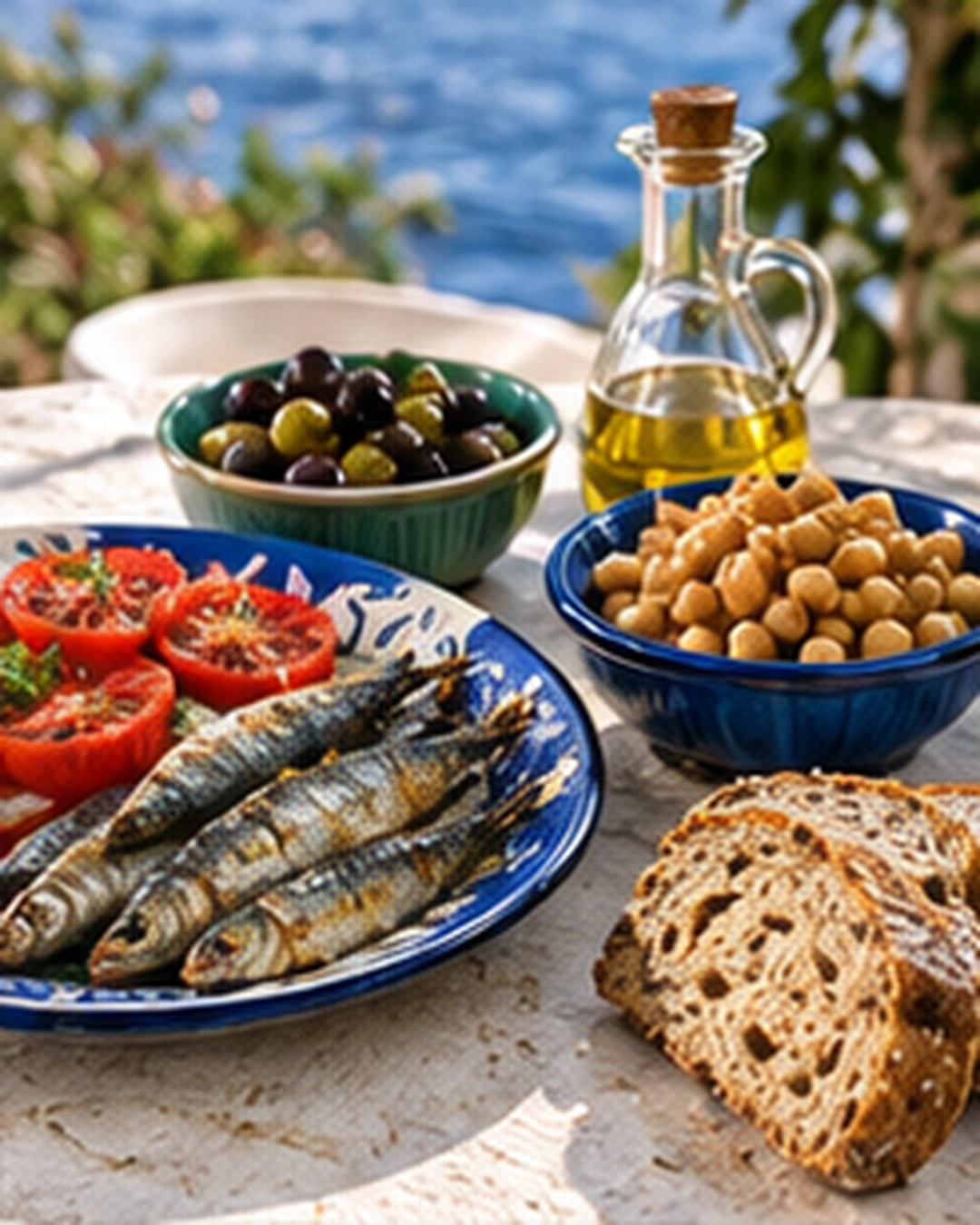
The Mediterranean diet is the traditional way of eating around the Mediterranean Sea, built on plant foods such as vegetables, fruit, whole grains, beans and nuts, with olive oil as the main fat.
What is the Mediterranean diet?
The name that always comes up in talk of 'healthy diets'
When people talk about choosing a healthy diet, the 'Mediterranean diet' comes up often. Olive oil and fish come to mind first, but what exactly does this diet include? Let's look at where it came from and what it is made of, step by step.
In a word
The old way of eating in countries by the Mediterranean
The Mediterranean diet is an eating pattern modeled on the way countries around the Mediterranean Sea have long eaten. It is rich in plant foods such as vegetables, fruit, whole grains, beans and nuts, and uses olive oil as the main fat.
Where it came from
The tables of Greece and southern Italy in the early 1960s
The model is how people ate in Crete, the rest of Greece and southern Italy in the early 1960s. At that time, adult life expectancy there was among the highest in the world and heart disease was among the lowest. That is why researchers turned their attention to the way people ate there.
Eaten often
Plant foods are the center of the plate
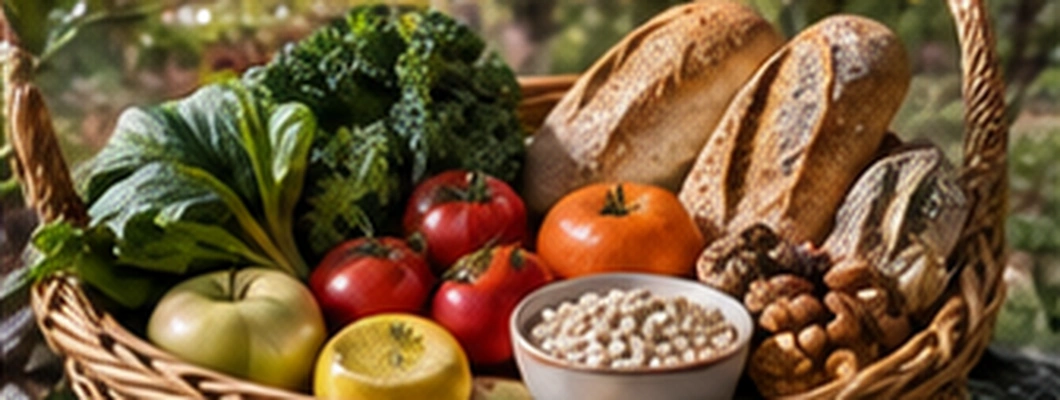
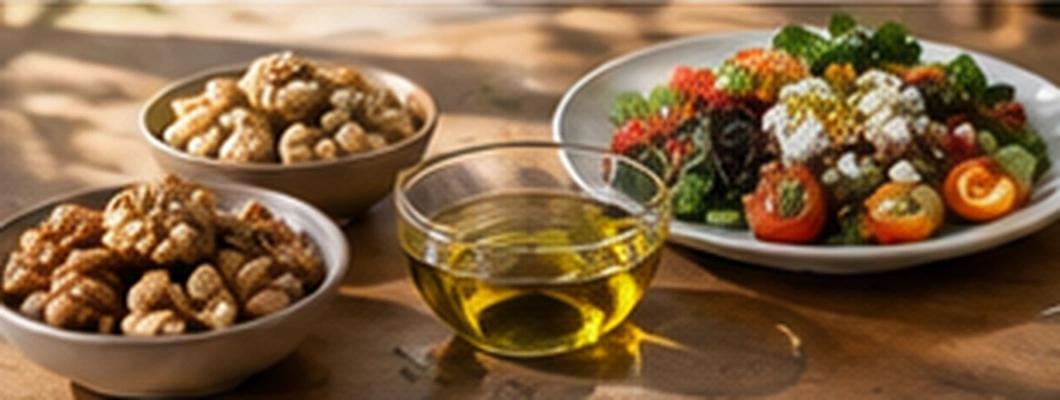
The foods eaten in large amounts every day are vegetables, fruit, whole grains, beans, nuts and seeds. Herbs and spices add flavor, and dessert is usually fresh fruit. The center of the plate is plant foods, not meat.
The oil is olive oil
Changing the type of fat rather than cutting it
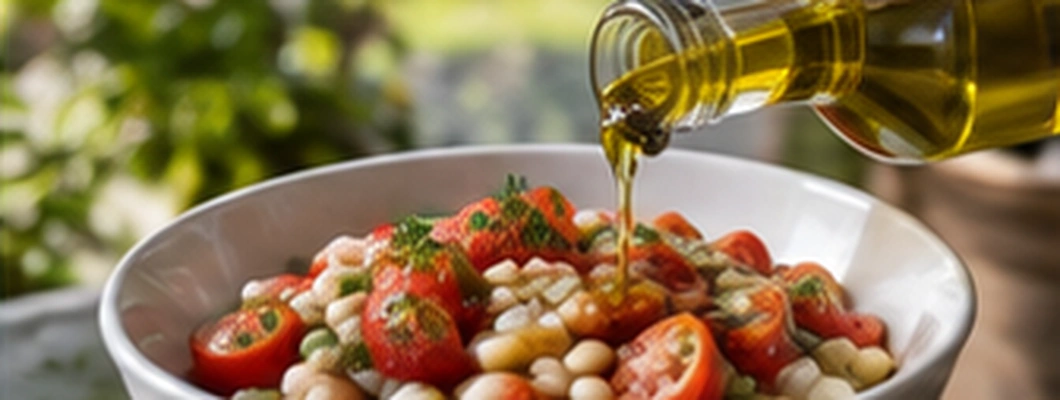
Olive oil is the main fat, used in place of butter. Most of the fat in olive oil is 'unsaturated fat', which flows at room temperature, while 'saturated fat', which turns solid at room temperature like butter and meat fat, is low in this diet. So the Mediterranean diet is not a low-fat diet; it is a diet low in saturated fat.
Eaten less, or now and then
Fish often, red meat rarely
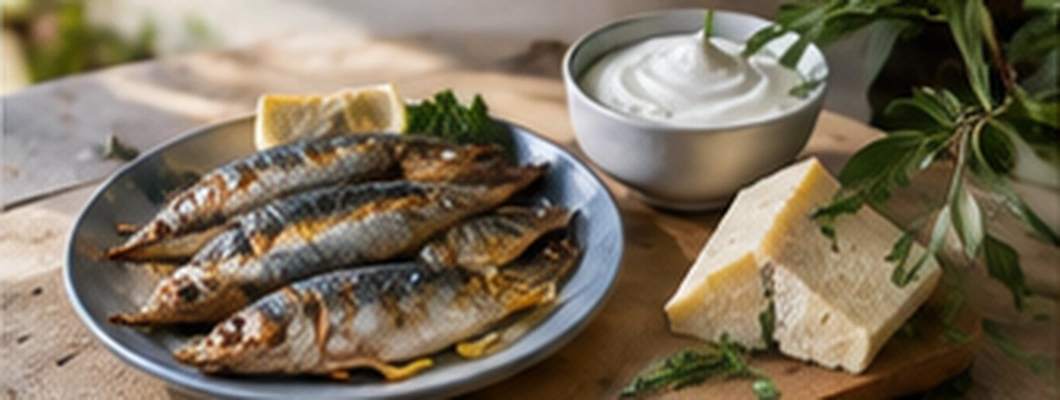
Among animal foods, fish is eaten most often, at least two times a week. Chicken, eggs, cheese and yogurt are eaten in small amounts, and red meat such as beef only a few times a month. Sweets and desserts are also kept low.
Drinks
Mostly water; wine is not a core part
The main drink is water. The traditional meals included a little wine with food. But the core parts of the Mediterranean diet named in research are olive oil and plant foods, and wine was an extra element.

No set amounts
A way of eating, not a meal plan
The Mediterranean diet tells you what to eat often and what to eat now and then, but it does not set how many grams to eat at a meal. How much to eat depends on each person's body size and how active they are. When it is used to lose weight, people eat this way while also cutting total calories.

What research found
About 30% fewer heart attacks, strokes and related deaths
In Spain, people at high risk of heart disease were split between a Mediterranean diet (with extra olive oil or nuts) and a diet cutting fat, for about 5 years. The Mediterranean groups had about 30% fewer heart attacks, strokes and heart deaths combined. But deaths on their own showed no difference, and the drop was mostly in strokes.
Common myth
Do lots of olive oil and nuts make you gain weight?
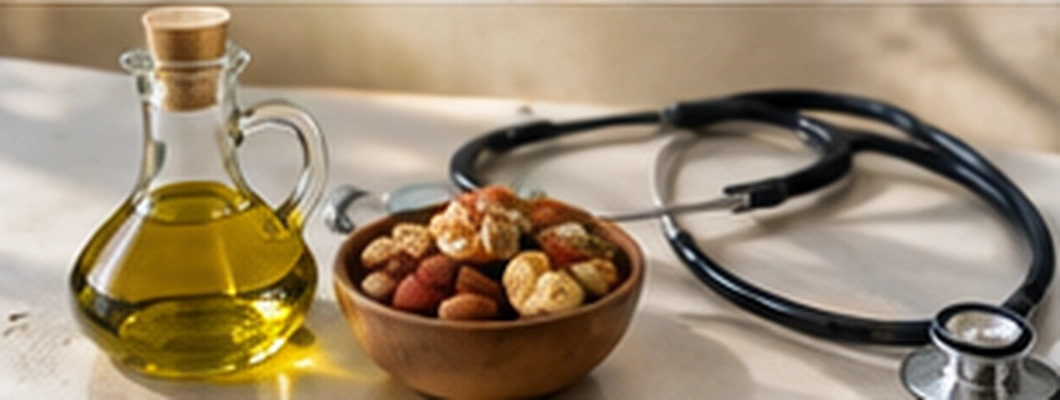
Fat has 9 kcal per 1 g, so a high-fat diet is thought to make people gain weight. In the same Spanish study, the groups eating the Mediterranean way with no calorie limit showed no difference in weight change over about 5 years compared with the group cutting fat. Waist size grew a little less in the group with extra nuts.
Summary
A way of eating centered on plant foods and olive oil
The Mediterranean diet is the traditional way of eating around the Mediterranean, rich in vegetables, fruit, whole grains, beans and nuts, with olive oil as the main fat. It is not low in fat, but in a study of people at high risk of heart disease eating it with no calorie limit, weight did not differ from a diet cutting fat. Related terms: fats (saturated, unsaturated, trans), dietary fiber, calorie deficit and surplus.

The more you know, the more you grow.PHYSIQUE NEWS