In one line
Added sugar is sugar put into food when it is made or eaten, as opposed to the sugar that is naturally in fruit, vegetables and milk.
What is added sugar?
Is the sugar in fruit the same as the sugar in soda?
Talk about cutting back on sweet drinks and snacks often uses the term 'added sugar'. But fruit and milk contain sugar too. Which sugar does 'added sugar' mean?

In a word
Sugar put in when food is made or eaten
Added sugar is sugar put into food when it is made or eaten. Sugar a factory puts into drinks and snacks is added sugar, and so is syrup you put in your coffee at home. Sugar that is naturally in fruit, vegetables and milk is not added sugar.

Background
Sugars are small pieces of carbohydrate
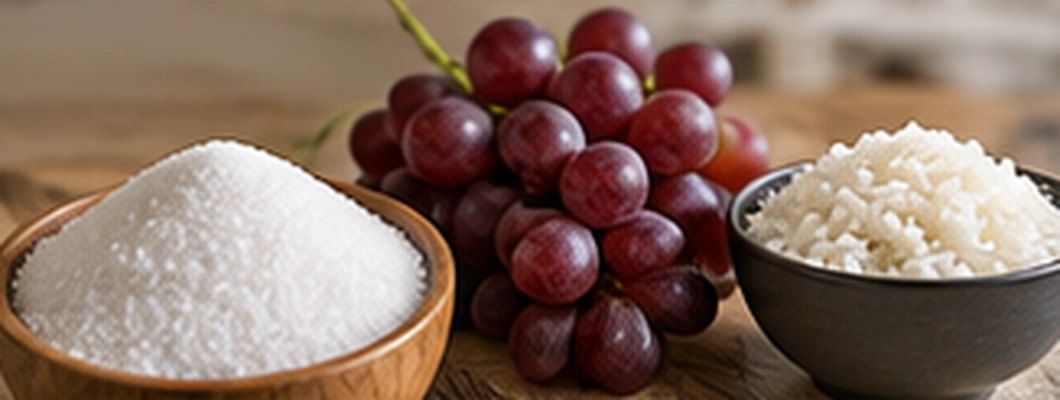
Carbohydrates are made of small pieces called 'sugars'. Single pieces such as glucose and fructose, and two pieces joined together such as table sugar, are grouped as 'sugars'. The starch in rice is a long chain of sugar pieces, so it is not counted as sugars.
The same sugar
Whether it was put in decides the name
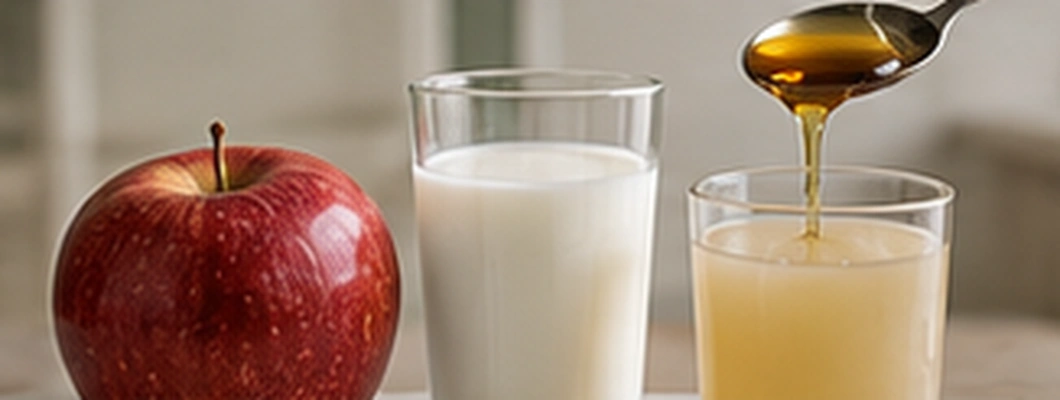
Whether a sugar is added sugar depends not on the type of sugar but on whether it was put in. The fructose naturally in an apple is not added sugar, but fructose a factory puts into a drink is. The lactose (the sugar naturally in milk) in plain milk was not put in, so it is not added sugar either.
Many names
Added sugar in the ingredient list
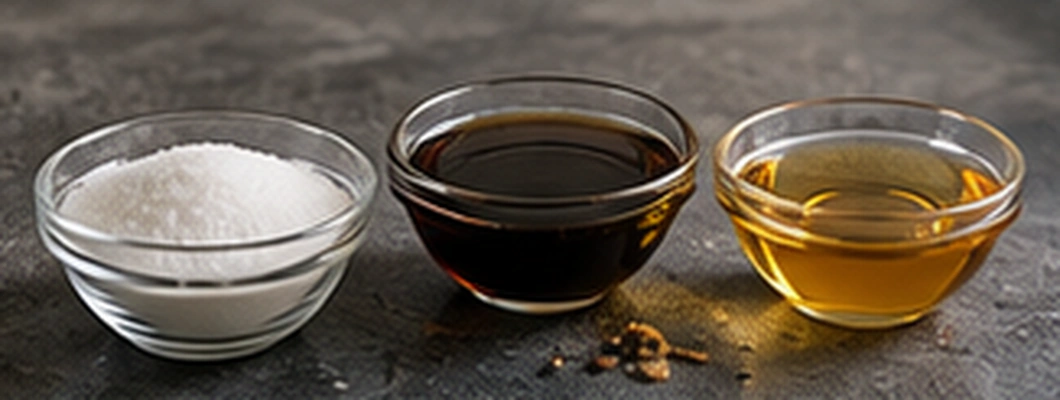
In ingredient lists, added sugar appears under many names. Besides table sugar, high-fructose corn syrup (a sweet syrup made from corn), corn syrup, dextrose (glucose), maltose, molasses and fruit juice concentrate (fruit juice with water taken out to make it thick) are all added sugars. Even without the word 'sugar' in the name, sugar that was put in is added sugar.
Calories
About 4 g in a teaspoon
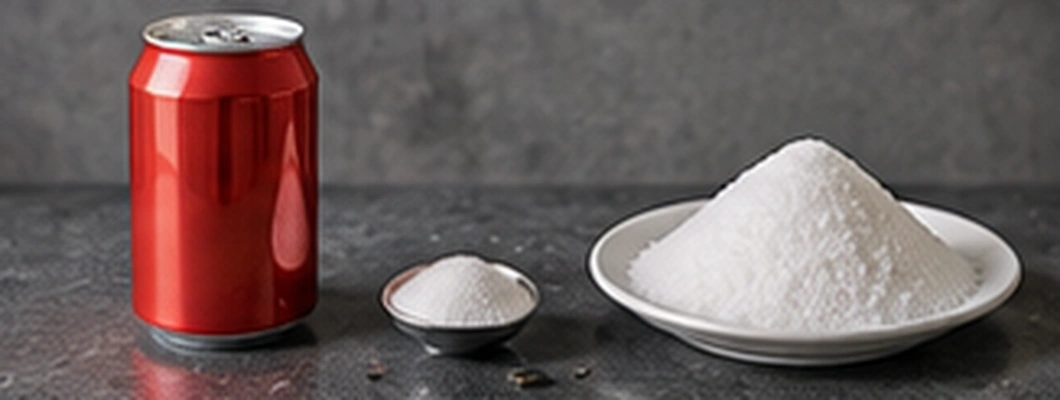
Added sugar is a carbohydrate, so it gives about 4 kcal per 1 g. A teaspoon of sugar is about 4 g. A large (355 mL) can of sugary soda holds about 10 teaspoons of added sugar.
A similar term, free sugars
A slightly wider term used by the WHO
The World Health Organization (WHO) uses the term 'free sugars'. Free sugars are added sugars plus the sugars naturally in honey, syrups and fruit juice. So the sugar in fruit juice with no sugar added counts as free sugars, but the sugar in fresh fruit, vegetables and milk does not.

Limits set by agencies
Less than 10% of daily calories
The WHO recommends keeping free sugars below 10% of daily calories. For someone eating 2,000 kcal a day, that is under about 50 g. The US nutrition label also sets the daily value for added sugar at the same amount.

On the nutrition label
The Korean label's 'sugars' adds both together
The US nutrition label lists added sugar separately under total sugars. The 'sugars' line on the Korean label is the total of natural and added sugar. So even plain milk with no added sugar shows sugars on a Korean label.

What happens in the body
Sugar is linked to tooth decay
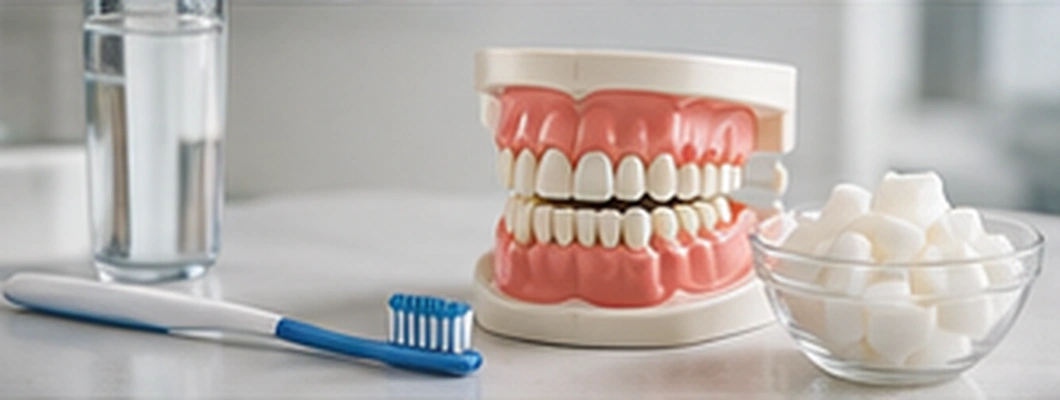
Bacteria in the mouth feed on sugar and make acid, and the acid eats into the surface of the teeth, causing cavities. When studies looking at sugar intake and tooth decay were pooled, people whose free sugars were under 10% of daily calories had fewer cavities. The WHO named this result as one of the grounds for its limit.
Common myth / Aren't honey and raw sugar different from added sugar?
Once put into food, they are all added sugar
Honey, unrefined raw sugar, and maple or agave syrup are often seen as better than table sugar. But both US labeling rules and the WHO count them as added (free) sugars once they are put into food. In a study where people took honey, table sugar and high-fructose corn syrup for 2 weeks each, changes in blood sugar and blood fats did not differ among the three.

Summary
Sugar put in, not sugar already there
Added sugar is sugar put into food when it is made or eaten, as opposed to the sugar naturally in fruit, vegetables and milk. Honey, raw sugar and syrups are added sugar too once they go into food. Related terms: carbohydrates (simple and complex), nutrition facts label, sugar substitutes (sugar alcohols and artificial sweeteners).

The more you know, the more you grow.PHYSIQUE NEWS